


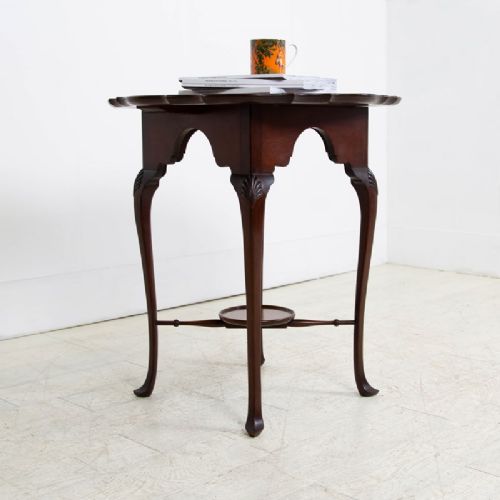
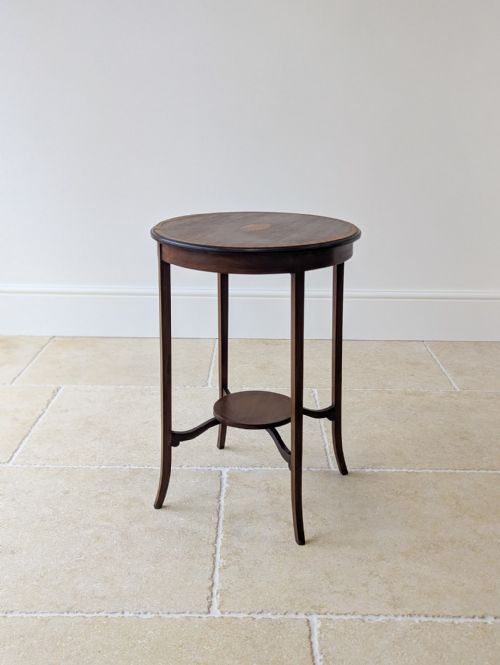
Vintage Mahogany Wine Stand
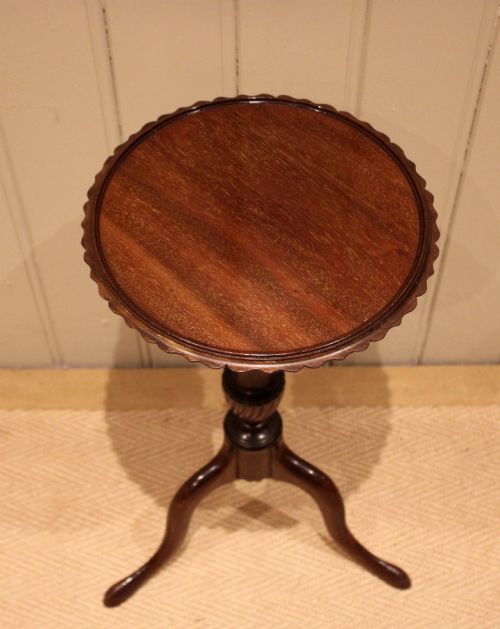
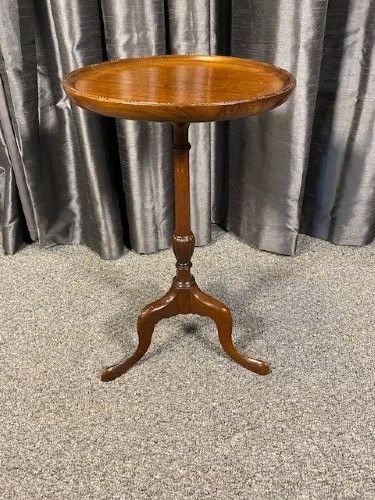
A vintage mahogany wine stand brings compact elegance to a corner, offering a stable surface for glasses or bottles within reach.
Vintage Mahogany Wine Stand
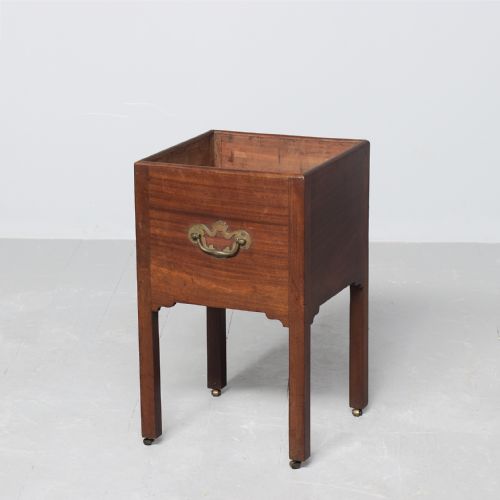
A vintage mahogany wine stand encompasses small occasional tables, tripod wine tables, and larger cellarettes or wine coolers designed for entertaining. These pieces emerge across the Georgian, Regency, Victorian, and Edwardian periods, running through later revivals.
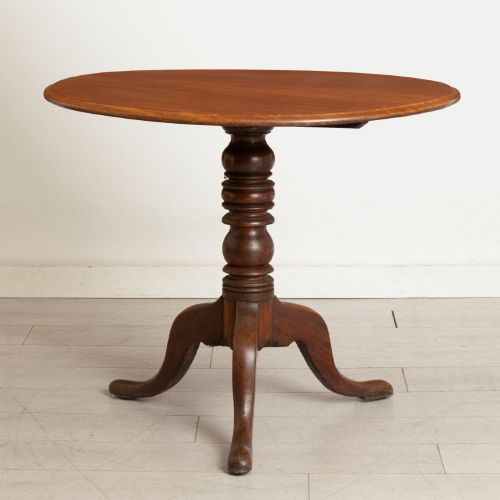
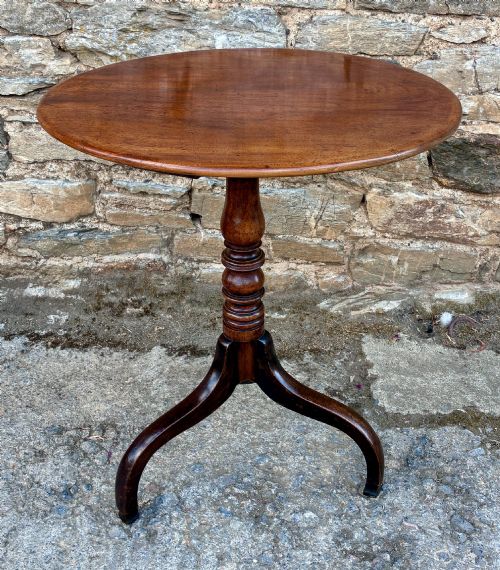
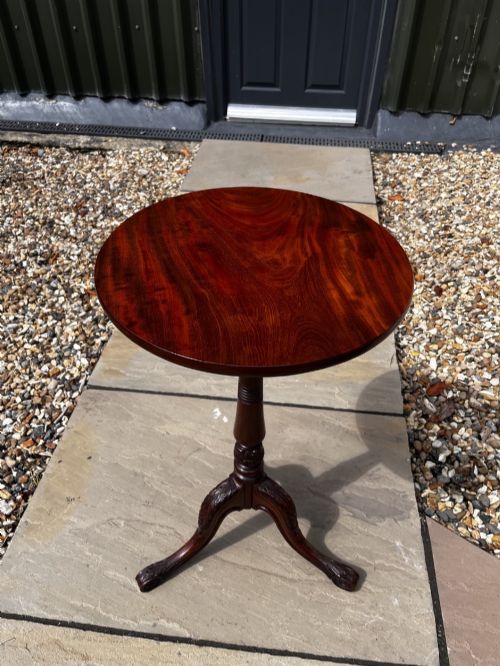
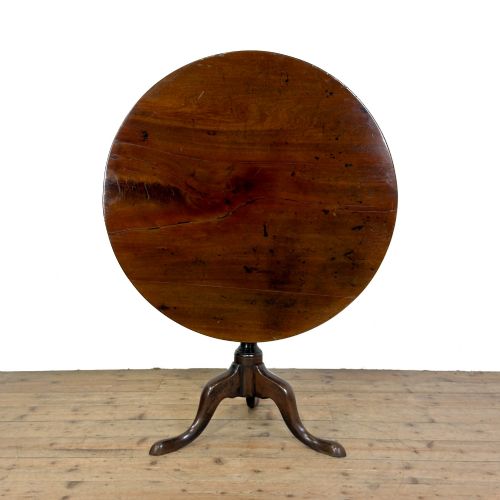
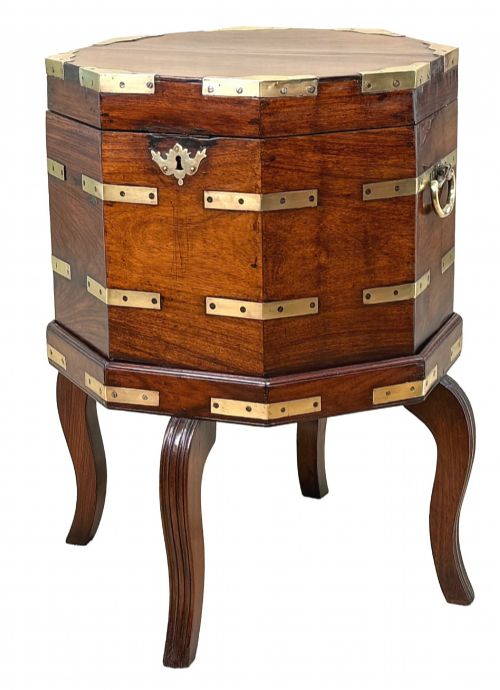
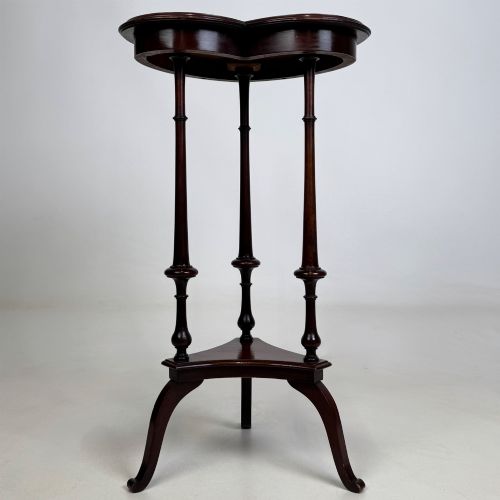
The most frequent version on this page is the tripod wine table, often featuring a circular or tray top supported by a central pillar and three splayed legs. Alongside these stand larger storage pieces like cellarettes and drinks cabinets built for bottles and decanters.
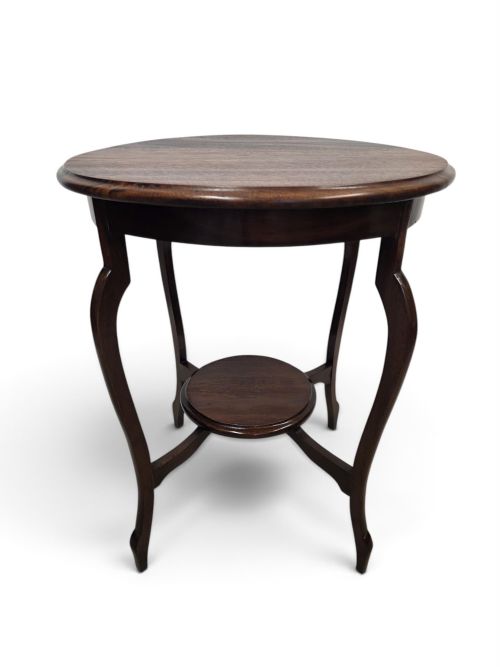
Originating primarily from British workshops, these items span centuries of design evolution from strict Georgian proportions to lighter Edwardian interpretations. They serve equally as lamp tables, side tables, or dedicated stands for serving drinks.
How they were made
Cabinetmakers relied heavily on solid mahogany and rich mahogany veneers, often selecting timber with deep grain patterns and warm natural tones. Secondary woods provide structural support beneath the visible surfaces.
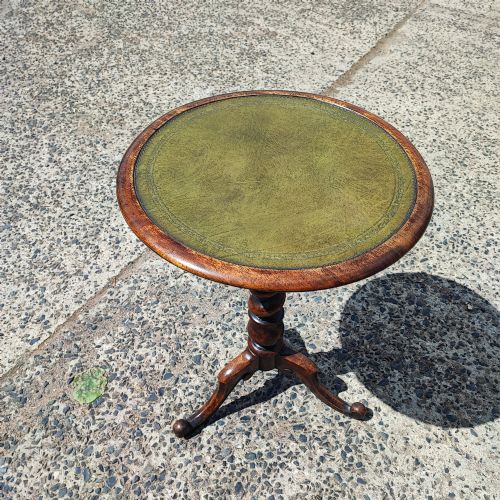
Metalwork played a functional and decorative role, incorporating cast brass feet, carrying handles, hinges, and occasional brass banding on larger cellarettes. Glass and leather inserts also appear on specific tray top and serving surfaces.
Several stands double as impromptu horse-drawn carriage companions, though most spent their lives safely beside drawing-room armchairs.
What varies in quality
The sophistication of the timber selection and the precision of the joinery dictate the standing of each piece. Superior examples display careful grain matching on table tops and tightly fitted joints on pillar supports.
Refinement in carving, such as detailed claw and ball feet or subtle edge moulding, separates standard production from exceptional craftsmanship. Original hardware and sound structural integrity further elevate the standing of an individual stand.
Shapland and Petter·Waring and Gillow
The Vintage Mahogany Wine Stand Glossary
- Tripod table
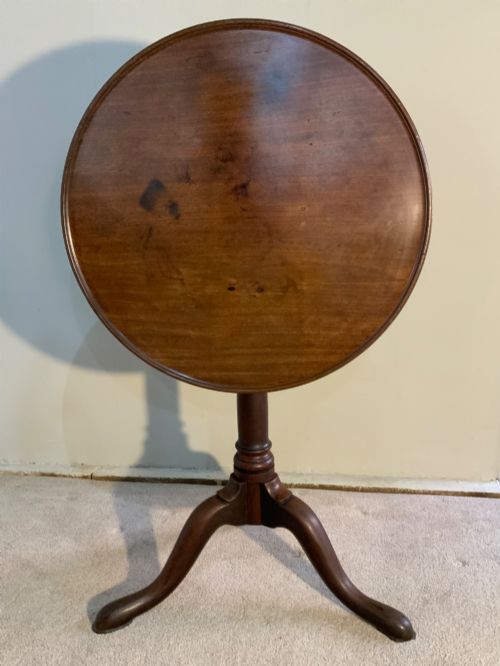
- A small standalone table supported by a central pillar above three radiating legs. This configuration allowed the top to tilt on certain models for easy storage.
- Cellarette
- A lockable box or cabinet designed to hold bottles and decanters safely. These containers often rest upon stands or feature integrated legs.
- Tray top
- A tabletop finished with a raised rim or gallery designed to prevent items from sliding off. This feature appears frequently on smaller serving and wine tables.
- Tilt top
- A hinged tabletop mechanism enabling the surface to pivot vertically when not in use. This clever engineering saved valuable floor space in period drawing rooms.
- Birdcage
- A rotating wooden block beneath a tabletop that allows the surface to turn and tilt independently. It represents a mark of complex joinery on eighteenth-century tripod tables.
Vintage Mahogany Wine Stand: Frequently Asked Questions
What is a wine stand used for?
These compact stands provide a stable surface for holding glasses, bottles, or lamps next to seating areas. Larger variants like cellarettes serve to store bottles securely.
Historically, they supported the ritual of after-dinner drinking by keeping refreshments close at hand in domestic drawing rooms.
How do I date a mahogany stand?
Dating relies on observing structural characteristics, joinery techniques, and prevailing design styles across different eras. Georgian pieces often show heavier proportions and hand-cut elements.
Later Edwardian and revival pieces reflect lighter frames and machinery-assisted production methods while imitating earlier aesthetics.
Are tilt top tables stable?
Tilt top mechanisms remain entirely stable when resting flat on their original wooden catches. The central pillar and three splayed legs distribute weight evenly across the floor.
Occasional movement in the pivot joint is normal for older mechanisms and requires gentle handling rather than heavy tightening.
Where should I place a wine stand?
These stands fit comfortably beside armchairs, in narrow hallways, or as accent pieces in reception rooms. Their modest footprint allows them to occupy awkward corners effectively.
Avoid positioning them in direct sunlight or close to intense heat sources to protect the polished mahogany finish from drying out.