




Vintage Mahogany Taper Stands
Vintage mahogany taper stands bring elegance and useful surface space to a room, offering classic wood grain and period craftsmanship.
Vintage Mahogany Taper Stands
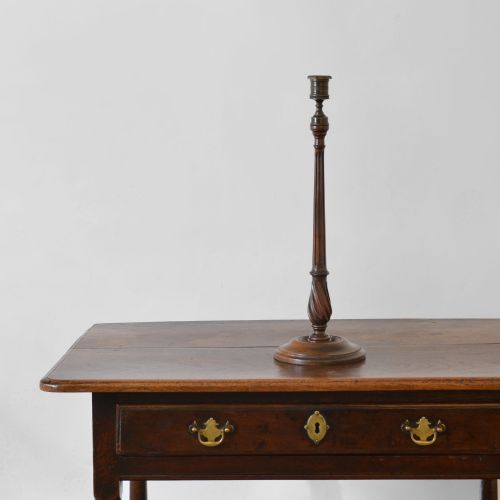
Vintage mahogany taper stands encompass a range of slender furniture forms designed to hold lighting or display small decorative items in domestic spaces. When buyers search for vintage mahogany taper stands, they often encounter related tall or compact furnishings such as candlesticks, occasional tables, and display cabinets sharing similar timbers. The pieces listed across this selection span multiple eras, including Georgian, Regency, Edwardian, and Art Deco periods, each reflecting the prevailing design sensibilities of their time.
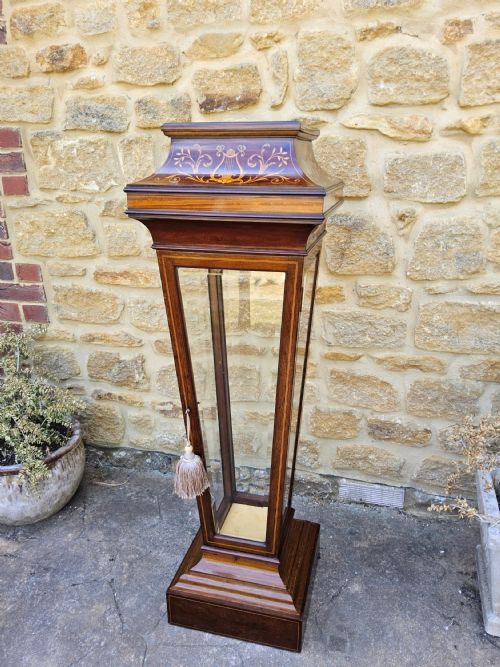
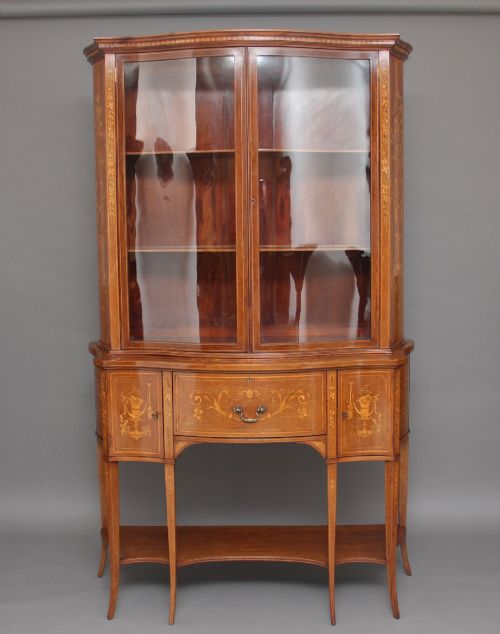
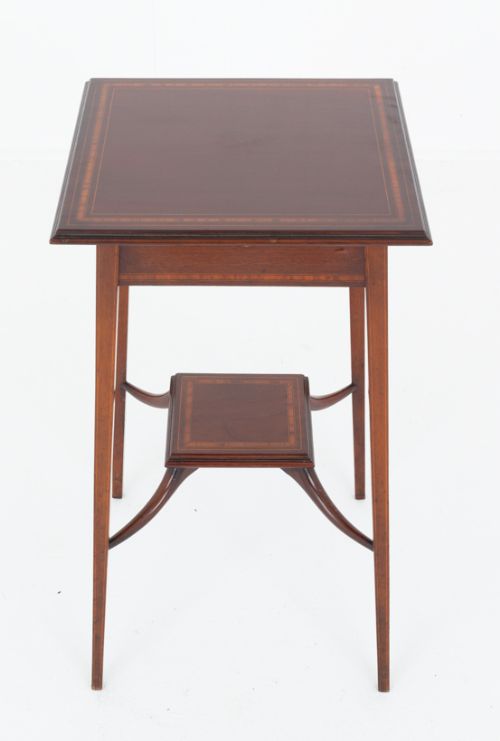
The assortment on this page includes tall candlesticks alongside pedestal cabinets, lamp tables, night stands, and etageres. While true taper stands specifically support candles or small lamps, the broader category includes slender occasional tables with tapering legs and compact display pieces. Cabinetmakers through the nineteenth and twentieth centuries adapted these forms using rich timbers and refined proportions to suit changing household needs.
Materials and construction methods
Makers relied on solid and veneered mahogany as the primary structural and visual medium, prized for its deep reddish-brown tone and durability. Workshops frequently incorporated contrasting timbers such as satinwood and boxwood for delicate stringing and inlaid details, adding geometric or floral motifs to table tops and cabinet doors.
Brass fittings appeared on hardware and mounts, particularly on pieces influenced by Regency and Louis XVI styles. Certain items also integrated glass panels for display cabinets or cane work for texture, demonstrating a variety of specialised joinery and decorative techniques.
Vintage Mahogany Taper Stands Retail Price Guide 2026
Typical asking prices for vintage mahogany taper stands among the pieces listed under this phrase on Sellingantiques today, from the lower quarter to the upper quarter. They describe what is for sale here now, not the wider market.
The listings span multiple eras, encompassing Georgian, Regency, Victorian, Edwardian, and Art Deco periods alongside twentieth-century revivals.
Assessing quality and craftsmanship
Quality in these pieces rests upon the selection of timber figures and the precision of the cabinetwork. Fine examples display carefully matched grain patterns and crisp, hand-cut inlay work that remains flush with the surrounding mahogany surface.
Proportion and structural integrity distinguish finer workshops from more utilitarian production. Pieces that maintain balance in their tapering supports and exhibit thoughtful detailing throughout demonstrate the higher standards of period construction.
The Vintage Mahogany Taper Stands Glossary
- Mahogany
- A durable tropical hardwood known for its rich reddish-brown colour and fine grain, widely used in quality furniture making. It accepts a high polish and provides a stable base for fine veneers and inlays.
- Inlay
- A decorative technique where pieces of contrasting wood, such as satinwood or boxwood, are set into the surface of the primary mahogany to create patterns. This method enhances the visual depth of table tops and cabinet fronts.
- Etagere
- An open shelving unit designed for displaying small objects or books, often featuring slender upright supports. These multi-tiered stands combine utility with decorative elegance.
- Pedestal
- A single central support or column holding up a table top, cabinet, or candlestick. This architectural feature allows for compact floor footprints while maintaining stability.
- Regency
- A British design period spanning the early nineteenth century, characterised by classical restraint and refined proportions. Furniture from this era often incorporates subtle brass details and clean structural lines.
Vintage Mahogany Taper Stands: Frequently Asked Questions
What is a taper stand?
A taper stand is a tall, slender piece of furniture originally designed to hold a candle or taper for lighting a room. Over time, the form evolved to accommodate small lamps or decorative objects while maintaining a compact footprint.
These versatile items fit easily into corners, beside seating, or in hallways where floor space is limited. Their height places light or displays at a convenient level.
How do I date a mahogany piece?
Dating mahogany furniture involves examining construction techniques, hardware, and stylistic details associated with specific periods like Georgian, Regency, or Edwardian. Hand-cut joinery and aged timber patination often indicate earlier manufacturing dates.
Stylistic cues such as Sheraton Revival inlay or Art Deco geometric forms help narrow down the era of production. Comparing the piece to documented examples from the same period provides further clarity.
Where should I place a lamp table?
Lamp tables suit living rooms, studies, and bedrooms as convenient surfaces for reading lights and small personal items. Their compact dimensions allow them to sit snugly beside armchairs or sofas.
Placing them away from direct heat sources and strong sunlight helps preserve the polished mahogany finish. Regular dusting and occasional waxing maintain the timber's natural lustre.
What is Sheraton Revival style?
Sheraton Revival is a late nineteenth and early twentieth-century design movement inspired by the late eighteenth-century furniture of Thomas Sheraton. It favors graceful proportions, satinwood inlays, and classical neoclassical motifs.
Pieces from this revival period combine older aesthetic traditions with contemporary manufacturing techniques. They offer the elegance of Georgian designs within an Edwardian or later context.