



Traditional Mahogany Candlesticks
Traditional mahogany candlesticks bring warm timber grain and classic form to a tabletop, offering a rich alternative to common metal holders.
Traditional Mahogany Candlesticks
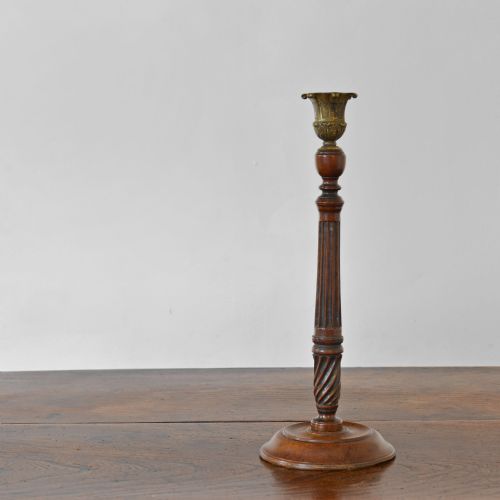
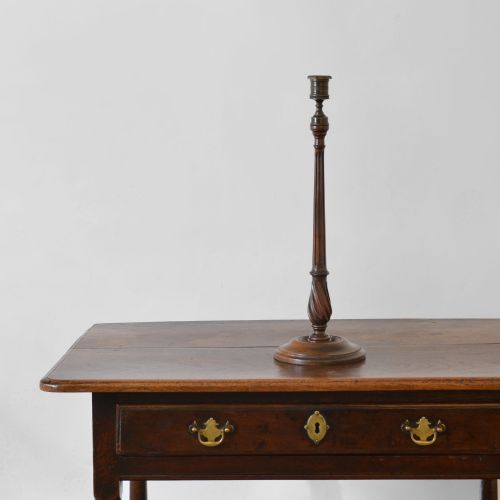
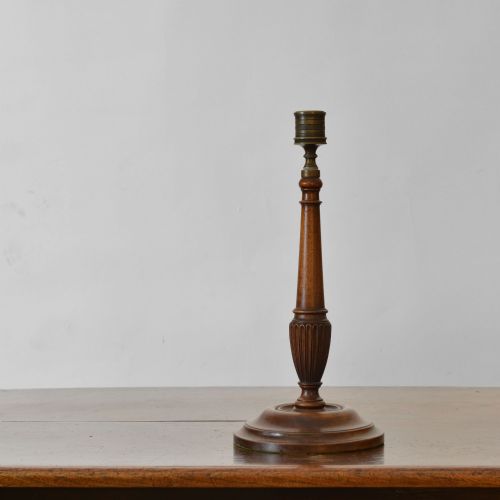
Traditional mahogany candlesticks combine deep timber bodies with functional metal hardware to hold taper candles. These turned wood items appear across several eras, notably the Georgian and Victorian periods, alongside later twentieth century interpretations.
Most examples found here take the form of paired table objects, frequently featuring brass sconces at the top to protect the wood. Some pieces follow specific historical aesthetics, such as Louis XVI style or George III style designs, utilising turned timber construction.
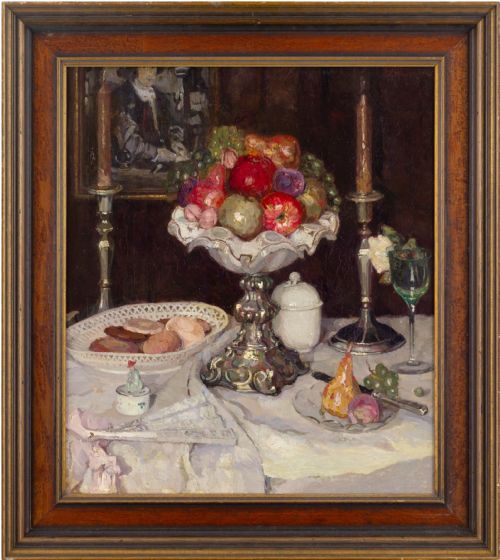
Buyers also encounter related depictions within period oil paintings, showing these objects arranged in still life scenes. The core focus remains on solid timber craftsmanship, spanning single candlesticks and matched pairs alike.
How they were made
Makers shaped the timber using woodturning techniques on a lathe, producing slender stems and rounded bases from solid mahogany. This method creates symmetrical profiles that highlight the natural grain of the wood.
Metal components such as brass sconces were fitted securely to the upper sections to receive the heat and wax of burning candles. The combination of turned timber and fitted metal forms the structural basis of these items.
Traditional Mahogany Candlesticks Retail Price Guide 2026
Typical asking prices for traditional mahogany candlesticks among the pieces listed under this phrase on Sellingantiques today, from the lower quarter to the upper quarter. They describe what is for sale here now, not the wider market.
Listings span multiple eras from the eighteenth century through to nineteen thirty, incorporating both turned wood objects and oil paintings.
What varies in quality
Quality rests in the precision of the woodturning and the richness of the timber grain visible across the surface. Items with well proportioned stems and harmonious pairing demonstrate superior workshop execution.
The integration of fitted brass elements and the overall structural integrity of the turned wood define the upper tier of these pieces. Proportion and balance separate standard utility items from more refined examples.
The Traditional Mahogany Candlesticks Glossary
- Mahogany
- A durable tropical timber known for its deep reddish brown colour and smooth grain. It provides a heavy and stable base for lighting accessories.
- Sconce
- The metal cup or nozzle fitted to the top of a candlestick to catch melting wax. Brass is the standard material used for this protective component.
- Turned wood
- Timber shaped on a rotating lathe to create circular profiles, columns, and decorative rings. This technique defines the silhouette of traditional candlesticks.
- Georgian
- A historical period spanning the eighteenth and early nineteenth centuries, associated with classical proportions and fine cabinetmaking. Pieces from this era often display restrained ornamentation.
- Louis XVI style
- A neoclassical aesthetic characterised by straight lines, symmetry, and restrained classical motifs. Items in this style reflect French decorative traditions adapted in later periods.
Traditional Mahogany Candlesticks: Frequently Asked Questions
What periods do these candlesticks come from?
The selection includes pieces spanning the eighteenth, nineteenth, and early twentieth centuries. You will find specific Georgian examples alongside Edwardian and Victorian interpretations.
Later items from the nineteen-twenties and nineteen-thirties also appear, alongside period oil paintings depicting similar candlesticks in still life settings.
Are they sold as pairs?
Many of the listings feature matched pairs of candlesticks designed for balanced mantelpiece or dining table placement. Single examples also occur within the available selection.
Buyers should examine individual titles to confirm whether an item is offered alone or alongside a matching companion.
How do I identify George III style pieces?
George III style items draw inspiration from the eighteenth century aesthetic, prioritising classical turned forms and rich timber surfaces. They reflect the proportions and craftsmanship associated with that earlier era.
Makers often paired the mahogany turned bodies with secure brass sconces to complete the traditional silhouette.