
Vintage Mahogany Rack
A vintage mahogany rack organises the hallway or library, bringing timber warmth and practical storage to daily life.
Vintage Mahogany Rack
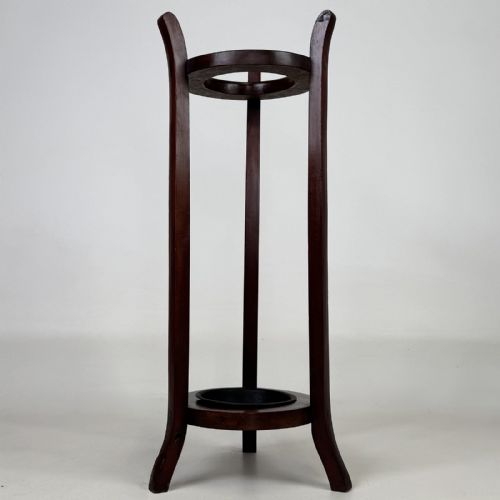
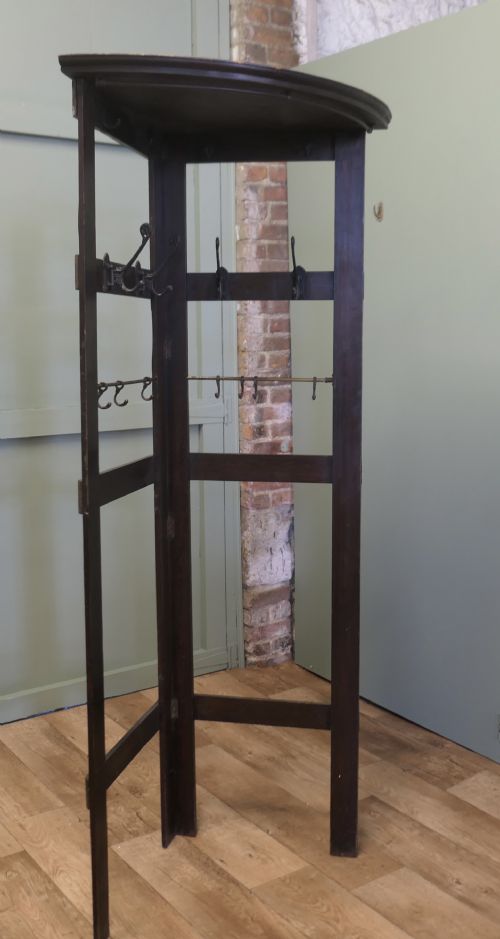
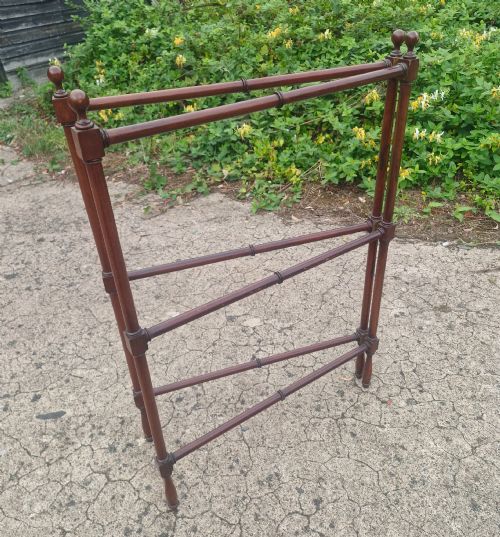
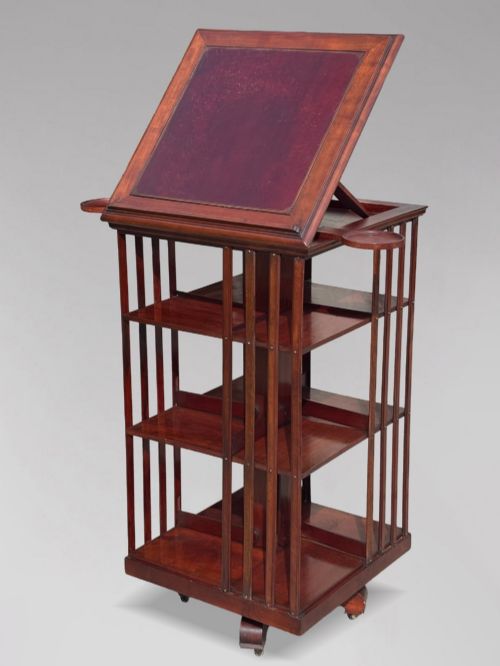
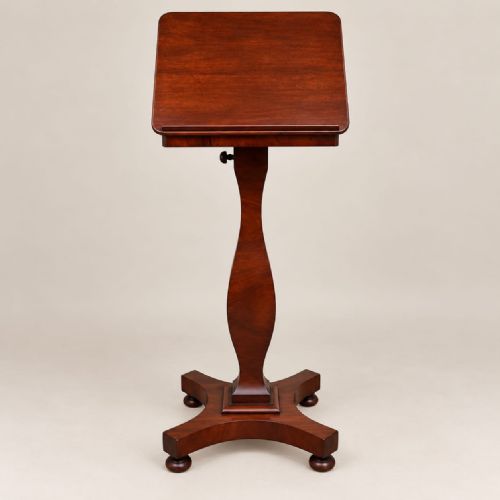
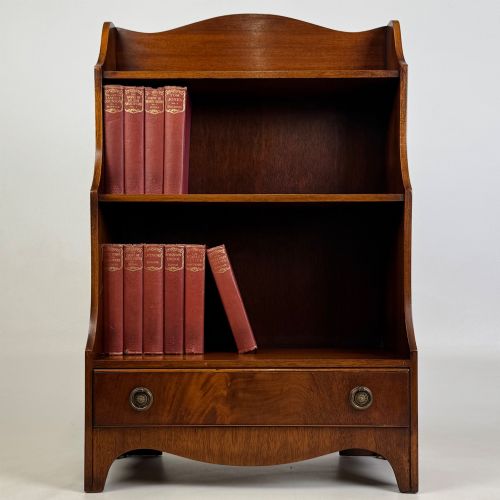
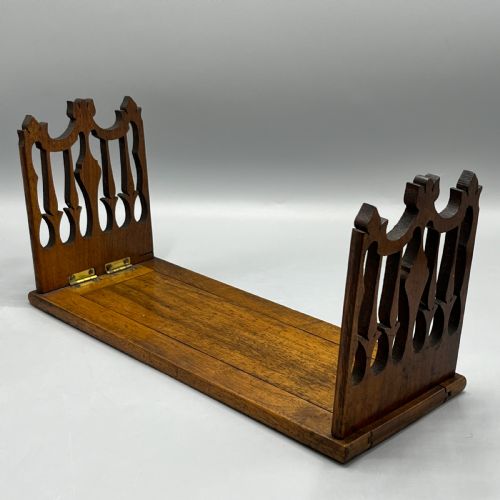
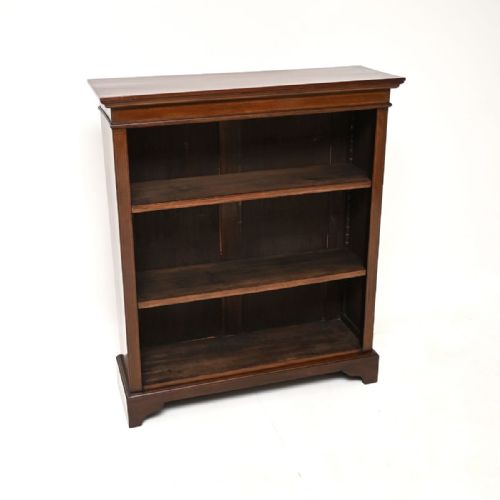
A vintage mahogany rack encompasses items designed for holding books, towels, coats, magazines, and boots within the home. These domestic furnishings span periods from the Georgian era through to the Edwardian period and the early twentieth century.
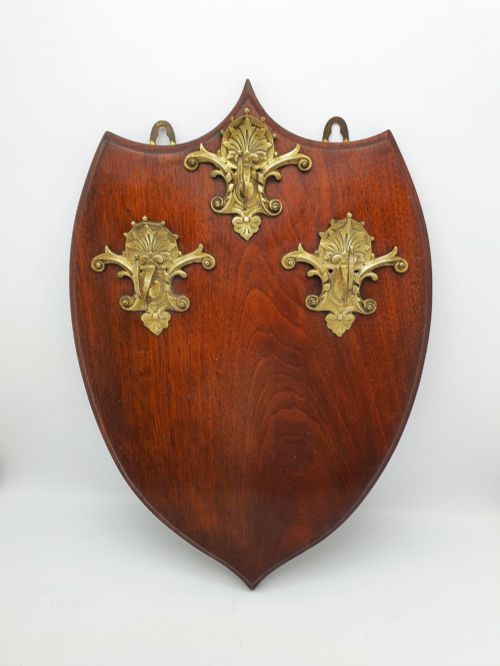
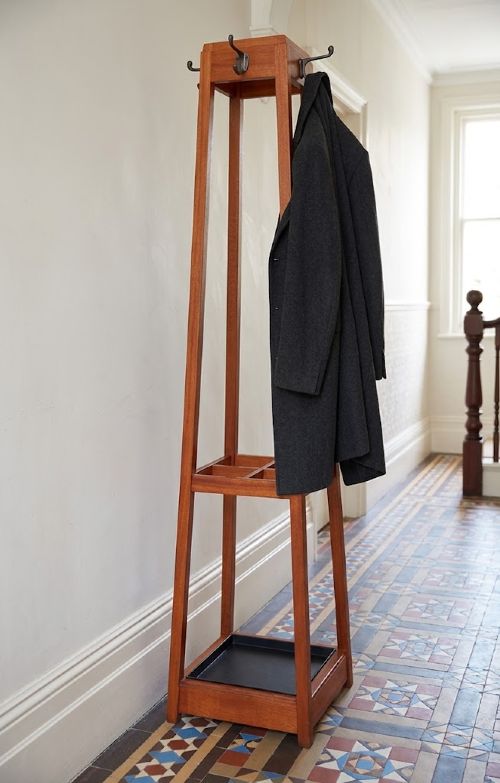
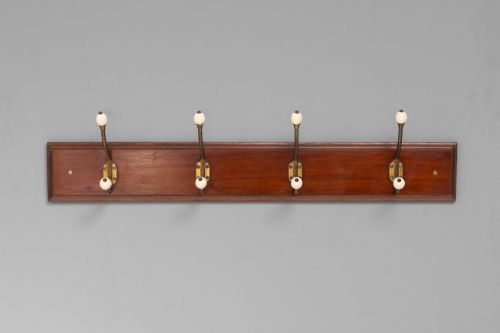
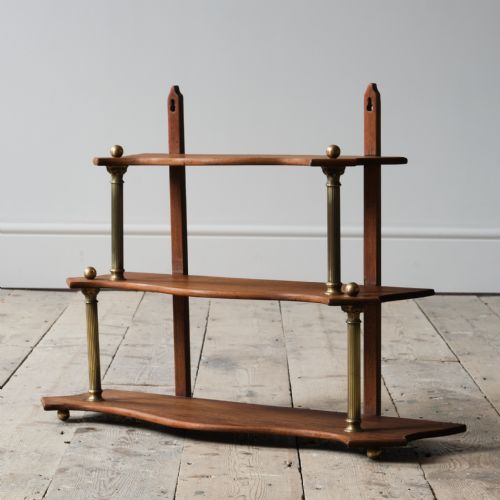
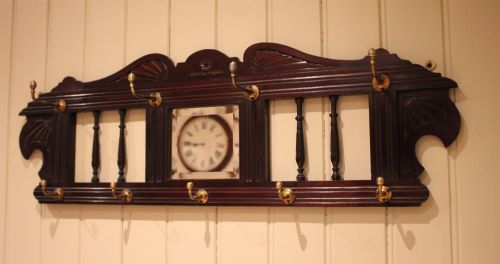
Buyers encounter freestanding pieces like hall stands and magazine tidies alongside wall-mounted shelving and hanging coat hooks. Each functional form reflects the domestic storage needs of its respective period.
Materials and Construction
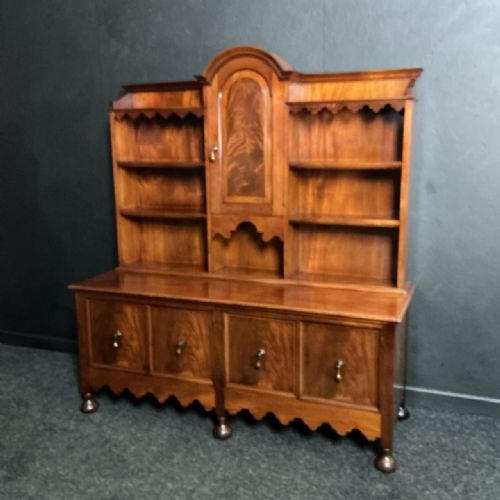
Makers utilised solid mahogany and mahogany veneers as the primary timber, often combining the wood with brass, ceramic, iron, and glass elements. Brass brackets, ceramic hooks, and glass details appear alongside secondary timbers like oak.
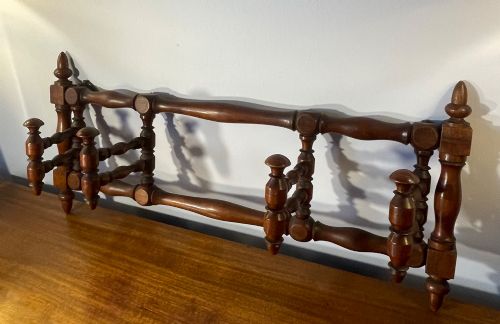
Joinery techniques varied from traditional cabinet making on bookcases and canterburys to sturdy framing on luggage stands and towel rails. Inlaid decoration and turned elements surface on Edwardian and Victorian pieces.
Listings span the eighteenth, nineteenth, and early twentieth centuries, incorporating Georgian, Regency, Victorian, and Edwardian styles alongside Arts and Crafts designs.
Distinguishing Quality in Mahogany Racks
The refinement of the timber grain and the crispness of turned or carved details separate standard examples from finer pieces. Superior items display well-figured mahogany and careful proportion across shelves, divisions, and framework.
Original hardware such as brass hooks, rods, or castors contributes to the integrity of a piece. The integration of secondary materials like ceramic or glass components also influences the character of the rack.
The Vintage Mahogany Rack Glossary
- Canterbury
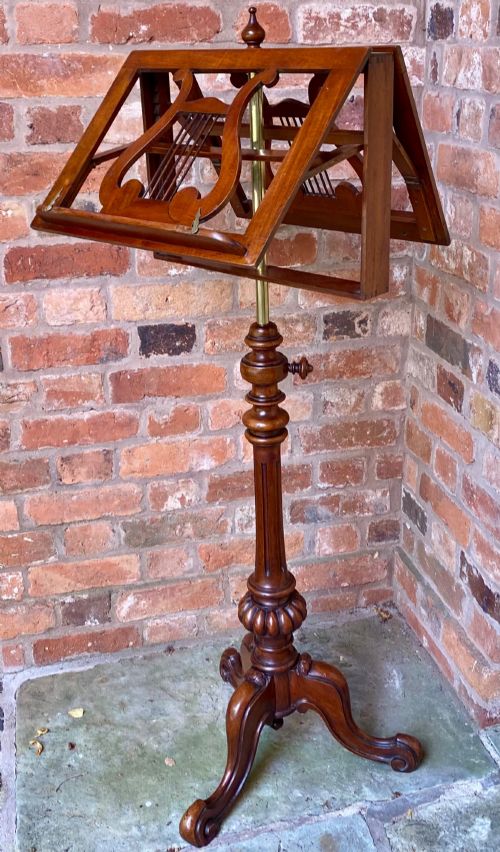
- A low multi-tiered stand originally intended for sheet music or books, frequently fitted with slatted divisions and a drawer below. These items doubled as magazine tidies and side tables.
- Whatnot
- An open set of freestanding shelves used for displaying or storing small objects, popular during the Regency and Victorian periods. They typically feature multiple tiers supported by slender columns.
- Hall Stand
- A substantial piece placed in an entryway, combining coat hooks, umbrella wells, and sometimes a mirror or small bench. They accommodated outdoor garments and accessories.
- Luggage Stand
- A low folding or rigid rack designed to hold travel bags at a convenient height, often constructed with folding legs and webbing or wooden slats.
- Inlay
- The technique of inserting contrasting pieces of wood or other materials into depressions in the mahogany surface to create decorative patterns, common in Edwardian pieces.
Vintage Mahogany Rack: Frequently Asked Questions
What is a canterbury used for?
A canterbury serves as a partitioned stand for holding books, sheet music, or magazines within a living space or study. Many examples also include a small drawer at the base for smaller items.
Historically placed beside seating areas, these stands keep reading materials organised and accessible while adding a decorative timber element to the room.
How do I date a mahogany rack?
Dating relies on observing stylistic details, construction methods, and hardware associated with specific periods like the Regency, Victorian, or Edwardian eras. Finer inlaid decoration often points towards the Edwardian period, whilst simpler turned members may suggest earlier nineteenth-century manufacture.
Comparing the primary mahogany timber and secondary woods like oak provides further clues to the manufacturing date of the piece.
Where should I place a wall rack?
Wall racks and hanging shelves suit hallways, kitchens, or studies where floor space is limited and vertical storage is required. They hold coats, hats, books, or decorative plates safely above foot traffic.
Ensure the wall fixings match the weight of the mahogany structure and the items you intend to place upon it.
Are these racks suitable for modern homes?
These versatile pieces adapt well to contemporary interiors, offering practical storage solutions for towels, boots, coats, and magazines. Their traditional timber tones complement both modern minimalist and classic room schemes.
Freestanding luggage stands and towel rails require no installation, making them easy to move between rooms as needed.