
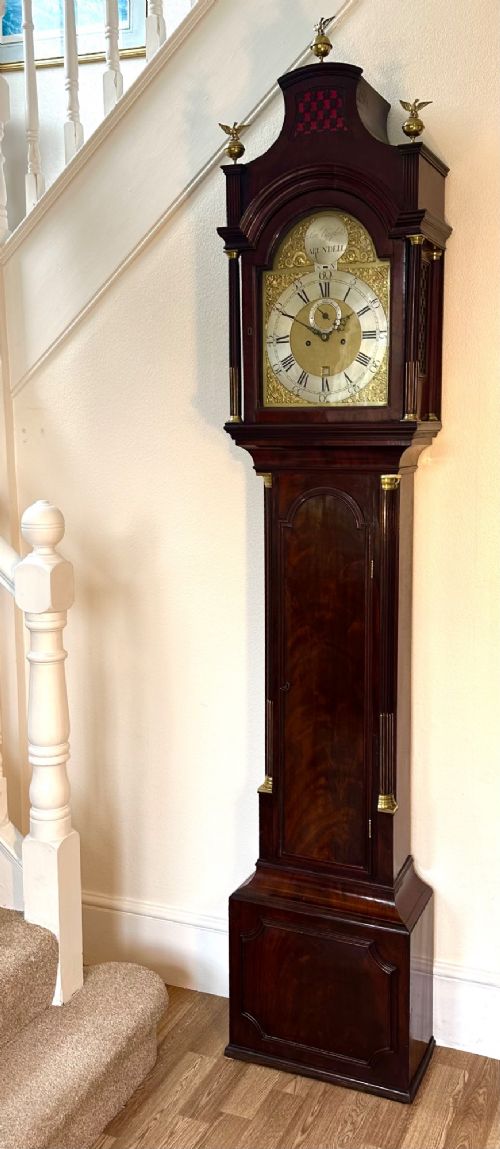
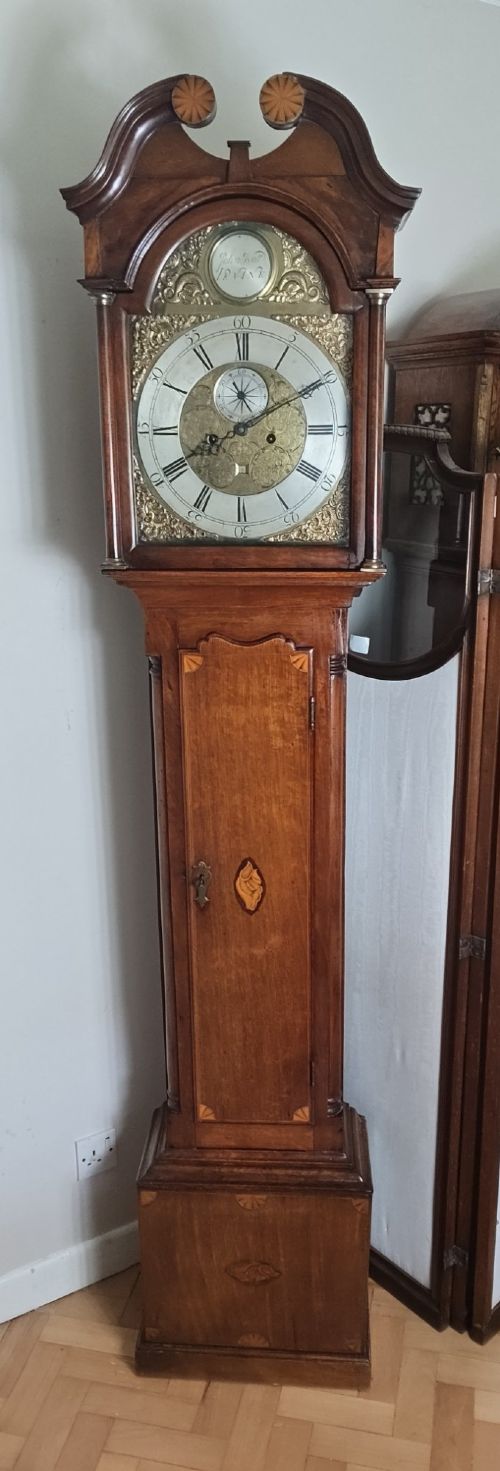
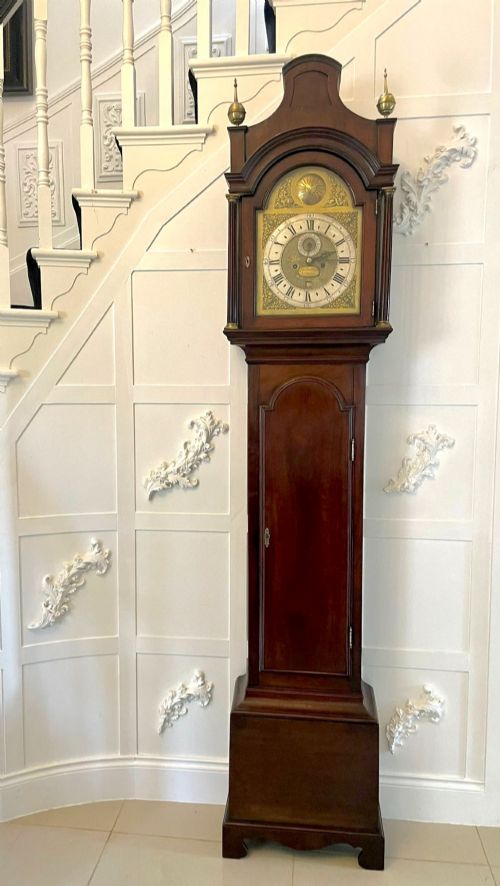
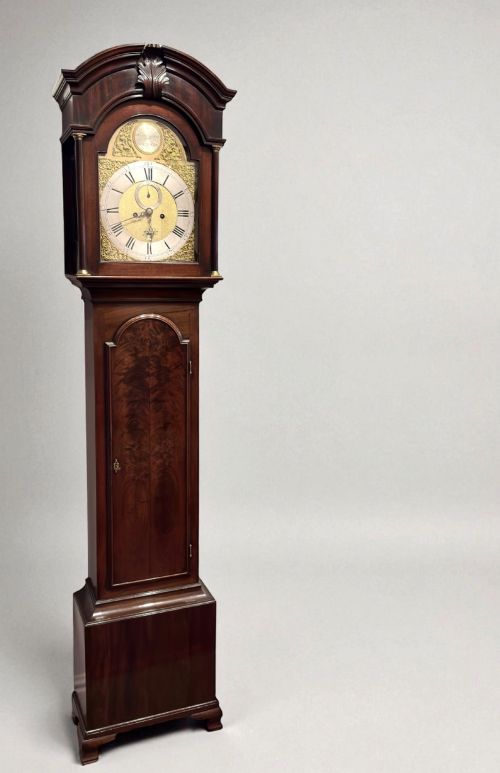
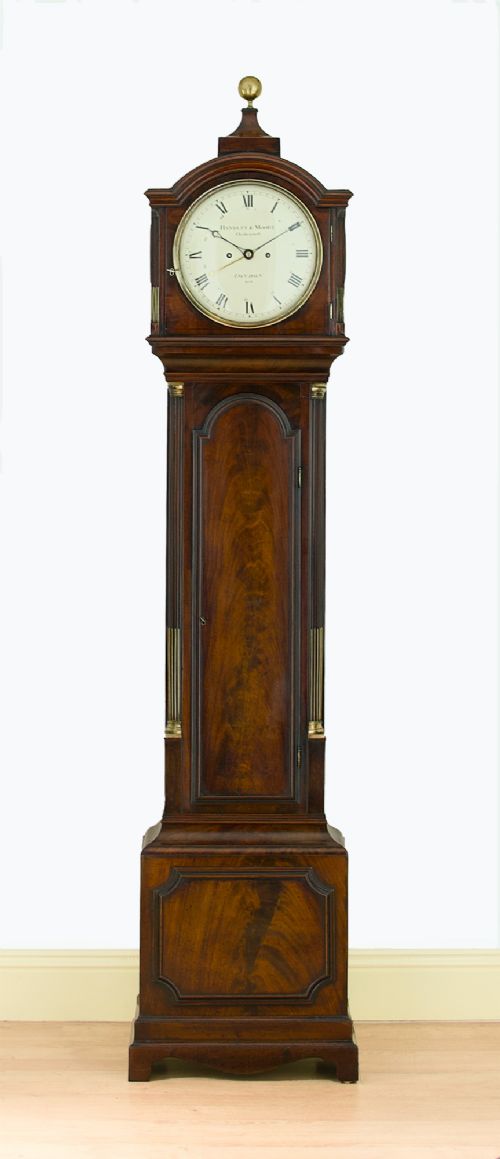
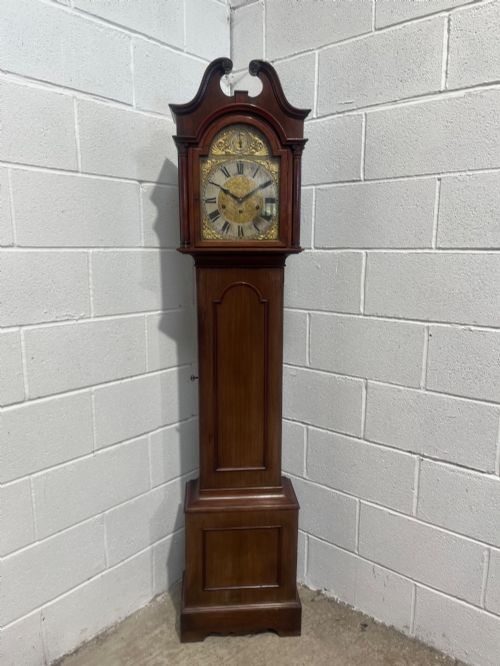
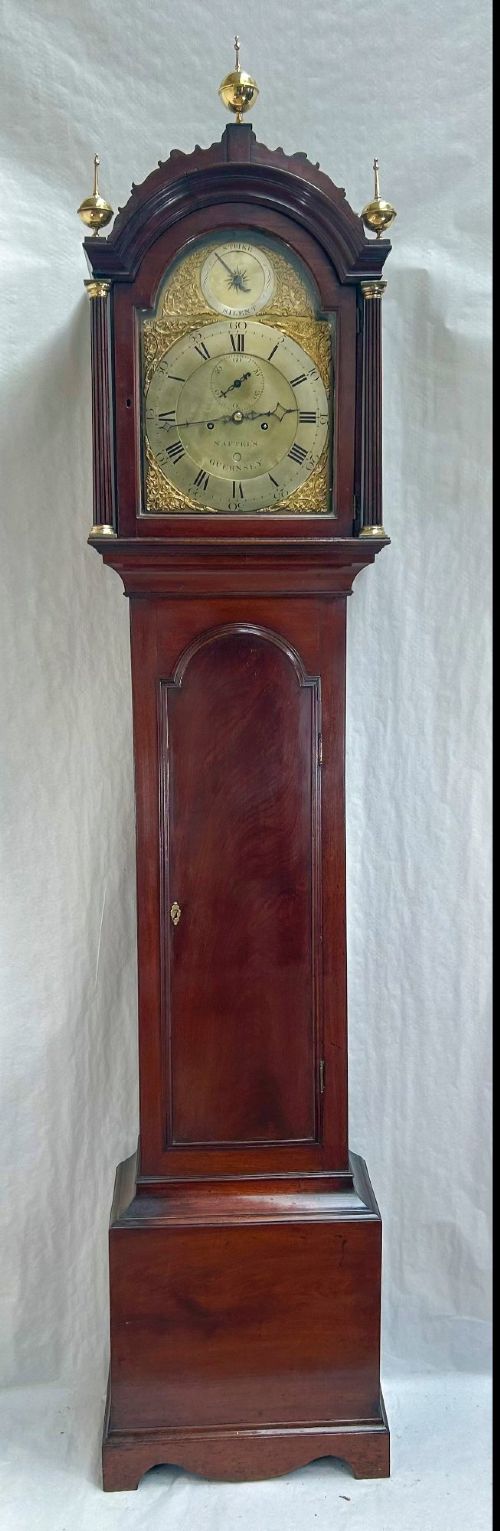
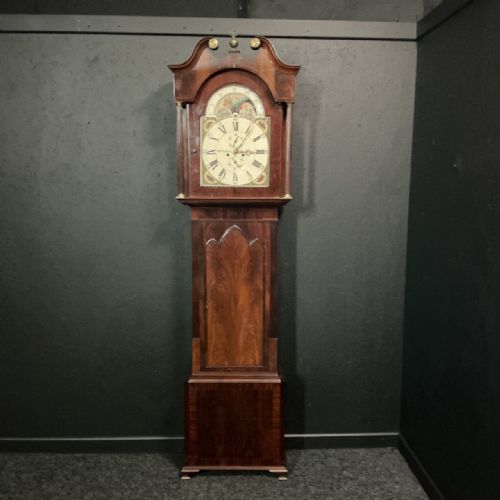
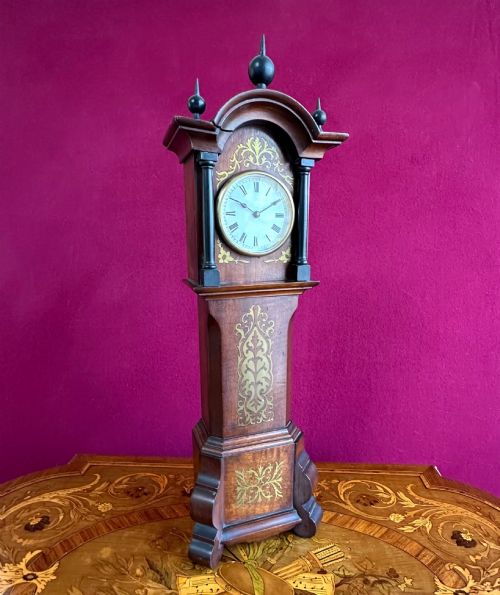
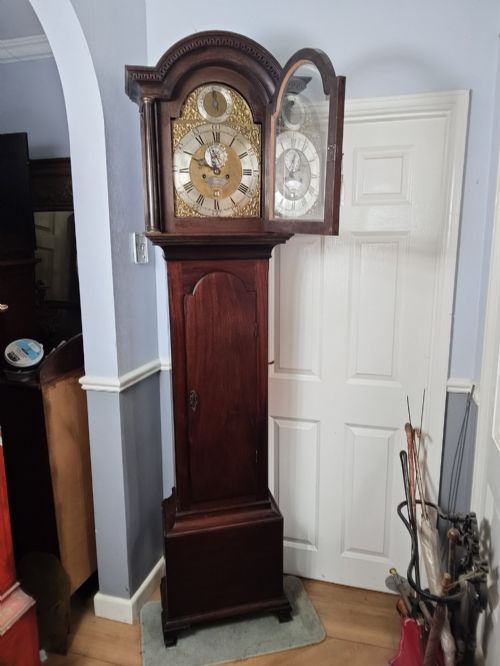
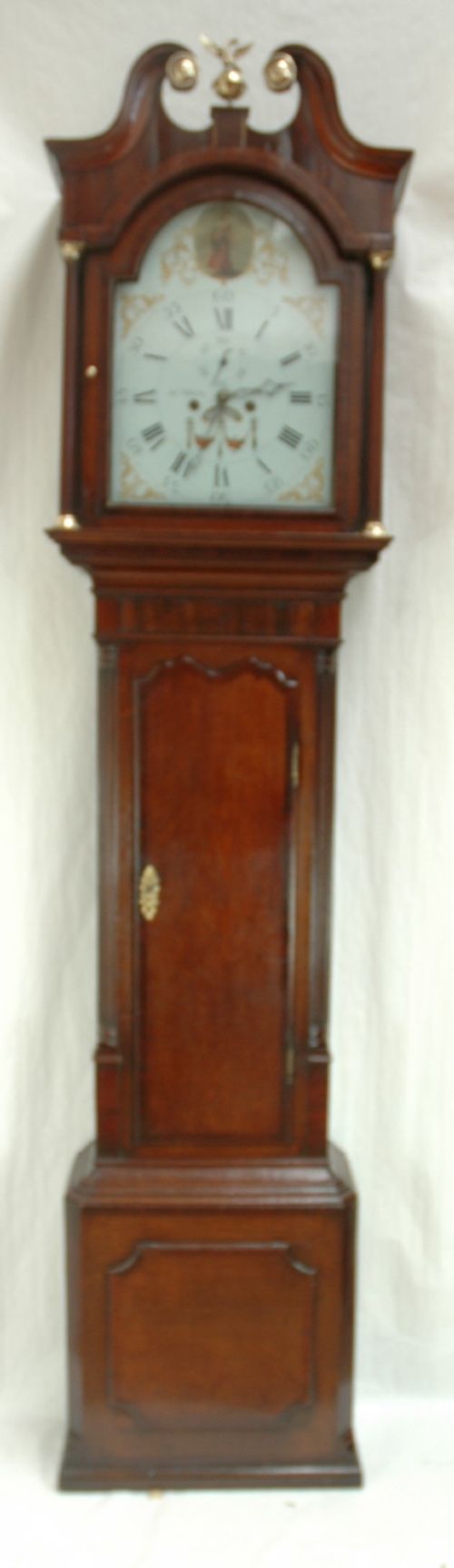
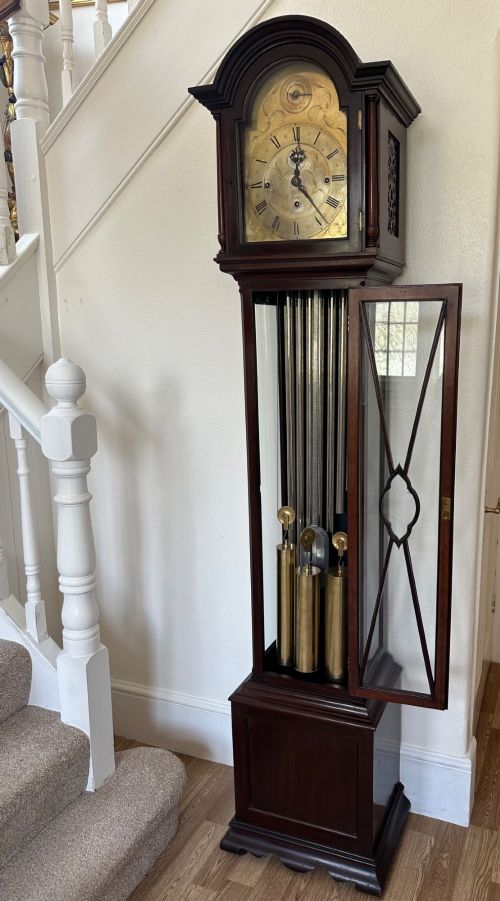
Vintage Mahogany Longcase Clock
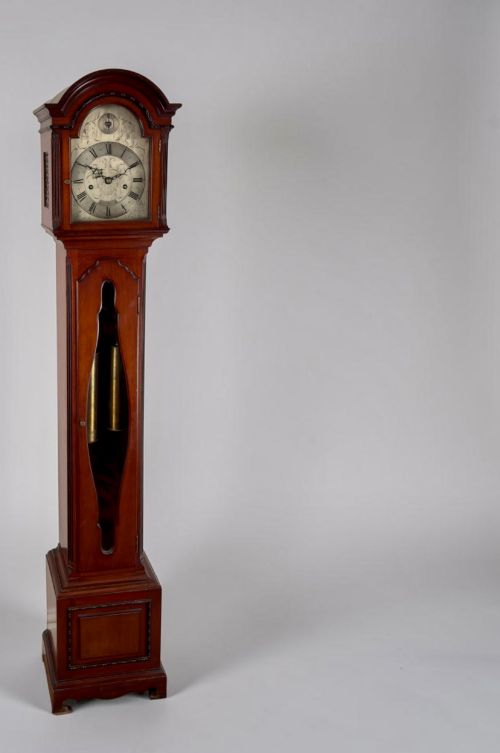
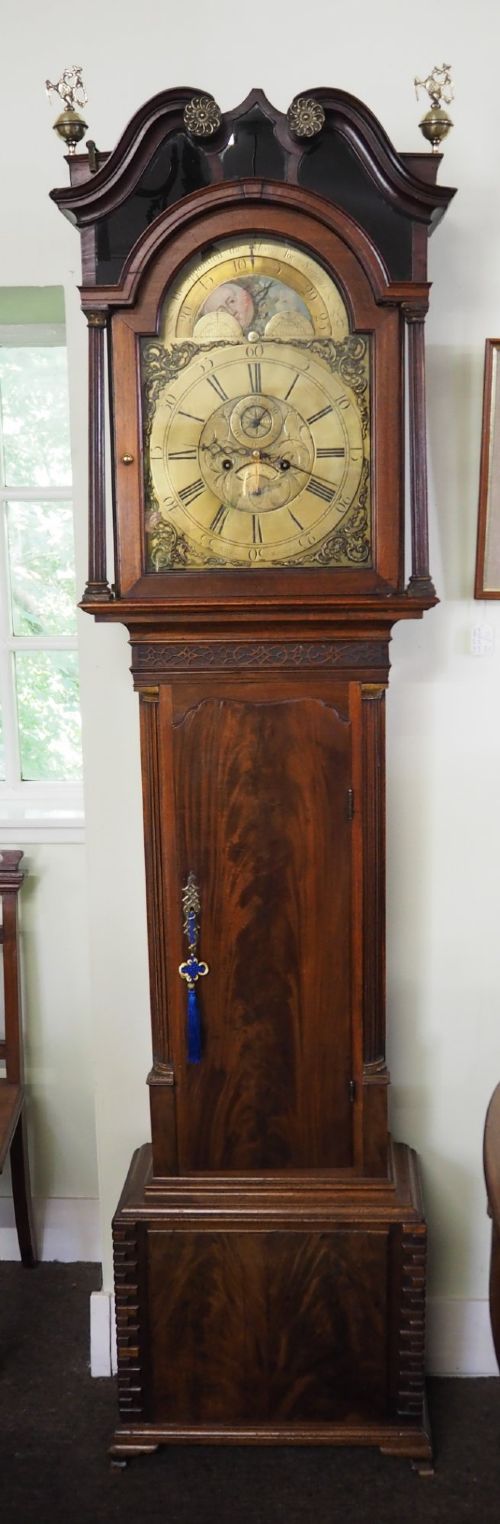
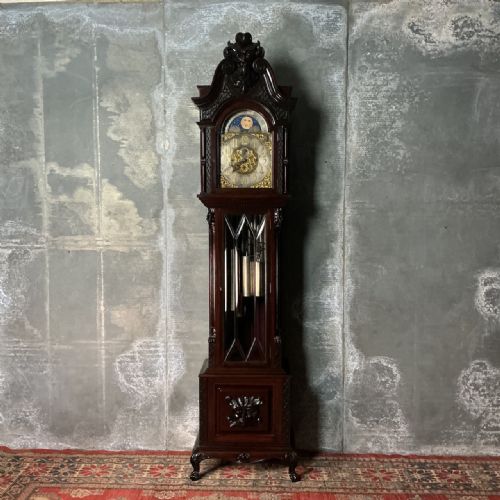
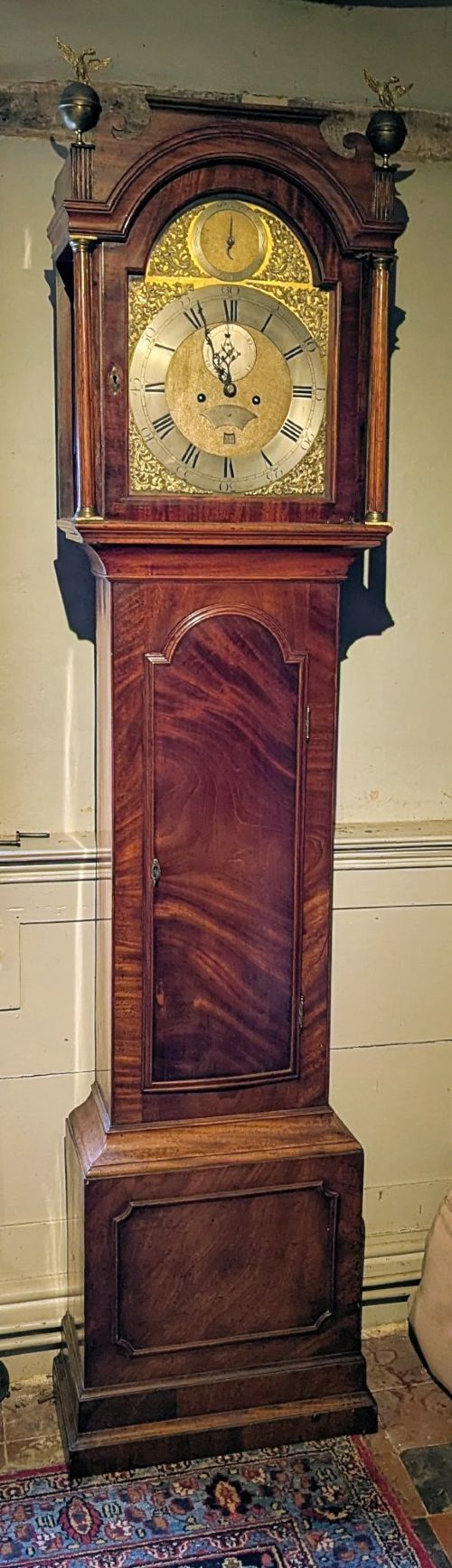
A vintage mahogany longcase clock stands as a monumental centrepiece, combining precise mechanical timekeeping with cabinet-maker art.
Vintage Mahogany Longcase Clock
A vintage mahogany longcase clock is a tall floor-standing timepiece housing a weight-driven or spring-driven movement within a timber case. When searching for a vintage mahogany longcase clock, buyers encounter examples spanning from the Georgian and Regency periods through to the Edwardian era and mid-twentieth century.
The selection ranges from full-scale eight-day grandfather clocks down to smaller grandmother and granddaughter variants, alongside regional Scottish and English expressions. Most pieces utilise mahogany or flame mahogany, frequently detailed with brass dials, glass hoods, and inlaid satinwood.
Makers recorded in the evidence demonstrate regional workshops across London, Manchester, Aberdeen, Doncaster, and Canterbury. These tall clocks serve simultaneously as functional horological instruments and substantial architectural furniture for hallways and living spaces.
How They Were Made
Cabinet makers constructed the tall wooden housings primarily using solid mahogany, oak, and flame mahogany veneers, sometimes incorporating satinwood stringing and marquetry inlay. Glass panels protect the dial face within the hood, while brass and steel form the intricate internal gear trains, dials, and pendulum suspensions.
Movements range from traditional eight-day weight-driven mechanisms to three-train chime setups, musical tubular bell systems, and strike-silent configurations. Dials combine engraved brass, silvered chapter rings, enamel, and hand-painted moon phases executed by regional horologists.
The listings feature mahogany, oak, brass, glass, steel, and enamel across Georgian, Victorian, and Edwardian periods.
What Varies in Quality
Quality in a longcase clock rests in the marriage between the cabinet-maker's joinery and the horologist's mechanical execution. Superior examples display figured flame mahogany with precise marquetry, whereas lesser pieces utilise simpler timber grains and plainer casework.
The sophistication of the internal movement dictates distinction, moving from standard time-and-strike setups up to quarter-chiming, musical, and moon-phase complications signed by notable makers. Preserved original brass dials and signed movements elevate a clock far above standard regional output.
Charles Shuckburgh·Gordon of Aberdeen·Gillett and Johnston·Handley and Moore·Wotton Under Edge·George Hallifax·Mclennan London·Edward Shepley·Charles Dowsett·John Denbigh·William Moon·E.J. Goodfellow
The Vintage Mahogany Longcase Clock Glossary
- Longcase clock
- A tall pendulum clock enclosed in a wooden case resting on the floor. These instruments are frequently referred to as grandfather clocks.
- Grandmother clock
- A smaller, more slender version of the traditional longcase clock, usually produced during the Edwardian period or later.
- Chapter ring
- The metal ring on a clock face that bears the hour numerals. It is often silvered or engraved.
- Moon phase
- A dial mechanism tracking the lunar cycle across a painted revolving disc. This feature appears on higher-grade regional clocks.
- Eight day
- A clock movement requiring winding once a week. This duration represents a standard benchmark of domestic horological convenience.
Vintage Mahogany Longcase Clock: Frequently Asked Questions
How do I wind a longcase clock?
Winding involves using a key or pulling the cords to raise the internal weights or tension the springs depending on the movement type.
Care must be taken not to overwind the mechanism, ensuring the weights reach their correct operating height without straining the gut lines.
What is the difference between a grandfather and grandmother clock?
Grandfather clocks are the standard full-height floor clocks standing over six feet tall, housing substantial eight-day weight-driven movements.
Grandmother clocks are significantly smaller and narrower versions produced later, often utilising compact spring-driven movements suited to lower ceilings.
Where should I place a longcase clock?
These clocks require a stable, dry interior location against a solid wall to prevent floor vibrations from disrupting the pendulum swing.
Placing the tall wooden case away from direct sunlight and heat sources protects the mahogany veneer and internal wood seasoning.
How do I identify a Georgian longcase clock?
Georgian examples are identified by architectural mahogany or oak cases, arched brass or painted iron dials, and weight-driven movements signed by period makers.
Stylistic cues include classical proportions, column-detailing on the hood, and signature engraving on the brass chapter rings.