



Vintage Mahogany Lamp Stand
A vintage mahogany lamp stand brings warmth and functional surface space to a room, drawing on centuries of cabinet-making tradition.
Vintage Mahogany Lamp Stand
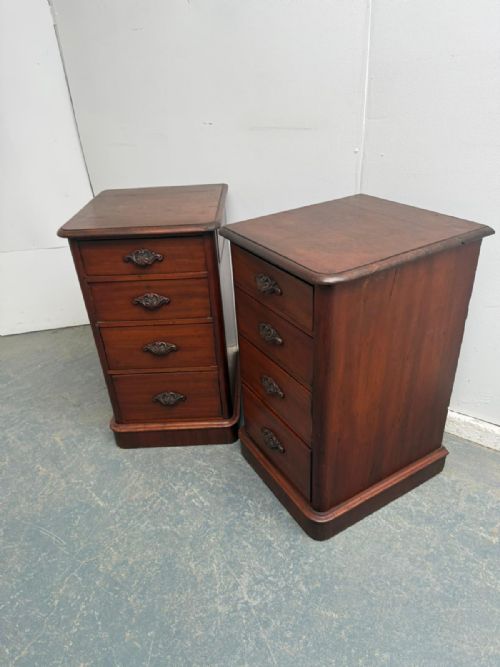
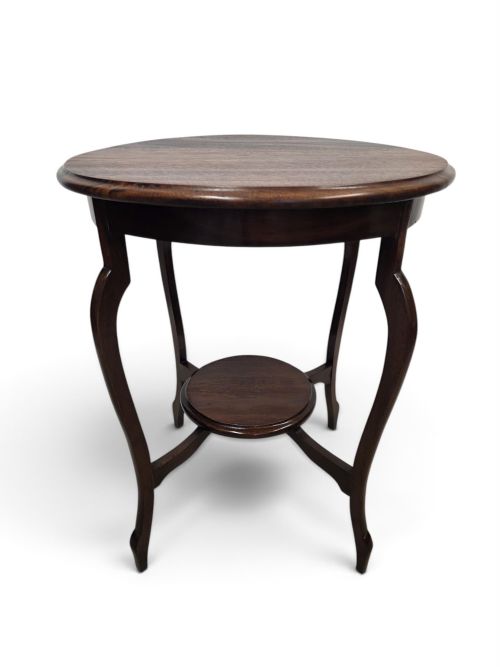
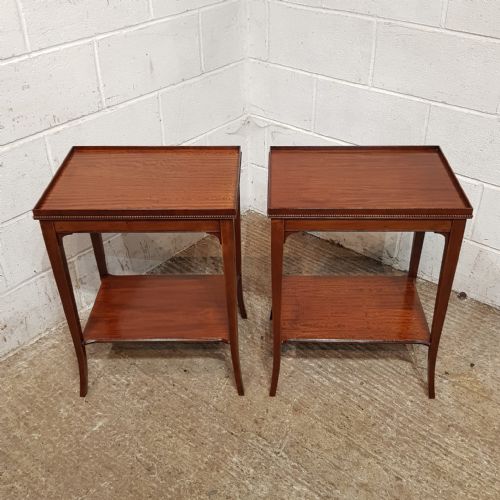
When you search for a vintage mahogany lamp stand, you encounter pieces that served various domestic functions, from small occasional tables to tall floor lamps and bedside cabinets.
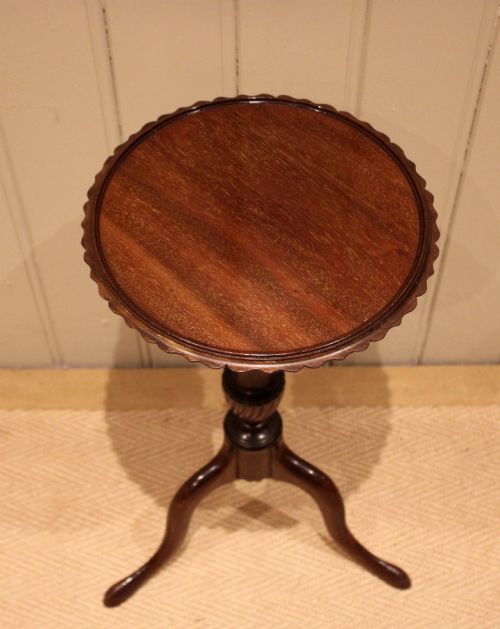
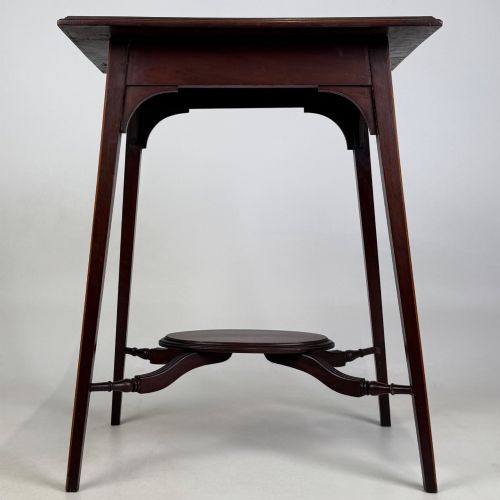
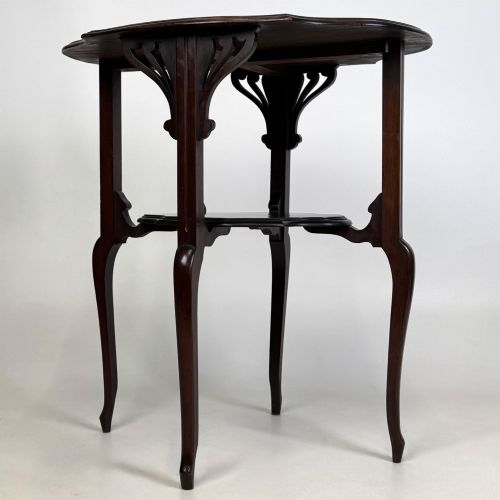
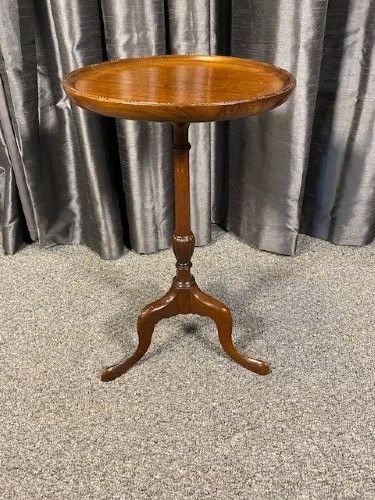
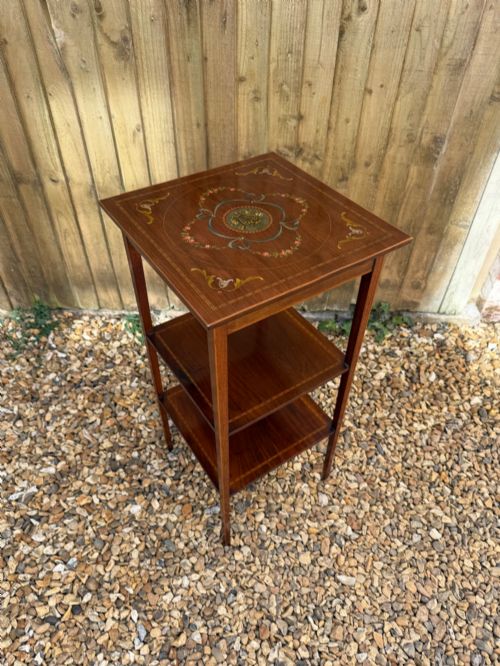
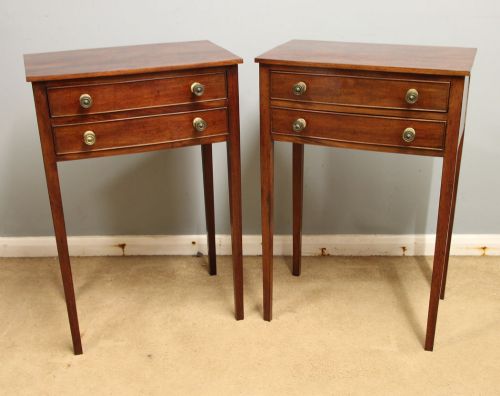
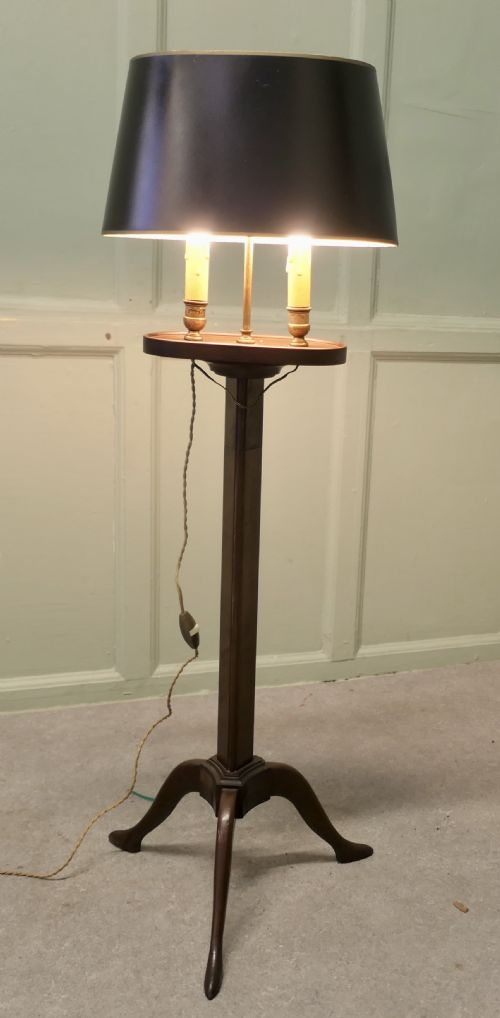
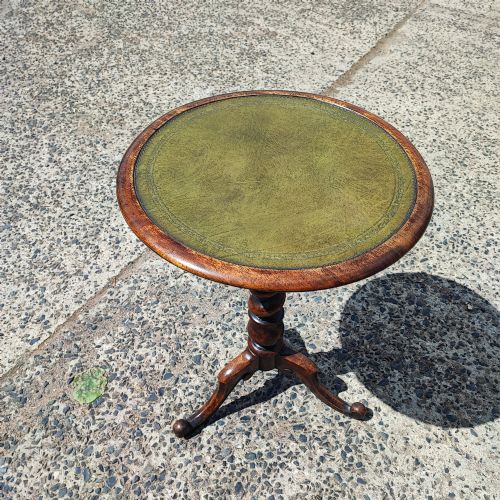
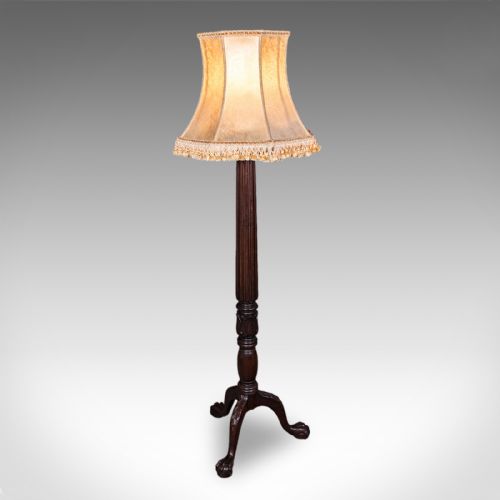
The selections on this page lean heavily toward Edwardian and nineteenth-century forms, including tripod wine tables, side tables, and pedestal torcheres.
Many of these items double as lamp tables or wine tables, reflecting how nineteenth and early twentieth-century makers designed furniture to accommodate modern lighting and social habits.
Materials and construction methods
Mahogany forms the primary structure of these stands, frequently selected for its grain and stability, and occasionally enhanced with satinwood or boxwood inlay.
Craftsmen utilised brass, bronze, and silver-plated metal for mounts, candle arms, and figural statues, while fabric often completed floor lamp shades.
Turned pedestals, tripod legs, and carved details define the structural execution across Georgian, Victorian, and Edwardian examples.
Several stands double as reception greeter stations, proving that even eighteenth-century timber occasionally enjoyed a hospitality career.
Distinctions in craftsmanship
The standard of a piece rests on the crispness of its carving, the depth of the mahogany grain, and the fidelity of revival styles to earlier periods.
Signatures or stamps from established London firms elevate a piece, distinguishing workshop production from standard commercial output of the period.
The integration of secondary timbers, precise boxwood or satinwood inlay work, and original brass fittings indicate higher levels of original patronage.
Druce & Co London·Shapland and Petter·Waring & Gillow·WMF
The Vintage Mahogany Lamp Stand Glossary
- Tripod table
- A small circular table supported by three pillar legs radiating from a central column. This form became common in Georgian dining rooms and parlours.
- Torchere
- A tall ornamental stand designed to hold a lamp or candle. These pieces often feature slender columns and weighted bases.
- Wine table
- A compact occasional table intended for holding glasses or bottles. They frequently appear with tilting tops or dish surfaces.
- Etagere
- A set of open shelves for displaying small objects. These pieces utilise tiered platforms supported by slender uprights.
- Inlay
- A technique where pieces of contrasting wood like boxwood or satinwood are fitted into recess depressions on the surface. This creates decorative geometric or floral patterns.
Vintage Mahogany Lamp Stand: Frequently Asked Questions
How do I identify a Georgian lamp stand?
Georgian pieces generally show heavier proportions, deep timber patination, and traditional joinery without twentieth-century alterations. Look for structural cues like pegged tenons and dense, dark mahogany.
Revival pieces from later eras often mimic these traits but can be distinguished by machine-cut elements or lighter secondary woods underneath.
What is the difference between a torchere and a floor lamp?
A torchere traditionally held a single candle or light atop a slender, decorative pedestal, often built for display rather than general illumination. Floor lamps emerged later to accommodate electric bulbs and heavier fabric shades.
Both serve similar spatial roles in a corner or beside seating, but torcheres tend to have more sculptural, architectural wooden shafts.
Can I use an antique wine table for a modern lamp?
Many wine tables possess the surface area and stability required to hold a small table lamp. Their original height suits placement beside low armchairs or sofas.
Ensure the weight of the lamp base matches the balance of the tripod or pedestal base to prevent tipping.
How do I care for polished mahogany surfaces?
Mahogany responds best to occasional applications of beeswax and gentle dusting with a soft cloth. Avoid placing these stands in direct sunlight or near heat sources to prevent the timber from splitting.
Regular polishing maintains the natural sheen developed over decades of use.