

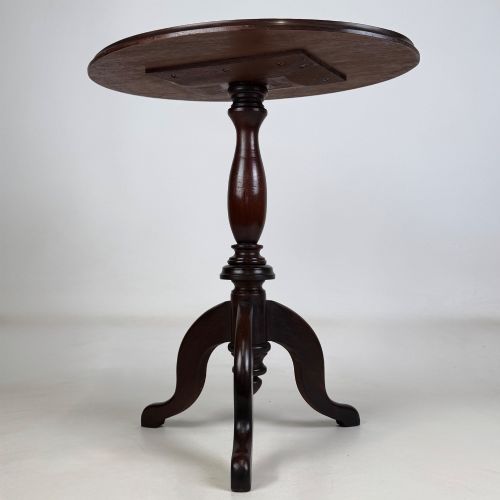
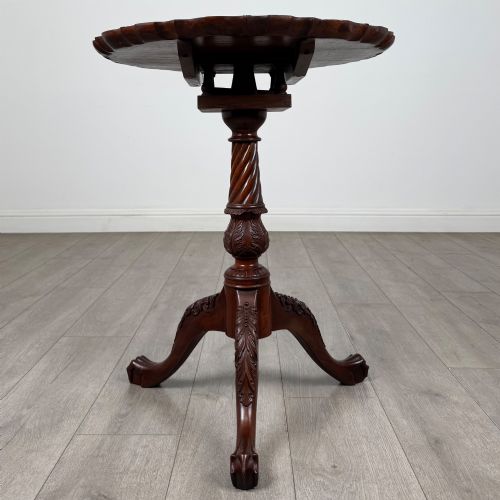
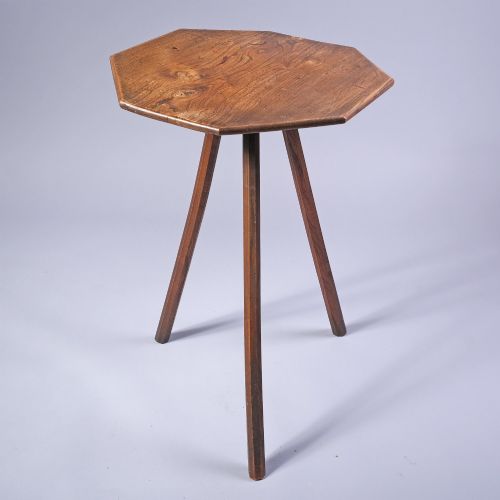

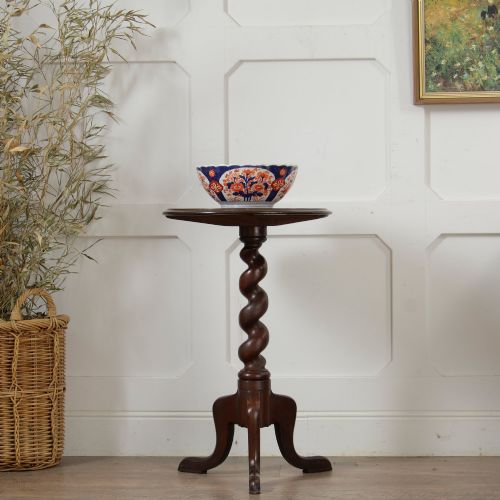
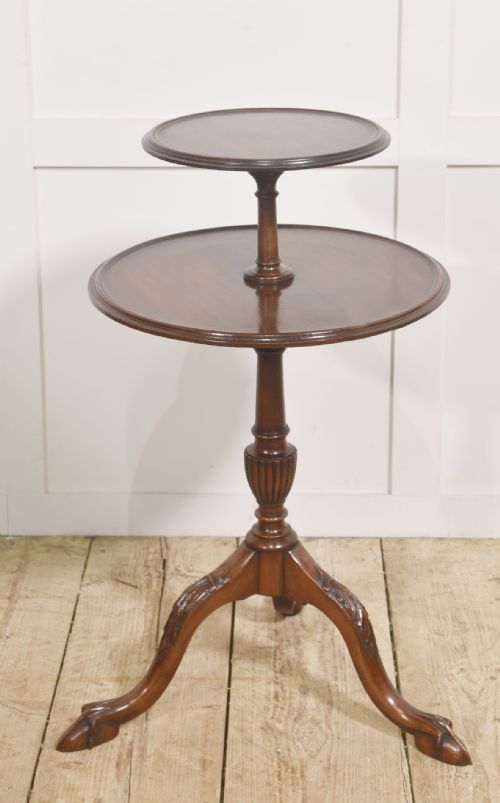


Traditional Wooden Tripod Table
A traditional wooden tripod table offers a compact surface raised on three legs, prized for its agility in a room.
Traditional Wooden Tripod Table
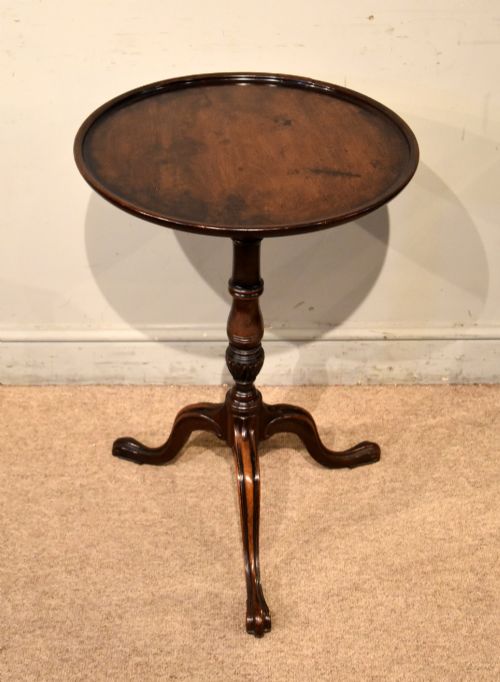
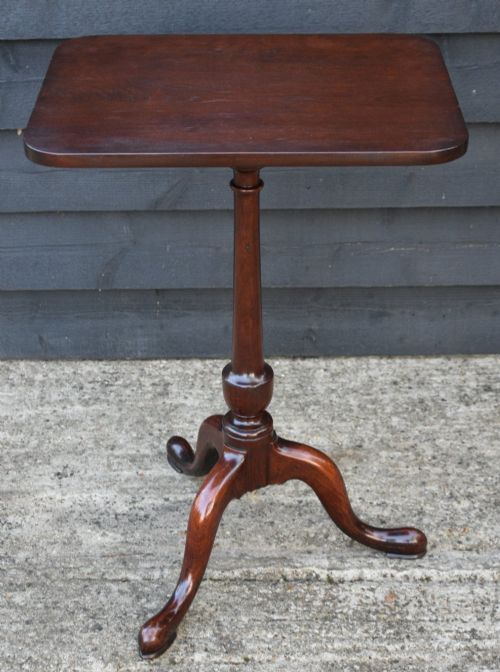
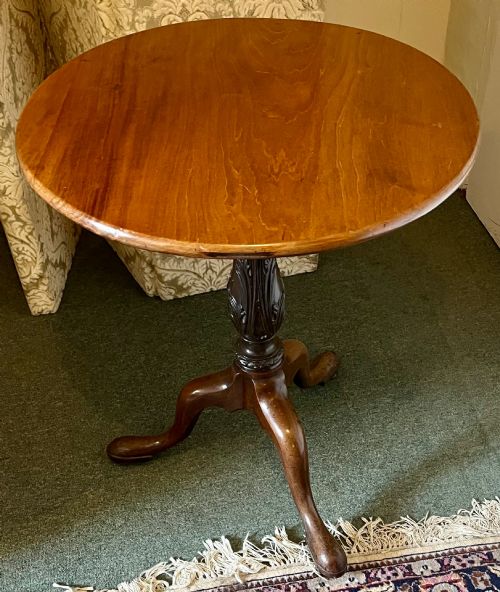
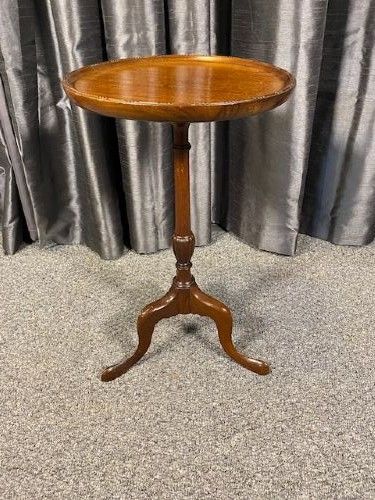
A traditional wooden tripod table serves primarily as a side, wine, or occasional surface, frequently featuring a circular top. These pieces appear across periods spanning the 18th century through the Edwardian era and the early 20th century.
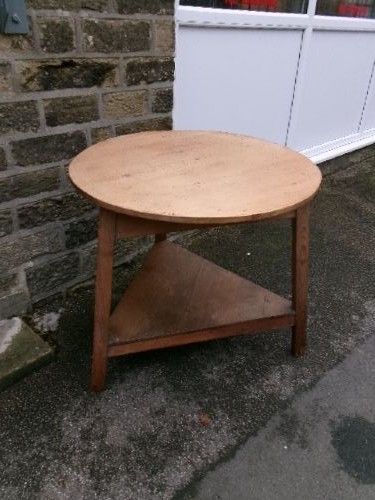
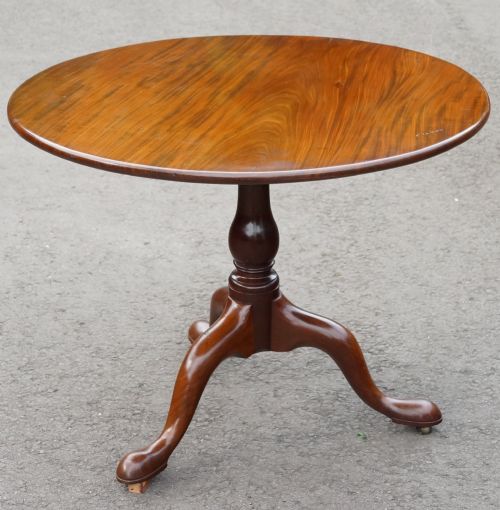
The material palette is predominantly mahogany, oak, and walnut, alongside pine, ash, and painted surfaces. Forms range from simple cricket tables with bobbin-turned legs to sophisticated tilt-top designs equipped with birdcage mechanisms.
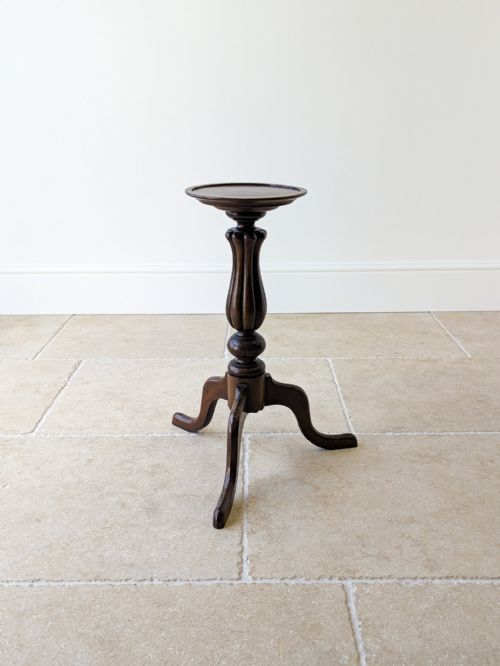
Buyers meet variations such as kettle stands, plant stands, and two-tier occasional tables reflecting Georgian, Regency, and Victorian styles. The three-legged format provides stable placement on uneven floors while occupying minimal floor space.
Materials and construction methods
Makers utilised solid hardwoods like mahogany, walnut, and oak for durability, turning pedestals on lathes and shaping tops to circular or rectangular formats. Pine and ash served in simpler rustic cricket tables.
Joinery techniques united the central pillar to three splayed legs, sometimes incorporating clever mechanisms such as birdcage actions or tilt-top pivots. Brass components occasionally reinforced structural joints or adorned the feet.
Traditional Wooden Tripod Table Retail Price Guide 2026
Typical asking prices for traditional wooden tripod table among the pieces listed under this phrase on Sellingantiques today, from the lower quarter to the upper quarter. They describe what is for sale here now, not the wider market.
Some tables tilt so neatly they practically pretend to be wall panels when visitors arrive.
Distinctions in construction and timber
The grade of timber dictates visual depth, where finely figured mahogany or rich walnut displays superior grain patterns compared to standard utility woods. Well-executed turning on pedestals and legs demonstrates the joiner's proficiency.
Mechanism complexity separates standard tables from superior examples, particularly smooth operation in tilt-top designs and birdcage pivots. The integrity of the three-leg junction determines long-term stability under daily use.
The Traditional Wooden Tripod Table Glossary
- Tilt top
- A tabletop hinged to pivot vertically when not in use. This clever design allowed tables to stand flat against a wall to save room.
- Birdcage mechanism
- A rotating wooden frame beneath the top allowing both rotation and tilting. It connects the tabletop to the central pillar.
- Cricket table
- A small round table with three legs standing on stretchers. These early pieces often utilise pine or oak construction.
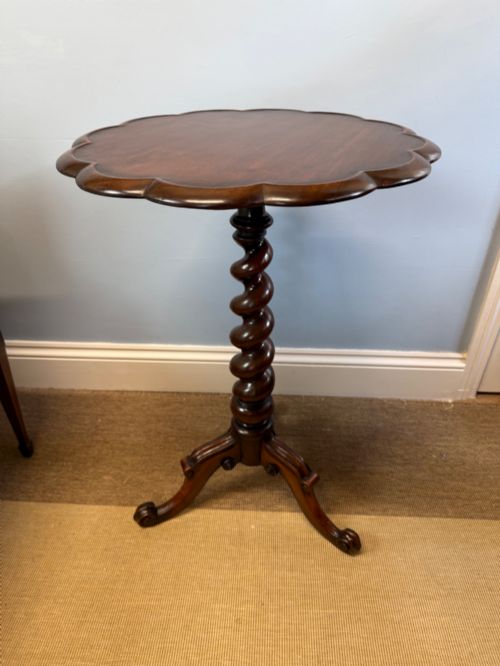
- Barley twist
- A spiral carving applied to vertical wooden supports. This decorative lathe work appears frequently on Victorian pedestals.
- Wine table
- A compact surface designed to hold a single glass or bottle. These diminutive tables sit comfortably beside armchairs.
Traditional Wooden Tripod Table: Frequently Asked Questions
Where should I place a tripod table?
These compact tables fit neatly beside armchairs, in narrow hallways, or in corners where larger furniture will not go. Their small footprint makes them ideal for resting a lamp or a cup.
Because they feature three legs, they remain stable even on older uneven floorboards. Avoid damp locations to protect the timber and polish finish.
How do I identify a tilt top table?
Look underneath the circular surface for a wooden catch or pivot block attached to the central pillar. This mechanism allows the top to flip flat for storage.
Many examples include a birdcage frame that lets the top spin horizontally as well. Ensure the pivot pin is secure before operating the tilt function.
What is a cricket table?
A cricket table is a traditional three-legged piece typically constructed from pine or oak with pegged joints. They often feature lower stretchers supporting the legs for added rigidity.
These rustic tables originated as practical household furniture in the 18th and 19th centuries. Painted finishes appear frequently on Welsh and English examples.
How do I care for wooden surfaces?
Dust the timber regularly with a soft dry cloth and apply a quality beeswax periodically to nourish the grain. Keep tables away from direct heat sources and strong sunlight to prevent warping.
Use coasters under glasses and protect surfaces from moisture. Gentle maintenance preserves the natural patina developed over decades.