



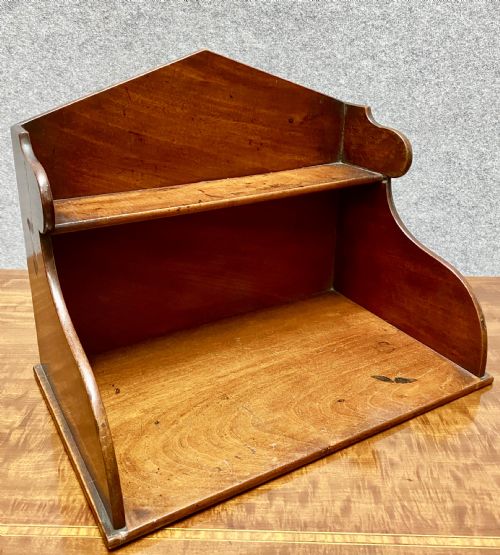


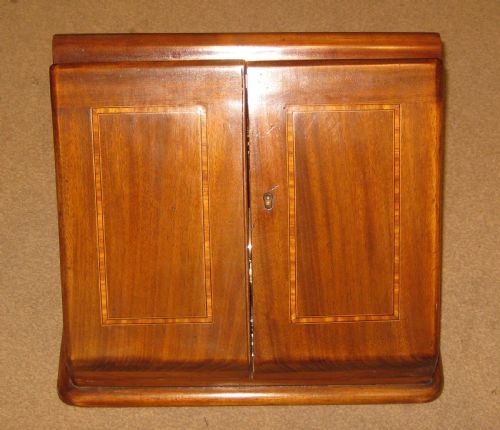

Vintage Mahogany Desk Organiser
A vintage mahogany desk organiser keeps correspondence and papers in order with the warmth and craftsmanship of past centuries.
Vintage Mahogany Desk Organiser
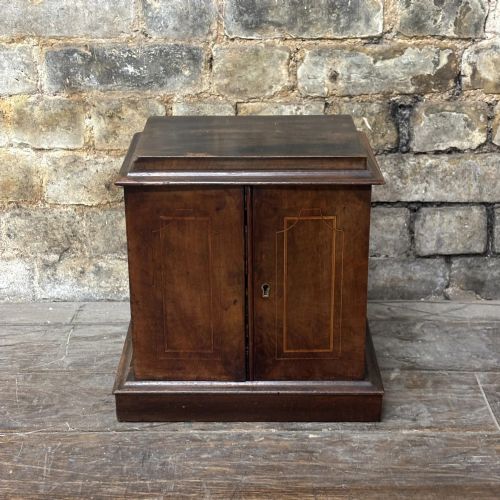
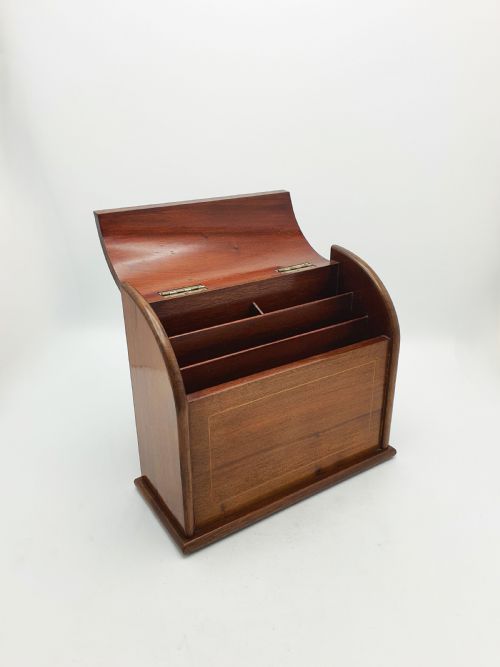
A vintage mahogany desk organiser brings order to papers and correspondence through a variety of traditional desk accessories. When searching for a vintage mahogany desk organiser, buyers encounter stationery cabinets, letter racks, desktop pigeon holes, and compact banks of drawers designed for the Victorian or Edwardian workspace.
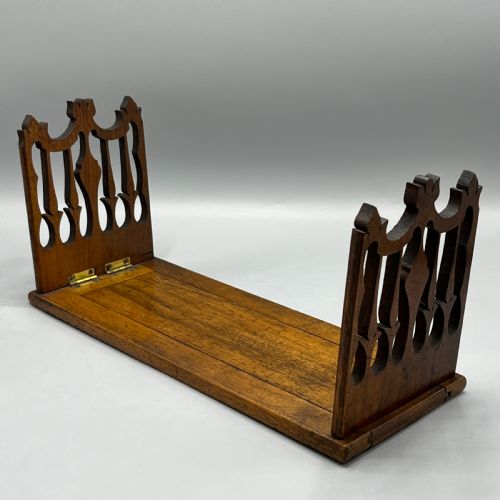
The forms range from hinged-lid tidies and revolving bookcases to miniature chests of drawers and fall-front desks. Pieces span from the eighteenth century through the Georgian, Victorian, and Edwardian eras into the early twentieth century.
Originating largely from British offices and domestic studies, these items served insurance agents, naval architects, and writers. They offer practical compartments for daily stationery needs while anchoring a room with rich timber tones.
Materials and construction
Construction relies heavily on solid mahogany and hardwood, complemented by satinwood inlay, boxwood stringing, and carved details. Cabinet makers shaped these durable timbers to create functional desk furniture designed to withstand daily professional use.
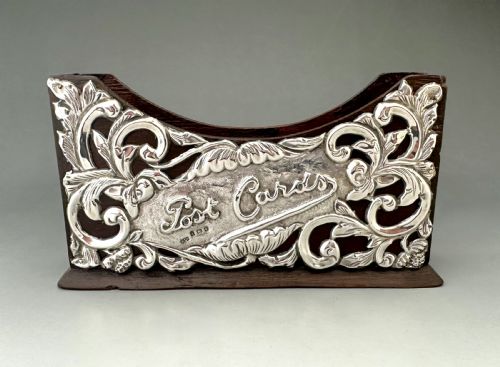
Metal elements provide both structural reinforcement and decorative contrast. Brass handles, hinges, clips, and ormolu mounts appear alongside bone accents and silver mountings on specific letter holders and inkstands.
Vintage Mahogany Desk Organiser Retail Price Guide 2026
Typical asking prices for vintage mahogany desk organiser among the pieces listed under this phrase on Sellingantiques today, from the lower quarter to the upper quarter. They describe what is for sale here now, not the wider market.
Desk organisers include novelty cricket bat, ball, and wicket letter racks alongside professional agent cabinets.
Assessing quality and craftsmanship
Quality rests in the precision of the joinery and the selection of the timber grain. Superior examples display careful figuring in the mahogany alongside cleanly executed satinwood inlay and robust brass fittings.
Design complexity also distinguishes standard office items from exceptional pieces. Multi-drawer banks, revolving mechanisms, and specialised compartments for inkwells or calendars demand finer craftsmanship from the maker.
The Vintage Mahogany Desk Organiser Glossary
- Stationery cabinet
- A tabletop cabinet designed specifically to hold writing paper, envelopes, and letters. These enclosed boxes often feature sloping fronts or panelled doors.
- Desk tidy
- A compact desktop accessory incorporating troughs, trays, or compartments for pens, ink, and small items of stationery. They keep the working surface clear of clutter.
- Pigeon holes
- Open compartments arranged in tiers for sorting and storing documents or letters. They provide immediate visibility and access to active correspondence.
- Ormolu
- Gilded bronze or brass applied as decorative mounts on furniture and desk accessories. It adds a polished metallic contrast to the dark wood.
- Satinwood inlay
- Contrasting light-coloured wood inserted into the mahogany surface to create decorative borders or patterns. This technique highlights the skill of the cabinet maker.
Vintage Mahogany Desk Organiser: Frequently Asked Questions
What is a vintage mahogany desk organiser used for?
These pieces serve to sort letters, envelopes, and writing implements on a desktop. They bring traditional organisation to modern workspaces.
Compartments house specific items like inkwells, calendars, and loose papers, keeping desks tidy.
How do I date a mahogany desk organiser?
Dating relies on stylistic clues such as brass hardware, inlay styles, and overall construction methods. Georgian and Victorian pieces show heavier proportions.
Edwardian and early twentieth-century items often feature lighter woods and specific novelties like revolving bookcases or cricket motifs.
Are these desk organisers made of solid wood?
Most pieces utilise solid mahogany and hardwood for their primary structure. Cabinet makers selected dense timbers to ensure durability.
Secondary woods and decorative veneers like satinwood appear on panelled doors and inlaid surfaces.
Where were these desk accessories originally used?
They were standard fittings in period offices, studies, and administrative desks. Professionals such as insurance agents and naval architects relied on them.
Domestic writing tables also accommodated smaller letter holders and inkstands for personal correspondence.