




Vintage Mahogany Bar Cabinet
A vintage mahogany bar cabinet brings period character to hosting, spanning Edwardian cocktail pieces, Georgian cellarettes and Victorian designs.
Vintage Mahogany Bar Cabinet
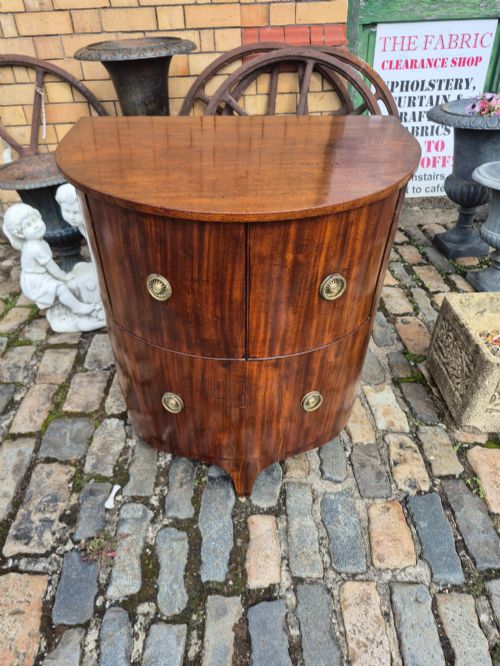
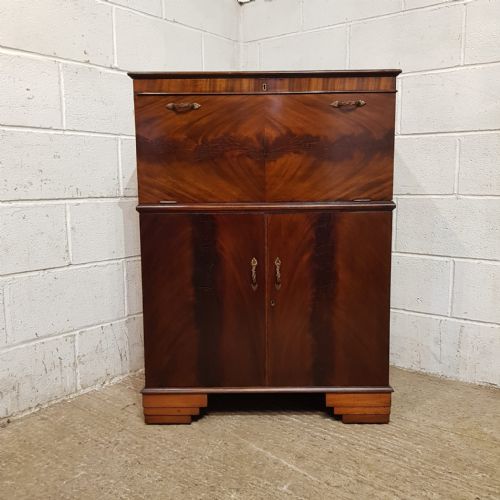
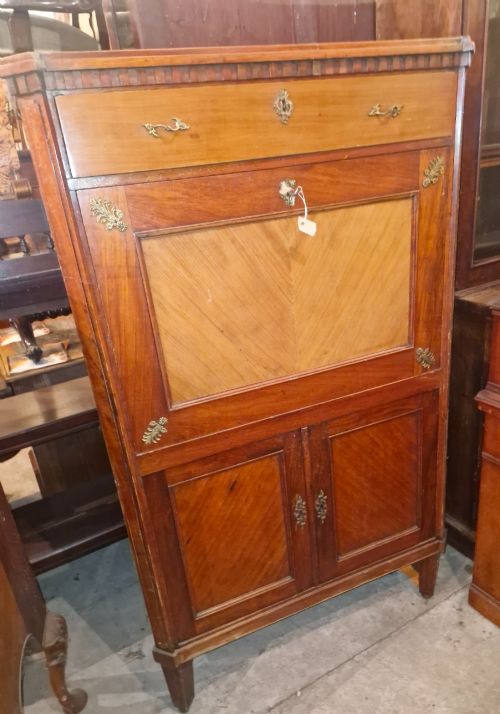
When you search for a vintage mahogany bar cabinet, you encounter a variety of forms designed for holding drinks across the Georgian, Victorian, Edwardian and Art Deco periods. These pieces range from Georgian spirits cellarettes and wine coolers to Edwardian surprise drinks tables and 1930s cocktail cabinets.
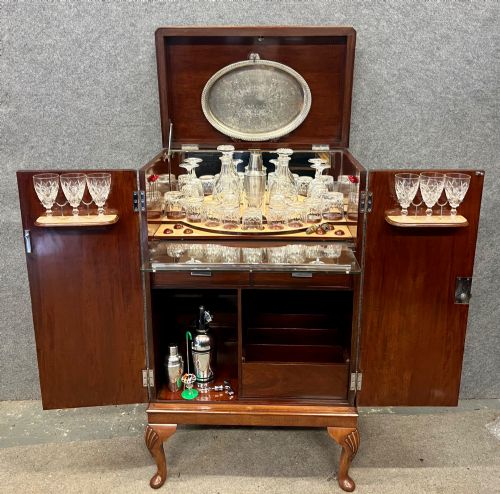
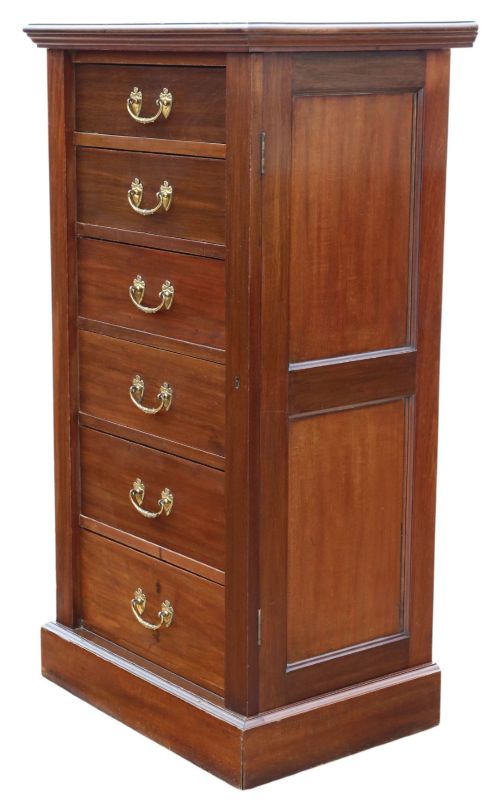
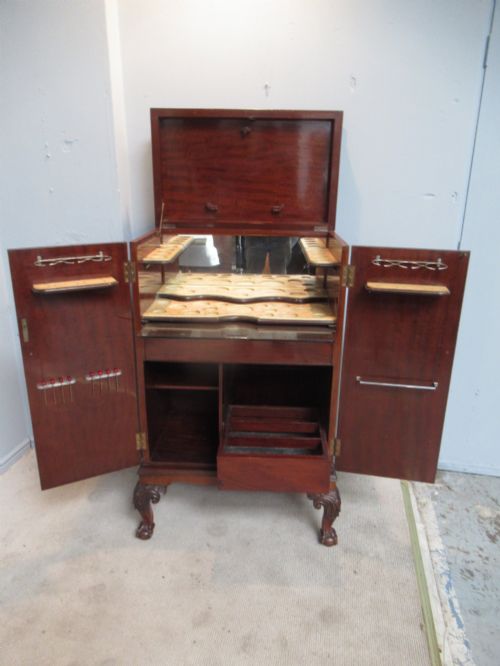
The most common examples on this page are Edwardian and 1930s drinks cabinets, alongside Victorian Wellington chests and cellarettes adapted for hospitality. Interiors often feature fitted mirrors, removable trays and specialised storage for bottles and glassware.
Origins span formal revival styles such as Chippendale and Queen Anne alongside clean Art Deco lines, reflecting changing social habits and entertaining customs over two centuries.
How they were made
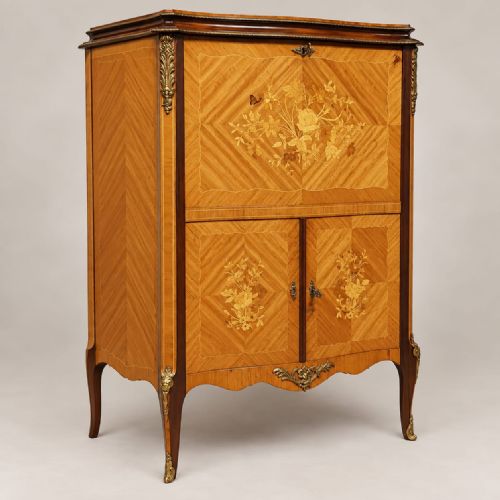
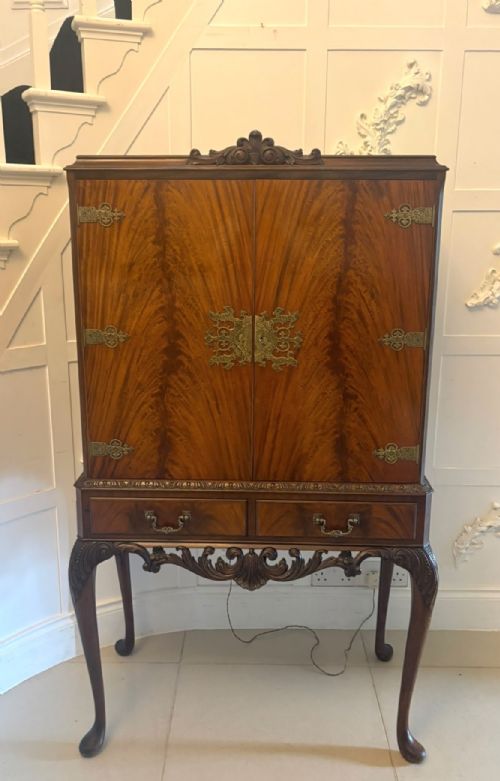
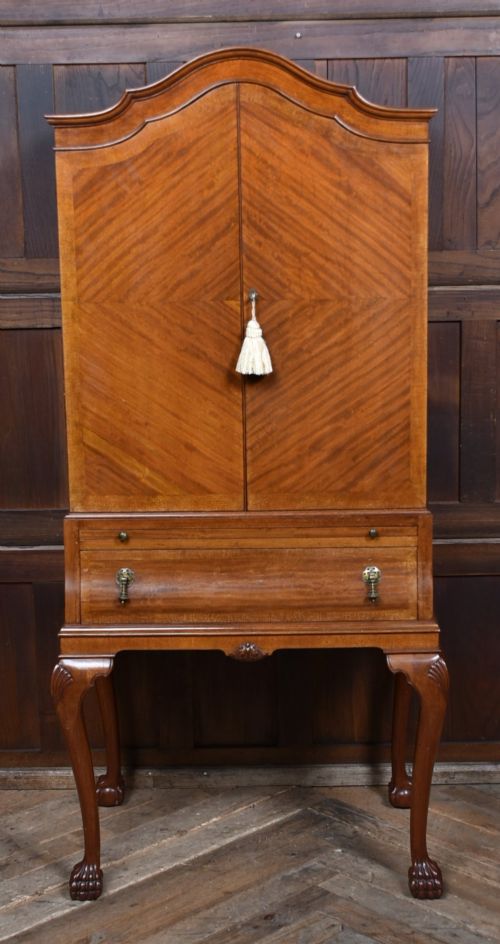
Cabinets are constructed from solid mahogany and flame mahogany veneer, frequently accented with satinwood inlay to create decorative contrast on doors and lids. Brass handles, hinges and castors provide structural reinforcement and functional detail.
Interiors incorporate mirrored glass panels, polished wooden trays and fitted compartments designed to secure bottles and glassware during service.
Vintage Mahogany Bar Cabinet Retail Price Guide 2026
Typical asking prices for vintage mahogany bar cabinet among the pieces listed under this phrase on Sellingantiques today, from the lower quarter to the upper quarter. They describe what is for sale here now, not the wider market.
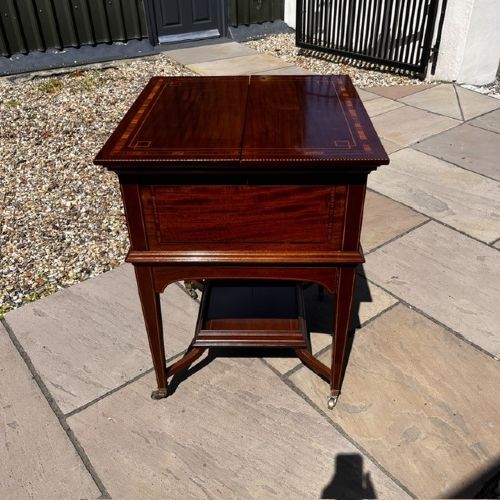
A surprise drinks table reveals its hidden contents through a clever mechanical action, turning a quiet side table into an instant bar.
What varies in quality
The distinction between standard examples and superior pieces rests on the choice of timber figure, such as richly grained flame mahogany veneer, and the precision of satinwood inlay. Finer cabinets display careful proportions and sophisticated internal mechanisms like surprise lifting trays.
Hardware selection also differentiates the range, with heavy cast brass mounts and integrated locks indicating higher-tier craftsmanship compared to simpler production.
The Vintage Mahogany Bar Cabinet Glossary
- Cellarette
- A lockable container or cabinet used to store bottles of wine and spirits, typically positioned beneath a sideboard or freestanding during the Georgian and Victorian eras.
- Wellington chest
- A tall, slender stack of drawers secured by a hinged locking stile on one side, occasionally repurposed in period interiors to store bar accessories.
- Flame mahogany
- A veneer cut from timber where the grain creates a distinctive flickering flame pattern, prized for its decorative visual depth on cabinet doors.
- Surprise drinks table
- An occasional table with a mechanical or metamorphic action that reveals a concealed compartment for bottles and glassware when opened.
Vintage Mahogany Bar Cabinet: Frequently Asked Questions
What is a cellarette?
A cellarette is a traditional container designed specifically to hold bottles of wine and spirits securely.
In period settings, these sat on the floor or beneath sideboards, functioning as the direct ancestor to the modern bar cabinet.
How do I date a cocktail cabinet?
Dating relies on stylistic markers such as Edwardian satinwood inlay, Georgian proportions or the streamlined geometric veneering typical of 1930s Art Deco.
Hardware and internal mirror fittings also offer clues to the manufacturing decade.
Where were these cabinets used?
These pieces served households in dining rooms, libraries and drawing rooms where hosts entertained guests.
They kept beverages and glassware close at hand without requiring constant trips to the cellar.
Are interiors fitted for glasses?
Many Edwardian and 1930s cocktail cabinets include specialised interior fittings such as mirrored backs, glass shelves and pull-out mixing slides.
Older cellarettes and wine coolers concentrate primarily on bottle storage rather than glassware.