



Vintage Lustreware
Vintage lustreware captures the mesmerizing, iridescent sheen of metallic glazes applied to ceramic bodies across centuries of skilled pottery production.
Vintage Lustreware
Vintage lustreware encompasses a diverse array of ceramic objects defined by their distinctive, light-reflecting metallic surfaces. When searching for vintage lustreware, buyers encounter pieces ranging from early nineteenth-century jugs and bowls to twentieth-century decorative vessels.
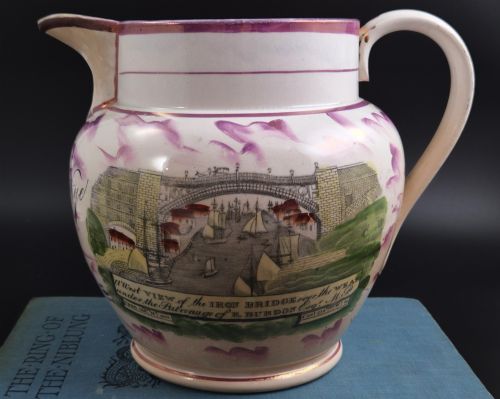
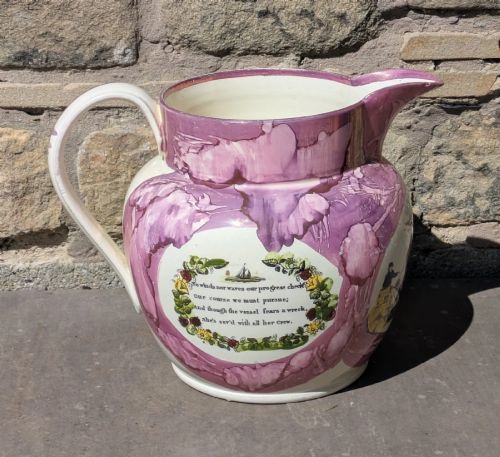
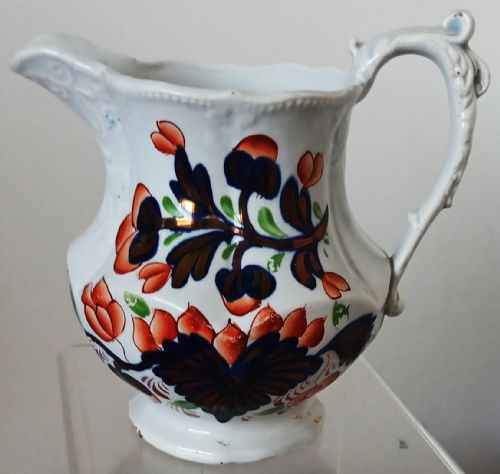
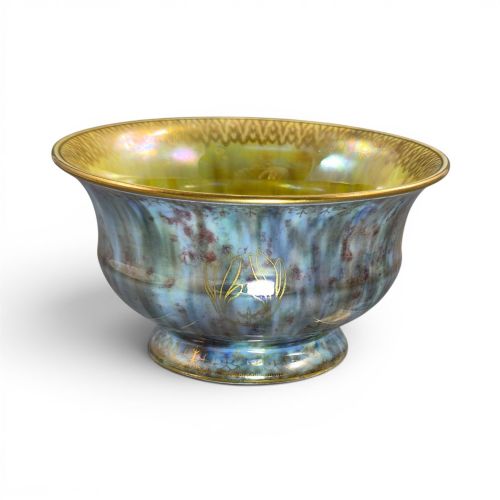
The selection on this page leans heavily towards English earthenware, bone china, and porcelain forms, including decorative bowls, vases, and commemorative jugs. Sunderland pink splash pieces, transfer-decorated vessels, and intricate fantasy designs populate the current offerings.
Originating from periods spanning the Georgian era through the Art Deco and Edwardian movements, these ceramics display shifting artistic priorities. Early pieces often celebrate maritime themes or local landmarks, while later twentieth-century examples showcase complex mythological motifs and vibrant enamel work.
How they were made
Makers utilised earthenware, creamware, pearlware, bone china, and porcelain as foundational bodies for these ceramic pieces. Potters applied metallic glazes, gold leaf, and lustre glazes to the surfaces before firing the items to achieve their signature iridescent finish.
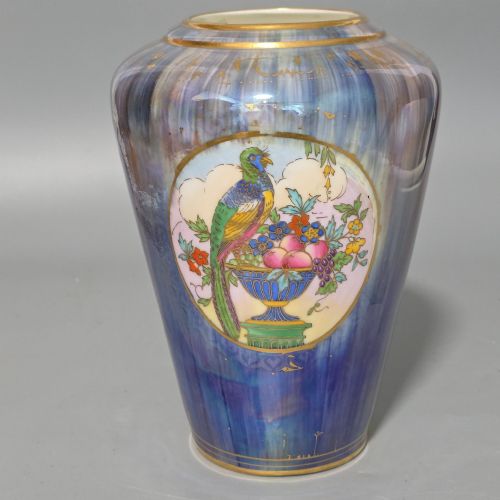
Techniques varied from simple transfer printing and purple transfer decoration to meticulous hand-enamelling. Artisans combined metallic oxides with the glaze mixture to produce the characteristic copper, pink, and multi-coloured sheen upon the ceramic body.
Listings feature ceramics spanning multiple eras, including Georgian, Edwardian, and Art Deco periods, created from earthenware, porcelain, and bone china.
What varies in quality
Quality in these ceramics rests upon the complexity of the design and the precision of the lustre application. Pieces featuring detailed hand-enamelling and intricate transfers demand greater skill than plain glazed wares.
The crispness of the metallic sheen and the depth of the iridescent glaze separate standard utility items from masterworks. Hand-painted mythological scenes and complex multi-tiered firing processes elevate individual vessels within the broader range.
Wedgwood·Minton·Maling·Enoch Wood and Sons·Livesley Powell and Co·Shelley·Charlotte Rhead
The Vintage Lustreware Glossary
- Lustre Glaze
- A type of ceramic glaze containing metallic salts that produce an iridescent, metallic sheen upon firing. This finish reflects light to create a rainbow effect on the surface.
- Transfer Decoration
- A method of applying printed designs to ceramics by transferring ink from an engraved plate onto tissue paper and then onto the clay body. This technique allowed for detailed pictorial scenes on jugs and bowls.
- Pearlware
- A refined earthenware developed in the late eighteenth century featuring a subtle bluish glaze over a white body. It served as a popular canvas for early lustre applications.
- Creamware
- A pale yellow-hued earthenware perfected during the eighteenth century and widely utilised for jugs and tableware. Its warm tone complemented early metallic glaze experiments.
- Bone China
- A type of soft-paste porcelain incorporating animal bone ash, yielding a strong, translucent ceramic body. It provides a smooth surface suited to fine enamel and lustre work.
Vintage Lustreware: Frequently Asked Questions
What is lustreware pottery?
Lustreware is pottery finished with a metallic glaze that creates an iridescent, reflective surface.
Potters achieve this effect by firing metallic oxides onto the ceramic body in a reduced oxygen environment.
How do I care for vintage lustreware?
These ceramic pieces require gentle hand washing with mild soap and warm water.
Harsh abrasives and dishwashers can damage the delicate metallic glaze and surface enamels over time.
When was pink lustreware made?
Pink lustre ceramics were produced in large quantities during the nineteenth century, particularly the Georgian and Victorian eras.
Sunderland potteries became especially noted for their pink splash techniques during this period.
What are Fairyland Lustre wares?
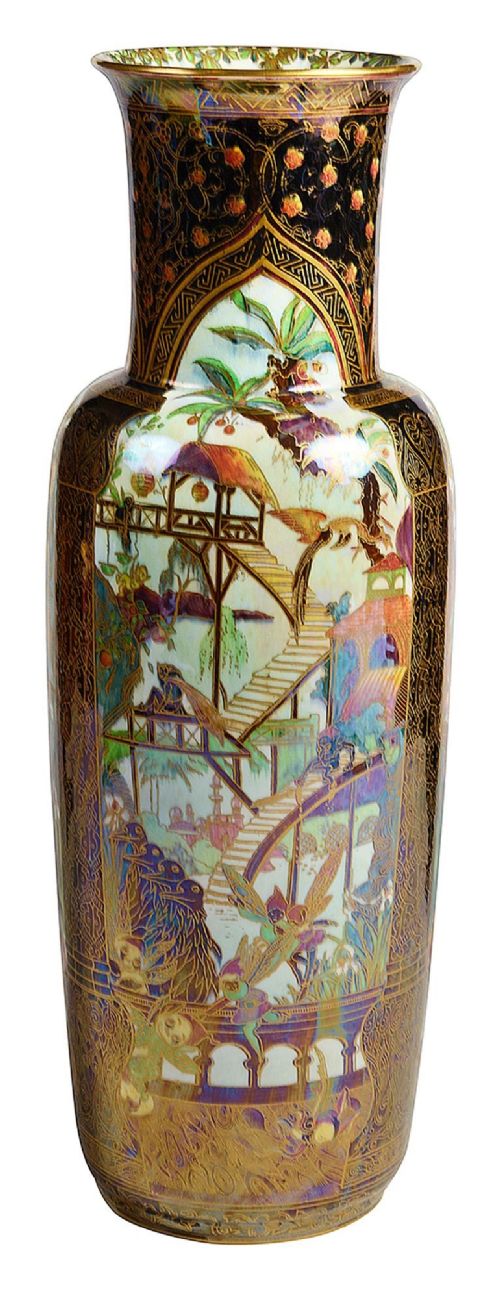
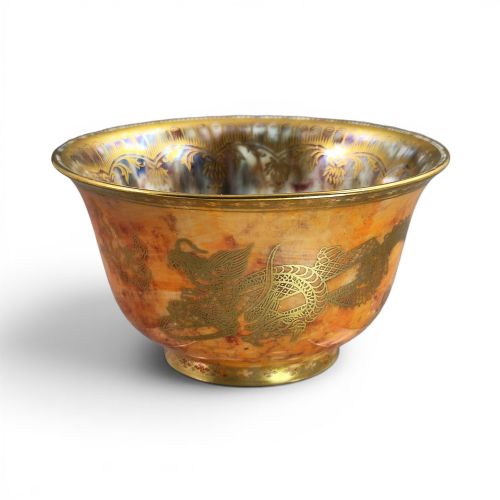
Fairyland Lustre refers to a complex line of decorative ceramics introduced by Wedgwood during the early twentieth century.
These pieces feature imaginative fantasy scenes, goblins, and dragons painted in vibrant enamel and lustre colours.