



Vintage Low Seat Chair
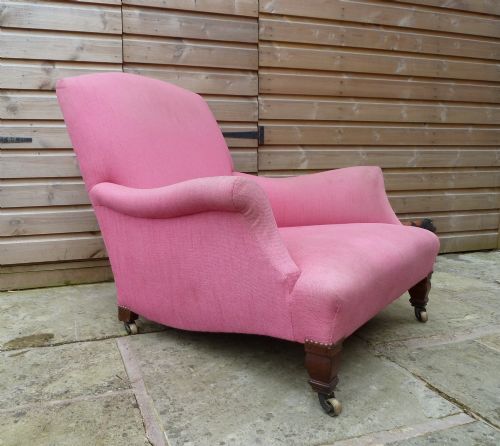
A vintage low seat chair brings intimate scale and relaxed posture to a room, drawing on nineteenth- and early twentieth-century domestic seating.
Vintage Low Seat Chair
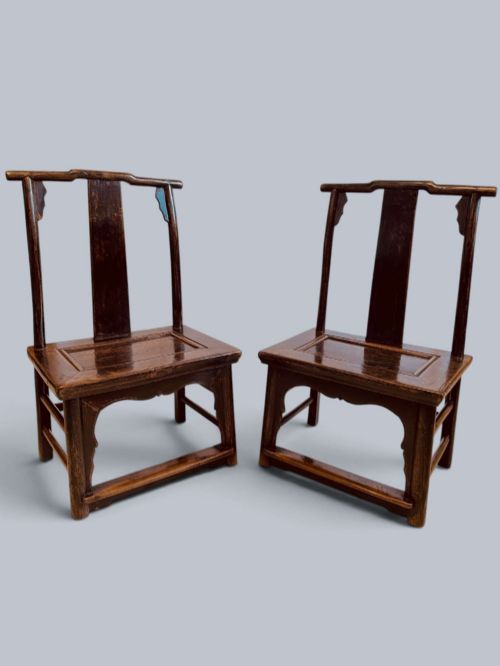
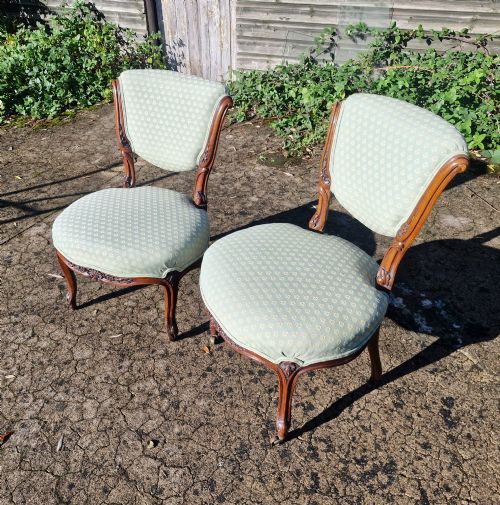
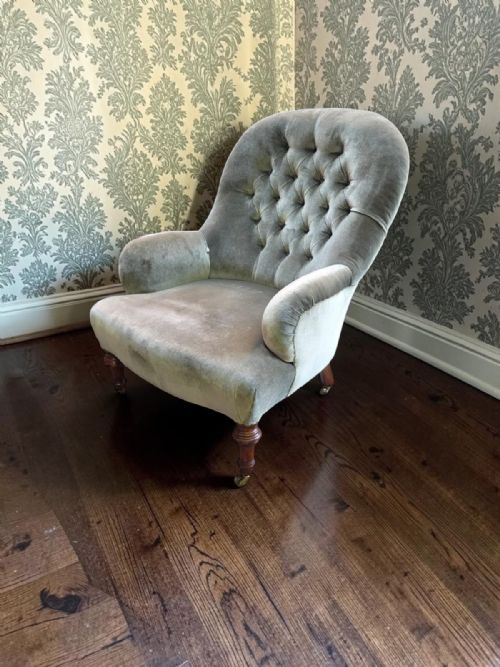
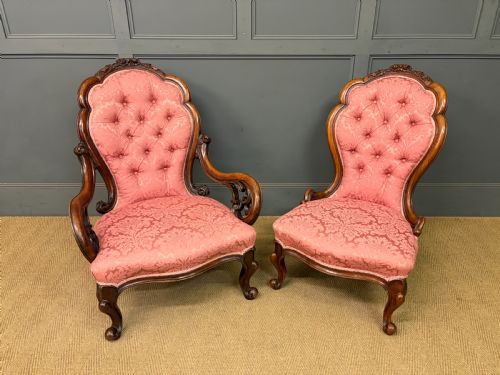
A vintage low seat chair encompasses small-scale seating designed for bedrooms, dressing rooms and parlours across the nineteenth and early twentieth centuries. These pieces prioritize a lower profile for comfort near hearths or dressing tables.
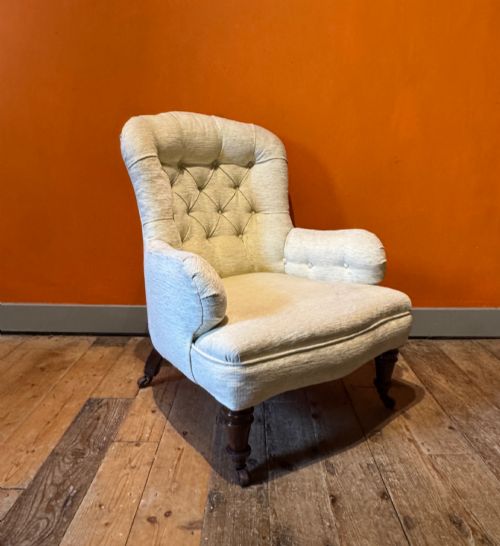
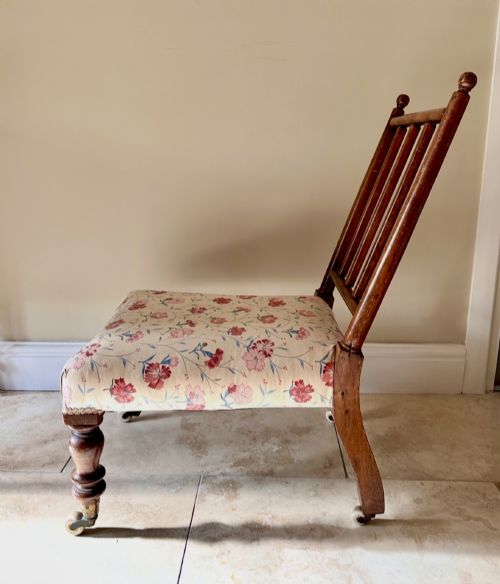
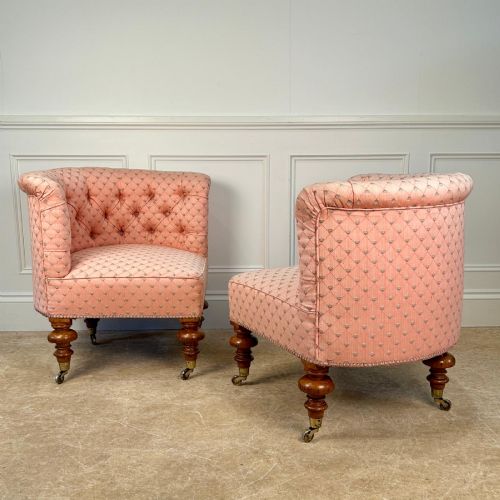
The most frequent examples span the Victorian and Edwardian eras, utilising turned wooden legs, button backs and low upholstered frames. Each form reflects the domestic habits of its period, from bedroom dressing to fireside lounging.
Materials and construction
Frames rely on traditional cabinet timbers such as mahogany, walnut, oak, elm, ash and yew. Joinery incorporates turned spindles, carved details, and ebonised finishes.
Upholstery techniques employ traditional stuffing and springs, finished with buttoning, fringe, velvet, leather or rush seating. Structural integrity depends on solid wood framing and tight joints.
Vintage Low Seat Chair Retail Price Guide 2026
Typical asking prices for vintage low seat chair among the pieces listed under this phrase on Sellingantiques today, from the lower quarter to the upper quarter. They describe what is for sale here now, not the wider market.
Listings feature woods like mahogany, walnut, oak, ash, yew and elm, paired with fabrics ranging from velvet and leather to rush.
Judging quality in low seating
Quality rests in the precision of the timber framing, the integrity of the joinery and the selection of cabinet woods like walnut or mahogany over softer beech. Finer examples display crisp carving, elegant leg turning and well-balanced proportions.
The standard of upholstery work and the authenticity of the frame's period construction dictate value. Retaining original show-wood finishes and sturdy internal webbing elevates an individual piece.
Howard and Sons·Liberty Morris And Co·Harry and Lou Epstein
The Vintage Low Seat Chair Glossary
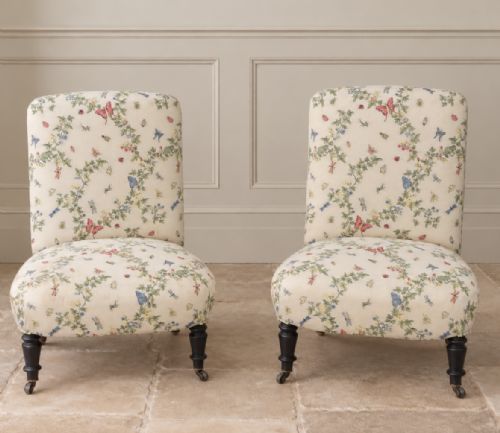
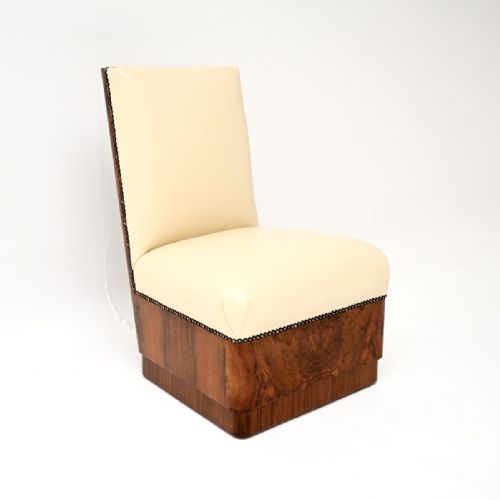
- Slipper chair
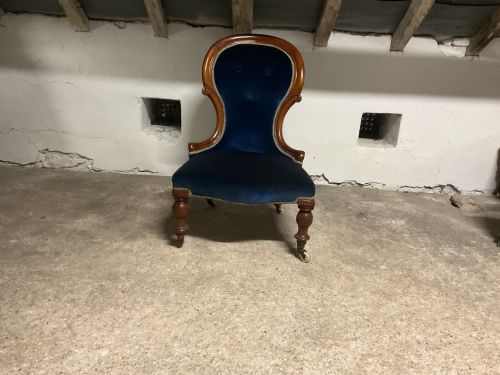
- A low-framed upholstered chair originally designed for bedrooms and dressing rooms to allow easy shoe removal.
- Nursing chair
- A low seat traditionally used by women for childcare, featuring an upright back and generous padding.
- Button back
- An upholstery style where depressions are secured with tight buttons, creating a padded diamond pattern across the backrest.
- Smokers bow
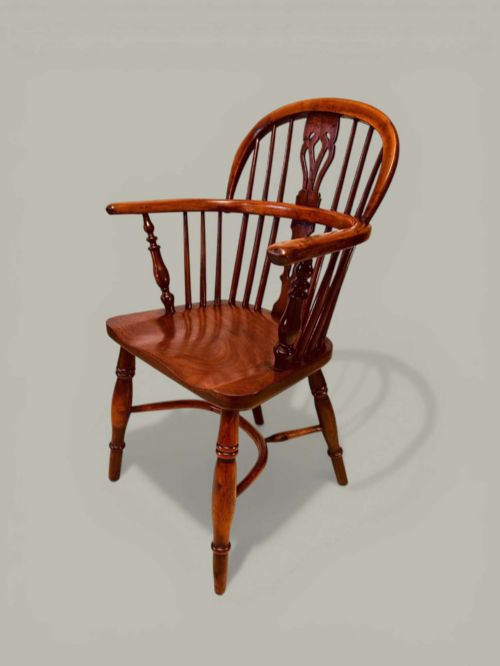
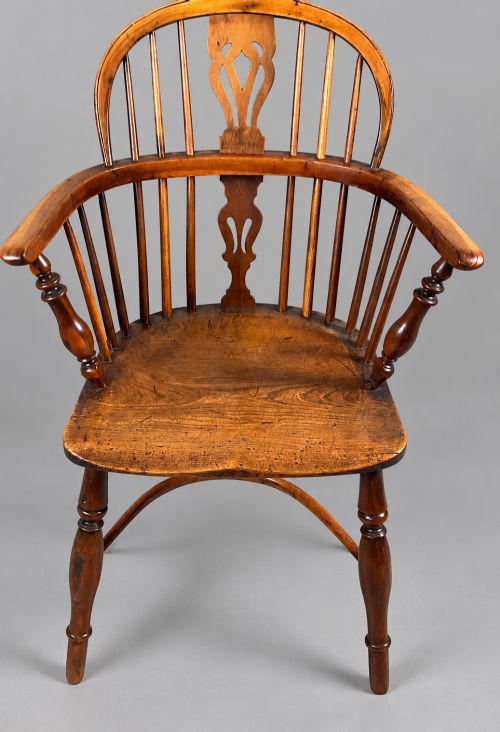
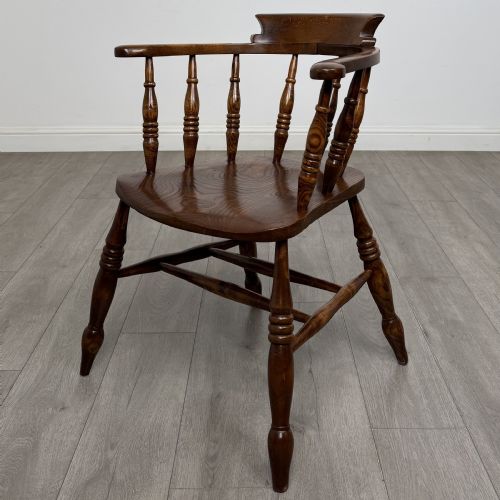
- A sturdy, low wooden armchair with a curved spindle back, originating in nineteenth-century tavern and country settings.
- Windsor chair
- A wooden chair built with upright spindles slotted into a solid saddle seat, often fashioned from elm and ash.
Vintage Low Seat Chair: Frequently Asked Questions
What is a low seat chair used for?
These low seats served practical domestic roles in bedrooms and dressing rooms, providing comfortable seating near the floor for dressing or nursing.
Today, they suit modern living rooms and bedrooms as accent pieces where standard armchair heights feel too imposing.
How do I date a Victorian chair?
Dating relies on timber choices, leg styles and upholstery methods, with walnut and rosewood dominating mid-nineteenth-century pieces.
Early examples often feature simpler mahogany frames, while later Victorian items introduce ebonised wood and elaborate button-backed padding.
Are these chairs comfortable for daily use?
Most pieces offer a supportive sit, though vintage upholstery firmness varies according to the original padding materials used.
Buyers planning regular use often check internal webbing and spring conditions to ensure daily comfort.
What is the difference between a slipper and nursing chair?
Slipper chairs typically sit low to the floor for bedroom dressing tasks without heavy armrests getting in the way.
Nursing chairs share a similar low profile but frequently incorporate upholstered arms and slightly taller backs designed for holding infants.