

Vintage Low Ottoman
These vintage low ottoman options combine practical seating with period character, offering compact comfort for traditional and modern interiors alike.
Vintage Low Ottoman
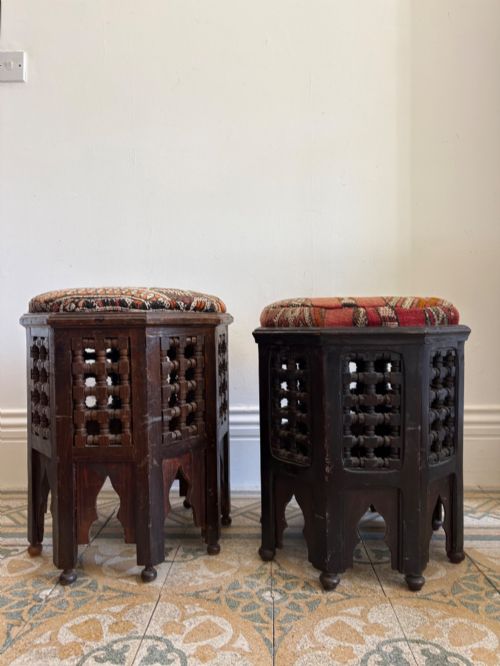
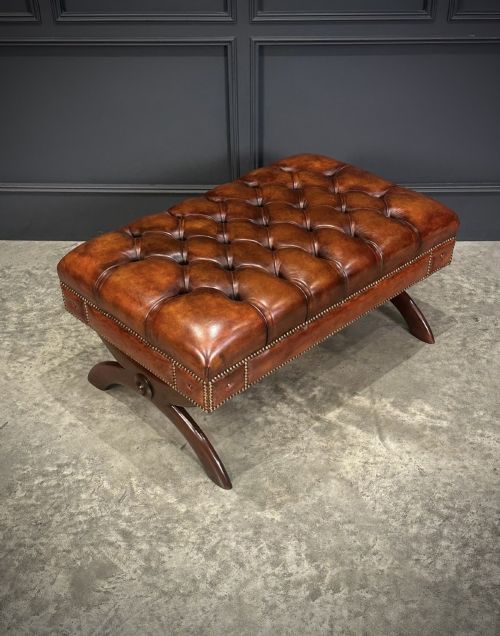
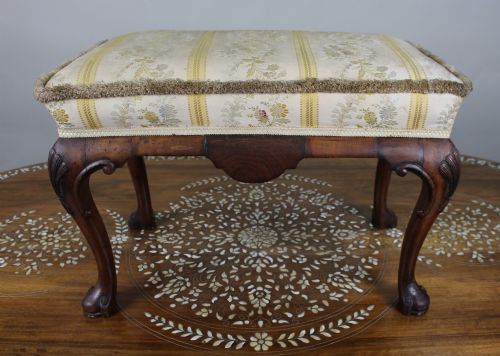
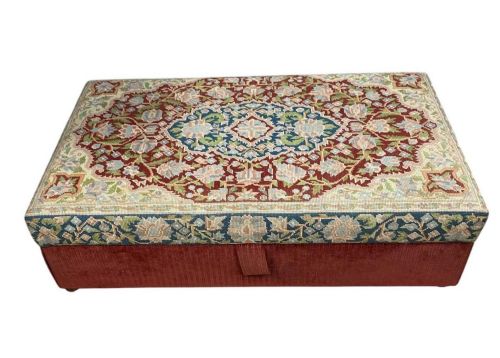
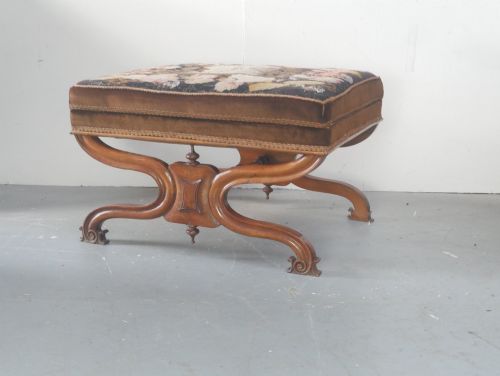
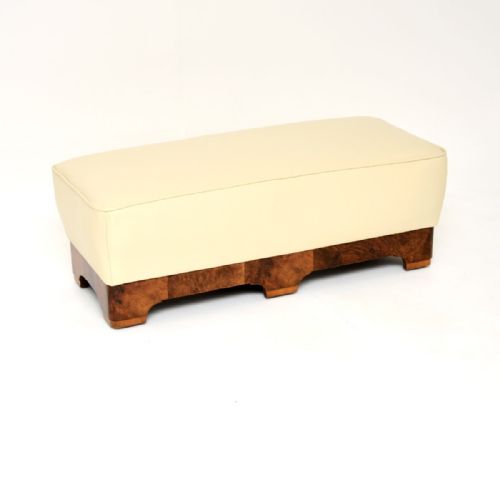
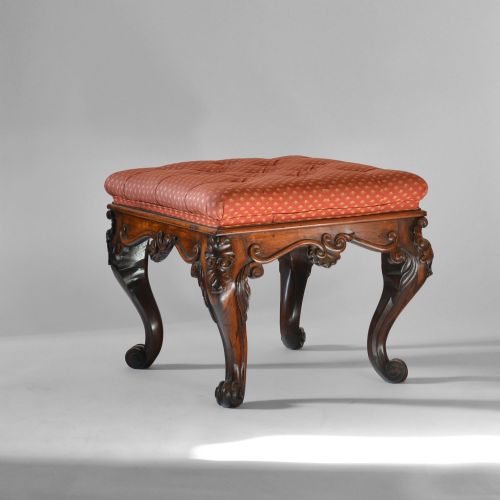
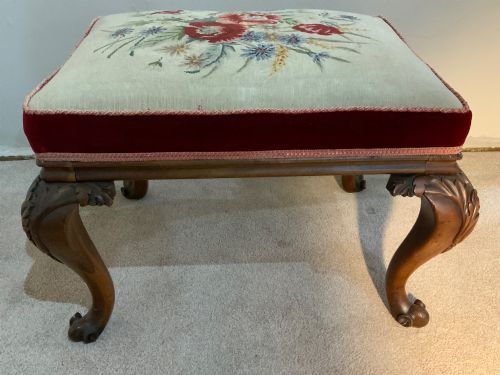
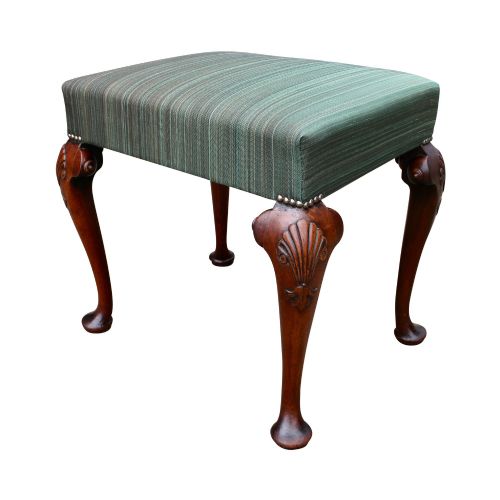
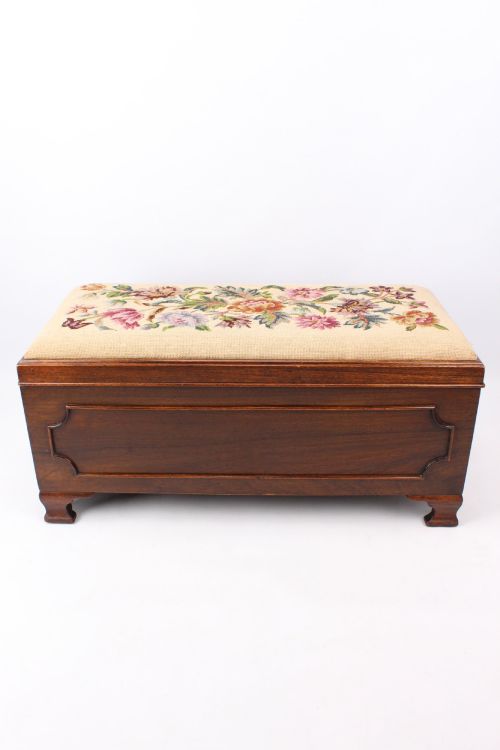
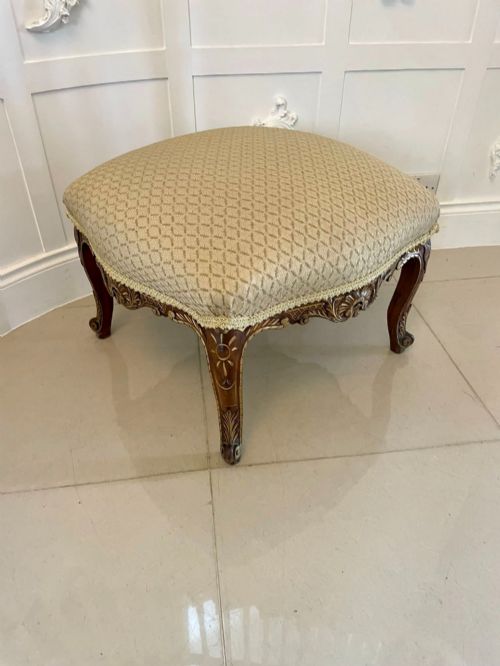
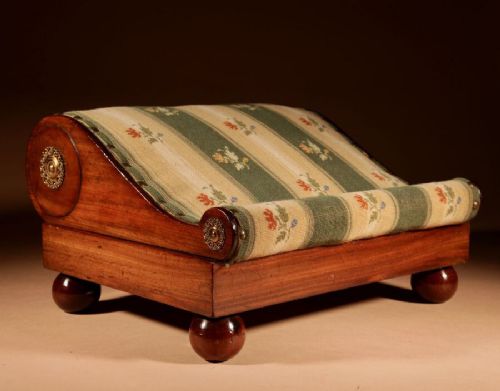
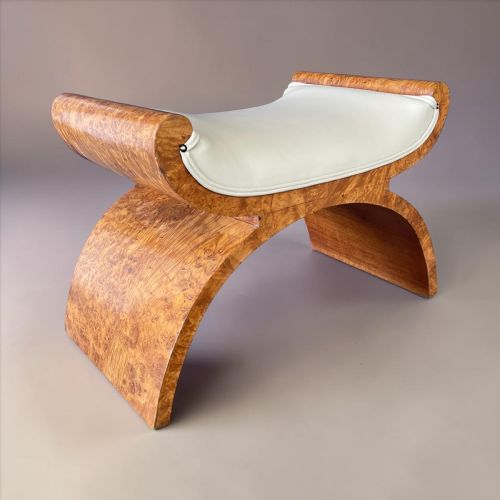
A vintage low ottoman serves primarily as a footstool, dressing stool or occasional seat, taking diverse forms from nineteenth-century mahogany frames to Art Deco burr walnut designs. Buyers seeking a vintage low ottoman will encounter pieces spanning the Victorian, Edwardian and Art Deco periods, alongside revival styles influenced by Queen Anne and Georgian aesthetics.
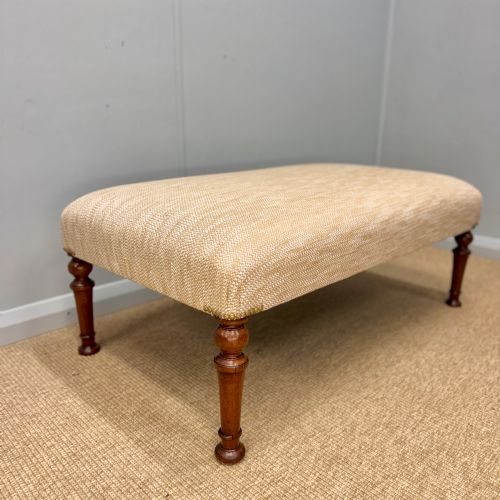
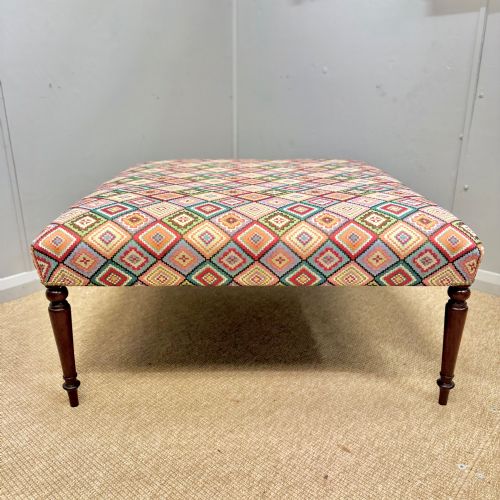
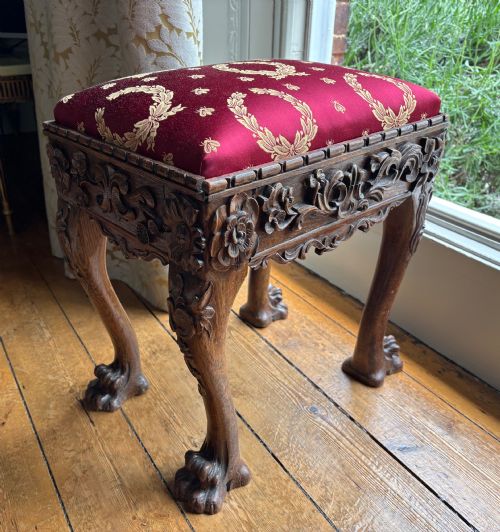
The selection ranges from simple wooden frames with newly upholstered pads to elaborate carved walnut salon stools and low box pieces suited for dual use as coffee tables. Construction origins vary widely across these listings, including English, Scottish, continental European and Anglo-Indian workshops.
Materials and construction methods
Makers built these frames using solid hardwoods such as mahogany, walnut and rosewood, often enriching surfaces with elaborate carved details, gilt touches or contrasting veneers like burr walnut and birds' eye maple. Structural integrity relied on traditional joinery, occasionally incorporating cross stretchers to support weight on low-slung proportions.
Upholstery defines the upper surface, utilising traditional textiles including velvet, leather, tapestry, needlework and woven rattan. Many pieces combine a sturdy wooden base with newly applied fabric coverings to refresh the seating area while retaining the historic timber frame.
Vintage Low Ottoman Retail Price Guide 2026
Typical asking prices for vintage low ottoman among the pieces listed under this phrase on Sellingantiques today, from the lower quarter to the upper quarter. They describe what is for sale here now, not the wider market.
Design styles span Victorian Rococo Revival, Anglo-Indian, Queen Anne Revival and Art Deco.
Distinguishing quality across examples
The refinement of the timber carving and the choice of secondary woods set superior examples apart from simpler utility pieces. Finer iterations display hand-carved details, matched veneer panels such as burr walnut, and robust joinery that withstands decades of daily use.
The standard of upholstery and the preservation of the original wooden finish also indicate grade. Pieces retaining intact period textiles or utilising high-grade leather and needlework reflect greater initial investment and superior workshop execution.
Harry and Lou Epstein
The Vintage Low Ottoman Glossary
- Cross stretcher
- An intersecting timber brace placed between the legs of a stool to provide lateral stability. This structural element frequently appears on dressing table and salon seating.
- Burr walnut
- A wood harvested from the wart-like growth on a walnut tree, prized for its swirling, highly figured grain patterns. Cabinet makers utilised this timber on decorative Art Deco and revival stools.
- Needlework
- Hand-stitched textile art created with yarn on a stiff canvas mesh, commonly employed for historic footstool upholstery. These panels display geometric patterns or pictorial scenes.
- Chinoiserie
- European decorative style imitating Chinese artistic traditions, characterised by lacquered surfaces and painted motifs. This aesthetic appears on specific Edwardian lacquered frames.
- Salon stool
- A formal upholstered seat designed for use in a nineteenth-century drawing room or reception space. These pieces generally feature polished hardwood frames and decorative textile covers.
Vintage Low Ottoman: Frequently Asked Questions
What defines a vintage low ottoman?
These pieces function as low seats or footstools, encompassing nineteenth-century wooden frames and twentieth-century upholstered designs. They sit close to the floor and appear in various revival and modernist styles.
Buyers select them to complement armchairs or serve as compact occasional seating within traditional and period rooms.
How were these stools originally used?
Period households utilised them in dressing rooms, libraries and drawing rooms to support feet or provide auxiliary seating. Low proportions made them suitable for placement in front of fireplaces or low tables.
Their versatility allowed them to function as movable seats or surface trays depending on the top construction.
How do I identify the period of a piece?
Dating relies on stylistic markers, timber choices and construction techniques visible in the frame and upholstery support. Victorian examples often feature heavy carved walnut or rosewood, whereas Art Deco pieces display burr walnut and clean geometric lines.
Revival pieces copy earlier eras like the Queen Anne or Georgian periods while retaining the manufacturing methods of their actual production date.
Can I use these as coffee tables?
Certain sturdy box forms and wide wooden frames adapt well to serving as low coffee tables, particularly flat-topped variants. Adding a tray transforms upholstered surfaces into stable tabletops without damaging the historic fabric.
Buyers should assess the height and surface area of each individual piece to ensure suitability for living room layouts.