



Vintage Low Cabinet
A vintage low cabinet brings compact storage and period character to a room, offering practical display space without dominating the wall.
Vintage Low Cabinet
A vintage low cabinet encompasses a variety of low-slung storage furniture, including side cabinets, bookcases, dresser bases, and cupboards found across multiple historical eras. The pieces span from the 18th century through the Victorian, Edwardian, and Art Deco periods, capturing shifts in domestic utility.
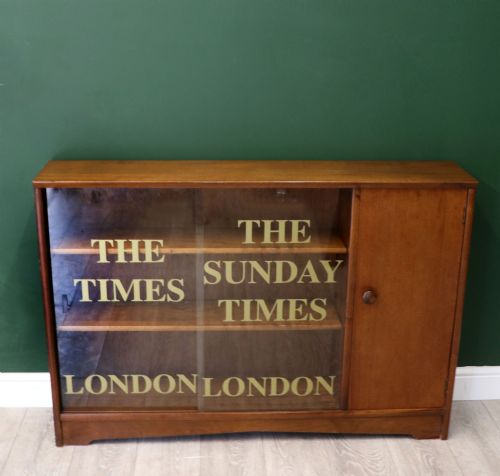
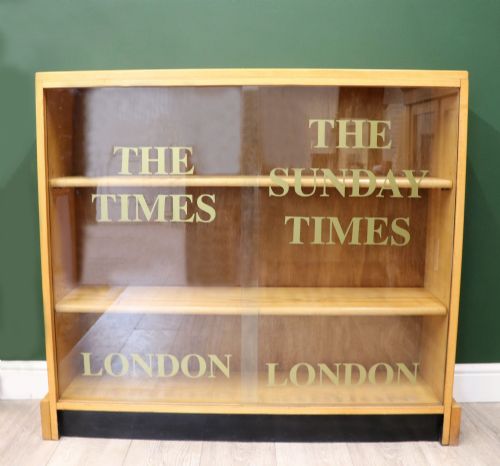
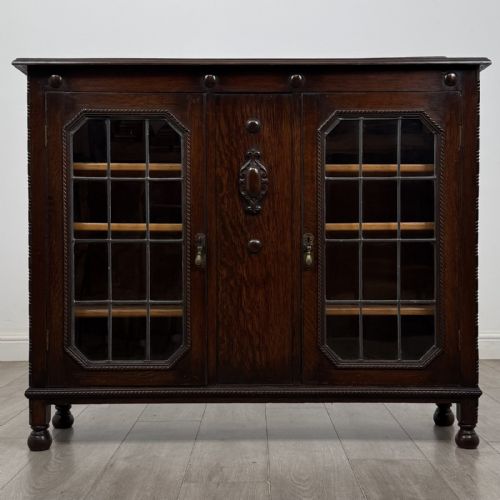
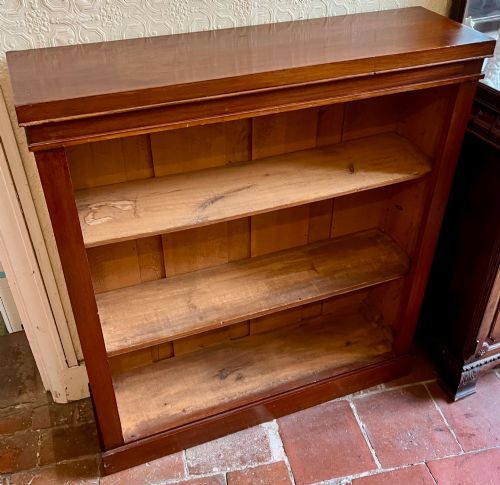
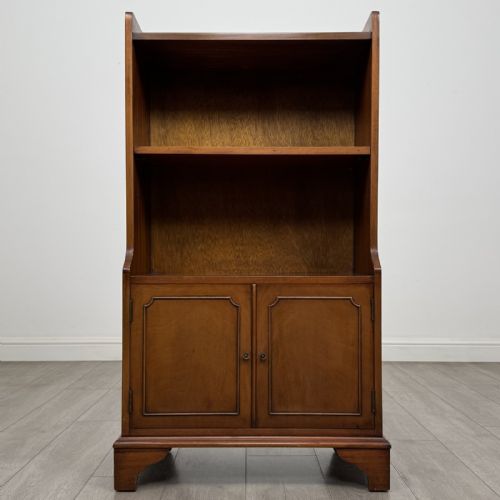
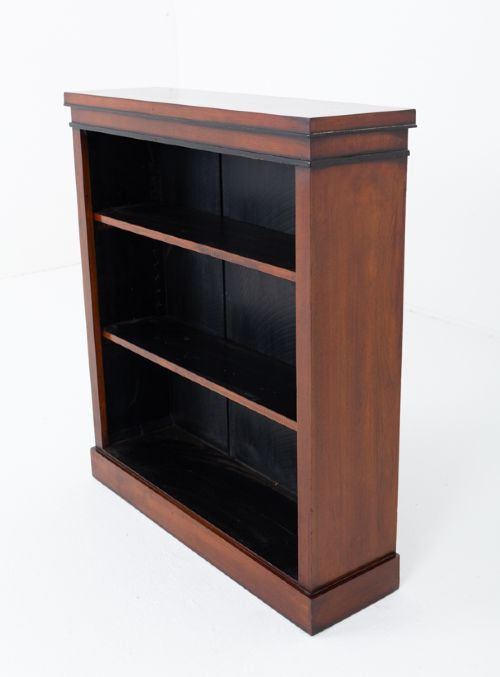
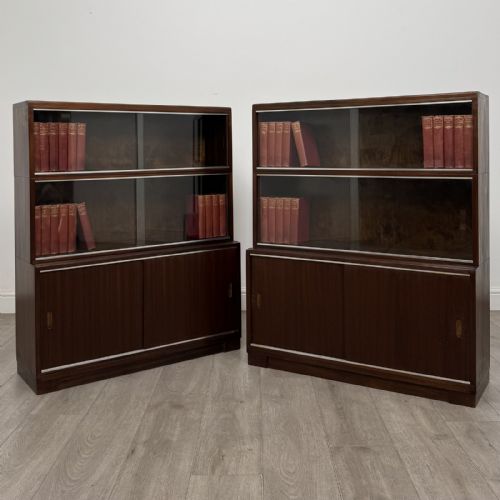
Edwardian and 1920s oak or mahogany versions dominate the selection on this page, often featuring glazed sliding doors, open shelving, or carved linenfold details. Buyers frequently encounter dwarf cabinets and smaller bookcases designed to sit beneath window heights or line compact hallways.
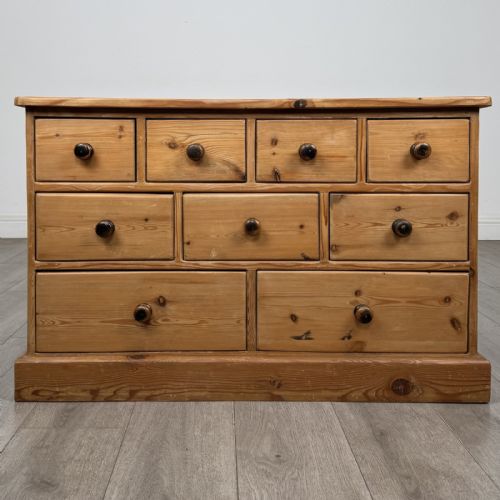
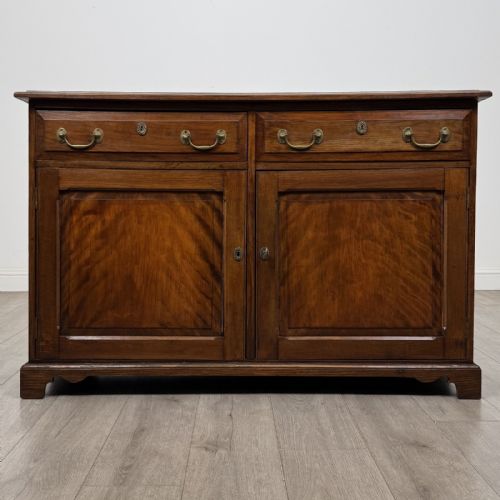
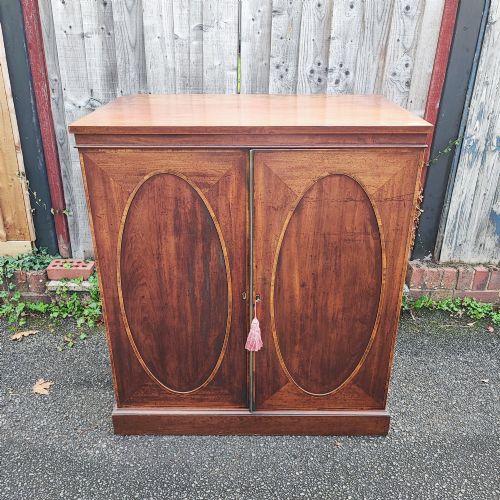
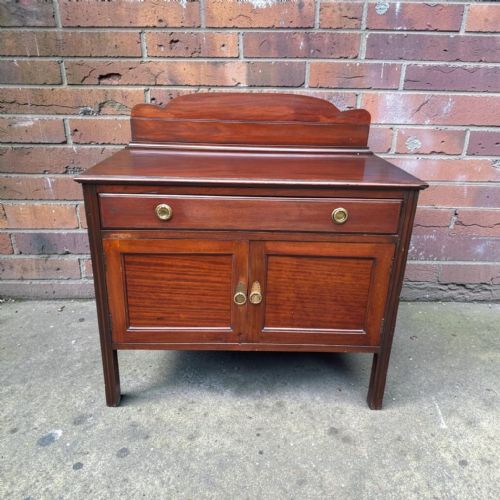
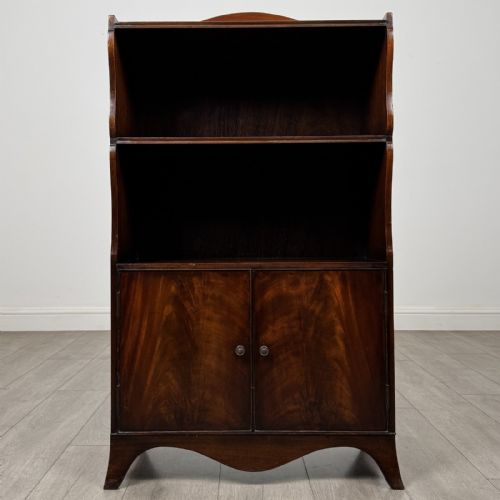
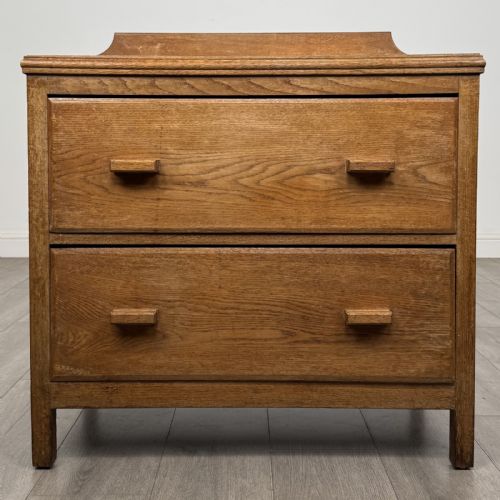
Earlier Georgian and Victorian examples introduce proportions from the 19th century, utilising mahogany and walnut woods with serpentine fronts or raised galleries. Mid-Century Modern and Arts and Crafts pieces also appear, providing alternative aesthetic approaches to low-profile storage.
Materials and construction
Makers relied primarily on native and imported timbers, utilising oak, mahogany, and walnut alongside occasional pine, ash, and satin birch. These woods provided the structural integrity required for heavy bookcases and sideboards intended for daily household use.
Construction techniques combined traditional joinery with surface ornamentation such as dentil cornices, carved edges, turned legs, and decorative glass panels. Brass hardware frequently secured doors and drawers, while paint finishes occasionally appeared on period surfaces.
Vintage Low Cabinet Retail Price Guide 2026
Typical asking prices for vintage low cabinet among the pieces listed under this phrase on Sellingantiques today, from the lower quarter to the upper quarter. They describe what is for sale here now, not the wider market.
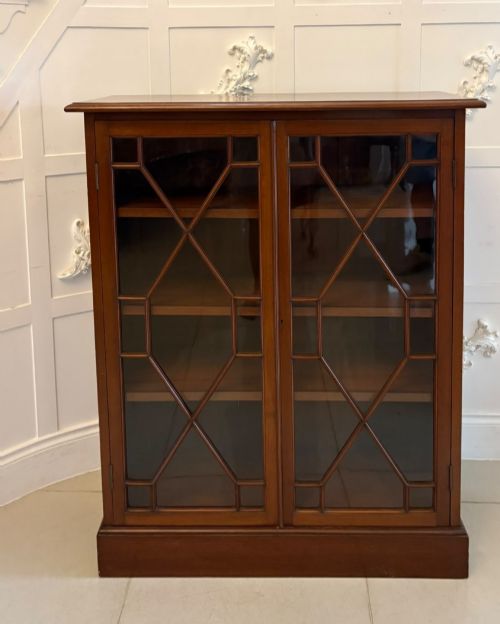
Several cabinets conceal their contents behind sliding glass, sparing residents from the eternal struggle of doors colliding with stubborn coffee tables.
Gradations of craftsmanship
The standard of a vintage low cabinet rests upon the selection of timber and the precision of its joinery, where finely figured grains and tight dovetail joints separate superior examples from utilitarian pieces. The integrity of applied carvings, turned supports, and original glass panes further distinguishes workshop production.
Maker attribution elevates a piece, with documented items from recognised workshops or retailers carrying distinct construction markers. The preservation of original surface treatments and hardware without subsequent alteration determines the overall integrity of the cabinet.
Jaycee·Bowman Brothers·Liberty·Ercol
The Vintage Low Cabinet Glossary
- Dwarf cabinet
- A low-standing piece of storage furniture designed to sit below eye level, often containing shelves or small cupboards. These items became popular in Victorian and Edwardian interiors for displaying books or ceramics without blocking light.
- Breakfront
- A piece of furniture whose central section projects forward from the flanking wings. This architectural arrangement creates visual depth and is frequently seen on larger dresser bases and bookcases.
- Linenfold
- A style of carved wooden panelling that resembles folded fabric, typically linen. It is commonly found on Edwardian oak cupboards and revival pieces.
- Dentil cornice
- A moulding pattern composed of small, rectangular tooth-like blocks repeated along the upper edge of a cabinet or bookcase. This classical detail originates in architecture and transfers to fine cabinetmaking.
Vintage Low Cabinet: Frequently Asked Questions
What rooms suit a vintage low cabinet?
These compact cabinets fit easily beneath windows or along low walls, making them practical for living rooms, hallways, and studies where tall shelving would overwhelm the space.
Their varied configurations of open shelves and enclosed cupboards provide flexible storage for books, glassware, and everyday objects without blocking natural light.
How do I identify an Edwardian cabinet?
Edwardian pieces frequently utilise light or golden oak, incorporating carved edges, turned legs, and linenfold panels that reflect a revival of earlier domestic styles.
They often appear as open bookcases or small cupboards produced in large numbers during the early twentieth century to satisfy growing middle-class demand.
Are sliding glass doors original to 1920s cabinets?
Yes, horizontal sliding glass doors became common during the 1920s, allowing easy access to bookshelves and display cabinets in smaller modern rooms.
This mechanism offered a space-saving alternative to traditional hinged doors that required clearance to swing outward into the room.
What is the difference between a dresser base and a sideboard?
A dresser base typically originates from earlier centuries as the lower portion of a kitchen or dining room dresser, often featuring rows of drawers and cupboards.
Sideboards developed primarily as dining room furniture designed for serving food and storing tableware, featuring longer proportions and varied internal compartment layouts.