


Vintage Lounge Table
A vintage lounge table brings character to a room, offering practical surface space through coffee tables, occasional tables, and low centre tables.
Vintage Lounge Table
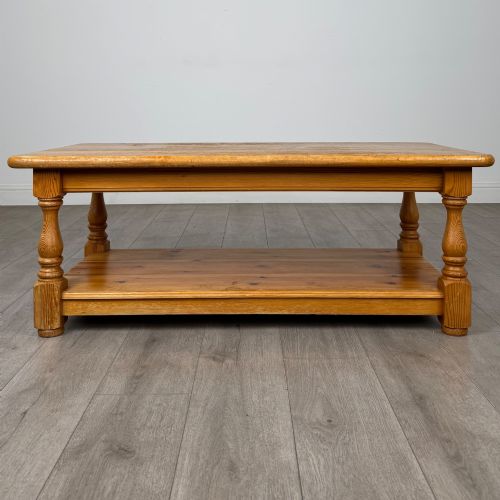
When you search for a vintage lounge table, you encounter a varied selection of low tables designed for sitting areas, drawing rooms, and verandas. The examples listed here span periods from the nineteenth century through the Art Deco era and include coffee tables, occasional tables, and low centre tables.
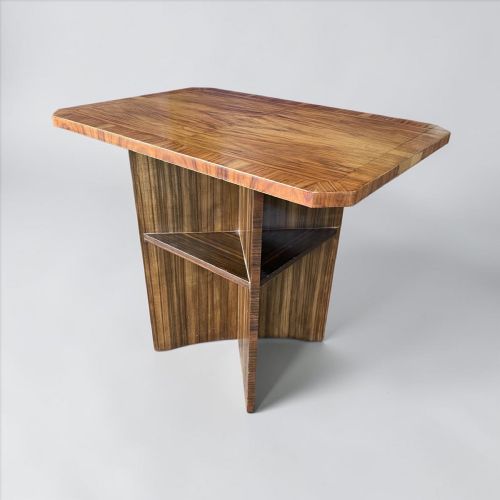
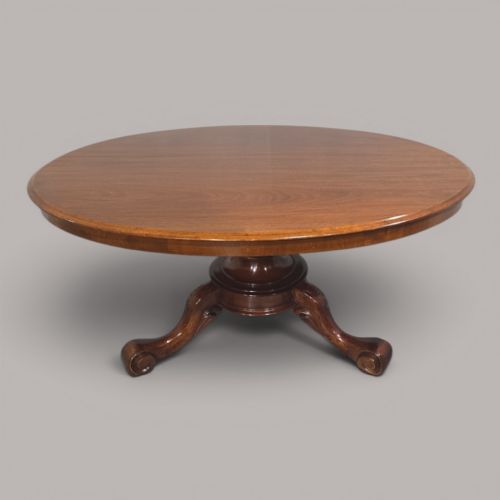
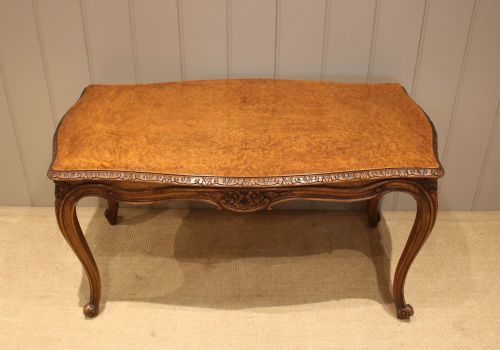
The forms vary widely across different aesthetic traditions. You find Victorian oval and burr walnut topped tables alongside Art Deco blonde oak pieces and rustic painted oak items from the early twentieth century.
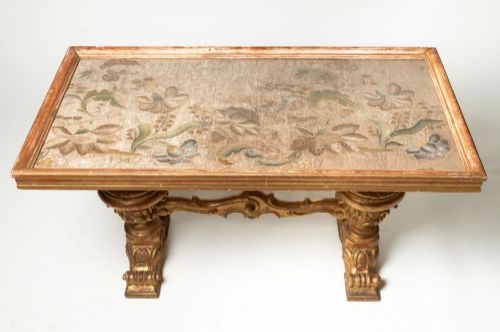
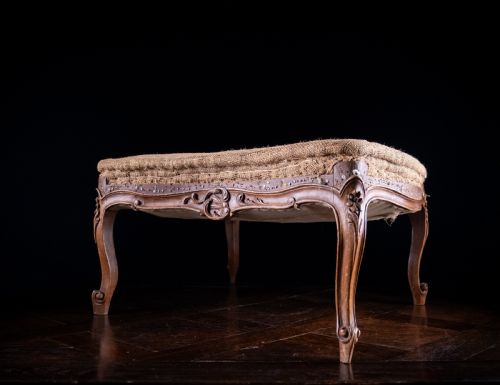
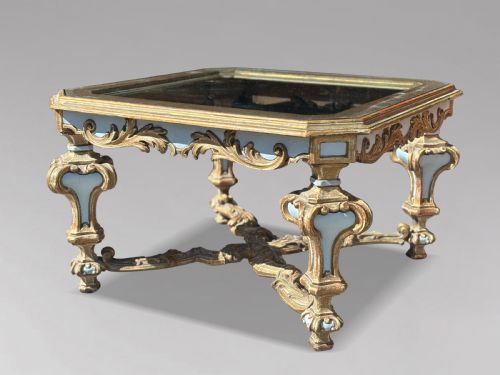
Other variations include low Chinese hardwood tables, French satinwood designs, and Italian baroque coffee tables. These diverse origins mean each piece brings a distinct regional character and period detail to a modern interior.
Materials and construction
The construction relies heavily on traditional timber working, utilising hardwoods such as mahogany, walnut, oak, and beech. Many surfaces feature decorative treatments including walnut veneer, gold leaf, paint, and intricate satinwood or hardwood inlay.
Structural elements vary by period and style, ranging from carved beech and hardwood frames to modern cast iron tripod bases paired with burr walnut tops. Folding mechanisms appear on specific verandas and garden party serving tables designed for versatility.
The listings feature tables made from mahogany, walnut, oak, beech, and satinwood, spanning the Victorian and Edwardian eras alongside the 1920s and 1930s.
Quality variations
Quality in these low tables rests on the selection of timber and the execution of surface treatments. Pieces featuring burr walnut veneer or detailed carving demonstrate greater craftsmanship than standard painted or utilitarian items.
The integrity of the construction, from the stability of tripod bases to the precision of joinery in Chinese hardwood and Art Deco oak designs, dictates the overall standard of the piece.
Harrods
The Vintage Lounge Table Glossary
- Burr walnut
- A prized timber harvested from walnut tree growths, valued for its swirling, highly figured grain patterns. It frequently appears on table tops from the Victorian period.
- Occasional table
- A small, movable table intended for specific, intermittent uses within a living space or lounge. These pieces often serve as display or coffee surfaces.
- Satinwood
- A durable, lustrous hardwood with a yellowish sheen used in fine cabinet making. French examples utilise this timber for refined surface finishes.
- Tripod base
- A support structure featuring three legs radiating from a central column. This configuration appears on Victorian tables paired with burr walnut tops.
Vintage Lounge Table: Frequently Asked Questions
What defines a vintage lounge table?
A vintage lounge table encompasses low furniture pieces designed for seating areas, including coffee tables, occasional tables, and low centre tables. They span multiple eras from the nineteenth century through the Art Deco period.
These tables utilise materials like mahogany, walnut, oak, and satinwood, reflecting styles from rustic farmhouse to French rococo revival and Italian baroque.
How do I identify a Victorian table?
Victorian tables often feature dark hardwoods such as mahogany and burr walnut. Common forms include oval tops, low centre tables, and tables mounted on cast iron tripod bases.
Craftsmanship from this era prioritises substantial timber construction and detailed grain patterns on top surfaces.
What is an Art Deco lounge table?
Art Deco lounge tables typically date from the 1920s and 1930s, utilising materials like blonde oak and walnut veneer. Their forms embrace modern geometric lines while retaining high quality woodwork.
These pieces suit contemporary interiors that favour streamlined shapes and clean, polished wooden surfaces.
How do I care for a wooden table?
Wooden tables require gentle maintenance to preserve timber finishes like paint, gold leaf, and walnut veneer. Regular dusting and avoiding excessive moisture protect the structural and decorative integrity of the surface.
Keeping tables away from direct heat sources prevents the warping of hardwoods and preserves inlaid details.