

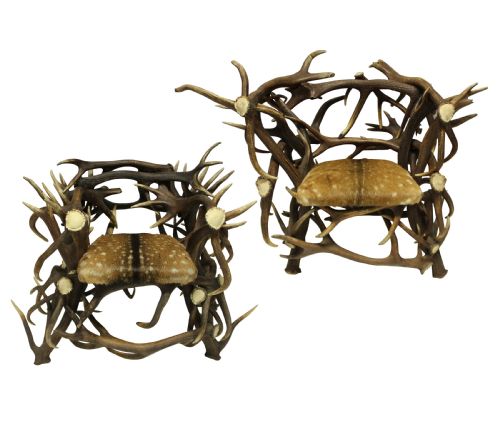
Vintage Lounge Seating
Vintage lounge seating brings character to a room through armchairs, sofas, and daybeds spanning the nineteenth and twentieth centuries.
Vintage Lounge Seating
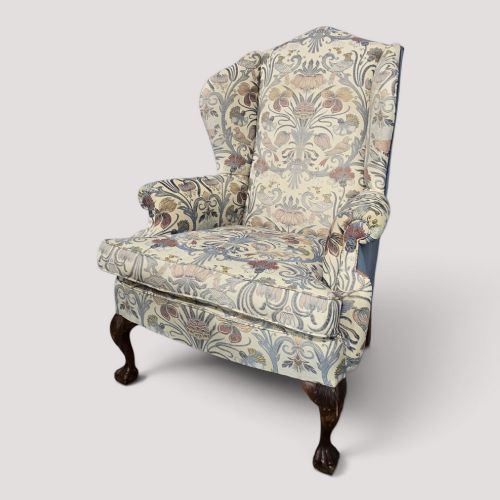
Vintage lounge seating encompasses a broad array of comfortable resting furniture designed for relaxation in domestic spaces. When exploring vintage lounge seating, buyers encounter diverse forms ranging from large wing armchairs and club chairs to daybeds, slipper chairs, and complete seating suites.
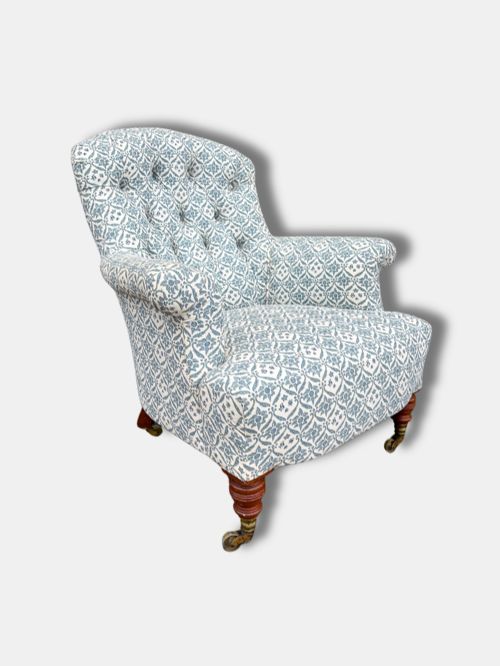
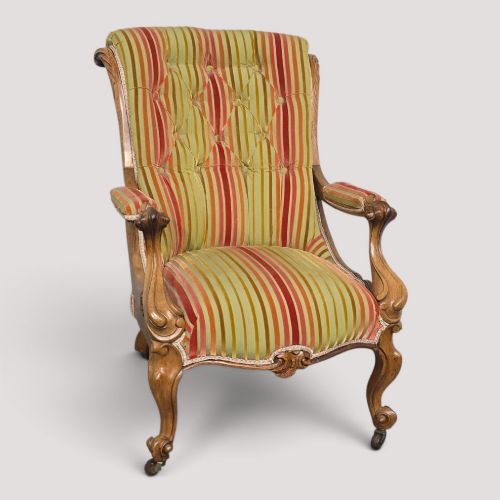
The pieces originating on this page stretch from the Victorian and Edwardian eras into the Art Deco period of the 1930s. Solid proportions and generous padding define these designs, offering an alternative to modern mass-produced furniture.
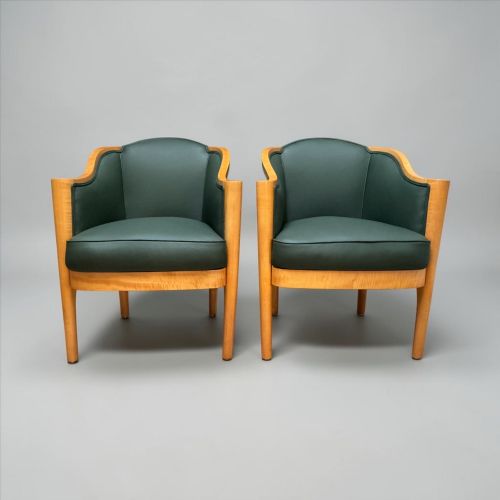
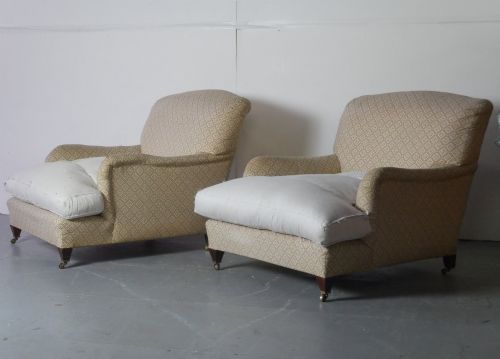
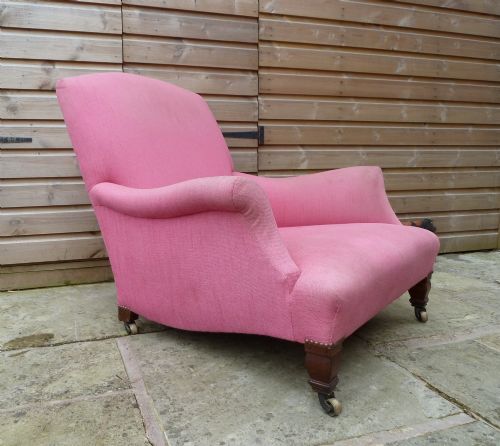
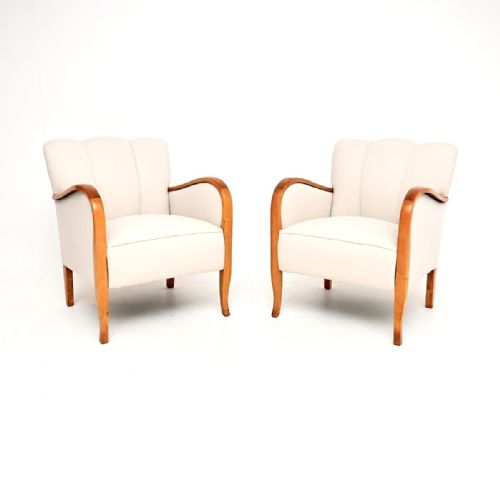
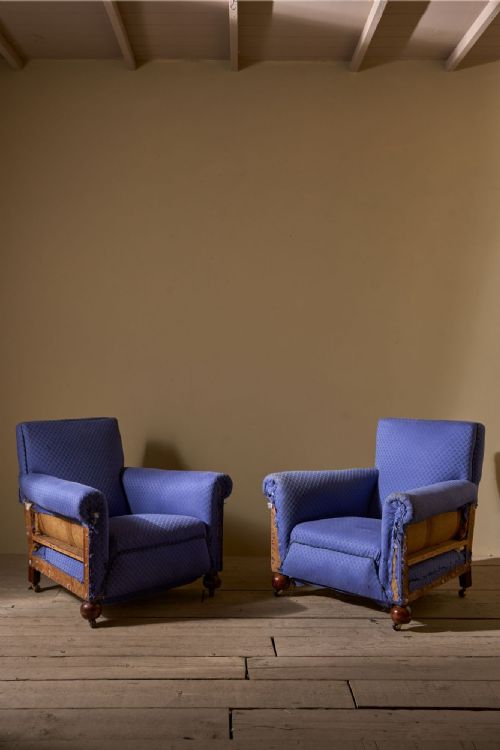
Armchairs dominate the selection, often appearing as matched pairs alongside occasional chairs and larger lounge suites. Origins span English country house styles, French club chairs, and Swedish Art Deco creations in satin birch.
How vintage lounge seating was made
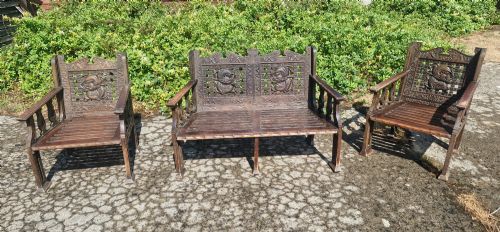
Construction relies heavily on traditional timber frames fashioned from mahogany, walnut, oak, rosewood, and birch. Joinery techniques from the nineteenth and early twentieth centuries ensure structural endurance, frequently paired with carved detailing or inlaid wood.
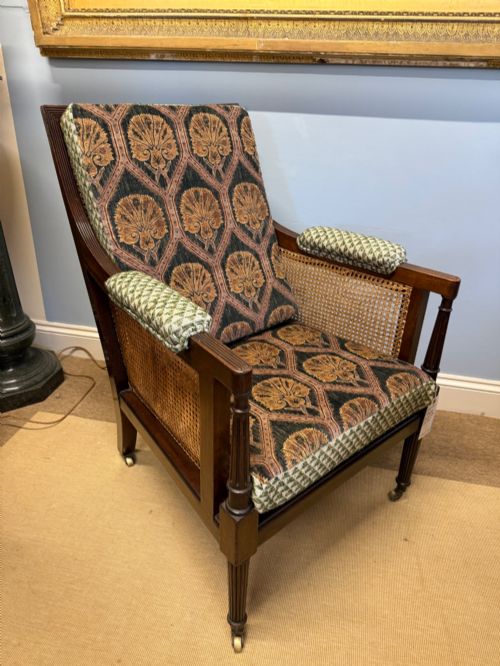
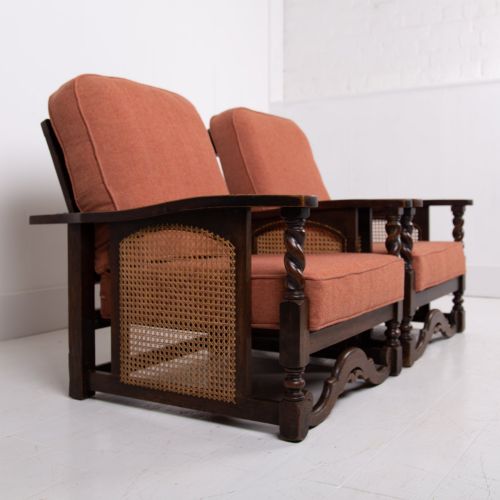
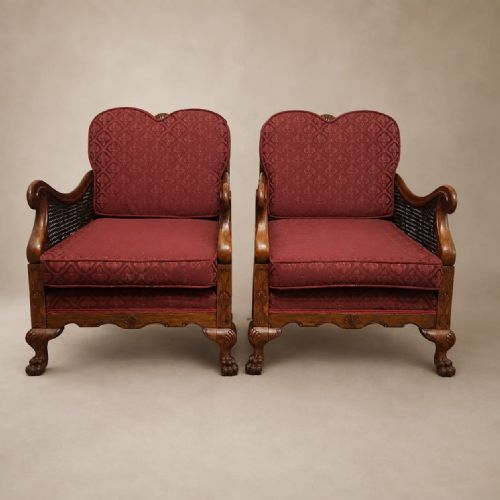
Upholstery methods incorporate supportive materials such as split cane panels, brass detailing, and button-backed leather or fabric coverings. Interior comfort is achieved through traditional stuffing and feather fillings within cushions.
Periods represented span from the late Victorian and Edwardian eras through to Art Deco designs of the 1930s.
What varies in quality
The distinction between tiers of vintage lounge seating rests on the integrity of the timber frame and the authenticity of the materials. Pieces retaining their original configuration, carved woodwork, and precise joinery command greater respect among collectors.
Upholstery choices and the execution of period details, such as button-backing, leather patination, or satin birch graining, elevate certain pieces above standard utility seating. Maker attribution also plays a central role in distinguishing exceptional examples.
Howard and Sons·Maurice Adams·Whytock and Reid·Hille
The Vintage Lounge Seating Glossary
- Bergere
- An enclosed upholstered armchair with wooden framing, often featuring cane work on the back and sides. This French-derived style provides a lighter visual weight while maintaining structural solidity.
- Club chair
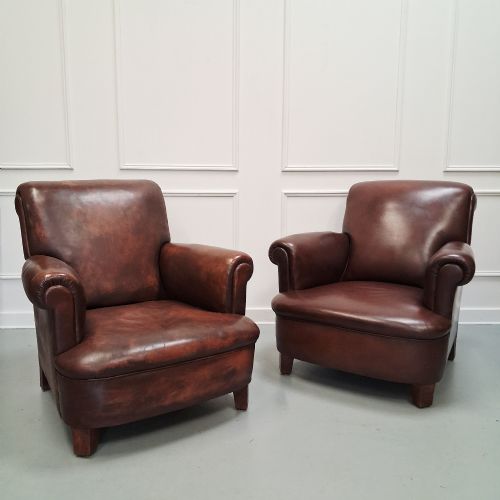
- A heavily upholstered low-slung armchair traditionally covered in leather. These chairs originated in French clubs and salons during the early twentieth century.
- Satin birch
- A pale, highly figured timber used extensively in Swedish Art Deco furniture design. It offers a smooth surface finish that highlights natural wood patterns.
- Wingback
- An armchair featuring high sides attached to the back, designed to shield the occupant from drafts. Early versions frequently incorporate deep padding and upholstered wings.
- Daybed
- A form of furniture serving as both a seat and a bed for resting during daytime hours. Victorian and later examples often incorporate cast iron or timber frames.
Vintage Lounge Seating: Frequently Asked Questions
What defines an Art Deco armchair?
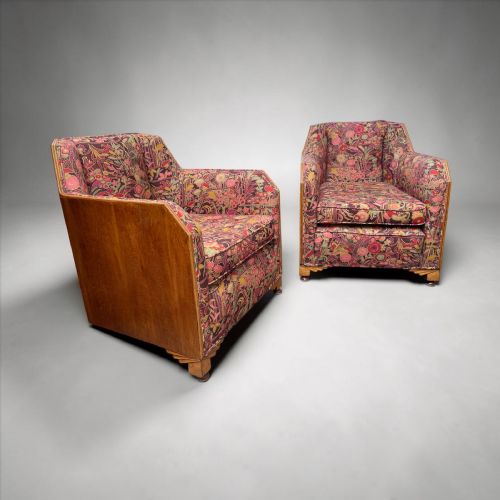
Art Deco armchairs from the 1930s often feature streamlined geometric silhouettes, polished wood finishes like satin birch, and upholstered leather or fabric surfaces.
These pieces reflect modernist design principles focusing on clean lines and functional elegance.
How do I identify a club chair?
Club chairs are distinguished by their deep, comfortable seating proportions and substantial leather upholstery. They typically present a low profile with broad armrests designed for relaxed lounging.
French club chairs from the 1930s are particularly noted for their rounded contours and supple patinated leather.
Are these chairs suitable for daily use?
Many vintage lounge chairs are built with sturdy timber frames and feather-filled cushions designed for regular domestic seating. Selecting pieces with sound structural framing ensures longevity in daily living spaces.
Replacement of internal cushioning or upholstery allows older frames to meet modern comfort standards.