


Vintage Louis XVI Tables
Vintage louis xvi tables bring neoclassical proportion and refined French design into domestic spaces, offering both decorative presence and practical utility.
Vintage Louis XVI Tables
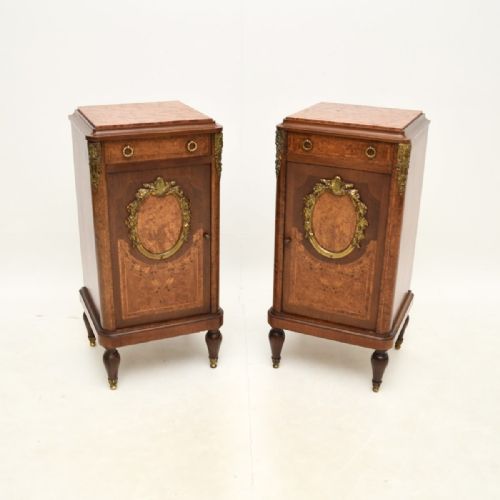
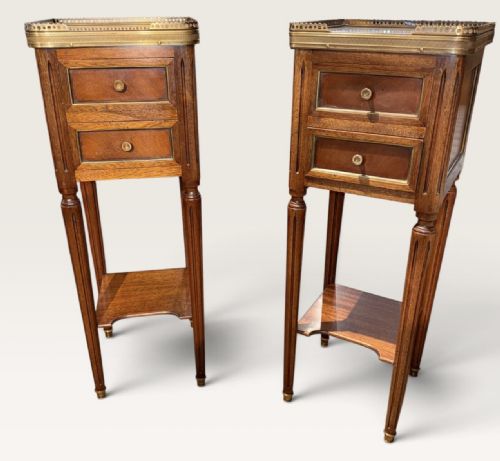
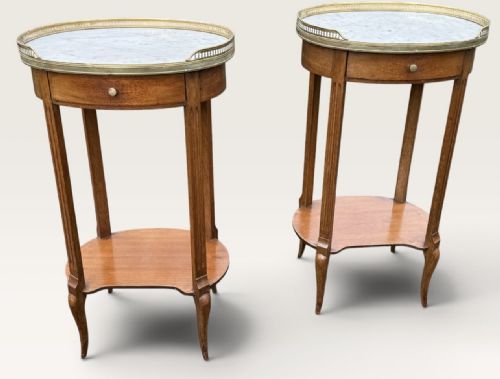
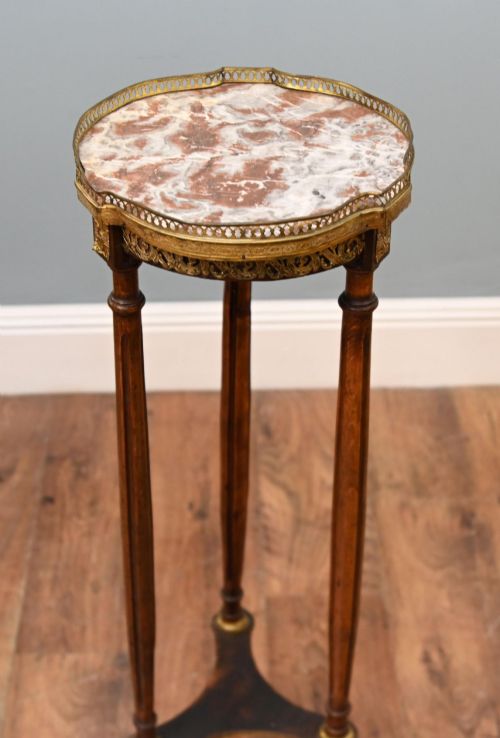
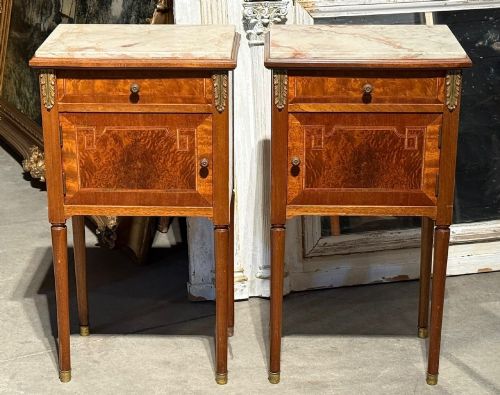
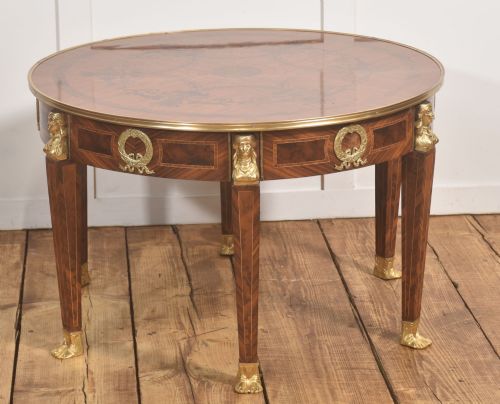
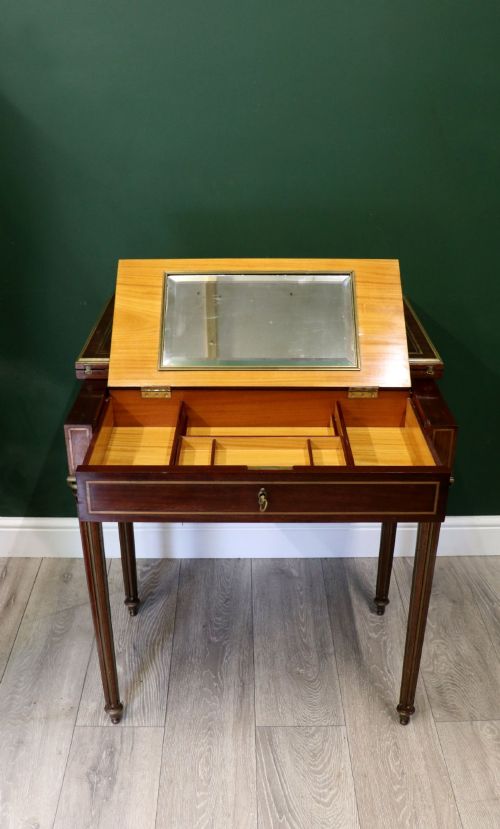
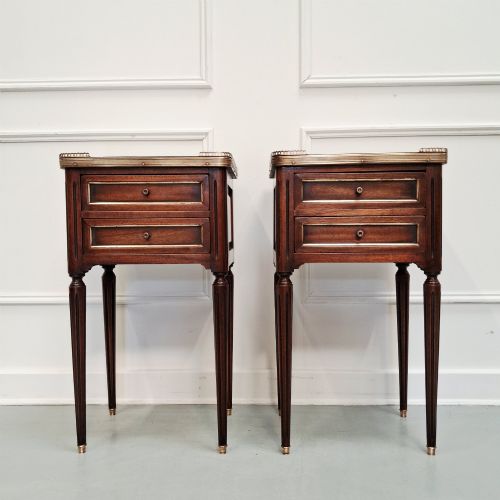
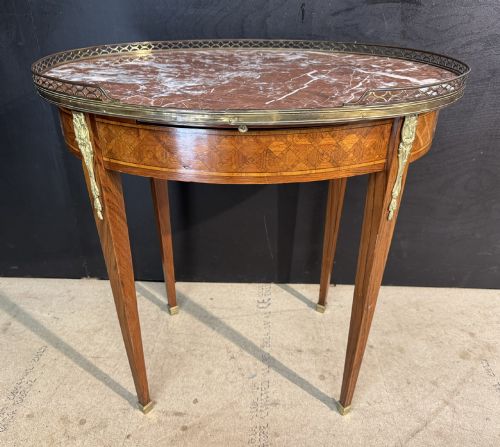
Buyers frequently encounter bedside tables, lamp tables, and pedestal stands featuring marble tops and marquetry. These forms reflect the enduring influence of French chateau interiors adapted for domestic use across successive decades.
What varies in quality
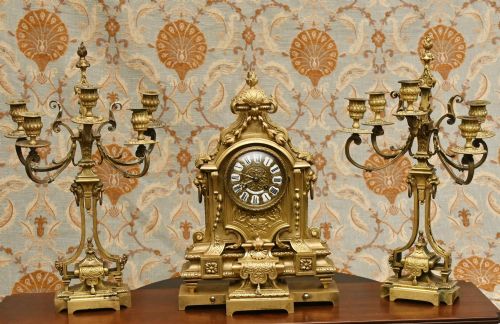
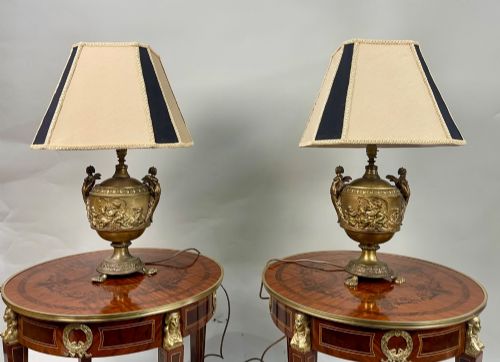
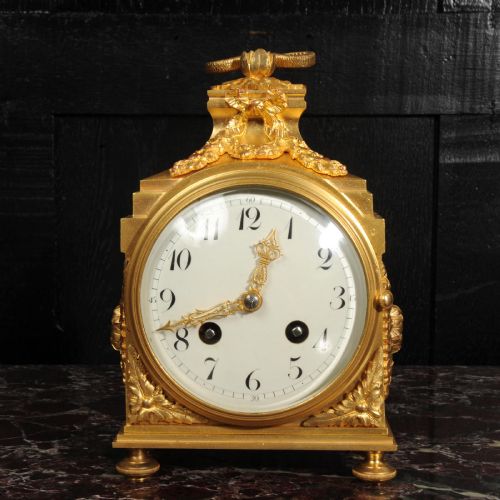
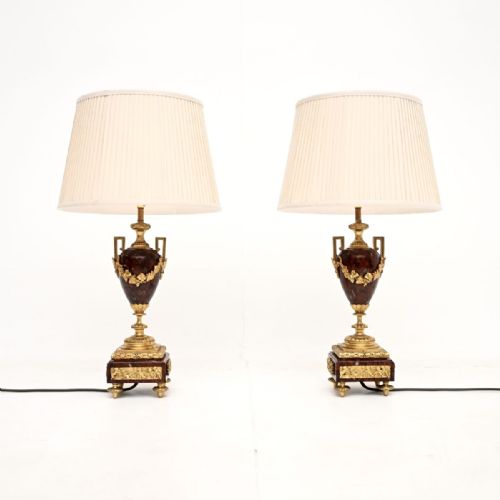
The refinement of the cast bronze or ormolu mounts determines the visual crispness of details like foliage, beadings, and neoclassical motifs. Heavier, finely chiselled mounts indicate superior workshop standards compared to softer, more generalised castings.
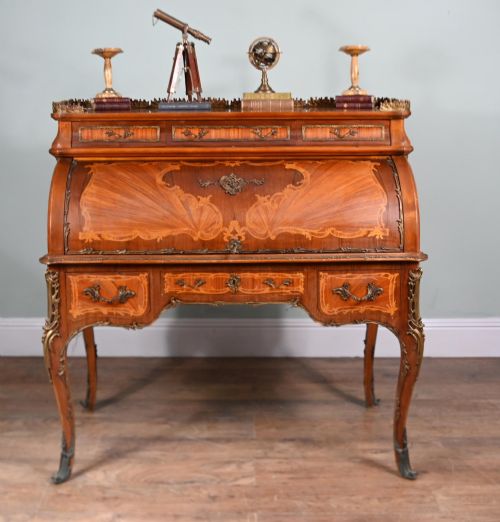
The selection of timber veneers and the precision of the marquetry inlay reflect the maker's competence. Substantial marble tops with harmonious veining elevate the construction value over simpler timber surfaces.
Vintage Louis XVI Tables Retail Price Guide 2026
Typical asking prices for vintage louis xvi tables among the pieces listed under this phrase on Sellingantiques today, from the lower quarter to the upper quarter. They describe what is for sale here now, not the wider market.
Listings feature periods spanning from the eighteenth century through to nineteen sixty, utilising materials including marble, brass, mahogany, ormolu, and glass.
François Linke·Maples of London and Paris
The Vintage Louis XVI Tables Glossary
- Ormolu
- Gilded bronze applied as a decorative mount to furniture and clocks. It provides a metallic accent that highlights structural lines.
- Marquetry
- The art of applying pieces of veneer to a structure to form decorative patterns. Craftsmen use various woods to achieve tonal contrast.
- Neoclassical
- A style reviving classical antiquity forms, characterised by straight lines, symmetry, and restrained ornamentation. It defines the core visual vocabulary of these pieces.
- Gueridon
- A small round table supported by one or more columns. Originating in the seventeenth century, these forms persist through later revival periods.
Vintage Louis XVI Tables: Frequently Asked Questions
How do I identify a genuine period piece?
Examination of construction methods, timber shrinkage, and hand-cut joinery helps determine the age of a piece. Revival items often replicate earlier proportions while utilising nineteenth or twentieth-century manufacturing techniques.
Comparing the casting quality of ormolu mounts and the wear patterns on wooden surfaces provides further context regarding the date of manufacture.
What materials are typical for these tables?
Common materials include mahogany, walnut, satinwood, and oak, frequently paired with imported marble tops in white, red, or violet tones. Ormolu and gilt bronze mounts decorate the edges and legs.
Glass tops and painted finishes also appear on specific occasional tables and bedside cabinets from later revival periods.
Where were these tables originally used?
These items served functional roles in bedrooms, salons, and drawing rooms of French chateaux and urban residences. Bedside cabinets held lighting and personal items, while console tables and pedestal stands displayed decorative objects.
Occasional tables provided moveable surfaces for tea or correspondence within formal entertaining spaces.
How should I care for marble tops?
Marble surfaces require gentle cleaning with a damp cloth and mild soap to avoid damaging the polished stone. Acidic substances like citrus or wine should be wiped away promptly to prevent etching.
Applying a specialist stone wax periodically helps protect the finish from moisture and everyday wear.