
Vintage Log Planter
A vintage log planter brings texture and warmth to a room, functioning equally well as a fireside log bin or a sturdy indoor garden pot.
Vintage Log Planter
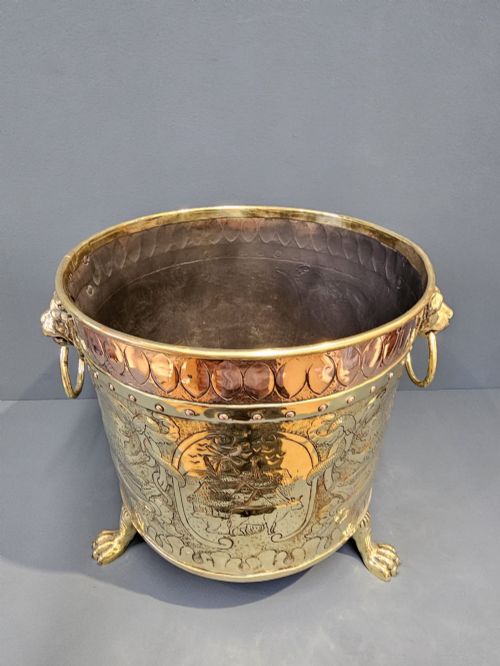
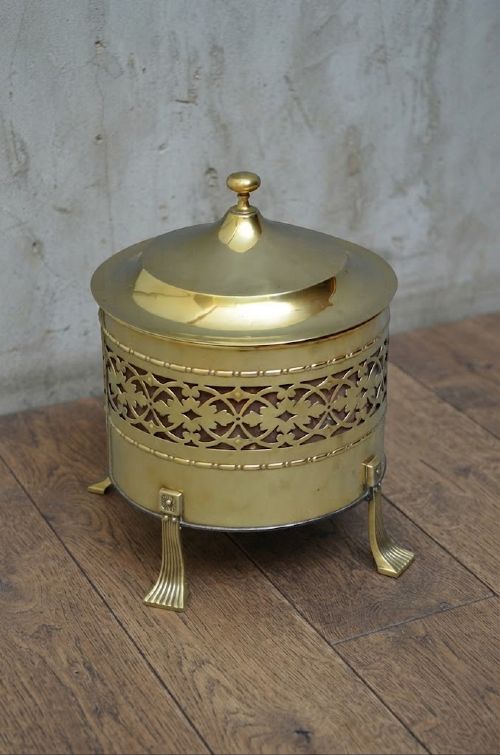
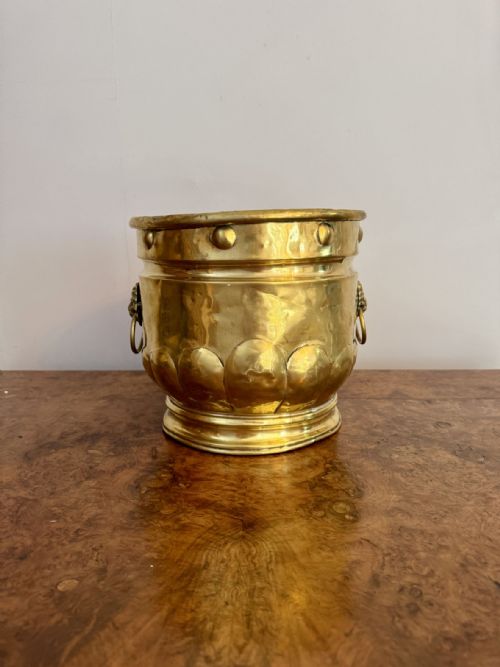
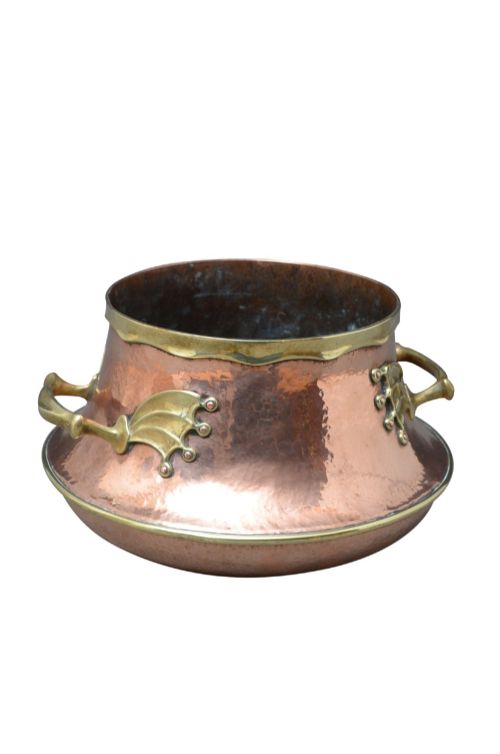
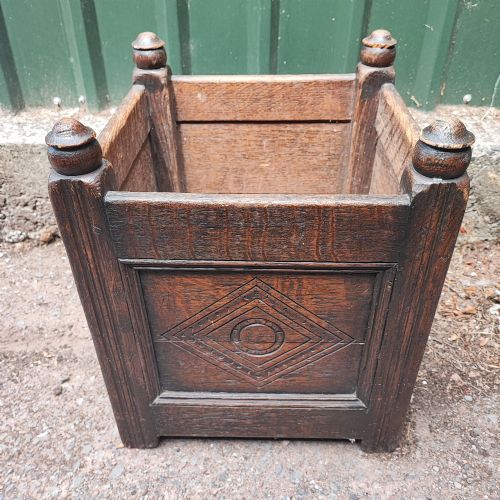
A vintage log planter is typically found in heavy metal or timber forms designed originally for utilitarian tasks such as holding fuel, washing laundry, or heating water. When searching for a vintage log planter, buyers encounter heavy vessels spanning the Georgian, Victorian, and Edwardian periods, including copper pots, brass jardinières, and coopered oak buckets.
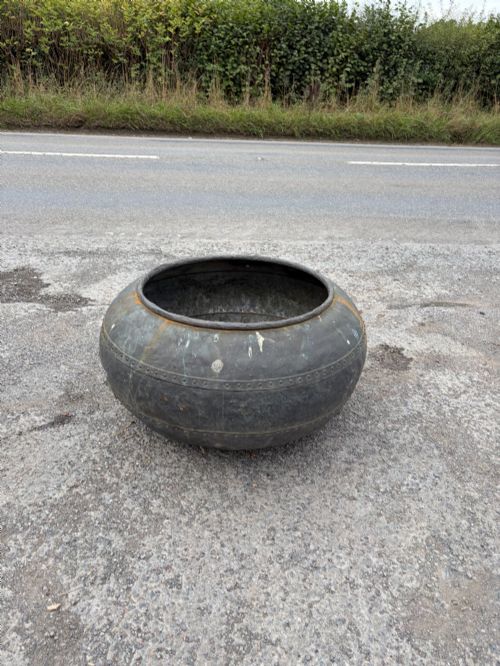
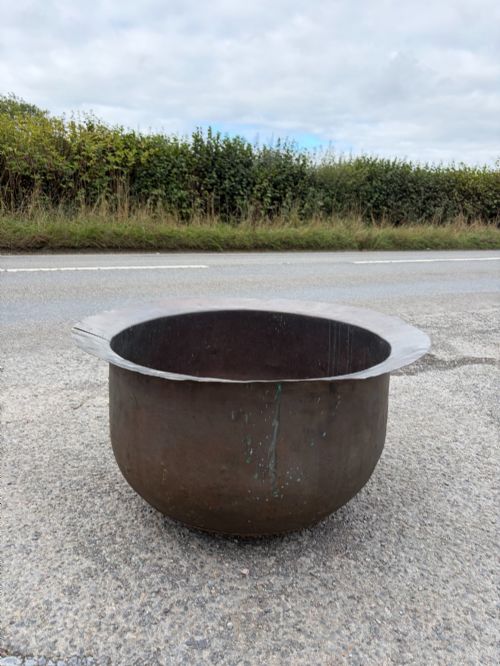
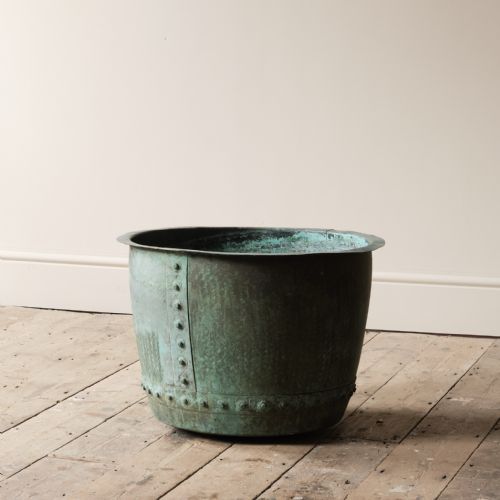
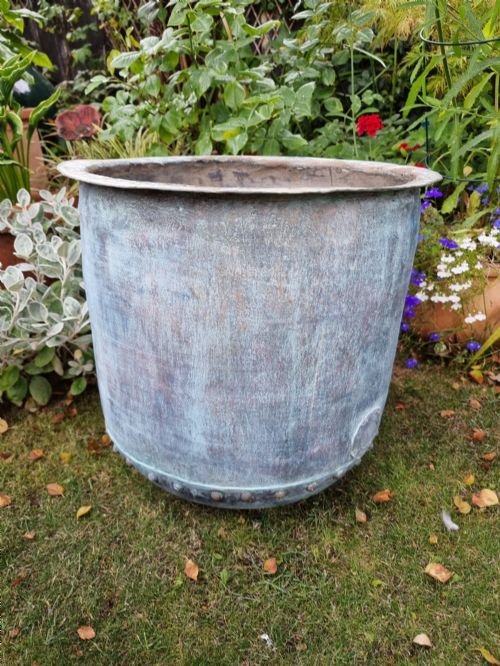
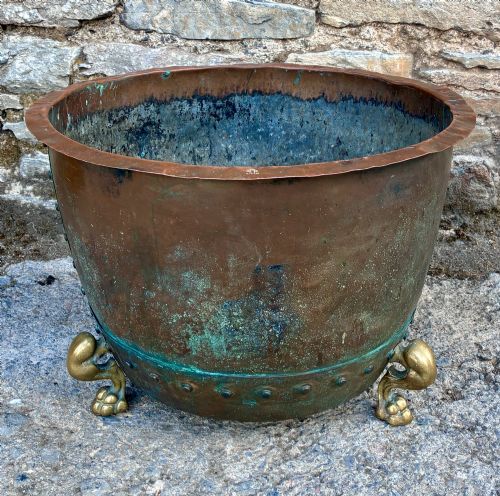
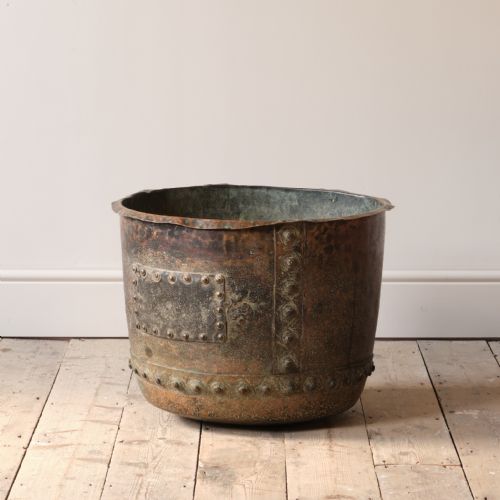
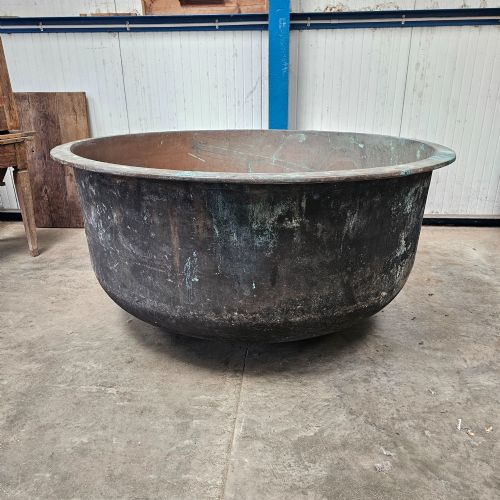
The objects serving this function range from large riveted copper boilers and cheese vats to brass coal buckets, cast iron vessels, and wooden barrels. Many pieces hail from nineteenth-century workshops, showcasing robust construction intended for heavy daily use in domestic or agricultural settings.
Materials and construction
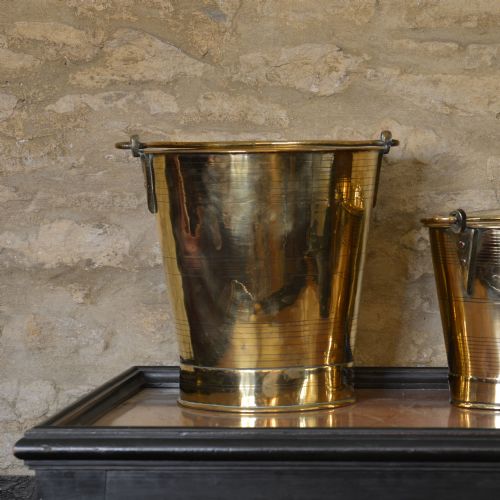
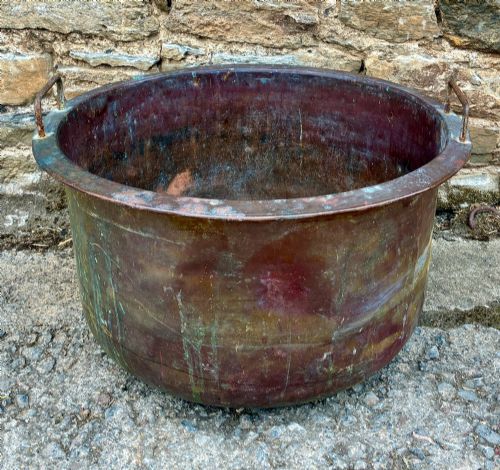
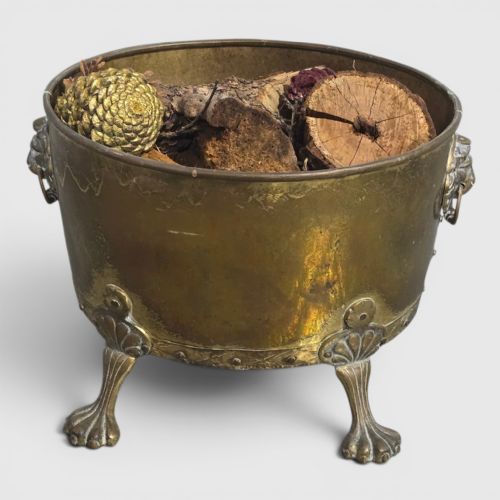
Metal vessels rely on hand-beaten sheet copper and brass, often joined with visible hand-rivets along the seams and finished with contrasting iron or brass swing handles. Many incorporate cast brass feet, embossed heraldic crests, or decorative fretwork collars around the rim.
Wooden examples utilise traditional coopered construction, binding staves of oak, pine, or exotic woods with tight metal hoops. These timber bins frequently retain interior metal liners or retainers designed to handle damp fuel or soil without degrading the primary structure.
Materials in these listings span copper, brass, iron, zinc, oak, pine, and treen across the eighteenth, nineteenth, and early twentieth centuries.
Distinguishing quality in older vessels
Quality rests in the weight of the metal gauge, the regularity of the hand-beating or riveting, and the integrity of any applied brass bands or crests. Thicker copper and dense oak staves retain structural stability and resist dents far better than lighter utilitarian stampings.
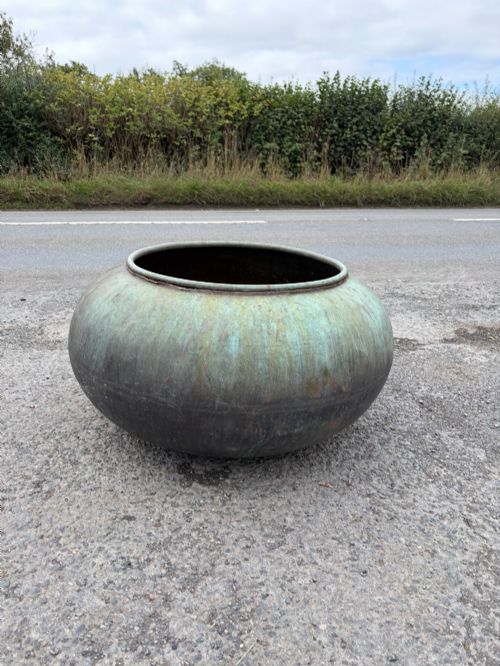
Surface preservation dictates the character of these pieces. Original natural patinas, soft verdigris oxidation, and untouched tool marks separate superior examples from overly polished or modernised substitutes.
The Vintage Log Planter Glossary
- Coopered
- Built from wooden staves bound together by metal hoops, much like a traditional barrel. This method ensures structural strength for holding heavy loads of timber or peat.
- Verdigris
- The green patina that forms naturally on copper and brass through atmospheric oxidation over decades. Collectors prize this surface layer for its visual depth and proof of age.
- Jardiniere
- An ornamental pot or stand designed to hold growing plants, often matching the scale and decorative brass work of nineteenth-century coal buckets.
- Riveted
- Joined together using metal pins hammered flat to secure overlapping metal plates. Hand-riveted seams provide both functional strength and distinct visual texture.
Vintage Log Planter: Frequently Asked Questions
Can I use a metal log bin for actual plants?
Many metal vessels function well as planters, though adding an internal saucer protects surfaces from moisture.
Older pieces lacking drainage holes suit potted plants contained within plastic liners.
How do I clean an antique copper bucket?
Wipe surfaces down with a soft, damp cloth to remove dust without disturbing the historic patina.
Avoid abrasive metal cleaners that strip away the darkened oxidation built up over centuries.
What is the difference between a coal bucket and a jardiniere?
Coal buckets were built for heavy hearth duties, often featuring swing handles and reinforced bases for carrying logs.
Jardinières focus on decorative presentation, frequently incorporating embossed patterns, crests, or delicate fretwork.
How do I date an oak coopered bucket?
Examine the thickness of the timber staves, the hand-forged nature of the iron hoops, and the joinery methods.
Nineteenth-century examples display irregular tool marks and dense grains absent in modern reproductions.