
Vintage Locket Pendant
These vintage locket pendant pieces hold portraits or secrets close, combining wearable sentiment with lasting precious metals.
Vintage Locket Pendant
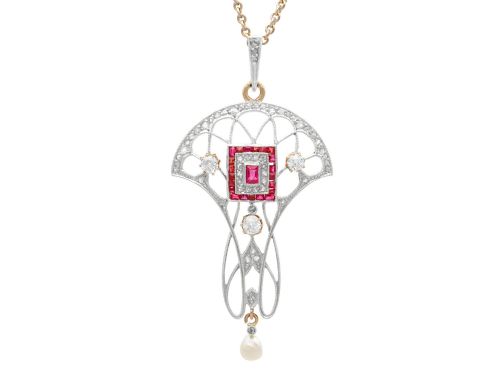
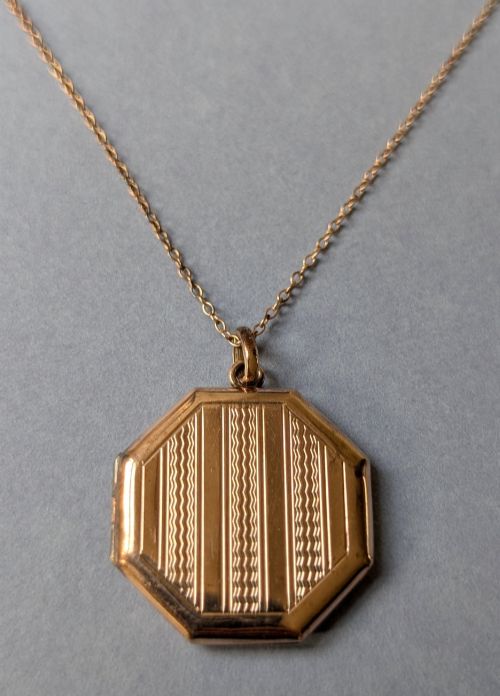
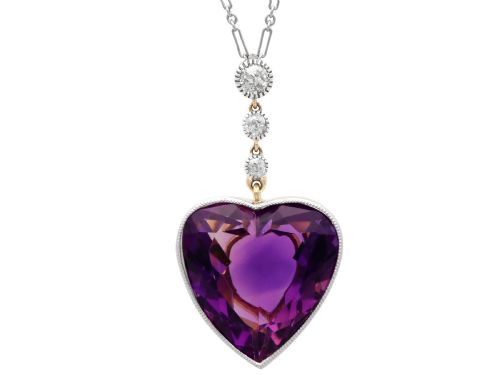
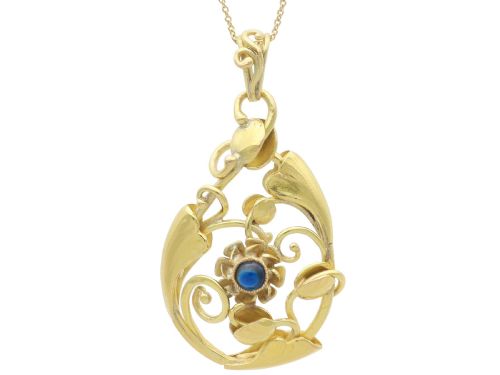
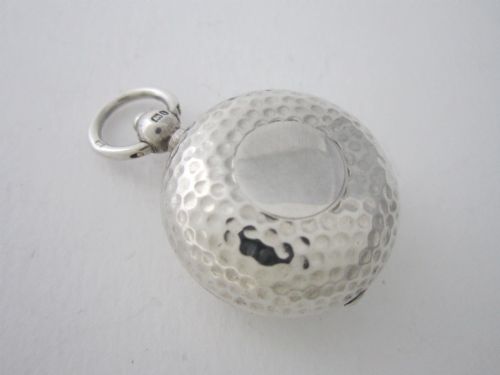
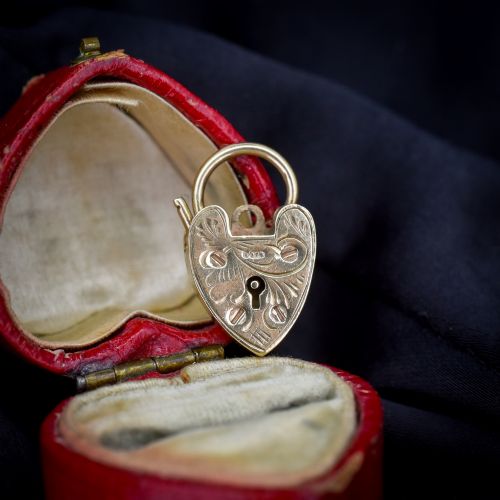
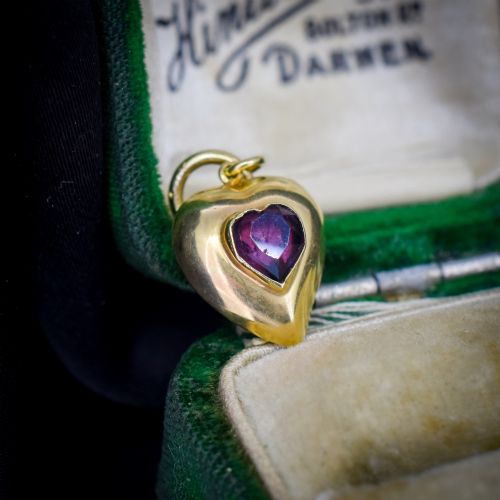
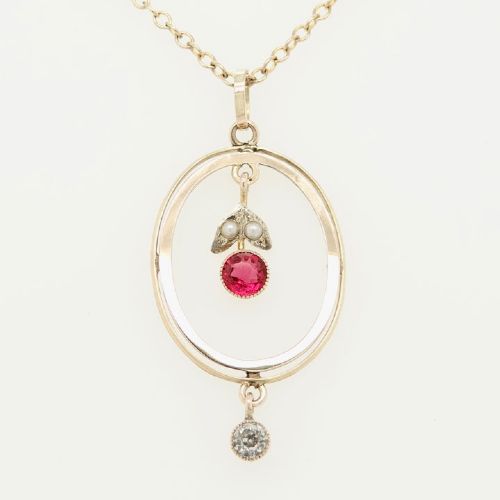
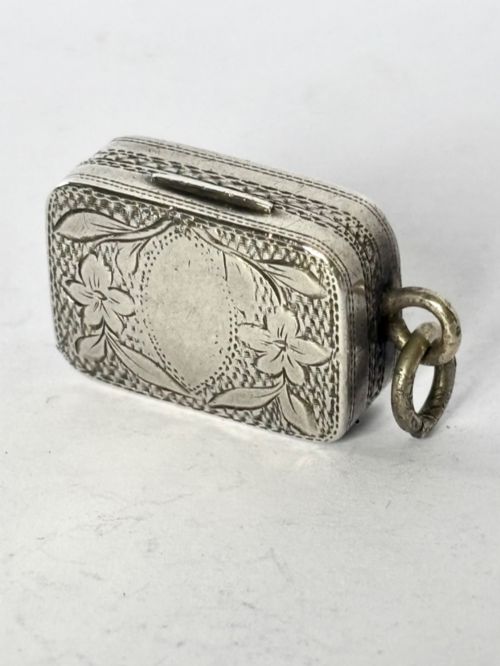
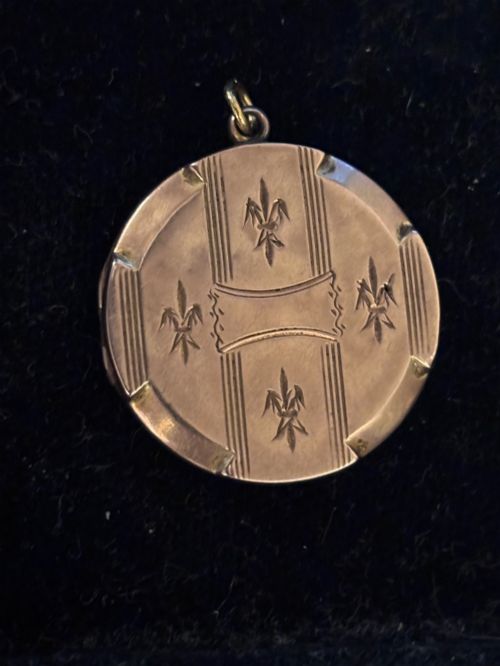
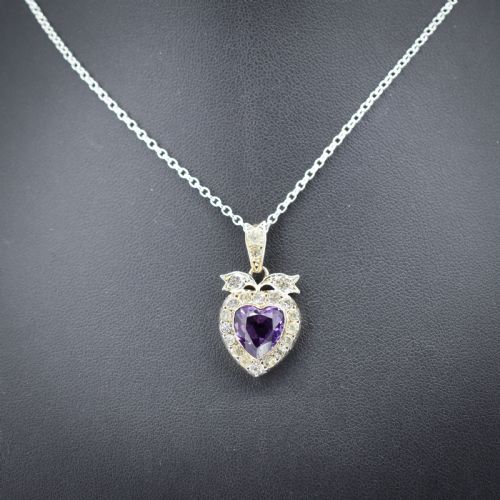
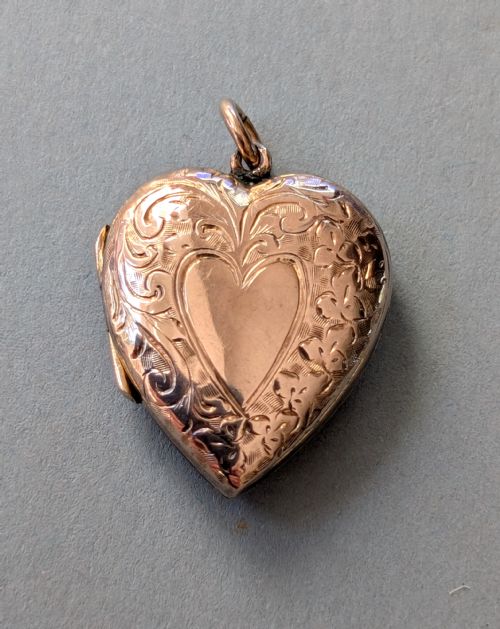
A vintage locket pendant search uncovers hinged containers and decorative drops designed to hold photographs, hair, or miniatures near the heart. Buyers encounter forms ranging from simple oval hinged cases to puffy hearts and intricate stamp or sovereign holders.
The pieces on this page span several eras, with Victorian, Edwardian, and mid-century examples appearing most frequently. Materials shift from sterling silver and 9ct gold to rolled gold and gold back and front constructions.
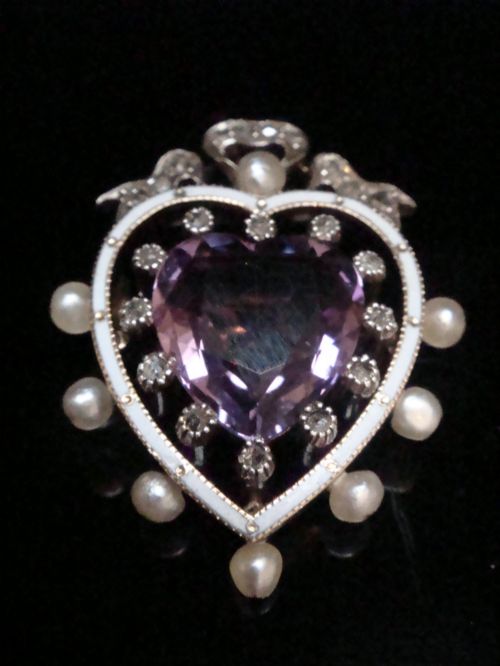
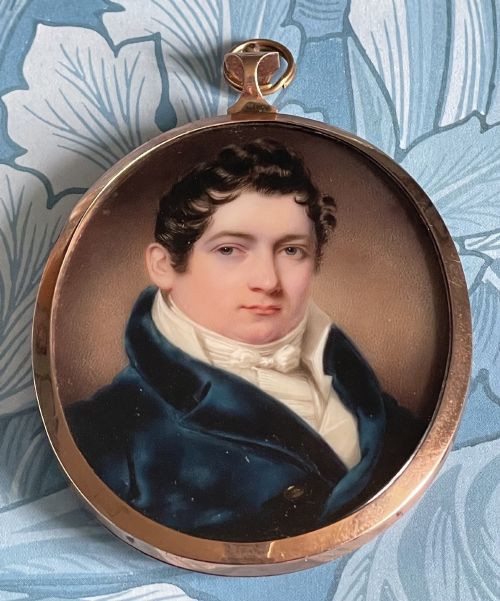
Many items incorporate sentimental motifs such as swallows, flowers, bows, and engraved scrolls. Forms extend beyond standard lockets to include portrait miniatures, sovereign cases, and glass-topped compartments.
Materials and Manufacture
Metals form the structural backbone of these pieces, utilising solid yellow, rose, and white gold alongside sterling silver, silver gilt, and rolled gold. Gold back and front techniques combine precious surface layers with base metal cores for durability.
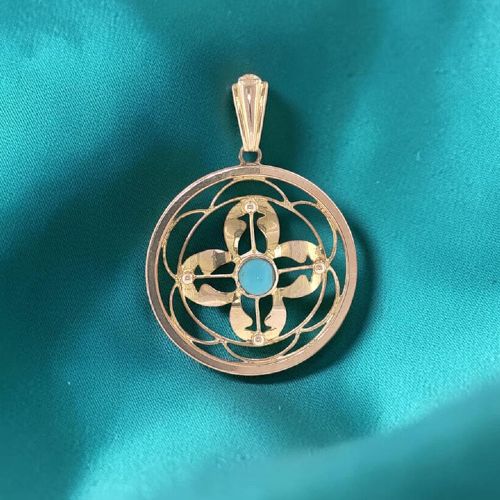
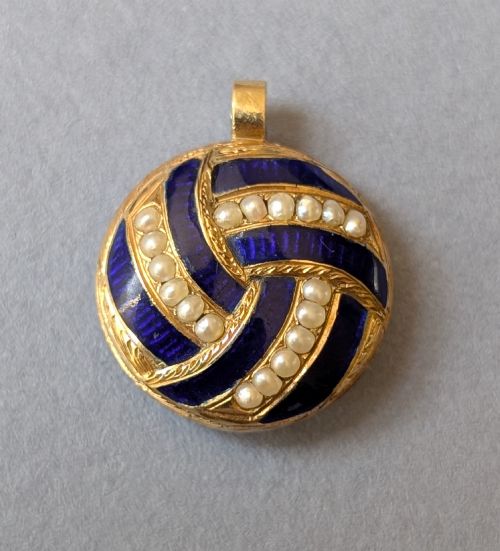
Surface decoration relies on hand engraving, guilloche enamel, filigree wirework, and repousse shaping. Stones like paste, amethyst, turquoise, seed pearls, diamonds, and natural pearls are flush or bezel set into the metal.
Specialised components include tight glass shakers, screw-top bezels, and precise hinge mechanisms that secure internal photograph frames. Maker marks and assay stamps frequently indicate Birmingham, Chester, or international workshops.
Assessing Craftsmanship and Condition
Quality separates pieces by the crispness of hand engraving and the structural integrity of the hinge and snap closure. Superior examples retain sharp floral or scroll motifs without softening from excessive wear or polishing.
The choice of internal materials and gemstone setting distinguishes finer workshops from mass production. Well-executed enamel work, secure bezel settings, and heavier gauge gold indicate higher initial investment and enduring construction.
Samuel Pemberton·Crisford and Norris·Albert Ernest Jenkins·John C D Engleheart
The Vintage Locket Pendant Glossary
- Guilloche enamel
- Enamel applied over engine-turned metalwork. This technique creates geometric patterns visible beneath a translucent coloured glass layer.
- Paste
- Faceted lead glass cut to imitate gemstones. It appears frequently in Georgian and Victorian jewellery to simulate diamonds or coloured stones.
- Back and front
- Jewellery construction where the exterior surfaces use precious gold while the internal frames and lining utilise base metals.
- Sovereign case
- A small pocket container designed to hold British gold sovereign coins. They often feature spring-loaded lids and suspension loops.
- Vinaigrette
- A small ornamental box featuring a perforated inner grille. It held a sponge soaked in aromatic vinegar.
Vintage Locket Pendant: Frequently Asked Questions
How do I open an old locket?
Most hinged lockets feature a small thumbnail notch along the side opposite the hinge. Gentle pressure applied here releases the snap closure without straining the metal.
Avoid using sharp metal tools to pry open stuck cases, as this scratches the gold or silver surface. A tiny drop of oil on a stubborn hinge can help free aged mechanisms safely.
What is gold back and front?
This method sandwiches a base metal core between thin sheets of solid gold. It provided the visual appeal of solid gold while keeping the weight and cost manageable.
Pieces made this way are durable but require careful polishing to avoid wearing through the thin precious metal layer on high points.
Can I put modern photos inside?
Original paper photographs or hairwork can sometimes be found inside, but modern printed images fit easily with careful trimming. Most vintage compartments use tiny metal rims or celluloid covers to hold pictures in place.
Measure the interior recess carefully before cutting new photographs to ensure they slide behind the retaining bezels without folding.
How do I date an Edwardian locket?
Edwardian pieces often feature delicate filigree, platinum-topped silver, bows, and pastel enamel work. Hallmark stamps inside the case provide precise assay office and year markers.
Stylistic cues like garland motifs and softer pastel stones separate this era from the bolder geometric lines of subsequent decades.