


Vintage Liquor Glasses
These vintage liquor glasses and associated vessels range from Victorian spirit bottles to Art Deco decanter sets, offering functional elegance for modern entertaining.
Vintage Liquor Glasses
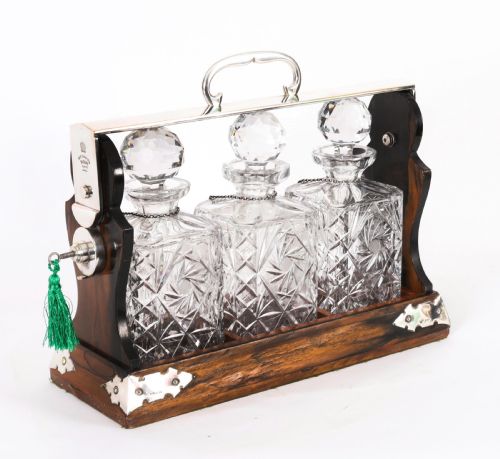
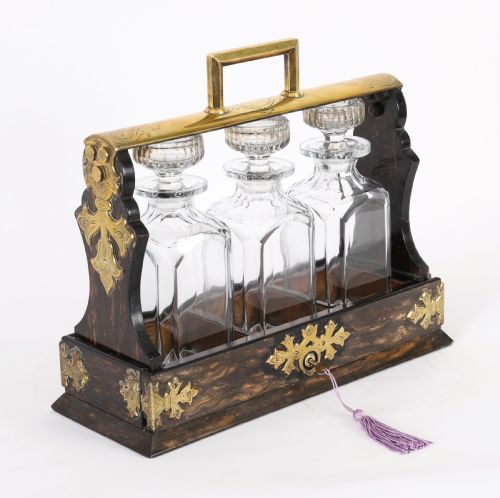
Vintage liquor glasses appear alongside related drinking vessels including decanters, tantalus sets, hip flasks, and spirit barrels spanning the Victorian, Edwardian, and Art Deco periods. Buyers search for these items to acquire period barware that bridges practical use and historic display.
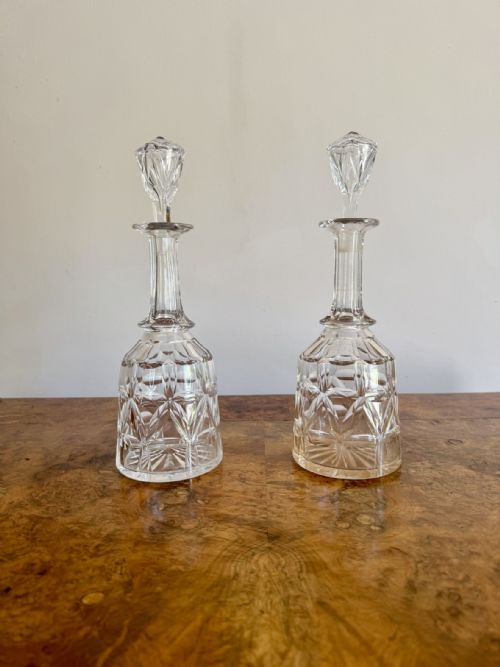
The selection on this page leans heavily towards Edwardian and Victorian glass decanters, often paired with silver plate or sterling silver mounts. Alongside these stand geometric Art Deco crystal sets and specialised items such as whisky noggins and cordial glasses.
How they were made
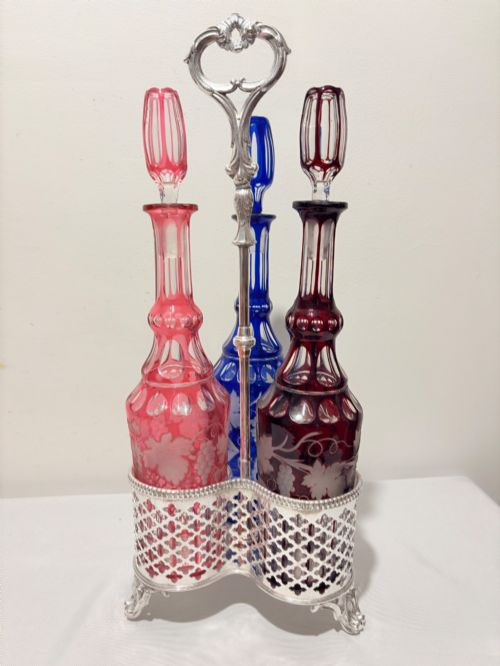
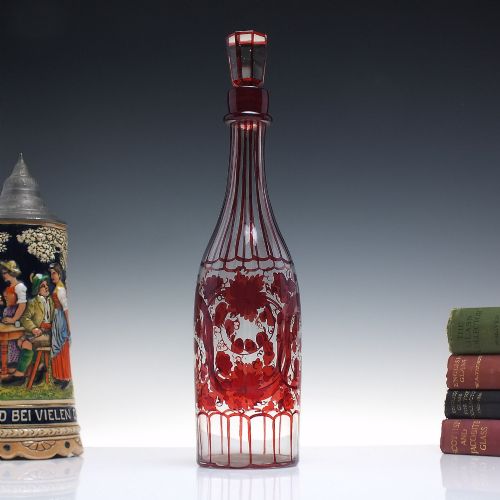
Craftsmen utilised clear and coloured glass, including ruby and cranberry overlay, shaped through cutting, blowing, and hand painting. Many vessels incorporate decorative engraving depicting birds and vines or geometric patterns characteristic of later modernist designs.
Metal components introduce structural support and ornamentation via sterling silver, silver plate, brass, and leather. Makers combined these materials with fitted oak or coromandel wood frames for tantalus sets and lockable liquor caves.
What varies in quality
Quality rests in the crispness of the glass cutting, the clarity of the crystal, and the substance of any silver or silver-plated mounts. Pieces featuring matched sets of glasses or intact original stoppers command greater attention from collectors.
Construction methods also separate standard production from superior examples, seen in tightly fitted wooden tantalus frames, hallmarked silver collars, and precise hand engraving on the glass surface.
Betjemann·Rene Lalique·Karl Palda·Baccarat·James Powell·Hukin & Heath
The Vintage Liquor Glasses Glossary
- Tantalus
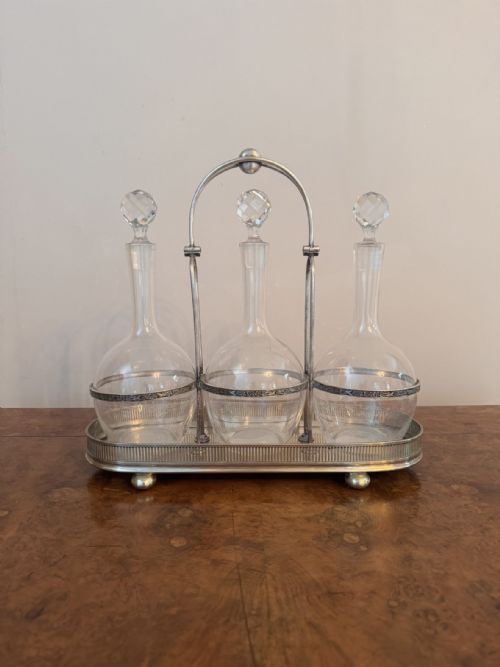
- A locked wooden frame holding decanters to prevent unauthorized access to the liquor inside while keeping the bottles visible. These typically appeared in Edwardian and Victorian homes.
- Whisky noggin
- A small vessel designed for individual whisky service, frequently fitted with a silver lip and accompanied by a tiny silver-mounted stirring spoon. They often date to the George V and Edwardian eras.
- Cave a liqueur
- A French fitted box containing a set of liqueur glasses and matching decanters, usually lined with velvet or silk. Napoleon III examples often feature marquetry and brass inlay.
- Cranberry glass
- A rich red-pink transparent glass created by adding gold chloride to the molten batch. It gained popularity during the Victorian period for decorative tableware and spirit decanters.
- Mercury twist
- An internal spiral air thread inside the stem of eighteenth-century drinking glasses resembling a column of mercury. This decorative technique requires high skill in glass manipulation.
Vintage Liquor Glasses: Frequently Asked Questions
What is a tantalus used for?
A tantalus holds decanters securely within a lockable wooden frame, keeping the spirit bottles visible yet protected from unauthorized consumption by servants or guests.
Originating in the nineteenth century, these stands became popular fixtures in Edwardian and Victorian dining rooms and smoking parlours.
How do I identify Art Deco glassware?
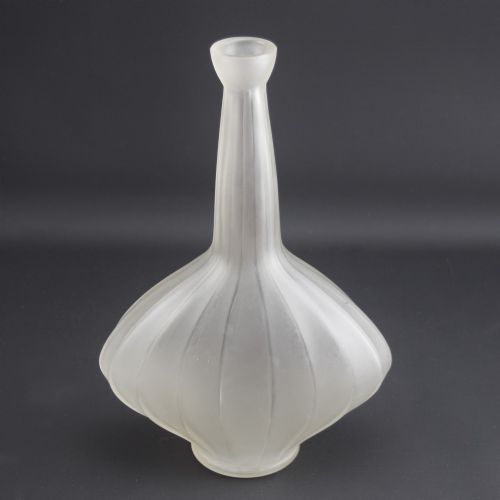
Art Deco glassware typically displays geometric patterns, clean lines, and stylised motifs that broke away from traditional floral ornamentation.
Sets from this period, including those by makers like Karl Palda, often feature contrasting clear and frosted crystal forms.
What is a whisky noggin?
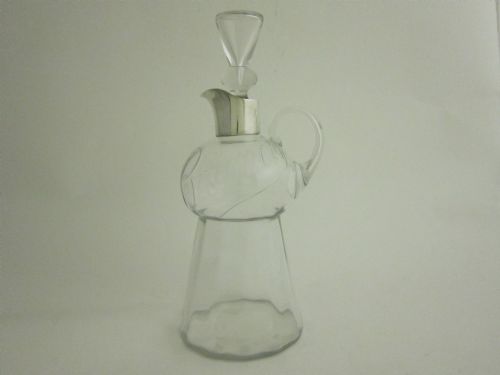
A whisky noggin is a small, handled decanter designed to hold a single measure of spirit for individual use.
These pieces frequently incorporate silver collars and mounts bearing nineteenth or early twentieth-century hallmarks.
How should I clean antique decanters?
Antique glass decanters require careful hand washing in warm water without harsh abrasives to preserve the integrity of the surface and any engraved details.
Wooden frames and silver mounts should be cleaned separately using appropriate metal polishes or dry cloths.