



Vintage Lion Figurine
These vintage lion figurine examples capture fierce power in bronze, porcelain, and boxwood, offering collectors a striking study in animal form and period craft.
Vintage Lion Figurine
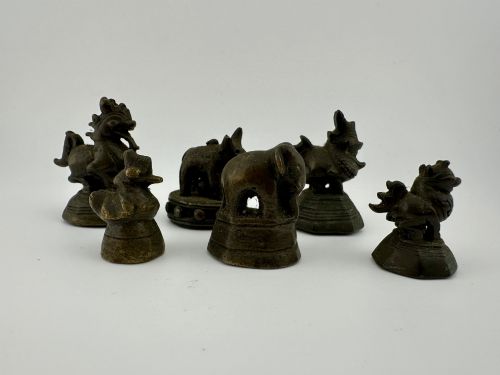
A vintage lion figurine encompasses diverse sculptural interpretations spanning the nineteenth century through the art deco era. These pieces appear in forms ranging from small silver pin cushions and opium weights to large bronze studies and earthenware figures.
Buyers encounter subjects crossing traditional European animalier styles alongside Southeast Asian and Qing Dynasty works. The selection draws on materials such as marble, boxwood, and pottery to render these cats in moments of repose or fierce prowling.
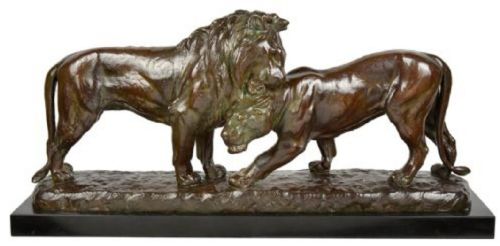
Regional workshops and individual sculptors shaped these objects across Victorian, Regency, and Edwardian periods. Each surviving piece records the distinct aesthetic priorities of its decade of origin, from utility items to monumental mantel sculptures.
Materials and production techniques
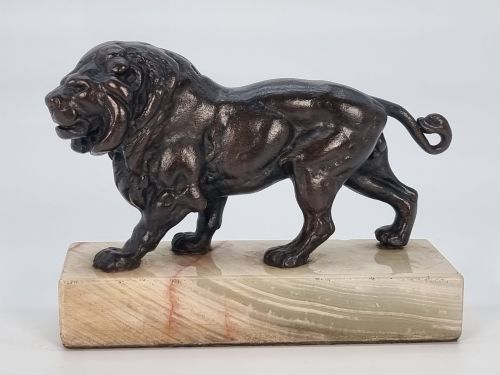
Bronze casting forms the backbone of many sculptural pieces, often utilising cold-painted finishes or mounted upon polished onyx bases. Foundries employed lost-wax methods to capture muscular detail and texture in the metal.
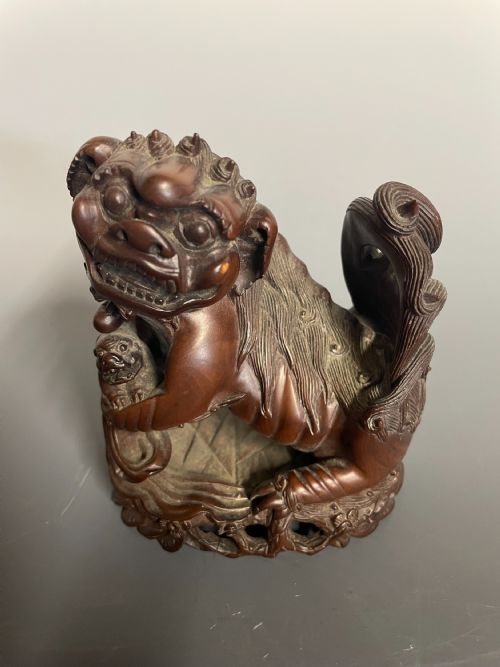
Ceramic works rely on earthenware, porcelain, and pottery bodies shaped into Staffordshire and Medici types, sometimes enhanced with copper lustre glazes. Artisans also carved denser substances like boxwood and marble directly by hand to achieve lasting definition.
The listings demonstrate a wide material range, encompassing bronze, sterling silver, porcelain, boxwood, marble, and earthenware across several centuries.
Distinctions in craftsmanship and finish
The integrity of the base material and the preservation of original polychrome or cold-painted surfaces separate ordinary studio work from exceptional output. Heavier metals and tightly grained woods maintain their structural sharpness far better over time.
Lancaster and Sons of Hanley·G.GARDET·Mario Bucellati·Louis Riche
The Vintage Lion Figurine Glossary
- Animalier
- A nineteenth-century artistic movement dedicated to the realistic portrayal of animals. Sculptors in this tradition focused heavily on anatomical precision and dynamic movement.
- Cold-painted bronze
- A manufacturing technique where bronze sculptures are painted with oil paints after casting rather than fired in a kiln. This finish requires careful preservation to prevent flaking.
- Opium weight
- Small metal trade weights cast in animal forms, commonly originating from Burma and Thailand. These objects served a practical commercial function before entering the collector market.
- Pin cushion
- A small domestic accessory, often fashioned in sterling silver into the shape of an animal. These functional items combined utility with detailed miniature sculpture.
- Foo dog
- A traditional guardian lion figure originating in East Asian art and architecture. These stylized creatures often appear in pairs guarding entrances or temple spaces.
- Staffordshire
- Pottery produced in the Staffordshire potteries of England, known for popular earthenware figures. These mantel ornaments captured contemporary domestic and exotic animal subjects.
Vintage Lion Figurine: Frequently Asked Questions
How do I identify a bronze lion?
Examine the weight, cold-painted or patinated surface, and the presence of any foundry marks or signatures on the base. Bronze pieces from the nineteenth century often display a rich, dark patina developed over decades of handling.
Look closely at the underside for casting seams or mounting screws appropriate to the period. Quality metalwork reveals crisp muscular definition rather than soft, blurred edges.
What is an opium weight figurine?
Opium weights are small, functional trade weights cast in animal shapes such as lions or mythical beasts during the nineteenth century in Southeast Asia. Merchants used them in set increments for commercial transactions.
These pieces combine utilitarian purpose with stylized folk sculpture, making them distinct from purely decorative European mantel pieces.
Where should I display my sculpture?
Place your figure on a stable surface away from direct sunlight and fluctuating humidity to protect vulnerable materials like painted bronze, boxwood, or earthenware. Mantelpieces, desks, and secure display cabinets offer ideal environments for viewing.
Ensure heavier marble-based bronzes rest on furniture capable of supporting concentrated weight without tilting.
How are different periods distinguished?
Periods are identified through stylistic cues, manufacturing methods, and material choices associated with specific decades like the Regency or Victorian eras. For instance, cold-painted finishes and animalier realism point strongly toward late nineteenth-century European workshops.
Consulting signatures, registration marks, and regional pottery traditions helps narrow down the exact decade of production.