




Vintage Light Wood Drawers
These vintage light wood drawers bring pale, figured timbers into domestic spaces, offering both storage and a bright surface finish.
Vintage Light Wood Drawers
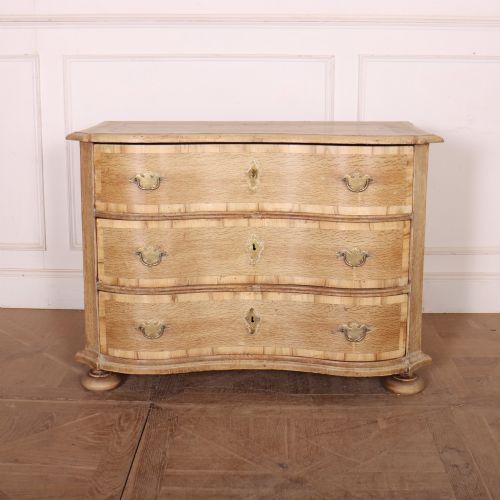
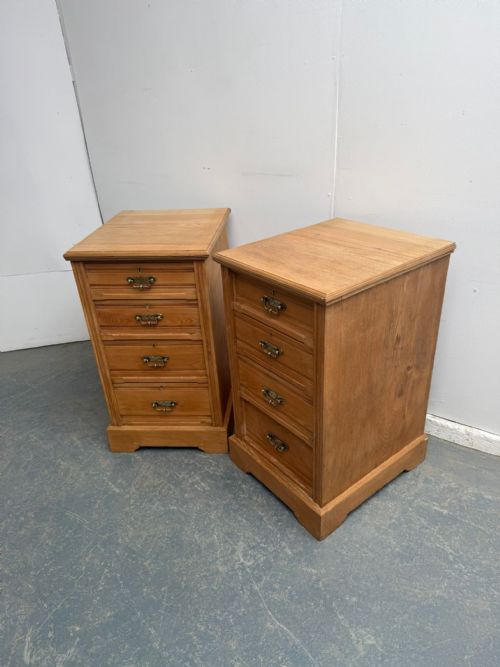
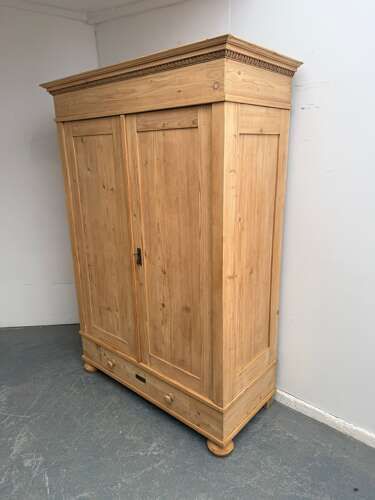
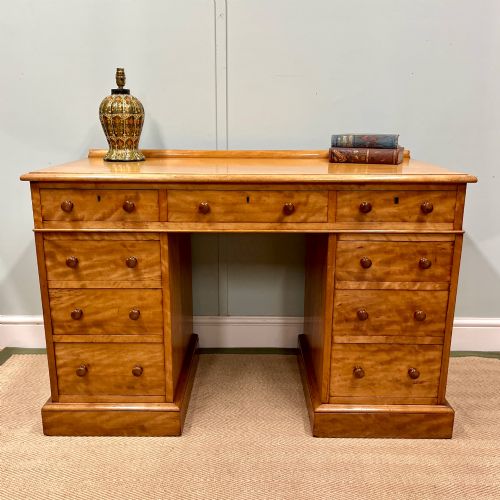
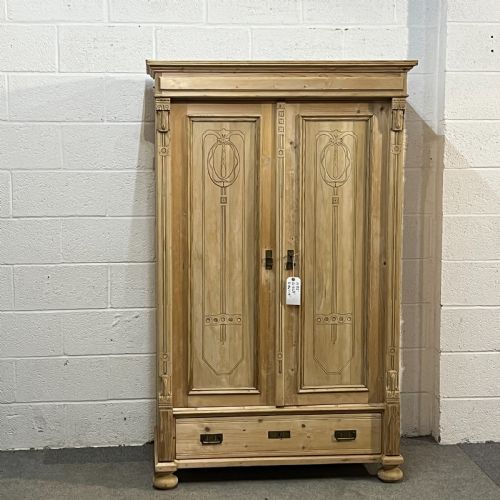
Buyers searching for vintage light wood drawers encounter a varied selection of chests of drawers, bedside cabinets, desks, and wardrobes spanning the eighteenth century through to the interwar period. The forms range from compact bedside tables and sewing tables to substantial tallboys, commodes, and writing desks.
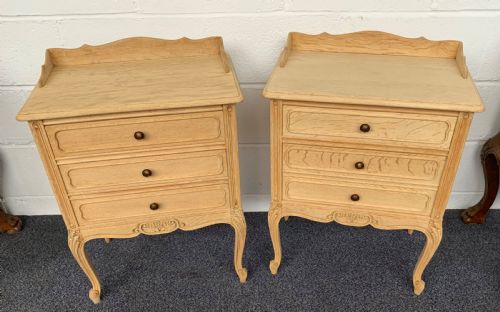
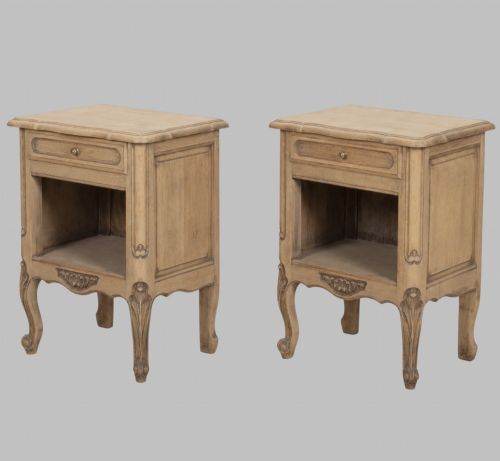
The material palette focuses on pale timbers, predominantly oak, pine, ash, satinwood, sycamore, and birch, alongside bleached and limed finishes. Pieces originating from French, Swedish, Austrian, and British workshops demonstrate how different regions utilised local light-toned woods.
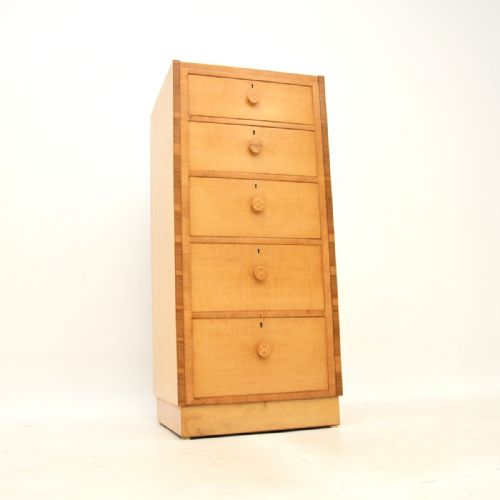
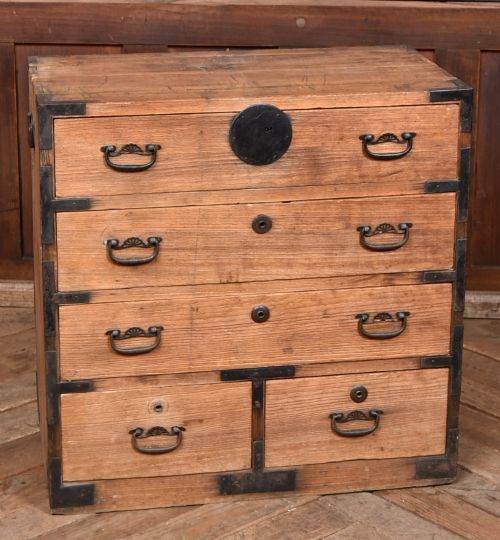
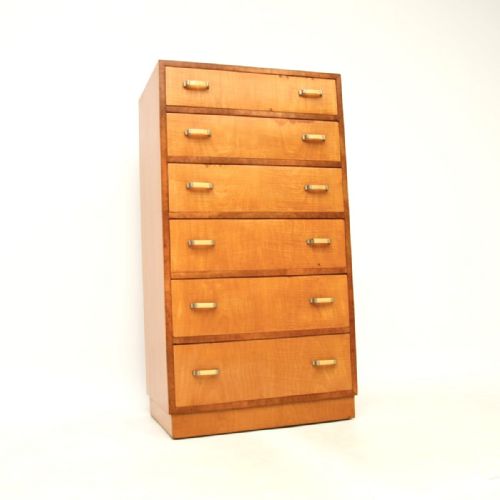
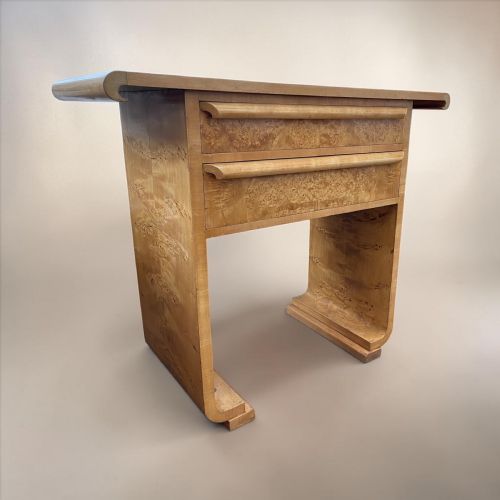
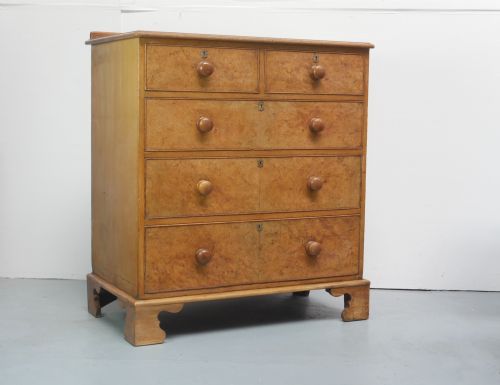
Chest of drawers forms dominate the selection, appearing in both simple domestic formats and sophisticated Art Deco or Arts and Crafts designs. Buyers are most likely to meet oak and pine examples from the Victorian and Edwardian eras, alongside twentieth-century satinwood and birch pieces.
How they were made
Cabinetmakers constructed these pieces using solid timbers like oak, ash, and pine, frequently applying decorative veneers such as satin birch, sycamore, and birds eye maple to drawer fronts and surfaces. Construction methods relied on traditional joinery, with dovetail joints securing drawer structures and solid backs fitted to casework.
Surface preparation involved waxing, liming, or deliberate bleaching of oak to achieve a lighter tone, alongside French polishing for finer cabinet pieces. Metal hardware, including brass handles and key escutchets, complemented the pale wood grains.
Makers utilised distinct regional techniques, from the pale flame birch finishes characteristic of Swedish furniture to the carved detailing seen on French commodes and armoires.
Several pieces arrive with hidden bottom drawers designed to hold secret items out of sight.
What varies in quality
The distinction between ordinary utility furniture and finer cabinetmaking lies in the selection of timber figures, such as burr ash or flame birch, and the precision of the underlying joinery. Superior pieces display book-matched veneers and carefully fitted drawers that run smoothly within their housings.
Maker attribution elevates certain pieces, with documented works by firms like Heal and Son, Hille, Betty Joel, or Fortnum and Mason demonstrating higher design ambition and refined execution compared to anonymous workshop output.
The integrity of the surface finish and hardware also separates standard domestic items from high-status furniture, particularly where original brass fittings and clean, uncompromised bleached or limed surfaces survive.
Hille·Heal and Son·Fortnum and Mason·Betty Joel
The Vintage Light Wood Drawers Glossary
- Bleached oak
- Oak that has been chemically treated to lighten its natural golden-brown colour. This process produces the pale, neutral surface characteristic of certain twentieth-century and French provincial pieces.
- Flame birch
- A figured timber variety showing a wavy, flame-like grain pattern across the surface. It is commonly found on nineteenth-century Scandinavian chests of drawers and vanity mirrors.
- Commode
- A low chest of drawers or cabinet, frequently featuring decorative serpentine fronts or carved detailing. The term often describes French or Austrian pieces designed for formal rooms.
- Tallboy
- A tall chest of drawers, typically constructed by stacking one cabinet section on top of another. This form maximises vertical storage while occupying a compact floor footprint.
- Satinwood
- A durable, light-yellow hardwood with a natural sheen that resembles satin. Cabinetmakers utilised it for smooth, polished drawer fronts and decorative inlay work.
Vintage Light Wood Drawers: Frequently Asked Questions
How do I care for vintage light wood?
Keep these pieces away from direct sunlight and strong heat sources to prevent the pale timber finishes from darkening or drying out. Dust regularly with a soft, dry cloth and apply a clear, neutral wax sparingly when the wood appears dry.
Avoid using modern liquid polishes or silicone-based sprays, as these can penetrate the grain and alter the tone of bleached or waxed surfaces over time.
Where were these pieces used?
Bedside cabinets and wardrobes furnished sleeping quarters, while chests of drawers and tallboys provided essential clothing storage throughout the home. Desks and writing tables served domestic studies and dressing rooms.
Larger commodes and sideboards functioned in reception rooms and hallways to store household linens, tableware, or writing materials.
What is Swedish Biedermeier style?
Swedish Biedermeier furniture focuses on clean lines, restrained ornamentation, and the natural beauty of pale woods like birch. It strips away heavy carving in favour of elegant proportions and functional utility.
Pieces from this tradition integrate smoothly into modern interiors due to their minimalist aesthetic and light colour palette.
How do I identify Art Deco light wood?
Art Deco pieces in pale woods often feature geometric silhouettes, streamlined forms, and contrasting timber veneers like sycamore, satinwood, and birds eye maple. They frequently incorporate stepped cornices or subtle banding.
Work from this period frequently bears maker stamps or plaques from prominent department stores and design studios of the era.