

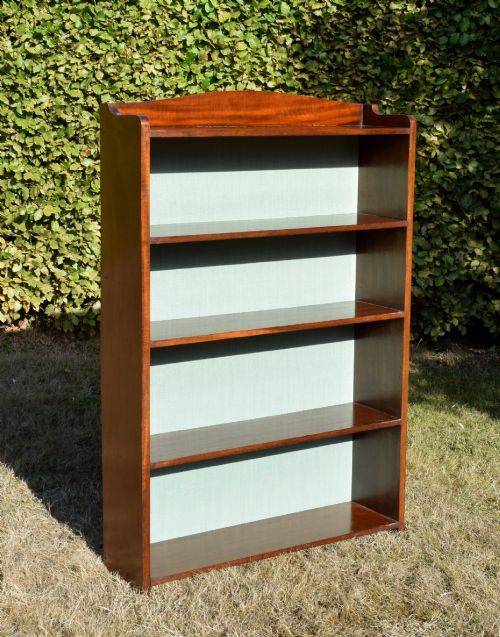
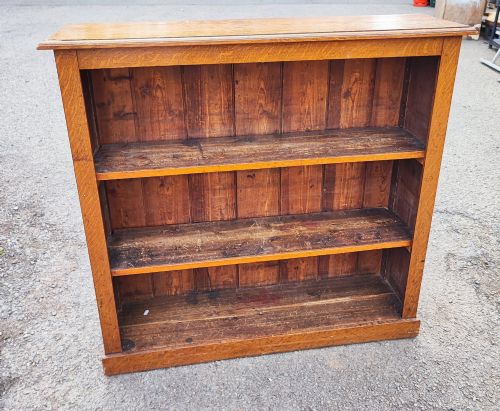
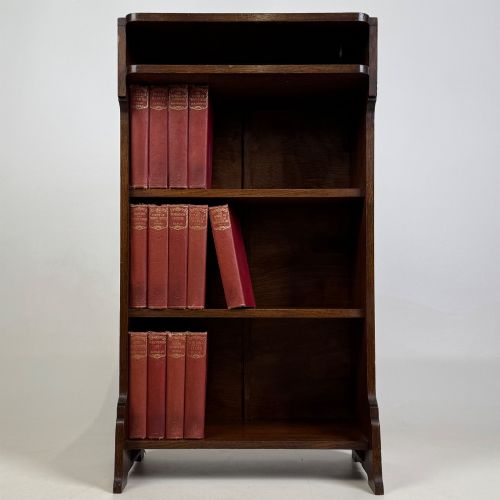
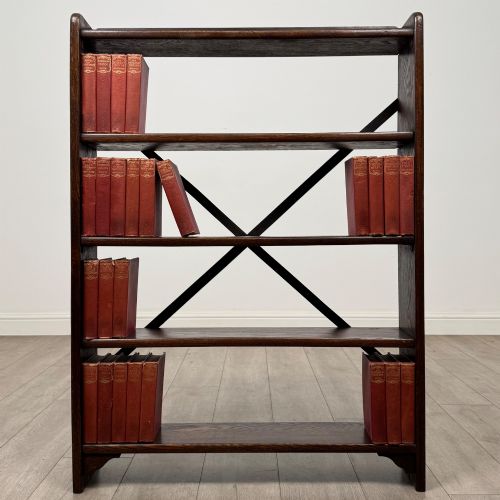
Vintage Library Shelving Unit
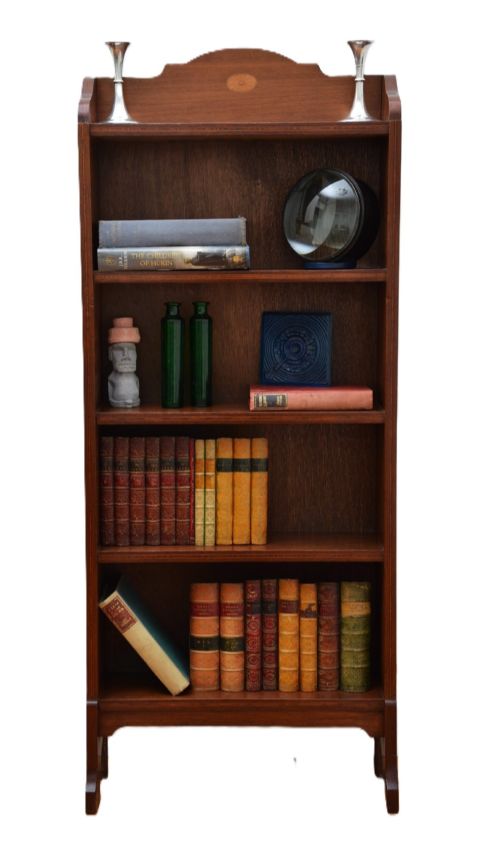
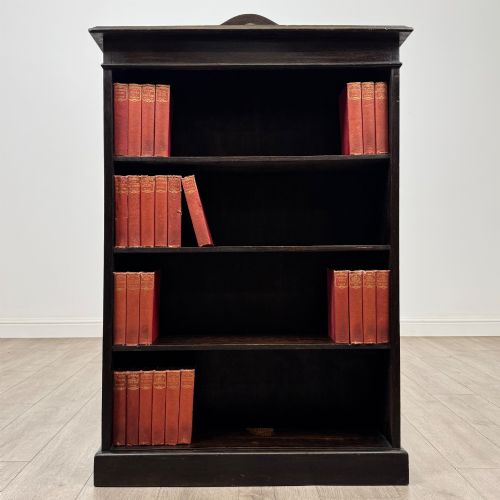
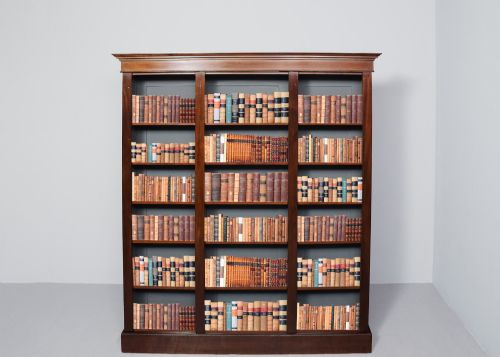
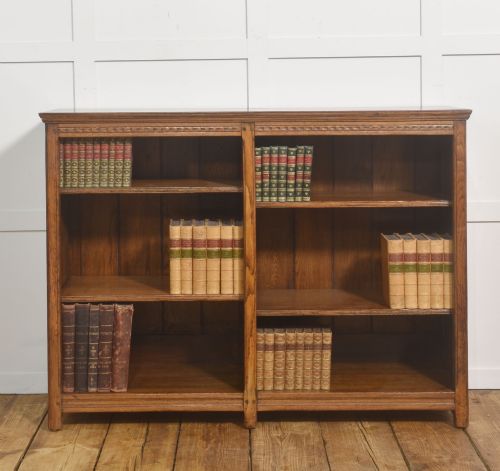
A vintage library shelving unit brings practical storage and architectural presence into a room, offering open access to volumes.
Vintage Library Shelving Unit
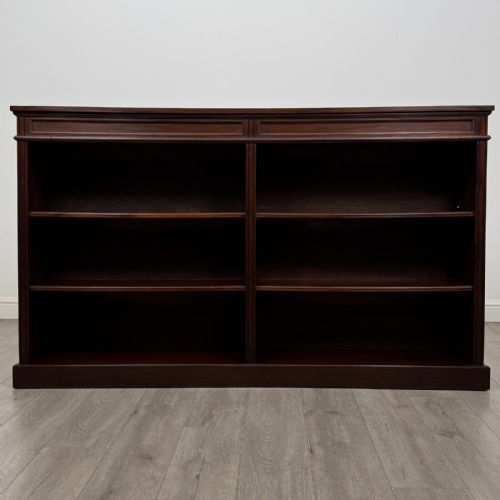
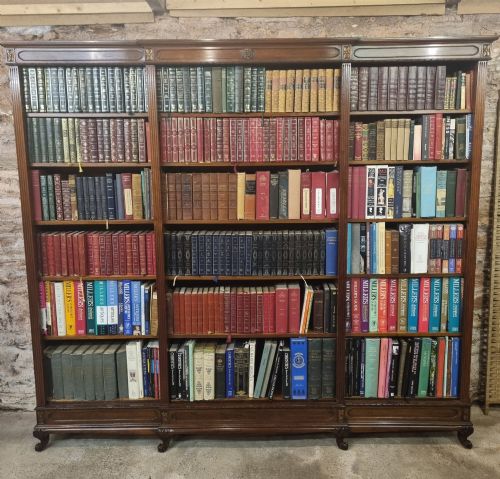
When you search for a vintage library shelving unit, you encounter open bookcases and bookcases and shelving formats designed to house collections in domestic rooms. These pieces originate from periods spanning the nineteenth century through the Edwardian era and into the early twentieth century.
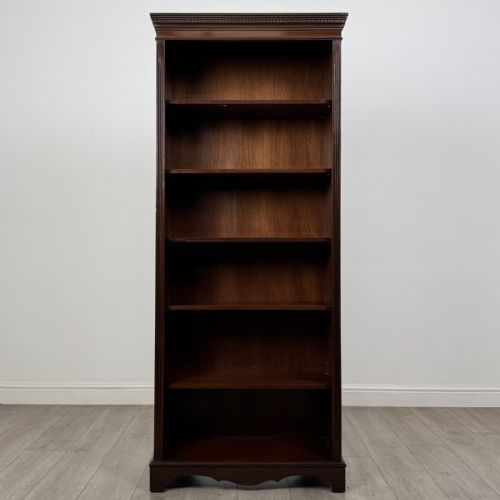
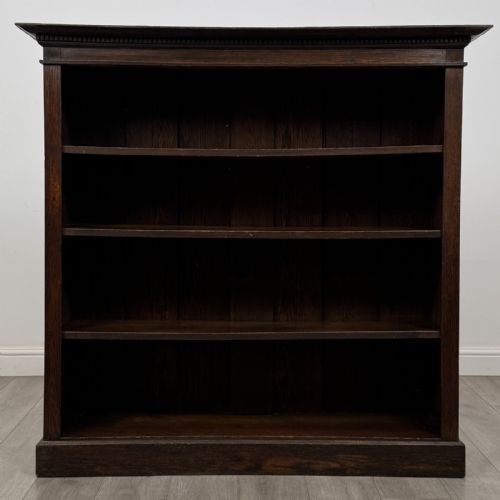
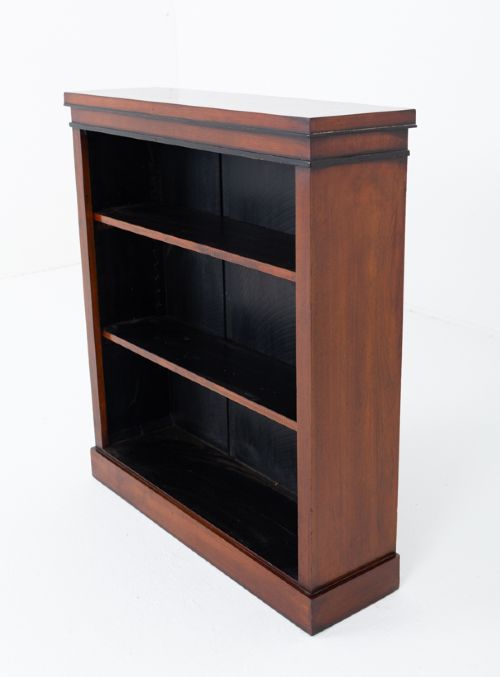
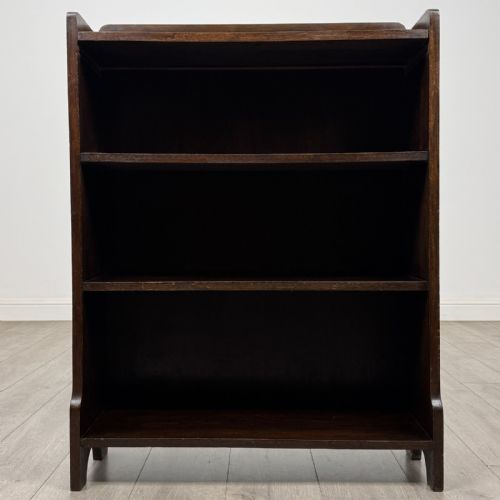
The versions you meet most frequently on this page are open bookcases in mahogany and oak, often constructed with adjustable shelves to accommodate books of varying heights. Styles range from Victorian and Edwardian to Arts and Crafts, Regency, and Queen Anne Revival.
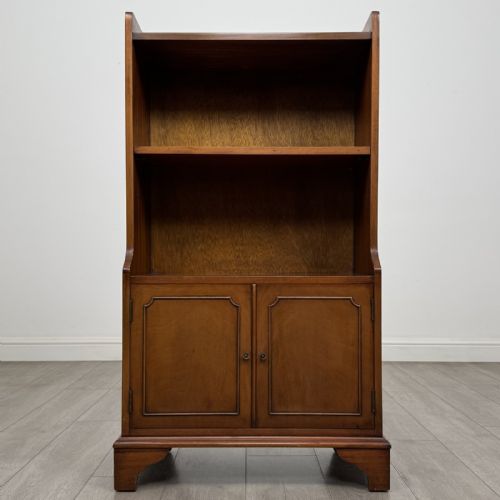
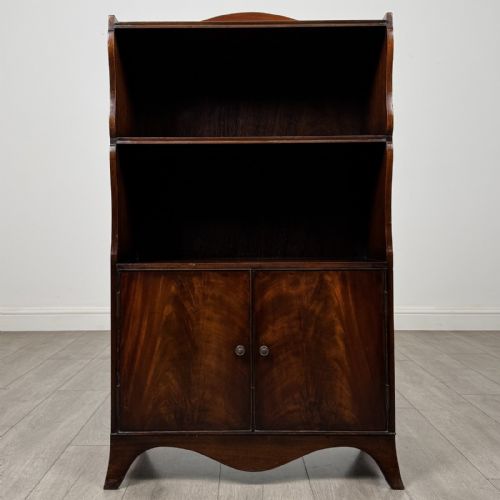
Forms vary from slim bookcases and stepped open bookcases to waterfall bookcase designs and large library pieces. Origins encompass standard British periods alongside specific influences such as French and Empire designs.
How they were made
Cabinet makers utilised dense hardwoods including mahogany, oak, and walnut, frequently selecting burr walnut and walnut veneer for decorative surfaces and grain figure. Timber selection governed the structural integrity and visual weight of each bookcase.
Joinery techniques supported practical functionality, incorporating adjustable shelf mechanisms to allow movement of internal boards. Details such as brass hardware and inlaid elements appeared on specific revival and Sheraton revival models.
Vintage Library Shelving Unit Retail Price Guide 2026
Typical asking prices for vintage library shelving unit among the pieces listed under this phrase on Sellingantiques today, from the lower quarter to the upper quarter. They describe what is for sale here now, not the wider market.
Bookshelf depths occasionally accommodate oversized ledgers from a time when record-keeping required monumental stationery.
What varies in quality
Quality rests on the selection of timber and the execution of veneer work, where burr walnut or figured mahogany displays depth and careful book-matching across the frame. The thickness of the timber used for uprights and shelves distinguishes sturdier pieces.
Proportion and decorative restraint dictate the standing of a piece, from simple functional oak shelving to refined mahogany library bookcases with inlay or carved mouldings. The refinement of the adjustable shelf mechanisms further separates standard utilitarian items from finer workshop production.
Waring and Gillows
The Vintage Library Shelving Unit Glossary
- Open Bookcase
- A shelving unit without glazed or wooden doors, designed for immediate access to books. This form dominates the selection.
- Waterfall Bookcase
- A tiered shelving unit where each upper shelf is set back from the one below, creating a stepped profile. This style appears in mahogany.
- Adjustable Shelves
- Shelves that can be repositioned at different heights using internal brackets or track systems. This feature allows customisation for varied book sizes.
- Burr Walnut
- Timber taken from walnut tree growths, prized for its swirling, highly figured grain pattern. It appears on select decorative bookcases.
Vintage Library Shelving Unit: Frequently Asked Questions
What is a vintage library shelving unit?
A vintage library shelving unit is an open bookcase designed to hold books and display objects within a room. These pieces provide accessible storage using traditional timber construction.
They appear in forms such as stepped bookcases and waterfall bookcases, originating from the nineteenth and early twentieth centuries.
How do I style a library shelving unit?
Styling an open bookcase involves balancing rows of books with decorative objects, ceramics, or framed pictures. Allowing space around items prevents visual crowding.
Adjusting the shelf heights creates proportioned gaps for larger volumes and smaller paperbacks alike.
Are the shelves adjustable on these units?
Many of the open bookcases feature adjustable shelves, which allow you to change the internal layout. This mechanism accommodates books of varying heights.
Check individual listings to confirm whether the shelves are fixed or movable.
What woods were used for these bookcases?
Cabinet makers built these units primarily using mahogany and oak, alongside walnut and pine. Burr walnut and walnut veneer were utilised for decorative effect.
Brass hardware frequently complemented the timber frames.
How do I identify an Edwardian bookcase?
Edwardian bookcases date from the early twentieth century and often exhibit lighter oak or mahogany construction. They frequently feature clean lines and simple architectural details.
Stylistic nods to earlier periods, such as Sheraton Revival inlay, also appear during this era.