


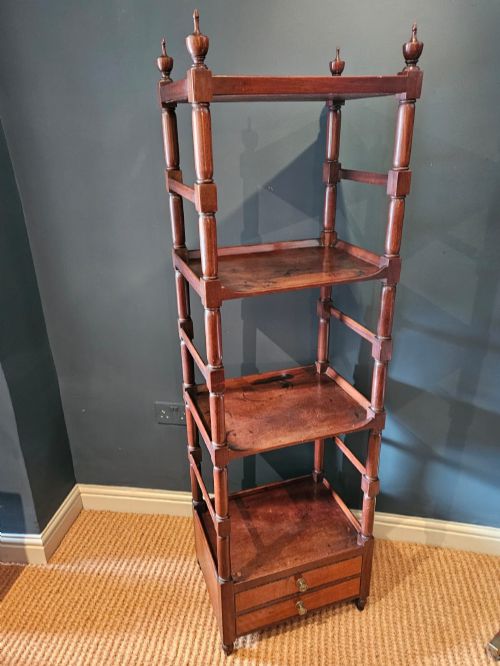
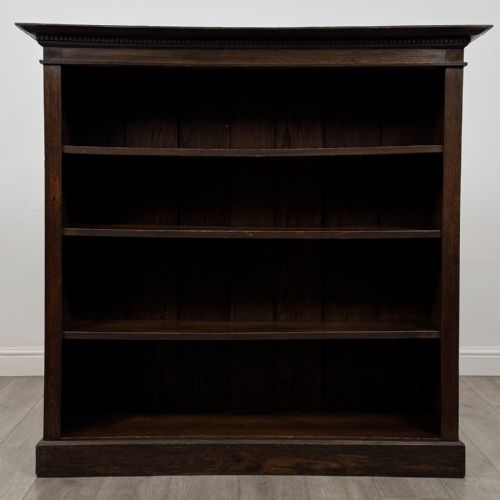
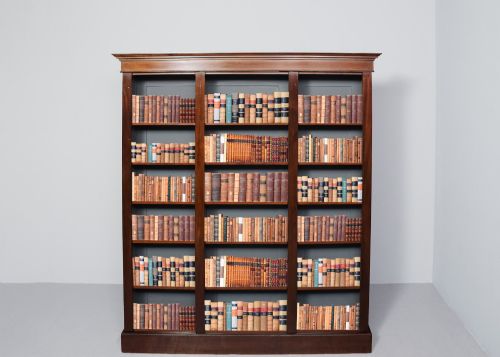
Vintage Library Shelf
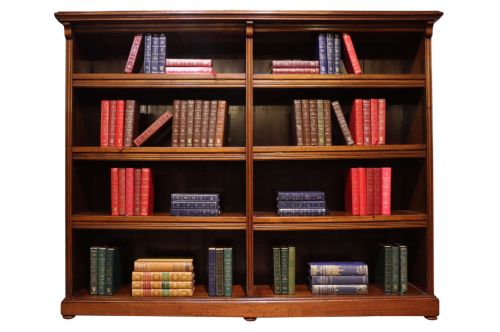
A vintage library shelf organises volumes with open access, offering sturdy timbers and period joinery suited to daily studies.
Vintage Library Shelf
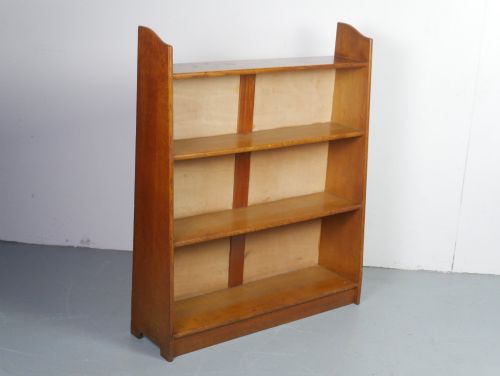
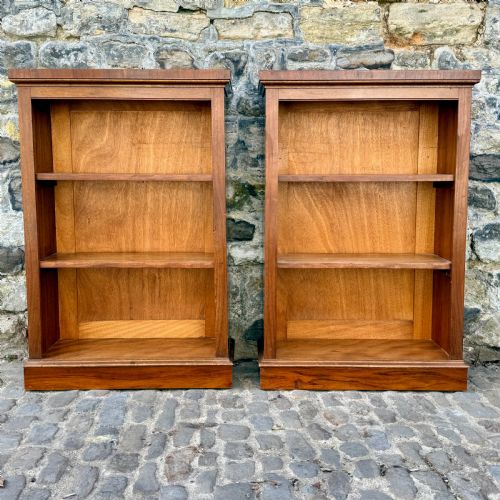
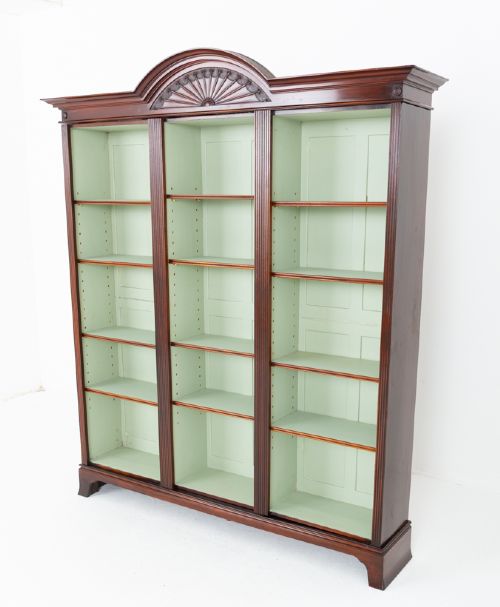
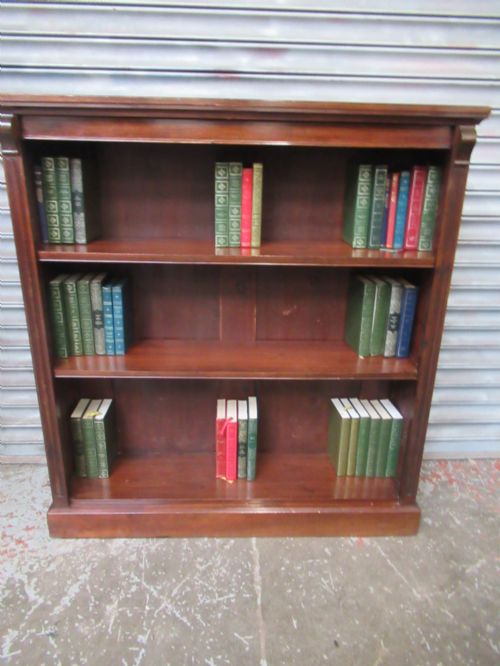
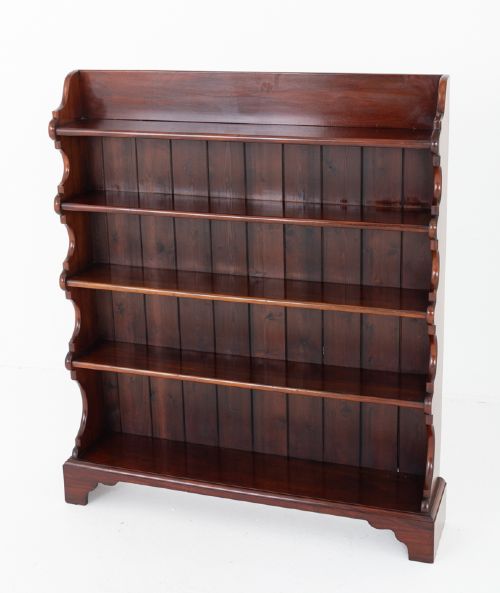
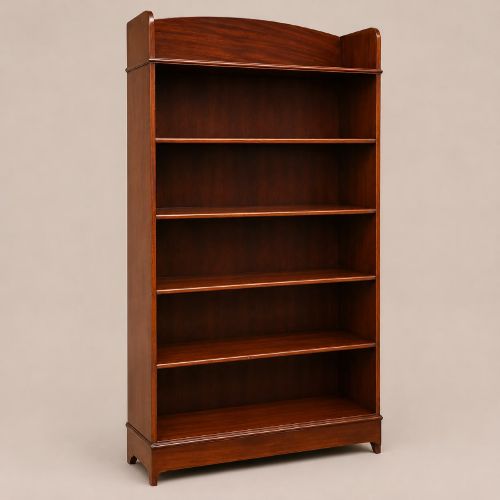
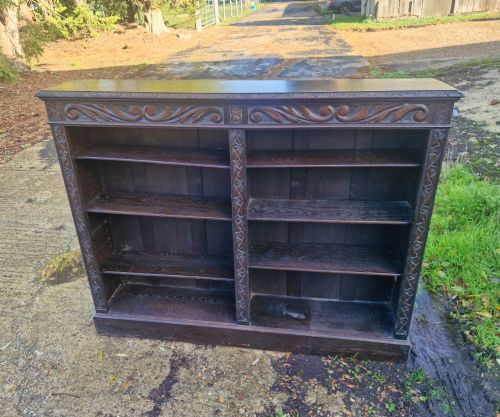
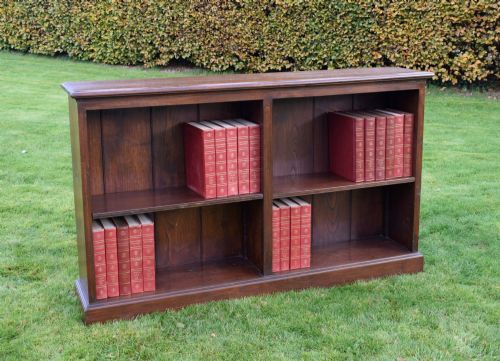
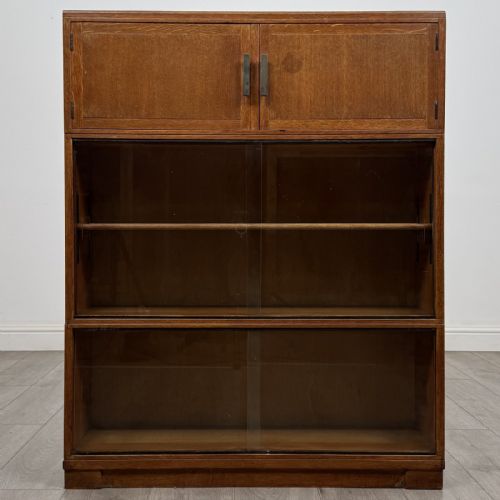
A vintage library shelf serves as a practical repository for books, periodicals, and papers within domestic studies or reading rooms. Buyers seeking a vintage library shelf encounter various configurations, from open-fronted mahogany cases to revolving oak tiers and sectional units.
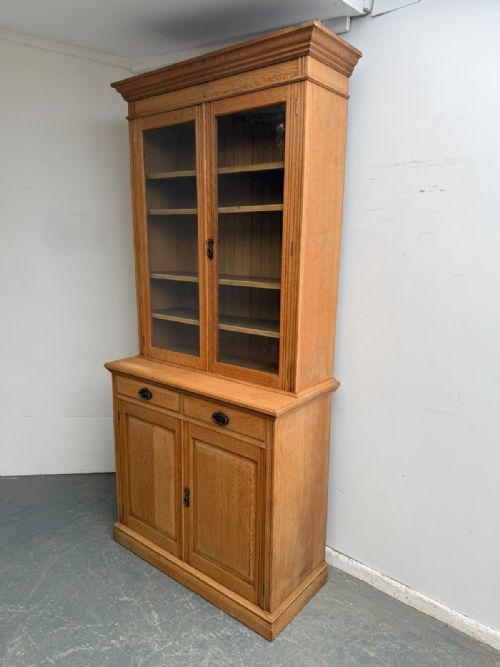
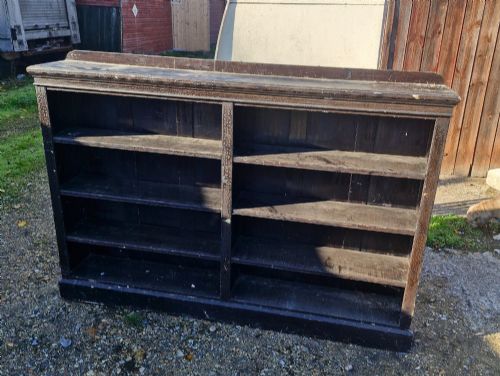
The pieces appearing most frequently span the Victorian, Edwardian, and early twentieth-century periods, constructed primarily in mahogany or oak. Common formats include low open bookcases with adjustable shelves, glazed display cabinets, and smaller revolving designs intended for tabletops or corners.
Origins range from British workshops to continental makers, incorporating styles such as Arts and Crafts simplicity, French Empire detailing, and Georgian Revival proportions. Each variant provides distinct storage capacities while retaining the characteristic open or glazed presentation typical of historical libraries.
Distinctions in quality and finish
Superior examples demonstrate careful timber selection, where grain patterns align harmoniously across drawer fronts and cornices, paired with substantial thickness in shelves to prevent sagging under heavy volumes. Lesser pieces rely on thin laminates or uniform secondary woods with minimal attention to surface figure.
The refinement of internal mechanics and decorative details separates standard production from finer work, visible in smooth-running adjustable shelf supports, crisp hand-carved mouldings, and robust revolving mechanisms that turn without binding.
Vintage Library Shelf Retail Price Guide 2026
Typical asking prices for vintage library shelf among the pieces listed under this phrase on Sellingantiques today, from the lower quarter to the upper quarter. They describe what is for sale here now, not the wider market.
Revolving bookcases let readers spin an entire library around with a single gentle push.
Bowman Brothers London
The Vintage Library Shelf Glossary
- Dentil cornice
- A decorative horizontal moulding featuring a repeating pattern of small rectangular blocks resembling teeth, commonly positioned at the top of a bookcase.
- Raised gallery
- A low protective rail or pierced border surrounding the top surface of a piece, designed to prevent items from sliding off.
- Breakfront
- A piece of furniture featuring a central section that projects forward from the flanking sections, creating architectural depth.
- Revolving bookcase
- A freestanding tiered shelving unit mounted on a rotating spindle base, allowing easy access to books from any seating angle.
- Plinth base
- A heavy solid platform or low flat block upon which the main body of a bookcase rests, providing structural grounding.
Vintage Library Shelf: Frequently Asked Questions
How do I adjust wooden shelves?
Many period bookcases utilise vertical wooden rack strips or brass shelf pins inserted into pre-drilled holes along the interior sides. Shelves lift out easily to reposition at alternative height intervals.
Care should be taken when sliding shelves to avoid catching the veneer or scratching the interior side panels of the cabinet.
Where were revolving bookcases placed?
Revolving bookcases sat beside armchairs, desks, or in the centre of rooms where floor space was restricted. Their rotating action kept reference books within arm's reach from any seated position.
Smaller models rested on top of tables, while larger four-tier versions stood directly upon the floor.
How do I care for mahogany surfaces?
Regular dusting with a dry, soft cloth maintains the polished finish of mahogany and walnut timber. Avoid placing wooden shelves in direct sunlight or near heat sources to prevent the wood from drying out.
Applying a traditional beeswax polish occasionally nourishes the grain and enhances the natural lustre of the material without building up heavy residue.
What is the difference between open and glazed cases?
Open bookcases provide immediate access to volumes without physical barriers, making them ideal for frequently consulted books and everyday reading. Glazed cabinets incorporate glass doors that protect delicate bindings from dust and environmental exposure.
Victorian and Edwardian libraries often utilised both types depending on the rarity of the collection housed within.