


Vintage Leather Club Armchair
A vintage leather club armchair brings deep seat comfort and rich tactile warmth to a room, offering a seat designed for long hours of reading or conversation.
Vintage Leather Club Armchair
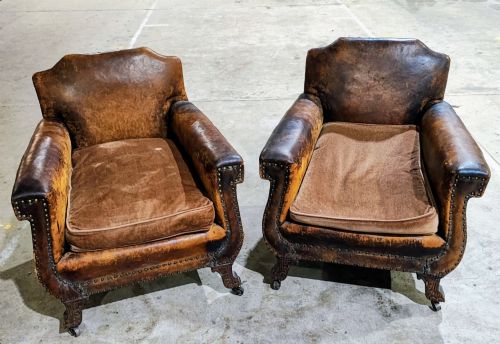
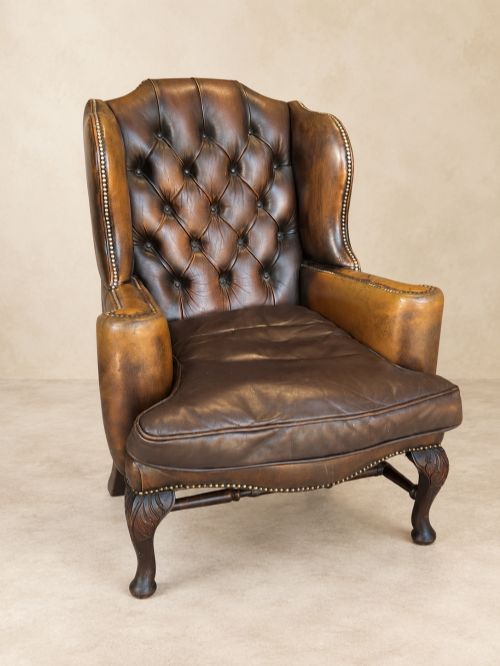
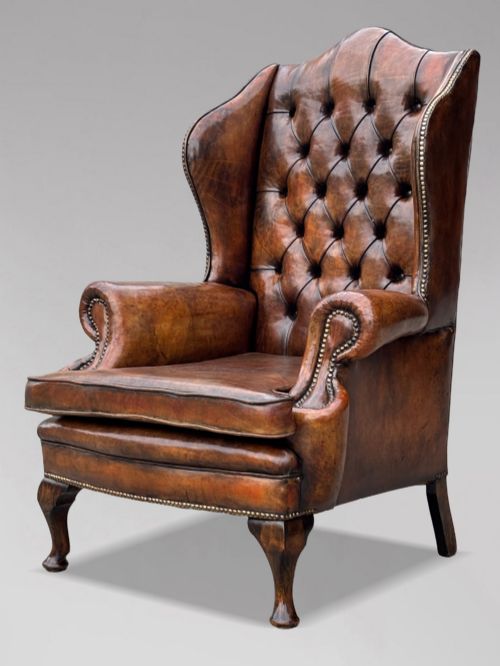
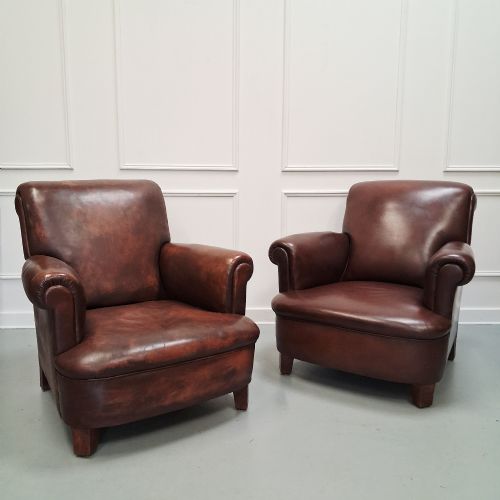
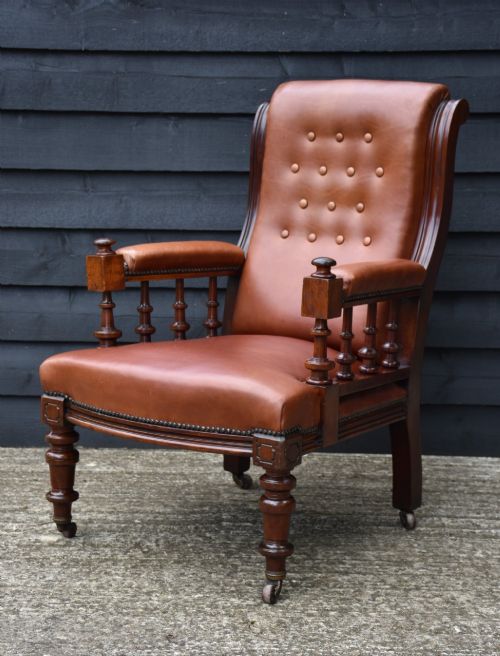
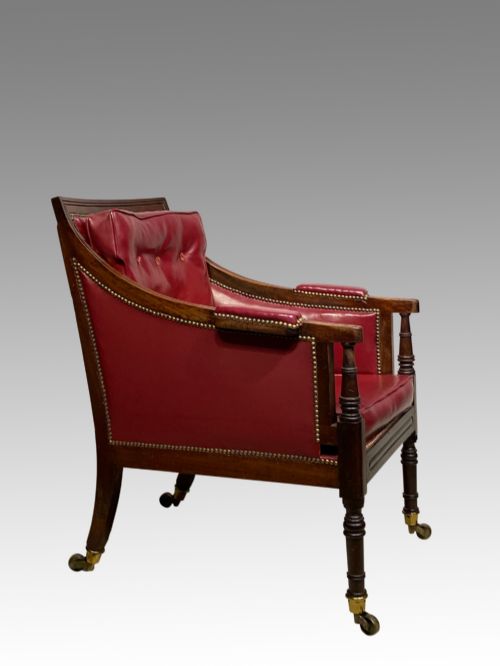
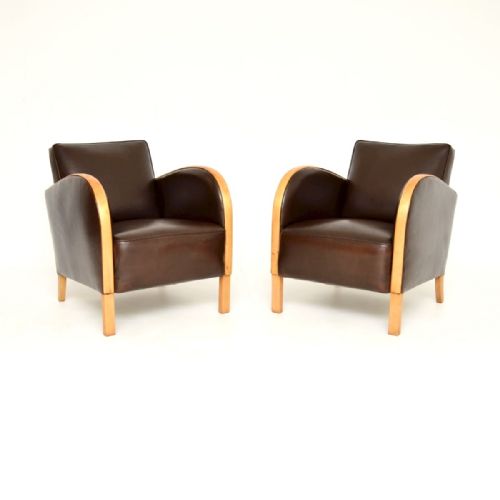
When you search for a vintage leather club armchair, you look for a low, deep-seated lounging chair built for comfort. The versions you meet most often on this page date from the Victorian period through to the 1930s, taking forms such as library armchairs, wingbacks, and French club chairs.
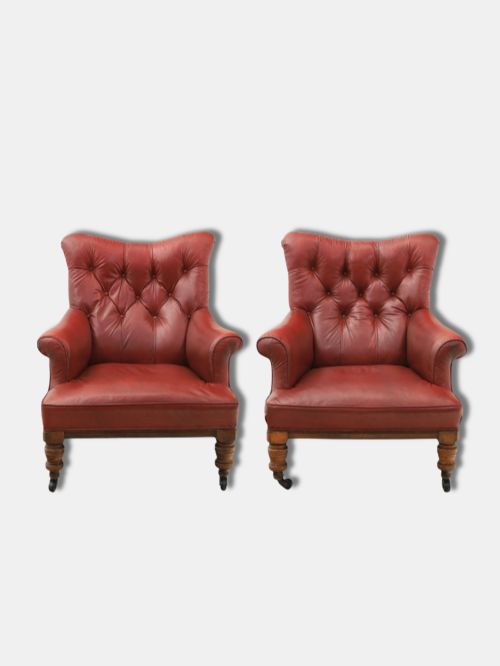
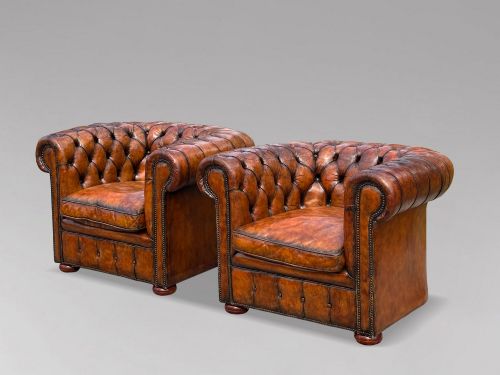
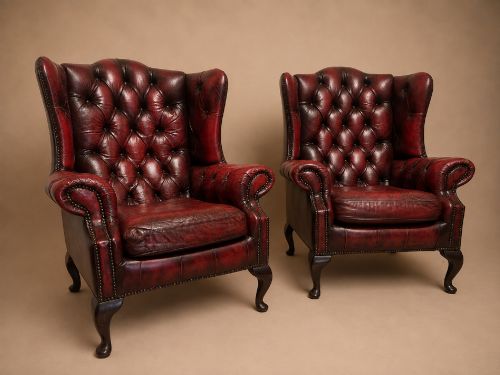
Makers and workshops constructed these armchairs in styles ranging from Georgian and Victorian to Art Deco and Edwardian. The selection includes individual reading chairs as well as pairs of Chesterfield armchairs upholstered in leather or rexine.
Origin points vary across England, France, and Sweden, alongside specific regional pieces like Scottish School fireside chairs and North African hardwood designs. Forms span from standard proportions to large scale seating and children's club chairs.
How they were made
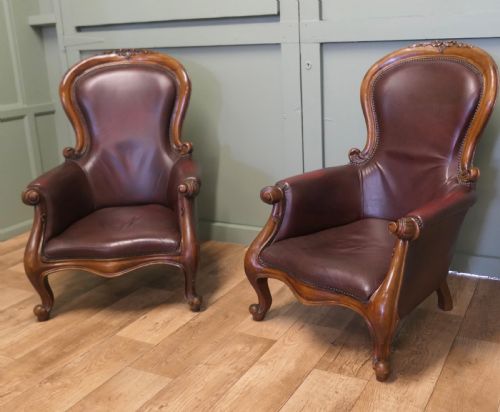
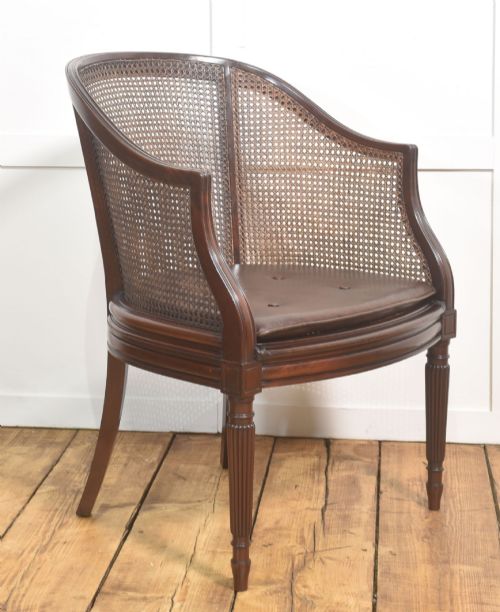
Framemakers built the structural skeleton using solid timbers such as mahogany, oak, walnut, satin birch, and assorted hardwoods, often incorporating carved wooden details or cane panels. Metal components like brass studs appear along the seams and upholstery edges.
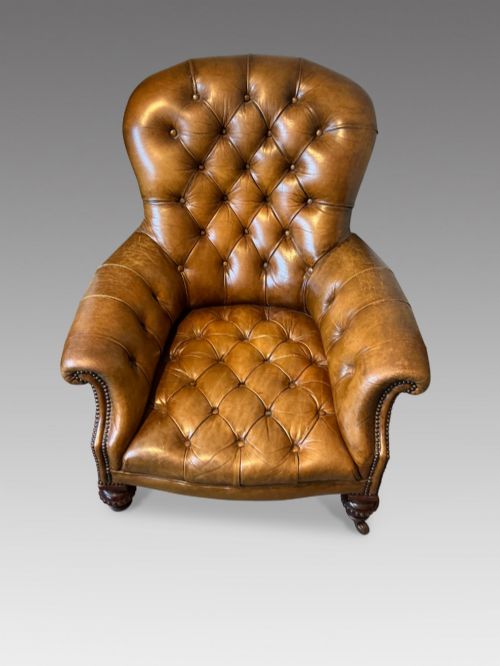
Upholsterers covered the frames in leather, sometimes supplemented by velvet or rexine. Interior padding and deep buttoning provided the characteristic spring and resilience found in nineteenth-century and twentieth-century lounge seating.
Listings span the 1850s through the 1930s, featuring frames in mahogany, oak, walnut, and satin birch alongside brass and velvet.
What varies in quality
The standard of timber framing dictates the structural integrity of each armchair, with dense hardwoods providing greater longevity than softer or lighter timbers. The substance of the frame determines how well the chair supports daily use over decades.
Leather quality and tanning methods shape the tactile character of the upholstery, distinguishing supple, durable hides from brittle surfaces. The precision of buttoning and the security of brass tacks reflect the original workshop standards.
Howard and Sons·Harry and Lou Epstein·Hille
The Vintage Leather Club Armchair Glossary
- Chesterfield
- A style of upholstered seating characterised by deep buttoning and rolled arms of equal height to the back. These pieces originated in Britain during the nineteenth century.
- Wingback
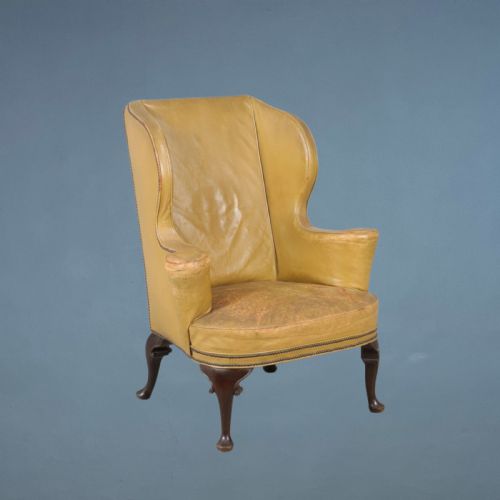
- An armchair featuring protective side panels attached to the arm rests, designed to shield the occupant from drafts. This form appears across Victorian and Edwardian examples.
- Rexine
- A leathercloth material made from cloth coated with nitrocellulose, oil, and pigments, used as an upholstery alternative on mid-century and 1920s seating.
- Satin Birch
- A pale hardwood timber utilised by Art Deco makers for chair frames and occasional furniture. It provides a smooth, contrasting grain against dark leather upholstery.
- Button-Back
- An upholstery technique where indentations are pulled tight with twine and secured with buttons in a diamond pattern. This method holds internal padding firmly in place.
Vintage Leather Club Armchair: Frequently Asked Questions
How do I care for vintage leather?
Feed the hide regularly with a suitable leather balm to prevent drying and cracking.
Keep the chair away from direct sunlight and heat sources to maintain the natural colour and suppleness.
What is a club chair?
A club chair is a deep, comfortable armchair originating from nineteenth-century gentlemen's clubs.
These seats feature low backs and upholstered arms designed for relaxed lounging.
How to date a leather armchair?
Examine the timber frame beneath the upholstery and look at the fastening methods used on the leather.
Stylistic cues such as Art Deco geometric lines or Victorian carved mahogany point to specific decades.
Are these chairs comfortable for daily use?
Most examples provide generous seating proportions and deep padding intended for long periods of sitting.
Support levels depend on the original internal springing and the condition of the webbing.