


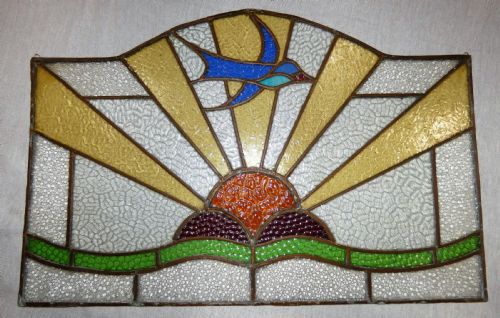


Vintage Leaded Light Window
These vintage leaded light window pieces bring historic glasswork into modern interiors, offering authentic light diffusion and period charm.
Vintage Leaded Light Window
A vintage leaded light window brings architectural character and decorative colour to an interior space. These pieces combine structural framing with intricate glasswork, creating focal points in rooms.
The selections available range across Victorian, Edwardian, and 1930s periods. Buyers encounter various decorative formats, including landscape scenes, floral motifs, and bird designs set within leaded frames.
Many examples incorporate painted details, amber bullseyes, and figurative elements such as Dutch boy and girl designs. Stained glass panels and architectural salvage pieces form the core of these listings.
How these windows were constructed
Glass panels are assembled using lead cames to hold the individual coloured and clear segments together. Artisans then solder the joints to secure the entire matrix.
Wooden frames, often constructed from timber or pine wood, provide the structural surround for the glass assembly. Some panels feature hand-painted sections depicting countryside scenes, flowers, and wildlife.
Several Victorian and early twentieth-century panels feature unexpected avian residents, including birds captured mid-flight and perched attentively on branches.
What separates the finest examples
The complexity of the design and the presence of hand-painted artistry elevate certain panels above standard geometric patterns. Pictorial elements like countryside scenes or avian motifs demand higher skill from the maker.
The integrity of the lead cames and the variety of glass types, such as the inclusion of amber bullseyes, contribute to the visual richness of a piece. Original wooden surrounds and structural division into multiple sections also influence the character of the installation.
The Vintage Leaded Light Window Glossary
- Came
- The grooved lead strip used to hold individual pieces of glass together in a window. These strips are soldered at the joints to form a rigid lattice.
- Bullseye
- A circular imperfection or centre piece in blown glass, often showing a concentric pattern. These are frequently utilised in period windows to add texture and amber tones.
- Stained glass
- Glass that has been coloured by the addition of metallic salts during its manufacture. In these windows, coloured segments combine with painted details to form pictorial designs.
- Architectural salvage
- Building components rescued from demolition or alteration for reuse. This category includes panels and windows removed from older structures.
Vintage Leaded Light Window: Frequently Asked Questions
How do I hang a panel?
These windows can be mounted securely within existing interior window openings to let light pass through rooms. Alternatively, hanging them against a lit wall using proper brackets creates a glowing decorative art piece.
Ensure the weight of the timber frame and leaded glass is fully supported by appropriate fixings. Professional framing helps protect the lead matrix from sagging over time.
Are these windows suitable for exterior use?
Most vintage panels are best suited for interior display or secondary internal glazing. Historic lead work and older timber frames may not withstand modern weather exposure without restoration.
Placing panels inside protects the delicate hand-painted scenes and amber bullseyes from environmental degradation. They function well as room dividers or decorative wall hangings.
How do I identify the period?
Dating relies on stylistic clues within the glass design, such as Art Nouveau curves or Victorian pictorial motifs. Edwardian and 1930s pieces often feature specific floral arrangements or folk art influences.
The choice of wood in the frame, such as pine, and the complexity of the painted countryside scenes also point towards specific decades of manufacture.
How do I clean the glass?
Use a soft cloth and a gentle, non-ammonia cleaner to wipe down the glass surfaces. Avoid harsh chemicals that could damage hand-painted details or corrode the lead cames.
Take care around soldered joints and painted winter or countryside scenes. Regular dusting keeps the colours vibrant without risking moisture damage to the frame.