



Vintage Lapel Clip
A vintage lapel clip secures to a lapel or dress, bringing metallic sparkle and period character to everyday tailoring.
Vintage Lapel Clip
When you search for a vintage lapel clip, you encounter pieces that function as brooches, dress clips, and fur clips from the Edwardian era through the mid-century. These ornaments fasten securely to fabric, transforming plain lapels and collars with decorative stones or sculpted metal.
The selections span distinct design movements including Art Deco geometric layouts, Edwardian floral motifs, and Chinese export enamelling. You find versatile forms such as double-clip dress ornaments and folding mechanisms designed to protect delicate textiles.
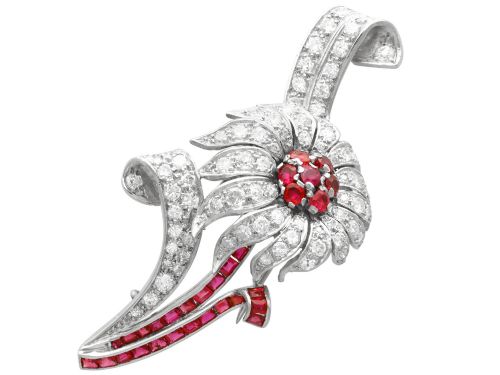
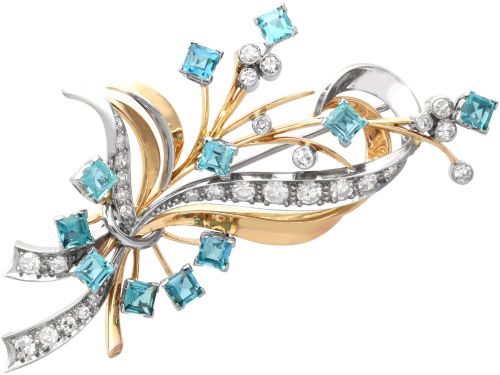
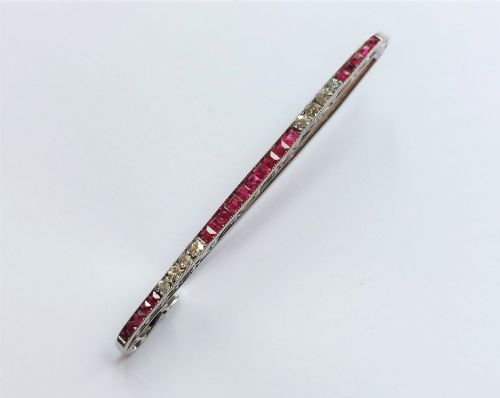
Makers of the period utilised silver, platinum, and gold alongside gemstones like rubies, diamonds, and aquamarines to create wearable miniatures. These accessories bridge functional fastener design and decorative jewellery traditions.
How they were made
Craftsmen built these pieces using precious metals such as platinum, sterling silver, and yellow gold as foundational structures for gemstone settings. Filigree wirework and cast mounts hold smaller stones securely within intricate geometric or organic layouts.
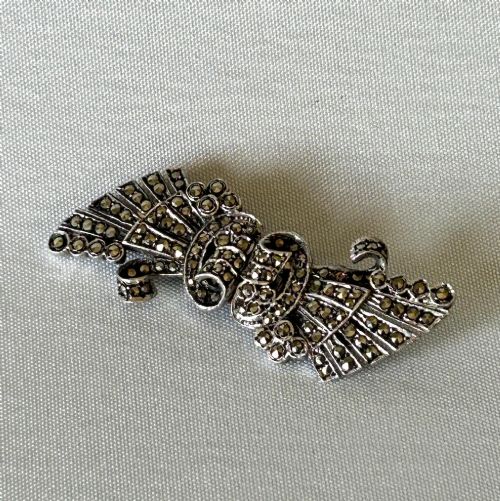
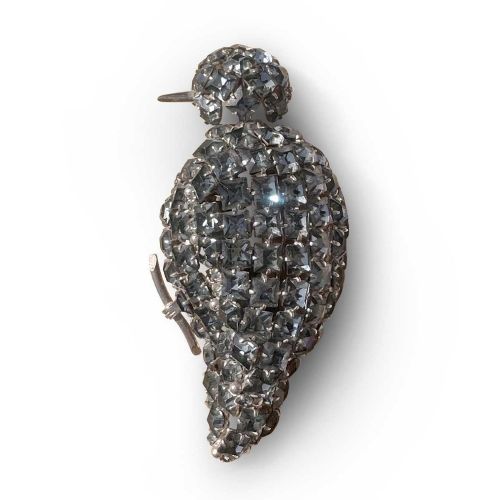
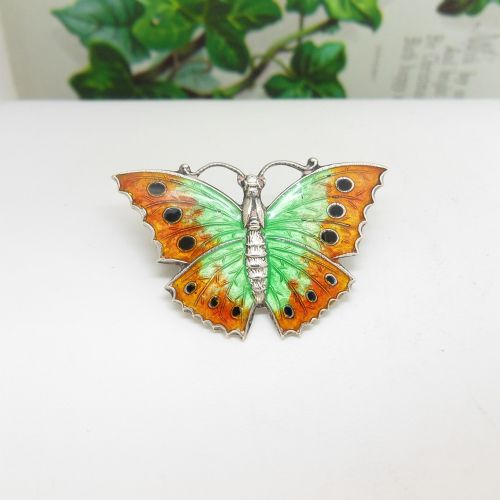
Surface decoration frequently incorporates hand-applied enamel in vibrant shades alongside precision-cut marcasite stones inset to mimic the brilliance of old-cut diamonds. Metal plating techniques and millegrain edging add fine textural detail to edges and bezels.
Vintage Lapel Clip Retail Price Guide 2026
Typical asking prices for vintage lapel clip among the pieces listed under this phrase on Sellingantiques today, from the lower quarter to the upper quarter. They describe what is for sale here now, not the wider market.
What varies in quality
The standard of a piece rests upon the crispness of its metalwork and the precision with which stones are calibrated and set into the frame. Fine examples exhibit tight integration between the decorative face and the mechanical fastening clip.
Artistry shows in the depth of hand-chased details, the uniform application of enamel, and the symmetry of complex gemstone clusters. Pieces that retain rigid hinge action and secure closures represent superior workshop standards.
Cartier Paris·Jakob Bengel
The Vintage Lapel Clip Glossary
- Marcasite
- Pyrite crystals cut with multiple facets and set closely together to provide a metallic, steel-like sparkle in jewellery.
- Fur clip
- A heavy dress ornament fitted with a dual-prong mechanism featuring teeth designed to grip thick pelts or heavy woven fabrics without slipping.
- Millegrain
- A decorative technique involving a row of tiny raised metal beads along the edge of a setting, common in Edwardian and Art Deco jewellery.
- Filigree
- Delicate openwork formed by twisting and soldering fine threads of gold or silver into intricate lace-like patterns.
- Duette
- A versatile dress clip assembly that separates into two distinct brooches worn individually on opposite lapels.
Vintage Lapel Clip: Frequently Asked Questions
What is a lapel clip?
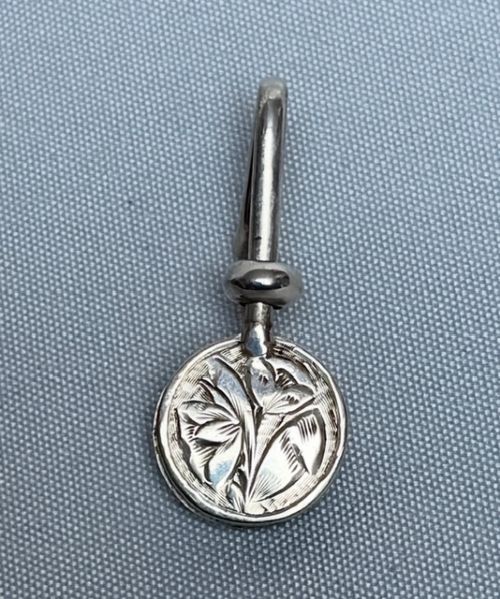
A lapel clip is a decorative fastening ornament designed to clamp securely onto the lapel of a jacket or coat.
Unlike traditional brooches with pin stems, these pieces often utilise hinged mechanisms or dual-prong clips to grip thick fabrics without piercing them.
How do dress clips work?
Dress clips feature a mechanical hinge and a spiked back plate that clamps firmly onto the fabric edge of a neckline or lapel.
Many Art Deco versions detach from a shared frame so you can wear them as a pair on separate lapels.
How do I style a clip?
You can attach a vintage clip to the lapel of a tailored blazer, the edge of a cardigan, or even use it to anchor a silk scarf.
They bring an immediate focal point to plain outerwear and work well paired with minimalist modern tailoring.
How do I date these pieces?
Dating relies on identifying stylistic markers such as Edwardian filigree work, Art Deco geometric symmetry, or mid-century modernist abstraction.
Materials like platinum and marcasite point towards the early twentieth century, while specific maker marks help narrow down the exact decade.