



1920s Dress Clip
A 1920s dress clip fastens fabric with geometric flair, bringing authentic Art Deco movement and sparkle to modern necklines and lapels.
1920s Dress Clip
A 1920s dress clip serves as a detachable ornament originally designed to secure necklines, shoulders, or waistbands on period attire. These versatile pieces often split into twin fur clips or function securely as traditional brooches and cape fasteners.
The items found here span the Art Deco and Edwardian eras, reaching into the 1930s and 1940s. The dominant style is Art Deco, alongside Danish Sknvirke silverwork.
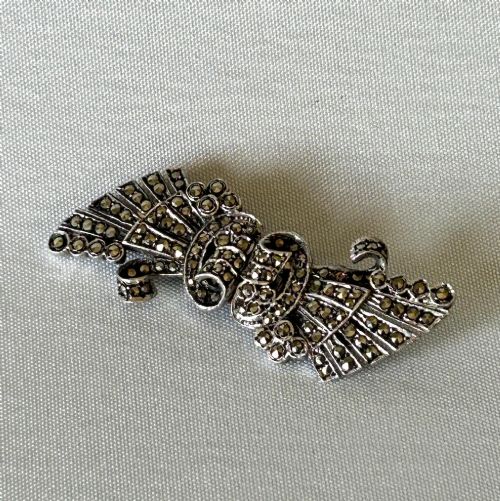
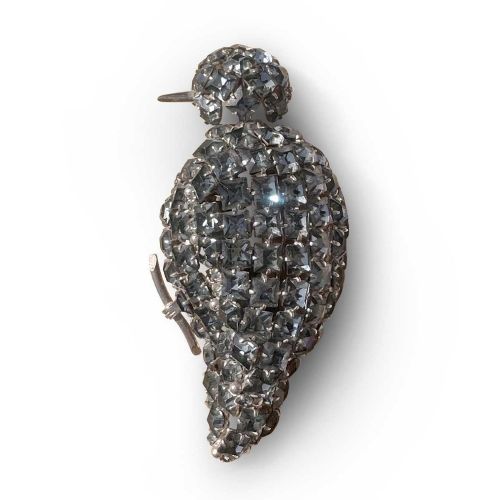
Buyers encounter forms ranging from elaborate diamond and platinum plaques to silver and marcasite duplicates, alongside rock crystal quartz, chrysoprase, and glass examples.
How they were made
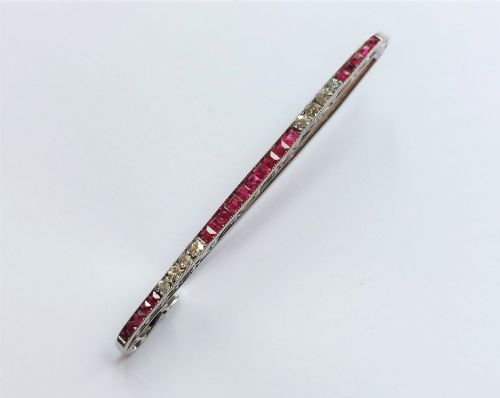
Makers set diamonds into durable platinum or white gold, utilising old cut stones to catch candlelight and electric illumination alike. Silver and 14ct yellow gold provide alternative mountings for both gemstones and paste.
Details incorporate carved materials such as black onyx, rock crystal quartz, and pink pearl, complemented by glittering marcasite or vibrant rubies and chrysoprase. Metalwork reflects geometric precision typical of the period.
1920s Dress Clip Retail Price Guide 2026
Typical asking prices for 1920s dress clip among the pieces listed under this phrase on Sellingantiques today, from the lower quarter to the upper quarter. They describe what is for sale here now, not the wider market.
Listings feature platinum, gold, silver, and silver-plated materials spanning the 1920, 1930, 1940, and Edwardian periods.
What varies in quality
Quality rests upon the weight and cut of the diamonds, the purity of the platinum or gold, and the crispness of the geometric metalwork. Substantial carat weights elevate certain pieces significantly above simpler silver and paste or glass alternatives.
The integrity of the mechanism dictates everyday utility. Pieces that convert cleanly from a single brooch into dual dress clips demonstrate superior mechanical design from period workshops.
The 1920s Dress Clip Glossary
- Duette dress clip
- A convertible ornament that separates into two distinct clips for dual placement on a garment. This clever mechanism defined interwar jewellery innovation.
- Marcasite
- Small faceted pyrite stones set closely in silver to imitate the sparkle of marcasite steel. Jewellers used this material extensively to create affordable geometric brilliance.
- Old cut diamond
- A precursor to the modern brilliant cut featuring a smaller table and larger facets. These stones display a distinctive soft glow under artificial light.
- Paste
- Hand-cut lead glass used to simulate gemstones in period costume jewellery. Skilled artisans polished each facet by hand to maximise reflection.
- Sknvirke
- A Scandinavian arts and crafts style prioritising naturalistic silver motifs. Danish makers applied this aesthetic to capes and brooches during the early twentieth century.
1920s Dress Clip: Frequently Asked Questions
How do you wear a dress clip today?
Attach the hinged mechanism securely to the edge of a lapel, scarf, or neckline. Dual clips can anchor opposite sides of a collar or fasten a cardigan.
Ensure the fabric is sufficiently robust to support the weight of platinum and diamond settings without pulling.
Were dress clips and fur clips the same thing?
Fur clips feature a specialised dual- pronged clip on the reverse designed to pierce thick pelts without damage. Standard dress clips often attach with a traditional pin stem or hinged clip combination.
Many designs allowed the wearer to detach twin clips from a shared frame for versatile placement.
What metals are typical for this period?
Platinum and white gold dominate high-end Art Deco pieces, providing a strong, bright background for diamonds. Silver, yellow gold, and silver-plate appear in alternative designs alongside marcasite and glass.
Makers selected metals based on the required stone setting and the desired weight of the ornament.
How do I care for vintage paste and glass?
Clean these delicate items gently with a dry soft cloth to protect the foil backs often found behind paste stones. Avoid submerging antique pieces in water.
Store each clip individually in a padded box to prevent scratching softer materials like rock crystal quartz and chrysoprase.