



Vintage Landscape Etching
These vintage landscape etching works range from early twentieth-century views to nineteenth-century prints, offering varied techniques on paper and glass.
Vintage Landscape Etching
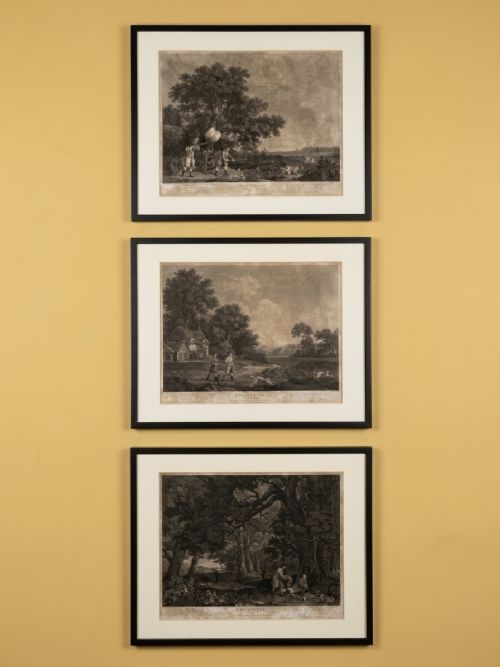
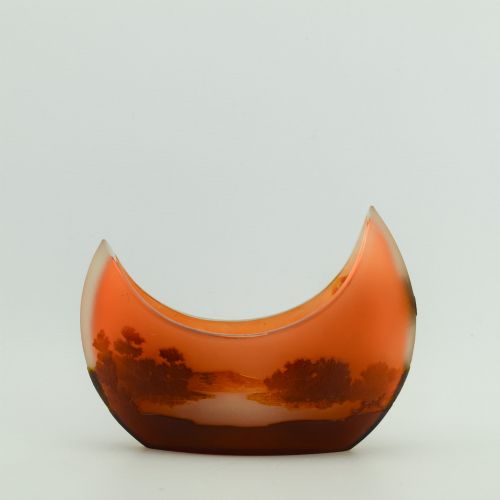
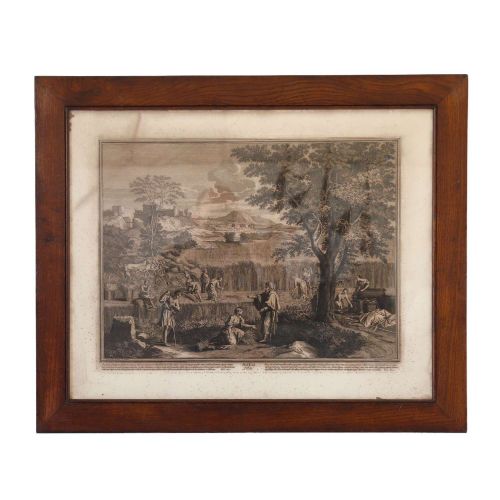
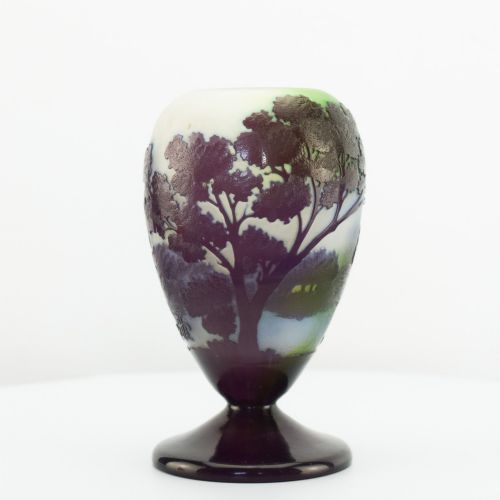
A vintage landscape etching search encompasses works on paper alongside cameo glass vases depicting scenery. The selection spans periods from the seventeenth century through to the early twentieth century.
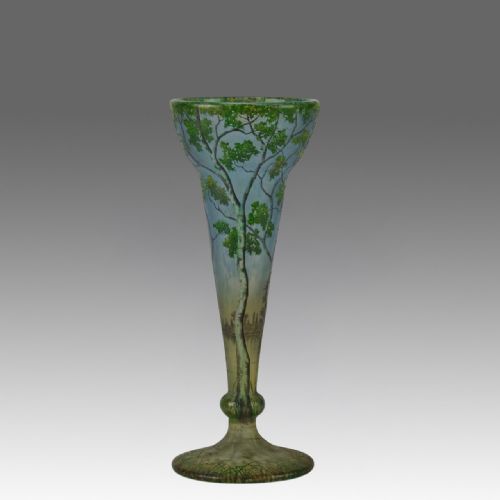
Buyers will encounter framed prints alongside art glass vessels featuring acid-etched and cameo landscape motifs. Print formats include hand-coloured engravings and etching with aquatint.
Scenic subjects include pastoral views, architectural scenes, coastal spots and park landscapes. These pieces reflect diverse stylistic movements such as Neoclassical, Art Nouveau and Victorian.
Materials and methods
Works on paper utilise ink, watercolour and gold leaf, frequently finished with hand-colouring. Etchings often combine aquatint techniques to achieve tonal depth.
Glass pieces employ acid-etched and cameo techniques on layered glass to build scenic depth. Wood and glass serve for framing and structural presentation.
Vintage Landscape Etching Retail Price Guide 2026
Typical asking prices for vintage landscape etching among the pieces listed under this phrase on Sellingantiques today, from the lower quarter to the upper quarter. They describe what is for sale here now, not the wider market.
Listings feature paper, glass, ink, and wood across periods from the seventeenth century to the twentieth century.
Judging quality in these pieces
Quality rests on the clarity of the line work in prints and the precision of the carving on cameo glass. Definition in architectural and natural details distinguishes finer examples.
The harmony of hand-colouring and the preservation of the paper or glass surface dictate the overall standard. Intricacy in multi-layered glass landscapes also marks distinction.
William Woollett·George Stubbs·Galle·Daum Freres·Legras·T.A Prior·Norman Janes·CB Prescott·Edward Burrows·Victor Valery
The Vintage Landscape Etching Glossary
- Etching
- A printmaking process where acid cuts into unprotected parts of a metal plate to hold the ink. This technique creates fine, detailed lines.
- Aquatint
- An intaglio printmaking technique that produces tonal areas resembling watercolour washes. It is frequently combined with standard etching.
- Cameo glass
- Art glass created by layering different coloured glasses and carving away layers to reveal a design. Landscapes often appear as the outer contrasting layer.
- Engraving
- A method of cutting designs directly into a hard plate with a burin. Prints produced this way exhibit precise, clean lines.
- Hand-coloured
- Prints finished with applied watercolour or tinting after printing. This adds specific hues to the black and white ink base.
Vintage Landscape Etching: Frequently Asked Questions
What is an etching?
An etching is an artwork produced by using acid to bite lines into a metal plate, which then holds ink for printing.
This method allows artists to achieve fine detail and varied textures across the printed surface.
How do cameo glass vases show landscapes?
Makers acid-etch and carve multiple layers of coloured glass to reveal scenic motifs in relief.
This technique creates contrast between the foreground trees or buildings and the background sky.
Are these prints hand-coloured?
Some pieces feature watercolours or tints applied by hand after the initial printing process.
This added colour enhances the pastoral or architectural details of the scene.
How should I display framed prints?
Framed works on paper require placement away from direct sunlight to prevent fading of the ink and paper.
Proper framing with conservation-grade materials protects the paper surface over time.