
Vintage Landscape Canvas Art
Vintage landscape canvas art brings together painted views of rivers, coasts and fields from the nineteenth and twentieth centuries.
Vintage Landscape Canvas Art
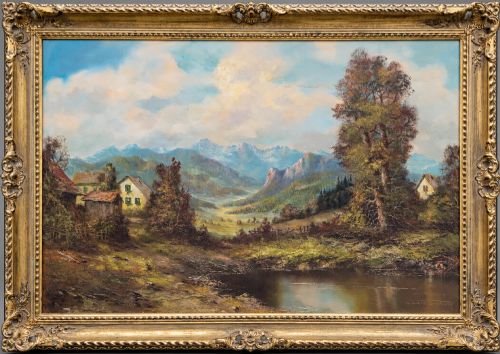
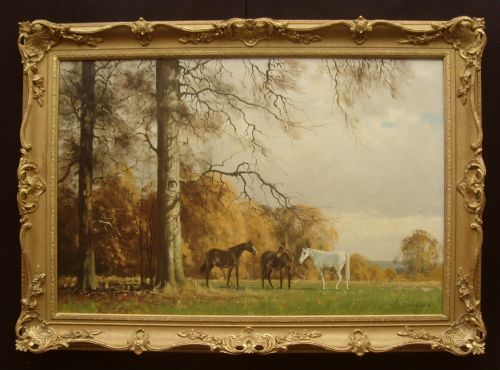
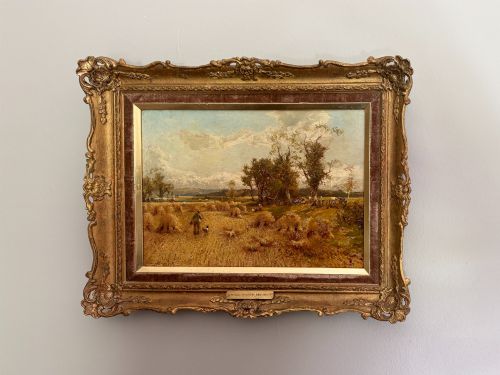
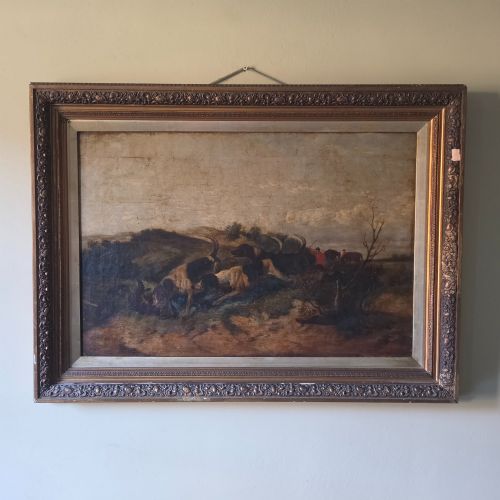
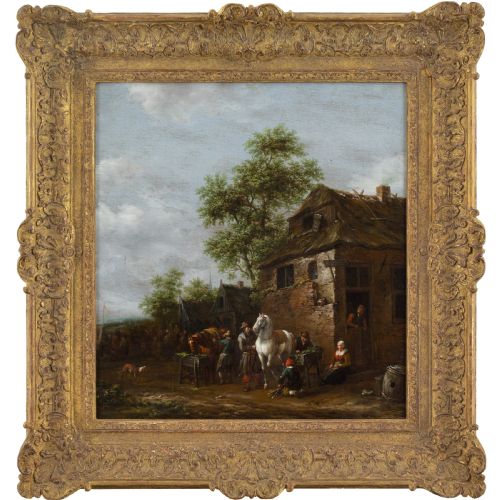
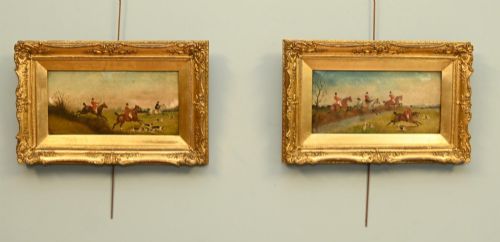
When you search for vintage landscape canvas art, you find oil paintings spanning from the Victorian period through the Edwardian era and into the mid-twentieth century. The selection includes British and European scenes featuring rivers, woodlands, coastal waters and rural fields.
Most examples you encounter take the form of framed oil paintings on canvas or board, created by regional artists working in styles that range from 19th Century Realism to British Impressionism and Post-Impressionism.
Materials and construction
The works rely upon oil paint applied to woven canvas stretched over wooden frames, or directly onto wooden boards. Artists utilised traditional pigments combined with oil mediums to build up texture, sometimes employing impasto techniques to give weight to water, foliage and skies.
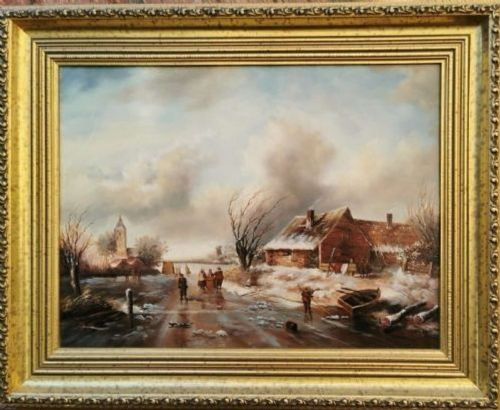
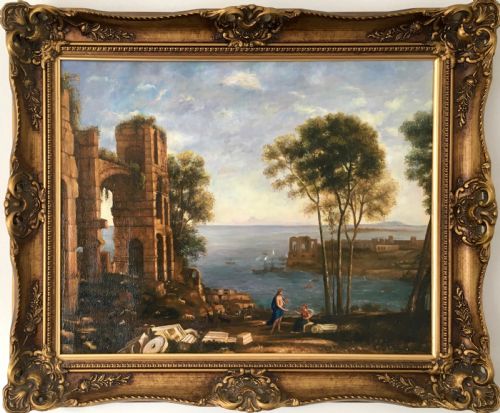
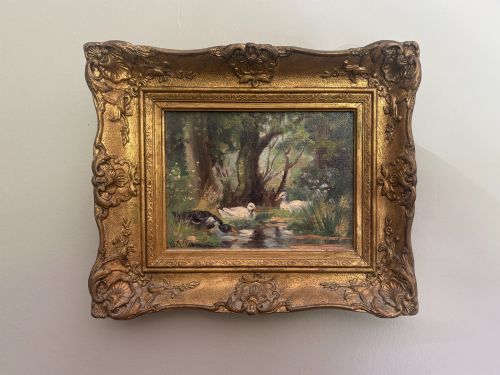
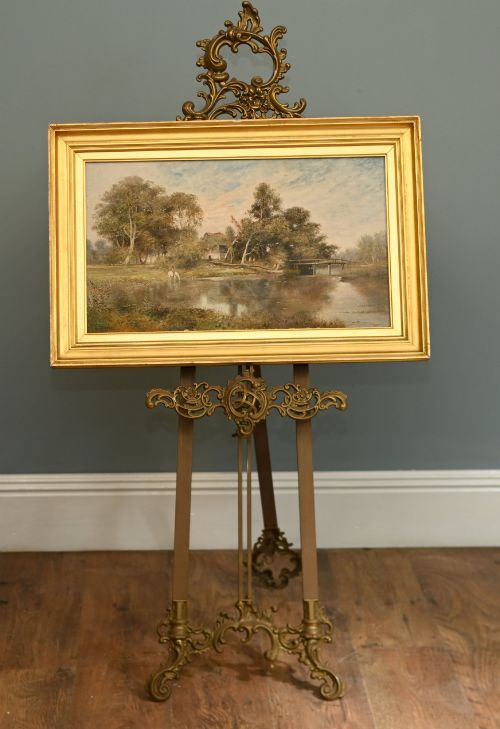
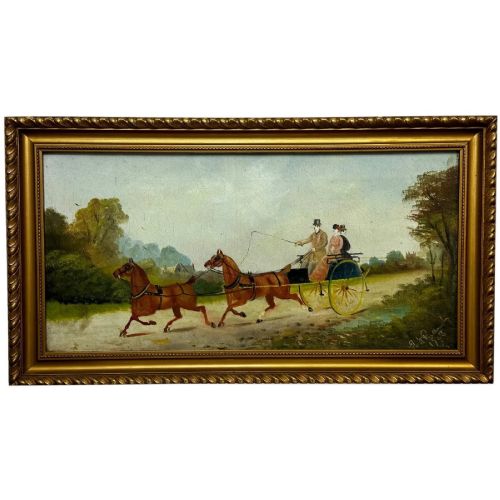
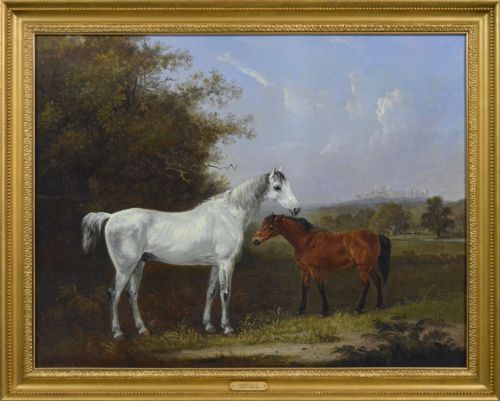
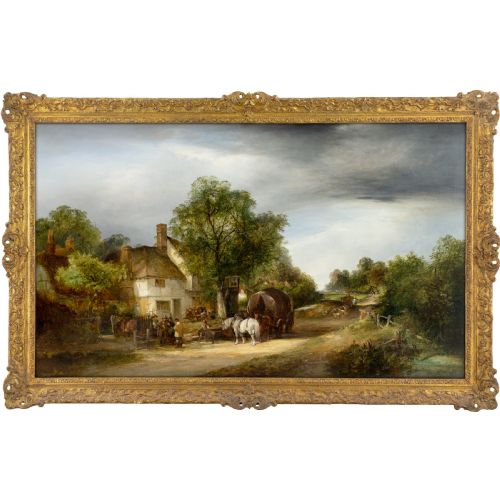
Gilt frames frequently accompany these paintings, providing a traditional border that complements the oil medium and protects the edges of the canvas.
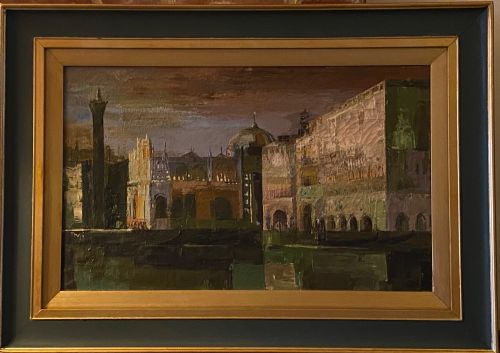
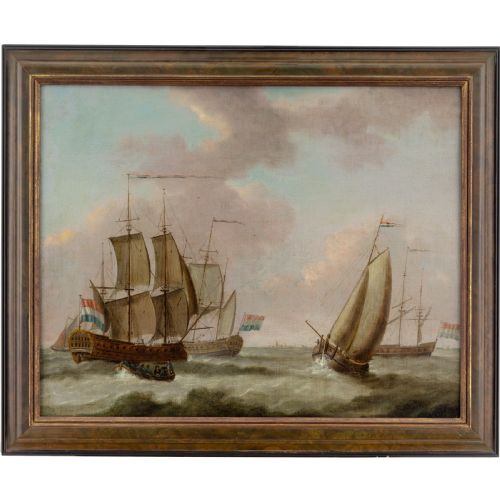
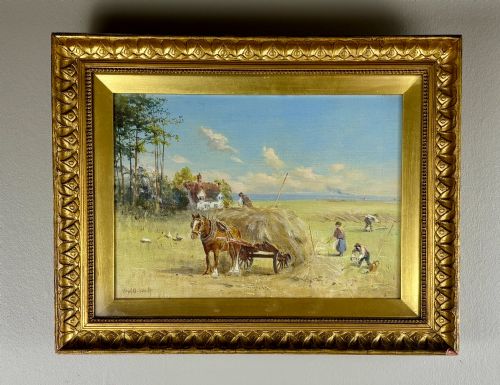
A solitary shire horse stands ready to plough through painted fields while distant ships navigate calm harbour waters.
Assessing quality
Quality rests in the handling of light, brushwork confidence and the structural integrity of the canvas and wooden support. Stronger pieces demonstrate an assured sense of atmosphere and spatial depth rather than mere mechanical recording of a scene.
The condition of the oil paint layer, the stability of the stretcher and the appropriateness of the surrounding frame contribute to the overall standard of the surviving artwork.
Kenneth Cozens·William H Myers·George Graham·Clifford Hanney·Frederick Marriott·Reginald Arthur Borstel·Alfred Fontville de Breanski Jr·B Nash·George Houston·Herbert Royle·Thomas W Lascelles·James Kay·Augusto Alberici·Gabriel Mathieu·Arthur Gue·Thomas Smythe·Robert John Hammond·Alfred Pollentine·Antonio DeVity·Clive Browne·Peter Brannan·Paul Bret·Bernard Benedict Hemy·Cyril Walduck Edwards·Hubert Haider
The Vintage Landscape Canvas Art Glossary
- Impasto
- Paint applied thickly to a canvas or board, standing out from the surface so that the marks of the brush or palette knife remain visible. This technique adds tactile dimension to elements like waves or clouds.
- Canvas
- A heavy woven fabric, typically linen or cotton, stretched tightly across a wooden frame to form a stable support for oil painting. It remains the principal ground for works from this period.
- British Impressionism
- A painting style adopted by British artists who embraced open-air painting and loose brushwork to capture transitory effects of light and weather. It developed towards the end of the nineteenth century.
- Gilt
- A thin layer of gold leaf or gold paint applied to the surface of wooden picture frames. This finish adds reflective warmth and ornamental detail to the presentation.
Vintage Landscape Canvas Art: Frequently Asked Questions
What periods do these paintings cover?
The works span from the nineteenth century through the Victorian and Edwardian eras into the 1950s and 1960s. You will find pieces aligned with early twentieth-century realism as well as post-war British and European movements.
Dates are often recorded through signatures, exhibition labels or stylistic markers typical of specific decades like 1910 or 1950.
How should I care for an oil painting on canvas?
Keep the artwork away from direct sunlight, extreme temperature changes and high humidity to protect the oil paint and wooden stretcher. Dust the surface gently with a soft, dry brush without applying pressure.
Avoid using water or chemical cleaners on the paint or the gilt frame, as moisture damages traditional oil grounds.
What subjects are most common?
Marine scenes, river views, woodland interiors and pastoral landscapes with figures or animals appear frequently across the selection. Coastal harbours, bridges and rural cottages are also common motifs.
Many works record specific locations in Britain, France, Italy and further afield, reflecting the travel habits of artists from the period.
How do I identify the framing style?
Many pieces retain their original or period-appropriate wooden frames, often finished with gilt or moulded plaster details. These frames are selected to match the aesthetic of the painting era.
Examining the back of the frame and canvas reveals clues such as old stamps, labels, or stencilled maker marks from framers.