




Vintage Lake District
Vintage lake district art captures the topography, fells, and waters of Cumbria through the eyes of local and visiting painters.
Vintage Lake District
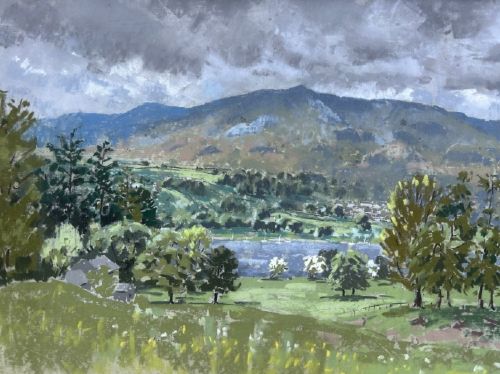
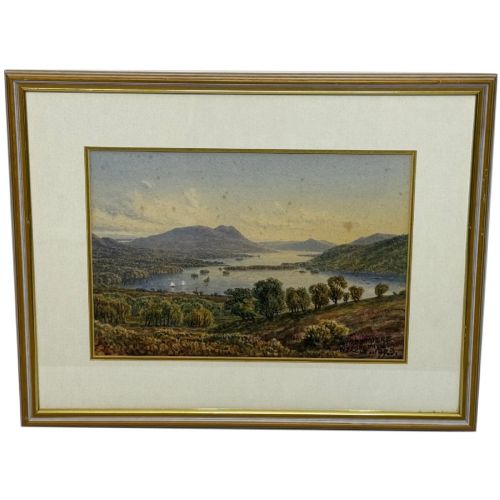
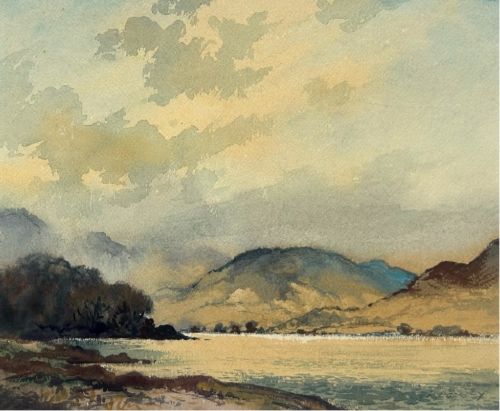
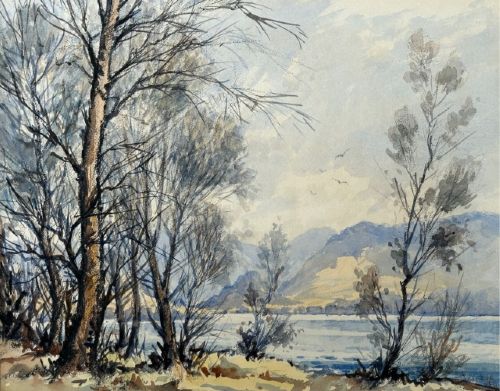
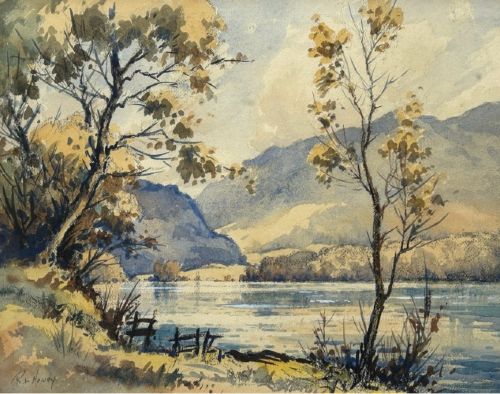
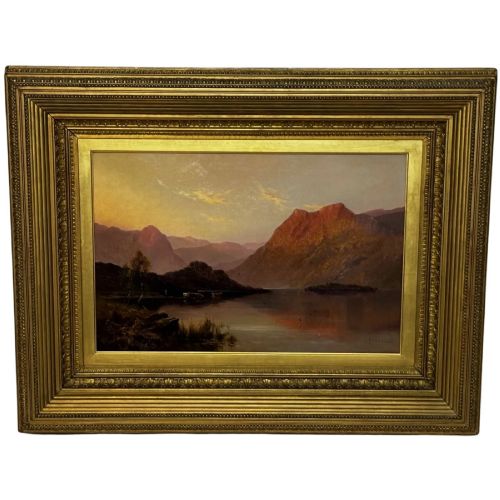
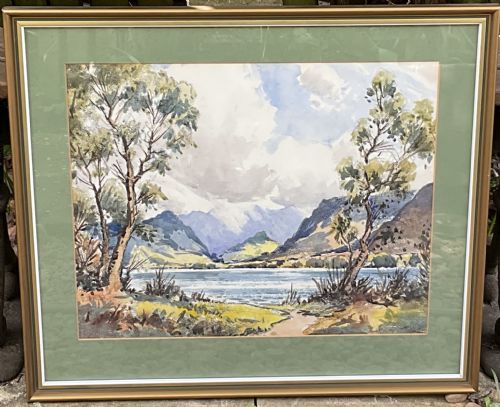
When you search for vintage lake district pieces, you encounter original works that record the topography, fells, and waters of Cumbria. These works primarily take the form of paintings, watercolour paintings, and original drawings created to capture the distinctive northern landscape.
Subjects often focus on specific local landmarks, including Windermere, Derwentwater, Grasmere, and various fells. Artists record these locations in varying styles, ranging from detailed topographical studies to post-war impressionist landscapes.
Materials and techniques
Artists record the Cumbrian terrain using watercolour pigment, oil paint, ink, charcoal, and pencil on paper, canvas, and wood supports. Many works combine watercolour and ink, laying down fluid washes of pigment before defining contours with precise ink lines.
Impasto oil paintings apply pigment thickly to the canvas or board to build physical texture, particularly effective for rendering the changing light and shadows across estuaries and fells. Other pieces utilise fine paper and cardboard supports for delicate watercolour and charcoal sketches.
Vintage Lake District Retail Price Guide 2026
Typical asking prices for vintage lake district among the pieces listed under this phrase on Sellingantiques today, from the lower quarter to the upper quarter. They describe what is for sale here now, not the wider market.
Listings feature paper, canvas, and wood supports utilised for watercolour, oil, ink, and charcoal works.
Distinguishing quality
Quality rests upon the artist's ability to capture the specific atmospheric conditions and topography of the region rather than generic scenery. Works by established named painters demonstrate a superior command of light, shadow, and spatial depth across the Cumbrian landscape.
Execution and handling of the chosen medium define the upper tier of works, where brushwork or pen strokes remain confident and purposeful. Condition also plays a role, with well-preserved works retaining the vibrancy of their watercolours or the structural integrity of their impasto oils.
William Taylor Longmire·Alfred Fontville de Breanski Jr·Robert Leslie Howey·Helen Layfield Bradley·Edward Dayes·Edward Horace Thompson·Claude Muncaster·Frederick Tucker·Percy Lancaster·Angus Rands·Bernard Eyre Walker
The Vintage Lake District Glossary
- Watercolour painting
- A work executed with water-soluble pigments on paper. This medium allows for transparent washes that capture shifting skies and reflective lake surfaces.
- Impasto
- Paint applied thickly to a canvas or panel so that it stands out from the surface. This technique creates a textured finish that registers the movement of the brush.
- Topographical landscape
- An accurate representation of a specific real-world location. These works serve as historical visual records of Cumbrian views and buildings.
- Georgian
- Pertaining to the period from 1714 to 1830 in Britain. Works from this era often display precise ink underdrawing combined with delicate watercolour washes.
Vintage Lake District: Frequently Asked Questions
What periods do these pieces cover?
The works span from the eighteenth century through the Edwardian era and into the mid-twentieth century.
Mid-century modern and post-war impressionist styles sit alongside earlier Georgian and Victorian landscape traditions.
Which locations are most commonly depicted?
Artists frequently record well-known Cumbrian landmarks such as Windermere, Derwentwater, Grasmere, and specific fells and valleys.
Views extend across specific local points including Lodore Falls, Friars Crag, and various Cumbrian estuaries.
How were these landscape works created?
Makers employed mediums including watercolour pigment, oil paint, ink, charcoal, and pencil on paper, canvas, and wood.
Techniques range from precise pen-and-ink topographical drawings to thick impasto oil paintings and fluid watercolour washes.
How should I frame and display works on paper?
Works on paper such as watercolours and drawings benefit from professional framing behind protective glass.
Keeping them away from direct sunlight preserves the paper support and prevents watercolour pigments from fading.