




Vintage Lacquerware
Vintage lacquerware brings together polished surfaces and hand-painted artistry from the nineteenth and early twentieth centuries across global traditions.
Vintage Lacquerware
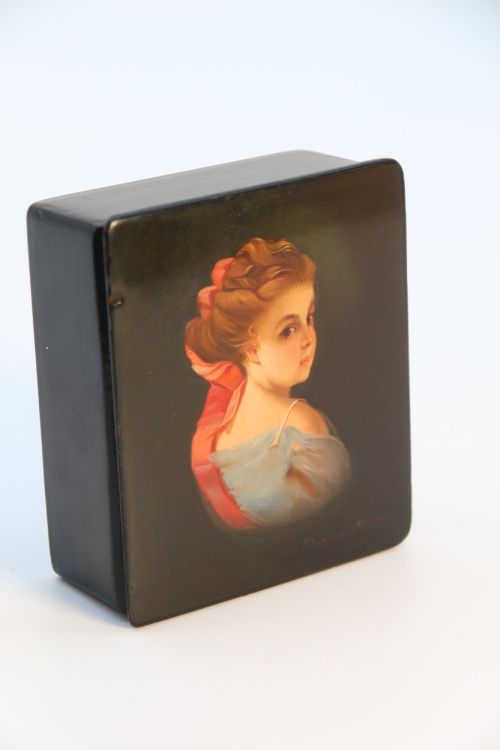
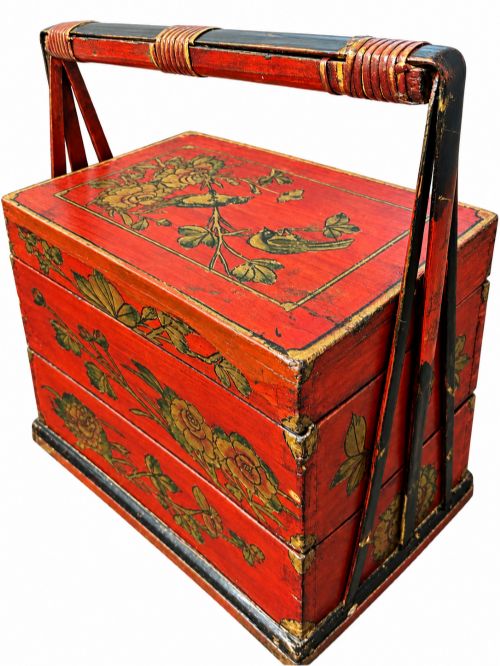
Vintage lacquerware encompasses decorative and utilitarian objects featuring built-up resin or paint layers finished to a smooth sheen. Buyers searching this phrase encounter functional household items alongside purely ornamental pieces created in diverse regional workshops.
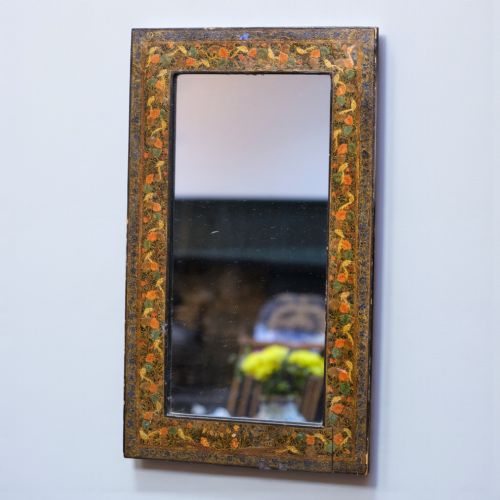
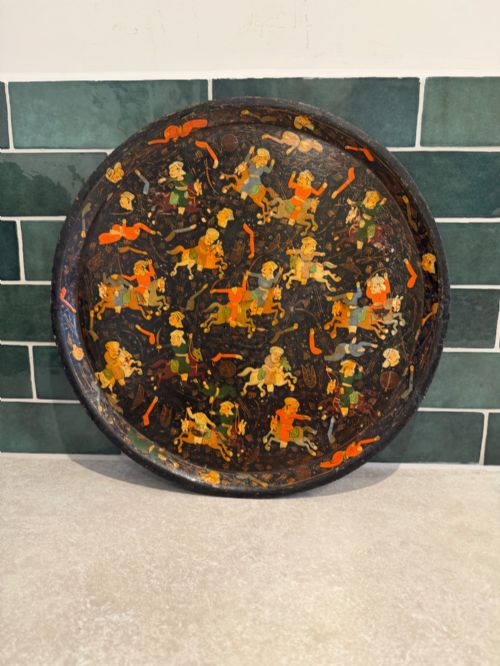
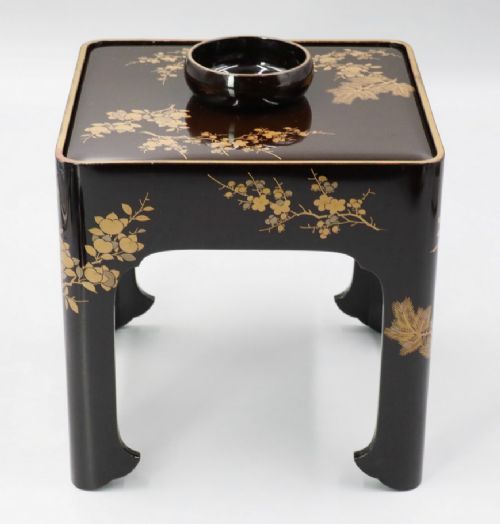
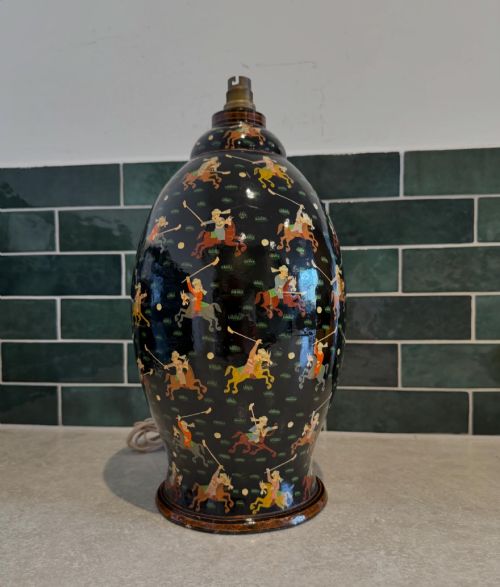
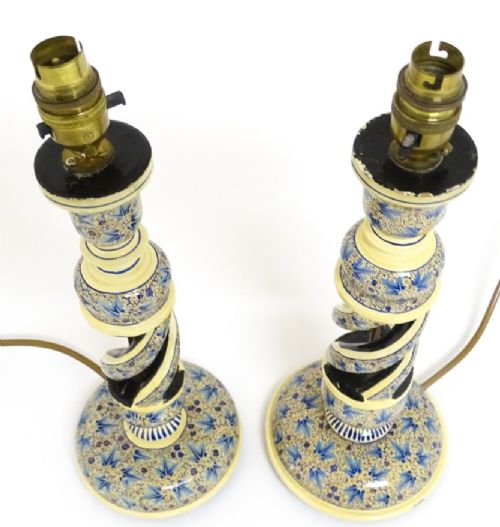
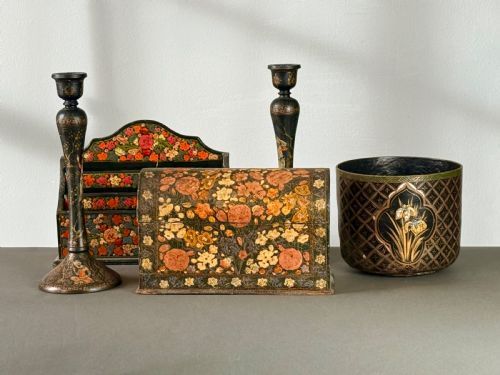
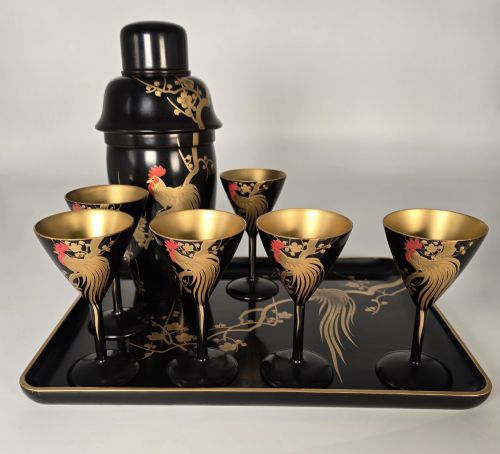
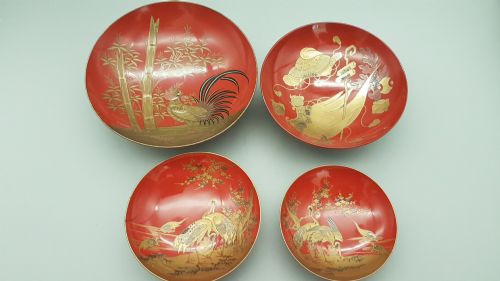
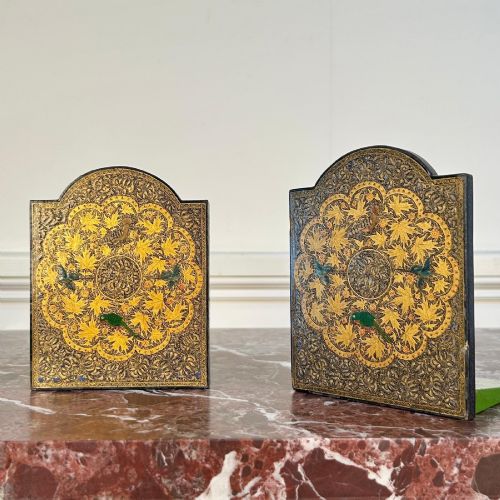
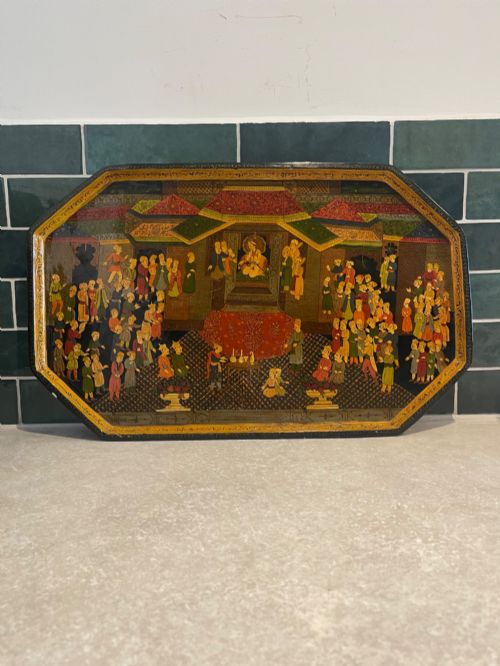
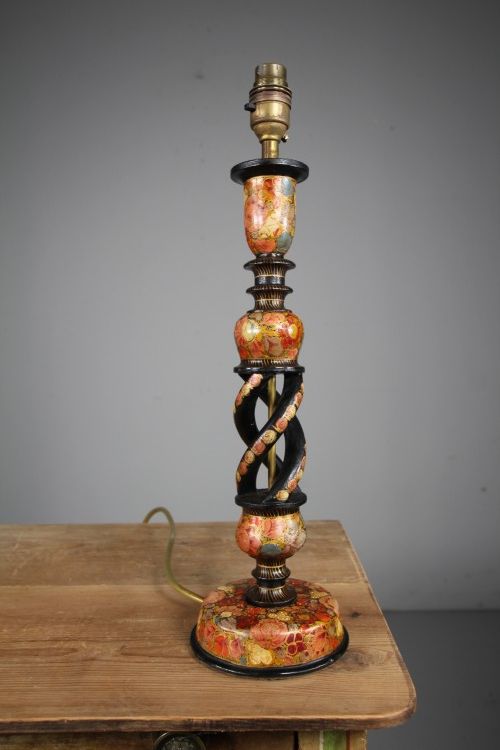
The selection ranges from Japanese Meiji period sake cups and panels to Kashmiri papier-mâché lamps, trays, and boxes. Items like Georgian butler's trays and Chinese cinnabar vases also appear among the diverse global forms.
Most examples date from the nineteenth century through the early twentieth century, including Edwardian and Taisho periods. These pieces serve as both practical desk accessories and striking focal points in modern interiors.
Materials and construction methods
Many items utilise traditional wood or lightweight papier-mâché as a base foundation. Artisans then applied successive coats of lacquer, urushi lacquer, or pigment to build depth and durability.
Surface decoration frequently incorporates hand-painted details, gold leaf accents, and intricate carved relief work. Additional elements such as brass fixtures and porcelain bodies appear within specific regional traditions like Japanese over-paint techniques.
Vintage Lacquerware Retail Price Guide 2026
Typical asking prices for vintage lacquerware among the pieces listed under this phrase on Sellingantiques today, from the lower quarter to the upper quarter. They describe what is for sale here now, not the wider market.
Materials documented across the inventory include urushi lacquer, papier-mâché, gold leaf, brass, and pigment on wood and porcelain.
Determinants of quality
Execution and precision of the hand-painted motifs separate simpler utility items from finer decorative works. The crispness of detail in Japanese Meiji pieces or Kashmiri floral designs dictates visual success.
Integrity of the underlying lacquer layer and the stability of the wood or papier-mâché substrate matter significantly. Smoothness of finish and the retention of original gold leaf or pigment contribute to overall excellence.
The Vintage Lacquerware Glossary
- Urushi lacquer
- A natural resin harvested from trees of the Toxicodendron genus, cured in high humidity to form a durable finish. This traditional material creates the deep, lustrous surfaces found on fine Japanese vessels.
- Papier-mâché
- A composite material made from paper pulp or layers of paper bound with glue or paste. Kashmiri artisans moulded this substance into lightweight trays, vessels, and lamp bases before painting them.
- Cinnabar lacquer
- A technique involving numerous coats of red lacquer carved with intricate figural or botanical scenes. Chinese examples demonstrate this labour-intensive sculptural method.
- Inro
- A traditional Japanese portable case for holding small objects, suspended from a sash. These stacked containers display meticulous lacquer craftsmanship.
- Chinoiserie
- European decorative style reflecting Chinese artistic influences, often featuring hand-painted motifs on lacquered furniture and desk accessories. This aesthetic gained popularity across various British interior design periods.
Vintage Lacquerware: Frequently Asked Questions
How do I clean vintage lacquerware?
Dust surfaces gently with a soft, dry cloth to prevent scratching the delicate finish. Avoid chemical solvents, harsh detergents, or excessive moisture which can damage aged resin and paint.
Keep pieces away from direct sunlight and strong heat sources. Stable indoor environments prevent the wood or papier-mâché foundations from warping.
Are lacquer table lamps safely wired?
Many older lamps arrive with historical wiring that requires updating for modern safety standards. Professional rewiring ensures the piece operates safely while preserving the decorative body.
Check that lamp conversions respected the original papier-mâché or wooden structure. Qualified electricians can test vintage lighting components before daily use.
What is the difference between Japanese and Kashmiri lacquer?
Japanese production often utilised urushi resin on wood bases, focusing on refined Meiji period aesthetic standards and metallic highlights. Kashmiri pieces frequently employed papier-mâché foundations decorated with vibrant hand-painted floral pigments.
Geographic origins dictate the weight, tactile feel, and colour palettes of each tradition. Understanding these regional distinctions helps identify the manufacturing source.
Can I use vintage lacquer boxes for daily storage?
Sturdy boxes and lidded pots accommodate lightweight items such as trinkets or desk supplies. Care must be taken not to overload fragile hinges or abrasive interior contents.
Gentle handling preserves the painted exterior artwork from unnecessary wear. Lined storage protects both the object and the items placed inside.