
Vintage Kitchen Seating
These vintage kitchen seating pieces range from sturdy nineteenth-century Windsor chairs to oak benches, offering practical charm for everyday dining spaces.
Vintage Kitchen Seating
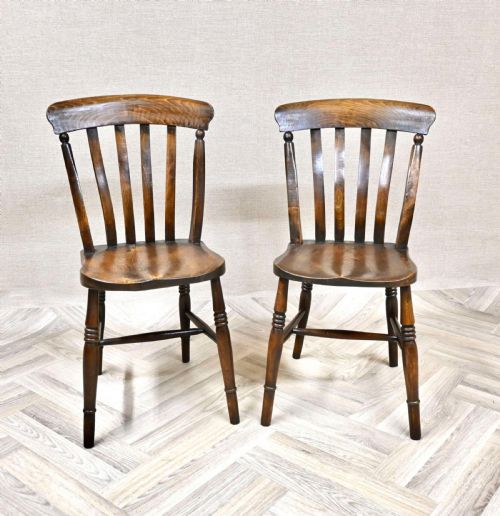
When buyers search for vintage kitchen seating, they encounter a robust mix of utilitarian dining chairs, benches, and stools designed for hard daily use in domestic spaces. The selection on this page relies heavily on nineteenth-century and early twentieth-century forms, where practicality dictated construction above all else.
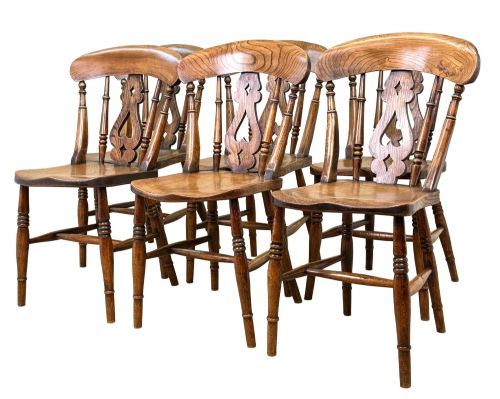
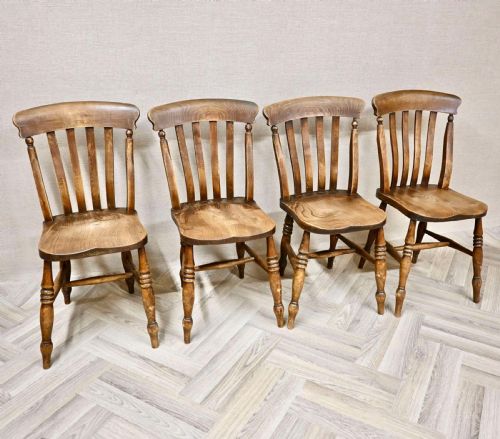
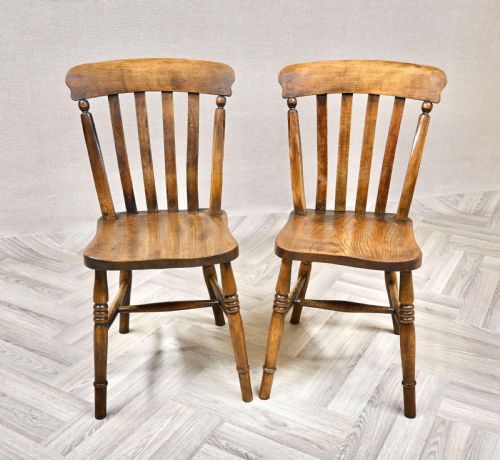
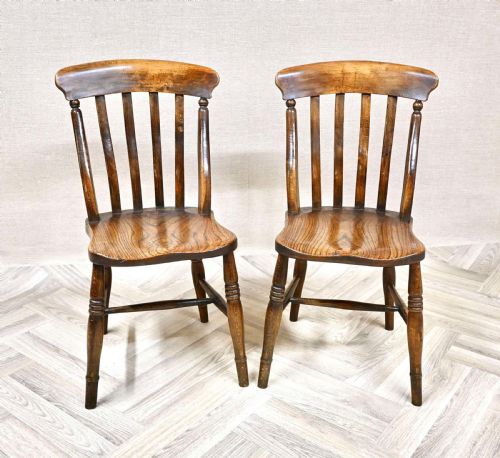
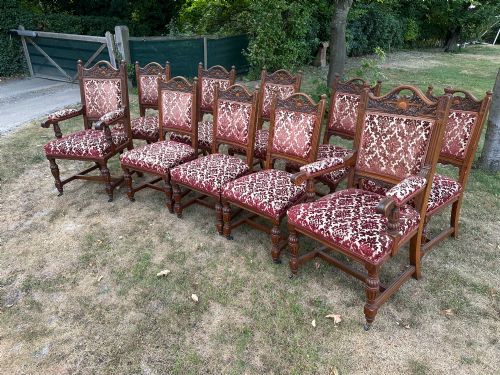
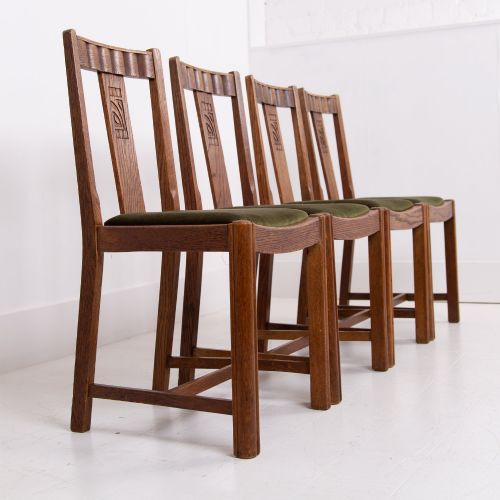
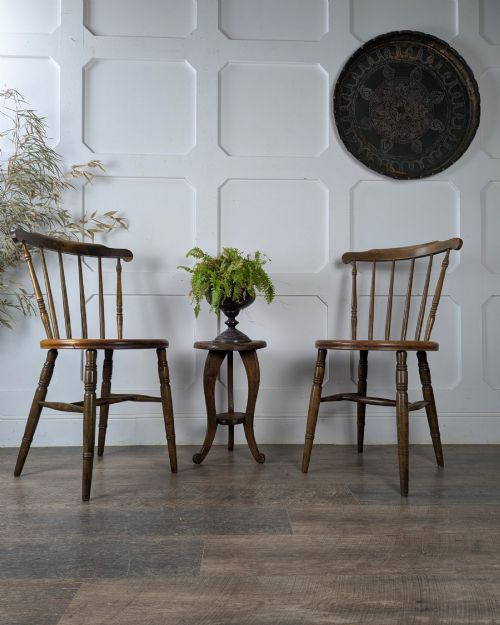
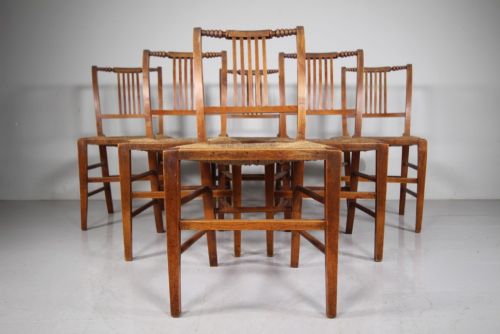
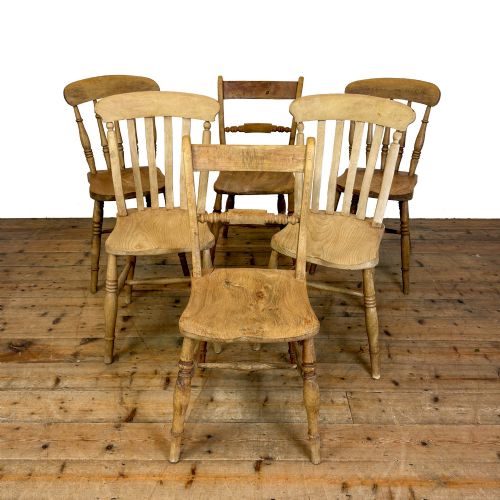
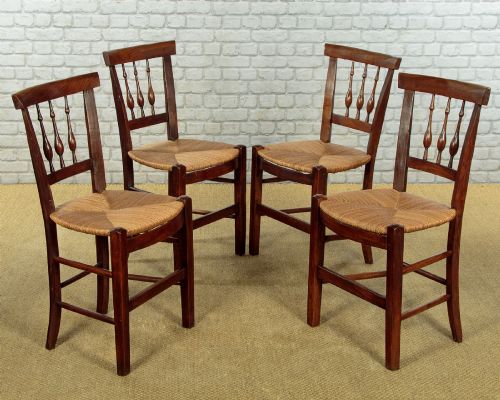
The most frequent pieces met here are Windsor chairs and country dining chairs, often found in sets of four, six, or ten. These forms span Victorian, Edwardian, and later rustic styles, reflecting the diverse domestic interiors of past eras.
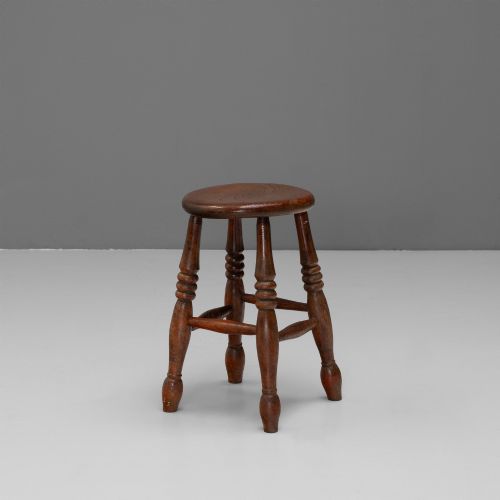
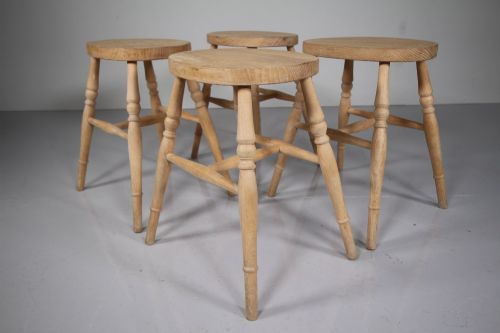
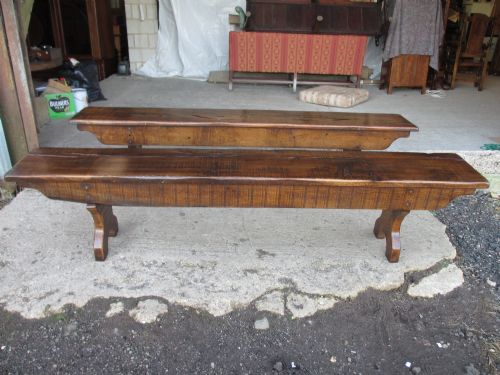
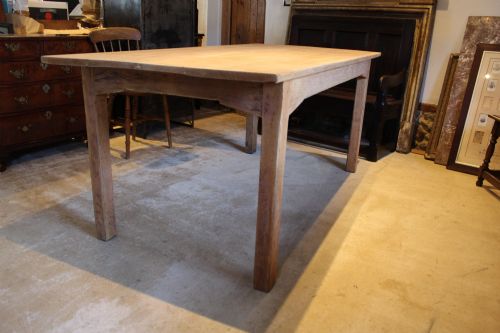
Beyond standard chairs, the inventory includes tall bar stools, refectory tables, and heavy oak benches with shaped trestle ends. These varied objects show how kitchens served as central, hard-working areas of the home requiring adaptable furniture.
How they were made
Makers utilised solid native timbers, most notably elm for shaped seats, beech for turned spindles, and ash or oak for structural frames. Pine and cherrywood also appear, particularly in benches and tables where wide boards were essential.
Traditional joinery methods, such as steam-bending for hoop and stick backs and wedged mortise and tenon joints, gave these utility pieces their resilience. Surfaces often show traces of original paint, bleached finishes, or simply the warm grain of waxed wood.
Materials recorded across these listings include elm, beech, oak, pine, ash, and cherrywood.
What varies in quality
The distinction between ordinary utility seating and superior examples rests on timber selection and structural integrity. Pieces featuring figured elm seats paired with finely turned beech spindles display a higher grade of craftsmanship than purely utilitarian workshop output.
Proportion and matching also determine distinction, particularly in harlequin sets where individual chairs must harmonise in height and scale. Original surface patination, unmarred by aggressive stripping, preserves the historical character that collectors value.
The Vintage Kitchen Seating Glossary
- Windsor chair
- A chair built with a solid wooden seat into which the legs and back spindles are separately bored and wedged. This design provides exceptional strength through its braced construction.
- Ladderback
- A chair style featuring horizontal slats or bars across the back frame. These were commonly produced in ash and beech for country dining.
- Refectory table
- A long, narrow dining table originally designed for communal dining spaces. In domestic settings, these heavy timber tables anchor a kitchen seating arrangement.
- Harlequin set
- A matched group of chairs that share a general style and period but differ slightly in minor decorative details. Such sets were often assembled over time rather than bought together.
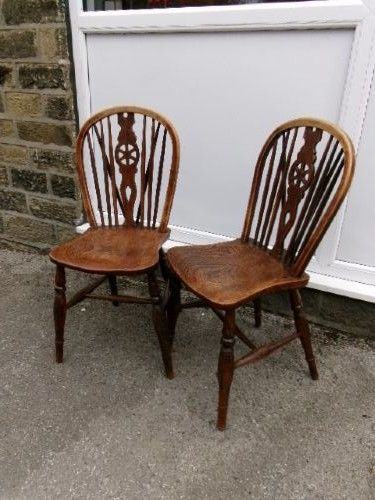
- Wheelback
- A Windsor chair variation featuring a pierced splat shaped like a cartwheel centre. This decorative back design gained popularity during the nineteenth century.
Vintage Kitchen Seating: Frequently Asked Questions
What defines a Windsor kitchen chair?
A Windsor chair is characterised by a thick wooden seat that directly receives the legs and back components. This distinct method of construction creates a sturdy, resilient piece suited to daily kitchen use.
Most examples employ a combination of woods, such as an elm seat paired with ash or beech spindles. This pairing balanced comfort with structural flexibility.
How do I mix old kitchen chairs?
Mixing older kitchen chairs successfully depends on finding common elements such as wood tone, overall height, or chair style. Harlequin sets demonstrate how chairs from the same era can complement each other around a shared table.
Keeping a consistent material, like oak or elm, helps unify disparate seating types. Similar seat heights ensure comfort for everyone dining together.
Are wooden benches practical for kitchens?
Solid wood benches offer robust, space-saving seating that fits neatly beneath refectory tables. Historical examples often feature trestle ends or sturdy stretchers designed to withstand heavy daily use.
They allow flexible seating arrangements where several people can sit together. Their compact footprint leaves more floor space open in busy kitchen environments.
How do I care for antique wood seating?
Maintaining antique wooden chairs requires regular dusting with a dry cloth and occasional application of appropriate wax to nourish the grain. Avoiding direct sunlight and sudden temperature changes protects the timber from splitting.
Preserving the original surface patina maintains both the historical integrity and the visual warmth of the piece. Gentle handling ensures these functional objects remain sturdy for continued use.