


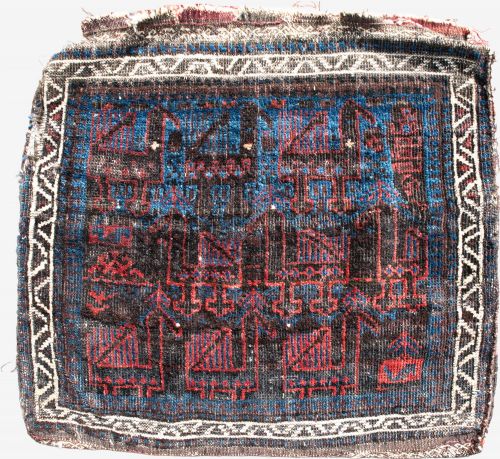
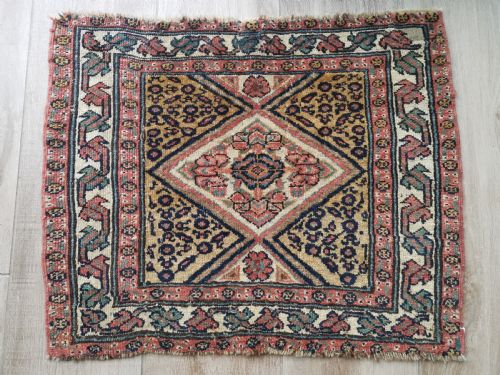
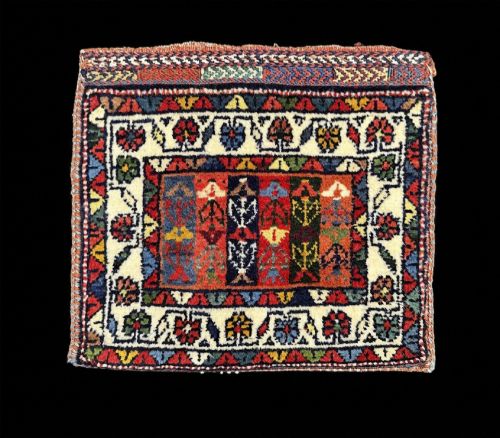


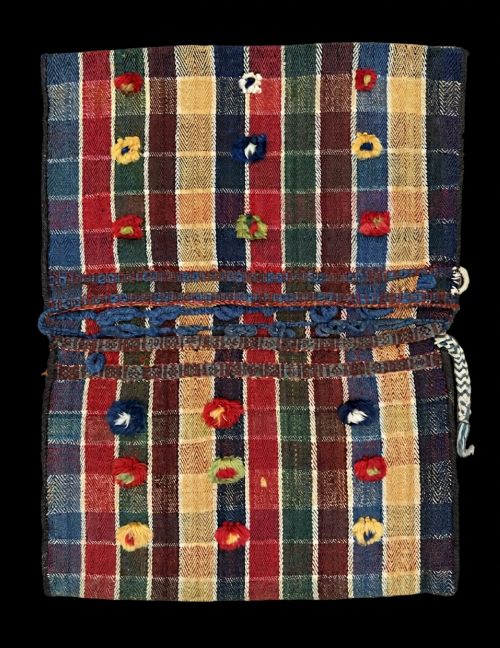


Vintage Khorjin
These vintage khorjin pieces are nomadic storage bags and saddle bags woven by hand in tribal Persia, offering tangible history and rich pattern for the home.
Vintage Khorjin
When you search for vintage khorjin, you are looking at utilitarian carrier sacks, saddle bags, and bag faces produced by tribal weavers across Persia. These textiles served practical roles for nomadic life, carrying belongings, storage items, and provisions across rugged terrain.
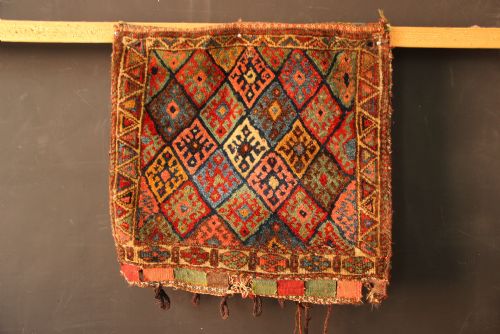
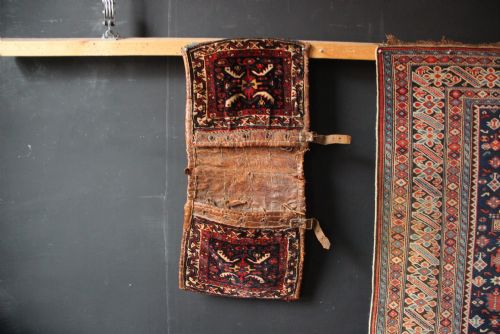
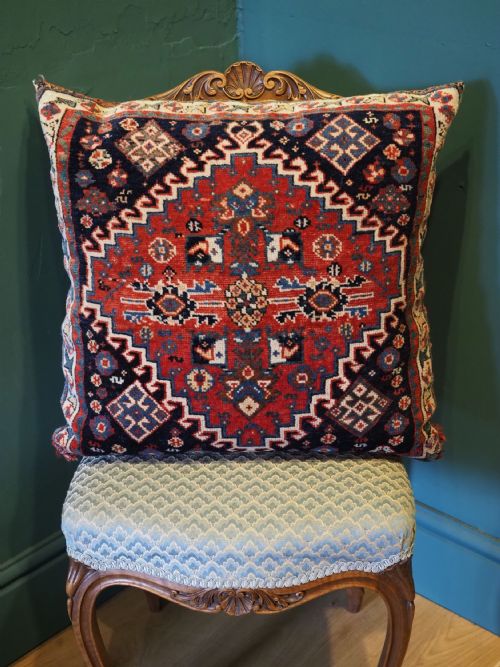
The most common examples encountered on this page are bag faces and complete saddle bags originating from groups such as the Qashqai, Baluch, Afshar, Kurdish, Shahsavan, and Luri tribes. They arrive in various formats, ranging from preserved paired saddle bags to single bag faces and constructed cushions.
Originating predominantly from the nineteenth century and early twentieth century, these woven pieces reflect the distinct regional aesthetics of south-west Persia, Luristan, and Kerman Province. Each piece carries structural evidence of its nomadic pedigree, from complete woven backs to remnants of flatweave construction.
How they were made
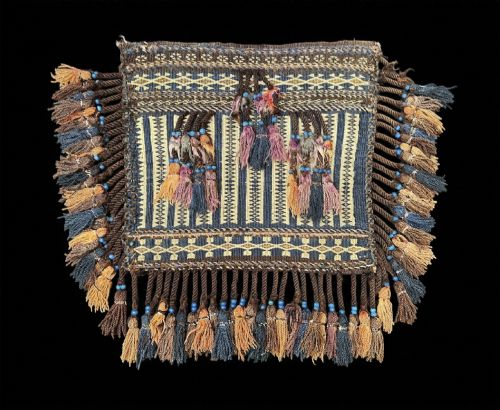
The makers utilised hand-spun wool for the pile and foundation yarns, pairing this material with cotton accents and occasionally glass beads for detail. Natural dyes provided the deep chromatic palette seen across the pieces, yielding rich tones that settled unevenly into the fibre.
Weavers employed technique variations suited to their tribal traditions, including sumac work, banded weft work, and pile knotting. Structures ranged from complete paired saddle bags with plain weave backs to individual bag faces designed to withstand daily nomadic transit.
Vintage Khorjin Retail Price Guide 2026
Typical asking prices for vintage khorjin among the pieces listed under this phrase on Sellingantiques today, from the lower quarter to the upper quarter. They describe what is for sale here now, not the wider market.
Listings feature pieces spanning the nineteenth century up to the nineteen-twenties, originating from Afshar, Baluch, Kurdish, Luri, Qashqai, and Shahsavan tribes.
What varies in quality
The distinction between tiers rests upon the handled quality of the hand-spun wool and the retention of lustrous, luminous pile. Pieces exhibiting exceptional wool density hold their structure and colour depth far better through generations of handling.
Design clarity and the integrity of the original format dictate upper levels of desirability. Surviving complete structures with original backs and intact banded weft work command attention over heavily fragmented examples.
The Vintage Khorjin Glossary
- Khorjin
- A traditional Persian saddle bag or storage sack woven by nomadic tribes for transport and domestic utility. These double-pouched carriers often survive today as separated bag faces or converted cushions.
- Bag face
- The decorative front panel of a khorjin storage bag, typically preserved while the plain weave back has worn away or been removed. It displays the primary tribal motifs and knotting.
- Sumac
- A flat-weave technique where coloured weft threads wrap around the warp threads in a continuous wrapping motion. This method creates a sturdy, non-pile textile with distinct structural diagonal lines.
- Boteh
- A traditional teardrop or almond-shaped motif with a curved upper end, frequently utilised in Persian tribal weaving. It symbolises life, eternity, and vegetation.
- Pile
- The vertical or diagonal loops of wool yarn that form the plush surface of knotted carpets and bags. Hand-spun wool pile provides tactile depth and resilience to the textile.
Vintage Khorjin: Frequently Asked Questions
What is a khorjin?
A khorjin is a traditional double-pouched saddle bag woven by nomadic tribes in Persia for carrying possessions during migration. They were constructed to hang across the backs of pack animals.
Over time, many of these functional bags separated into individual bag faces or were adapted into domestic cushions while retaining their original tribal iconography.
How were khorjin used?
Nomadic families utilised these bags for storing household goods, grains, clothing, and personal items inside tribal tents. Their robust construction allowed them to endure the rigours of frequent travel across rough terrain.
When mounted on horses, camels, or donkeys, the paired pouches balanced evenly across the animal to transport belongings securely.
How do I live with a khorjin cushion?
These antique textiles function well as decorative floor cushions, bench pads, or wall hangings in varied interior schemes. Their durable wool and flat-weave or pile structures suit moderate daily placement.
Keep them away from direct, prolonged sunlight to protect the natural dyes, and rotate them periodically to ensure even wear.
How do I identify different tribal styles?
Tribal attribution relies on observing specific design vocabularies, colour palettes, and structural techniques unique to each group. For instance, Qashqai work often displays precise geometric medallions, while Baluch pieces feature darker tones and banded designs.
Examining the weave structure and edge finishes further helps distinguish between Afshar, Kurdish, Shahsavan, and Luri origins.