

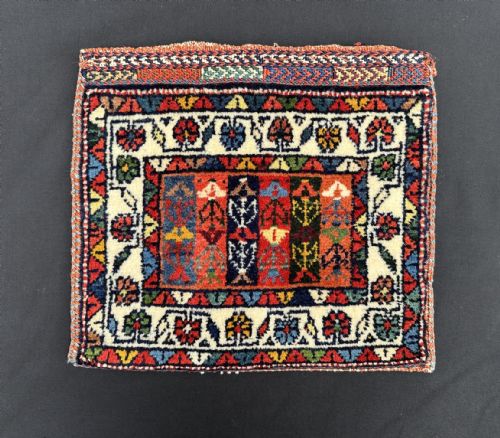


Vintage Kerman Wool Rug
A vintage kerman wool rug brings the rich textile heritage of South Persia into a room through enduring floral designs and traditional weaving.
Vintage Kerman Wool Rug
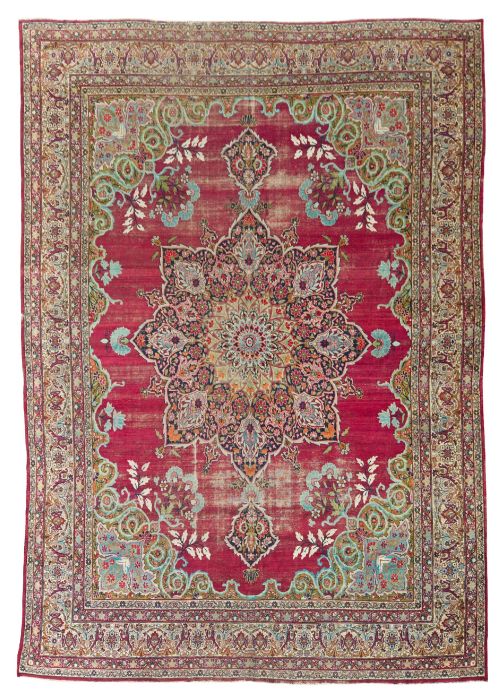
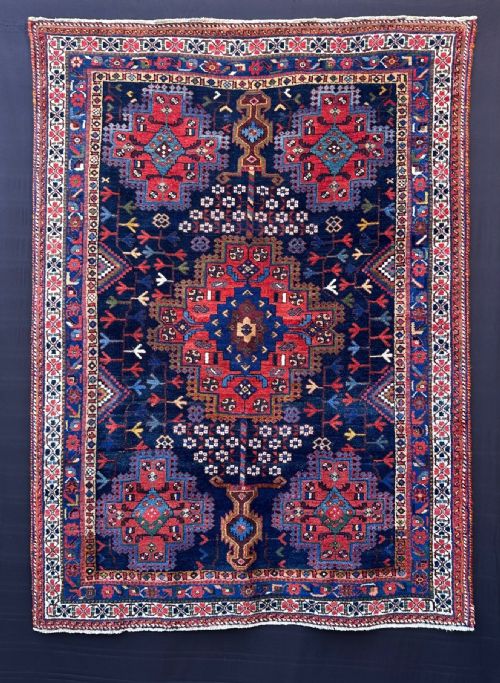
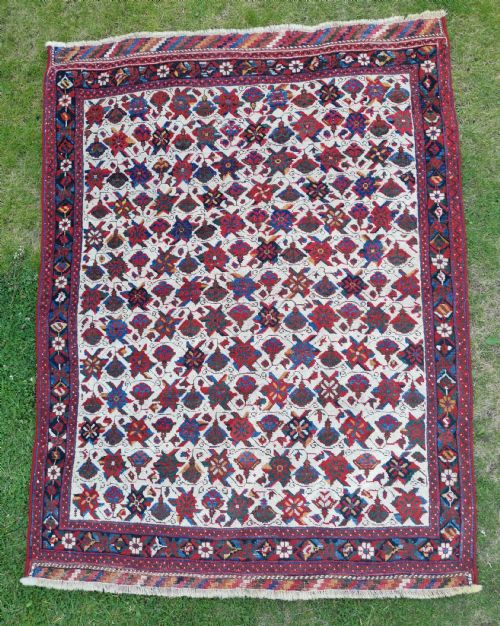
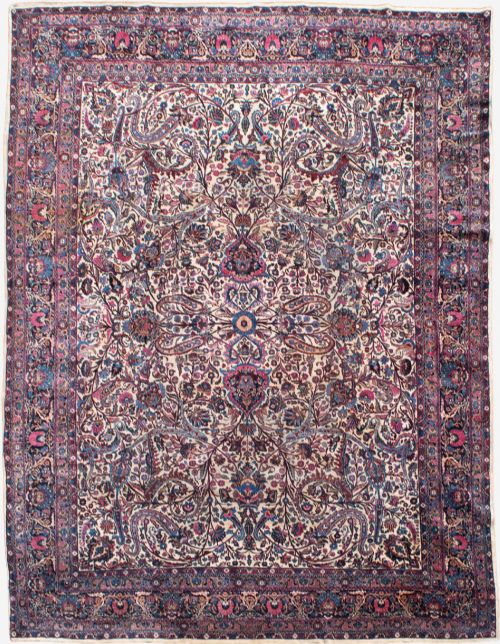
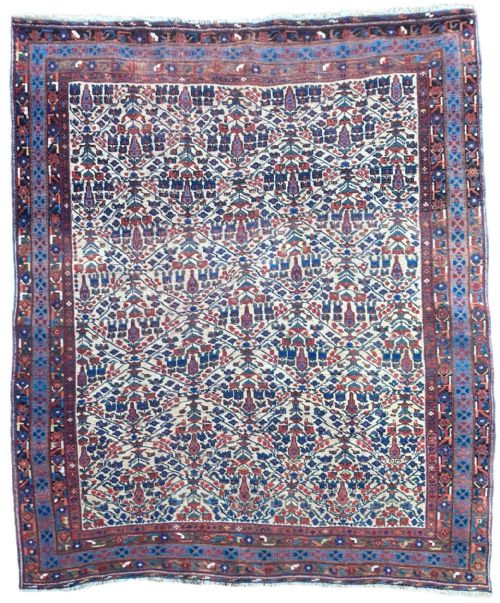
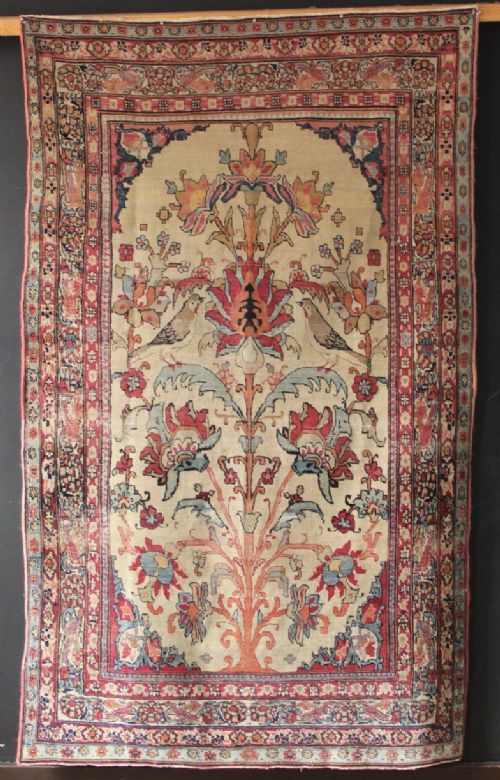
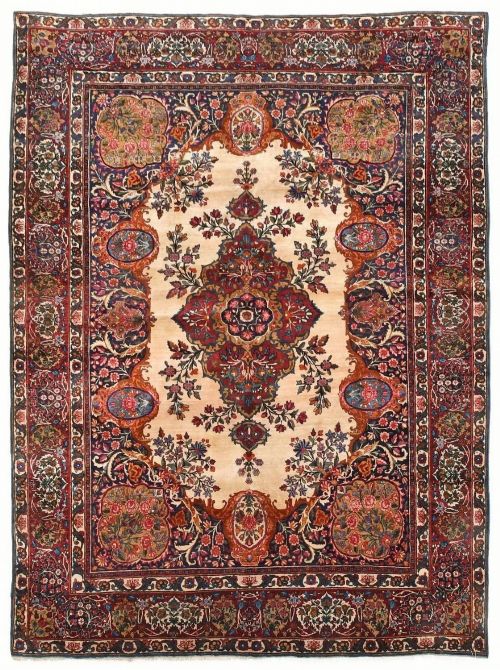
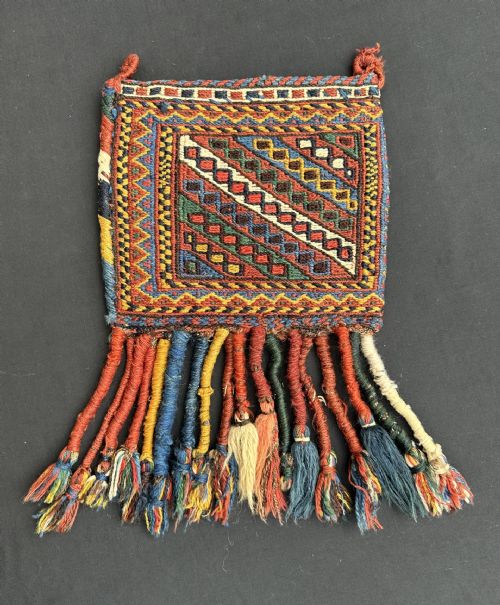
When searching for a vintage kerman wool rug, buyers encounter diverse Persian formats originating from the Kerman Province in South Persia, spanning from small mats and tribal storage pouches to large room-sized carpets. The selections include specialised forms such as bread sofreh cloths and vanity bags alongside traditional rugs and carpets bearing Persian tribal or floral styles.
The pieces on this page heavily represent historical production periods running from the late nineteenth century through the mid-twentieth century, capturing both fine city weaves and pieces made by nomadic groups like the Afshar tribes. Buyers find everything from compact personal bags to oversized carpets measuring over six metres, reflecting the wide scope of regional output.
What varies in quality
Quality in these textiles depends heavily on knot density, fineness of execution, and the precision of the design work, which ranges from intricate floral boteh motifs to bolder tribal geometries. Superior examples display exceptional clarity in pattern layout and disciplined handling of the wool and cotton materials.
Condition also plays a role, as extensive wear, restoration, or structural distress alters the integrity of the piece. The finest survivors retain their structural strength and visual impact across the full expanse of the rug or carpet.
Vintage Kerman Wool Rug Retail Price Guide 2026
Typical asking prices for vintage kerman wool rug among the pieces listed under this phrase on Sellingantiques today, from the lower quarter to the upper quarter. They describe what is for sale here now, not the wider market.
Some nomadic weavers tucked tiny protective amulets directly into the foundation wool to ward off misfortune during long desert migrations.
The Vintage Kerman Wool Rug Glossary
- Kirman lavar
- A sub-category of Kerman weaving known for particularly fine knotting, delicate floral compositions, and superior wool quality. These pieces often originate from specific workshops in the province.
- Sofreh
- A flatwoven or pile-woven cloth traditionally used for serving bread or meals among nomadic groups. They often feature striking geometric arrangements.
- Boteh
- A recurring teardrop or paisley motif representing a floral or cypress shrub symbol. This pattern appears frequently in traditional Persian carpet designs.
- Soumak
- A flatweave technique involving wrapping weft threads over and under the warp to create a durable, textured surface. It differs from standard pile knotting.
- Afshar
- A nomadic and village tribal group working within the Kerman Province of South Persia. Their weaving is distinguished by distinctive geometric medallions and rich palettes.
Vintage Kerman Wool Rug: Frequently Asked Questions
How do I clean a wool rug?
Maintenance requires gentle vacuuming without a beating brush to protect the wool pile and cotton foundations. Professional textile cleaning is necessary for deep washing to preserve natural dyes.
Avoid chemical spot treatments that can damage the fibres. Regular rotation helps ensure even wear over time in high-traffic areas.
Where were these rugs made?
These textiles originate from the Kerman Province in South Persia, encompassing both urban workshops and nomadic tribal territories. Regions such as Neiriz and Bardsir contributed distinct weaving styles.
The makers included sedentary city artisans as well as regional nomads like the Afshar tribes. Each group brought specific local traditions to the wool and cotton materials.
What is a bread sofreh?
A bread sofreh is a woven cloth traditionally used by nomadic groups for preparing and eating meals. These flatwoven or pile items double as striking wall hangings or display pieces.
They typically display geometric tribal patterns rather than the formal floral designs found in city carpets. Their utilitarian origins give them a distinct character compared to standard floor rugs.
How do I date a Persian rug?
Dating relies on stylistic indicators, structural characteristics, and material analysis within the historical context of South Persian production. Pieces span from the late nineteenth century through the mid-twentieth century.
Examinations of the wool, natural dyes, and weave structure help place items into specific decades. Comparing designs against documented regional examples clarifies the likely period of manufacture.