


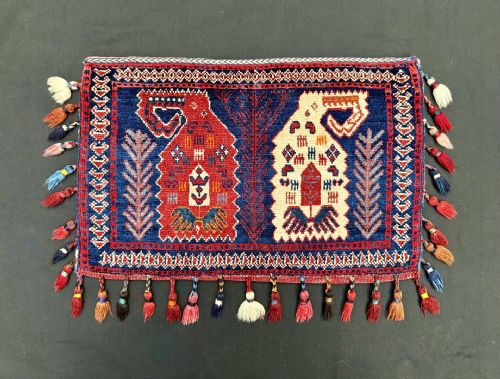
Vintage Kerman Rug Red
These vintage kerman rug red pieces are southern Persian textiles of wool and cotton, offering rich visual history and lasting floor presence for any room.
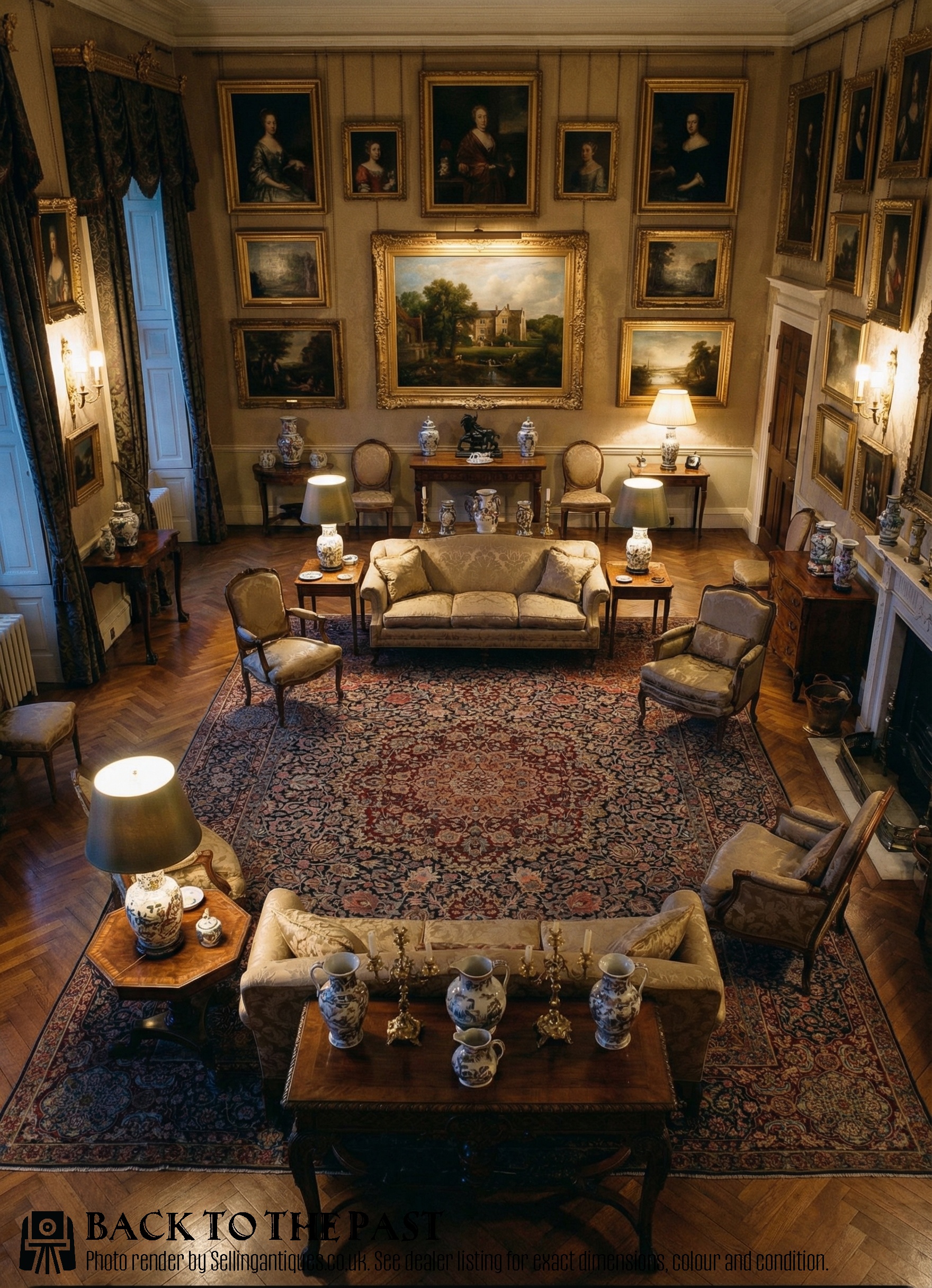
Vintage Kerman Rug Red
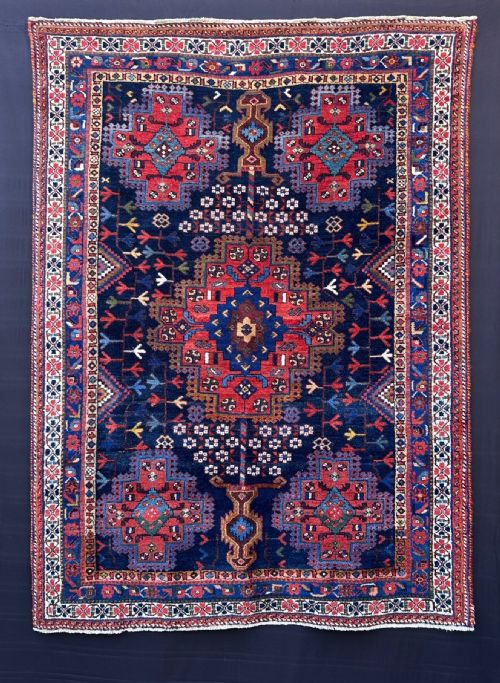
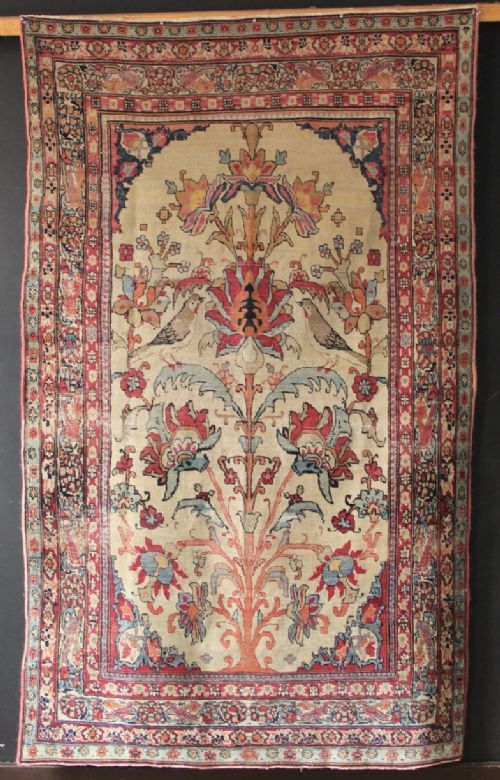
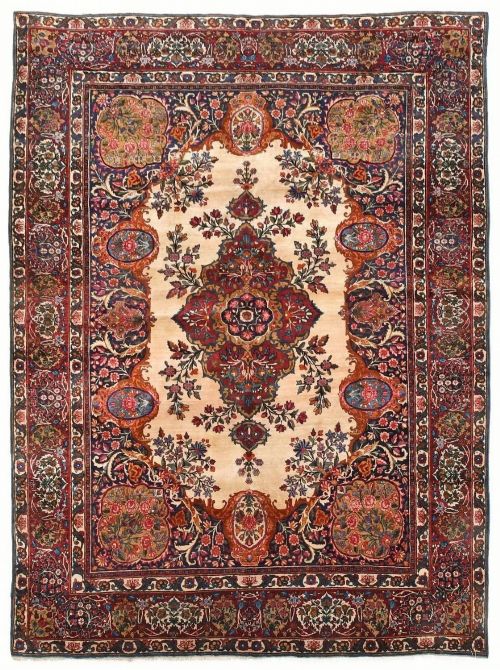
When you search for vintage kerman rug red, you encounter southern Persian textiles originating from the Kerman province, including both rugs and carpets alongside smaller tribal items. These pieces span production periods from the late nineteenth century through to the mid twentieth century.
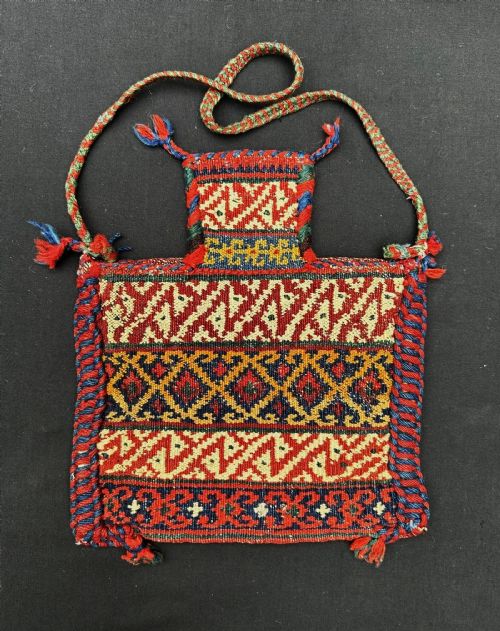
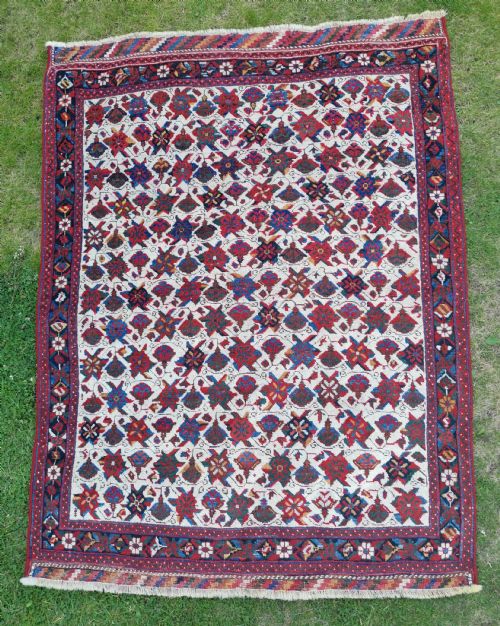
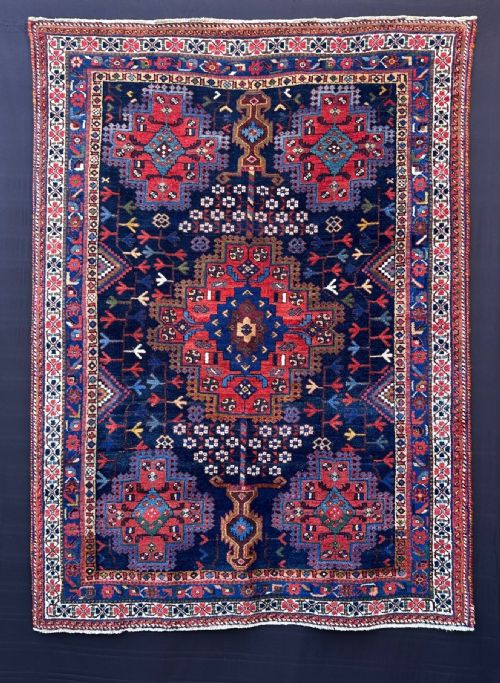
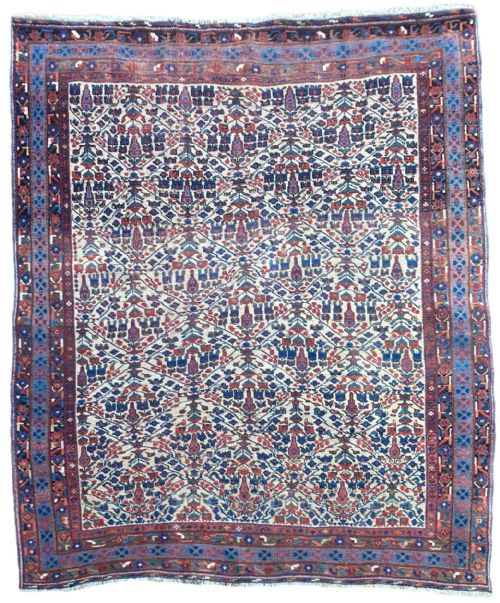
The selection encompasses large room size carpets with repeat floral boteh designs alongside smaller mats and flatweave bread sofreh cloths. Many examples emerge from specific local groups such as Afshar nomads operating within the same broader regional boundaries.
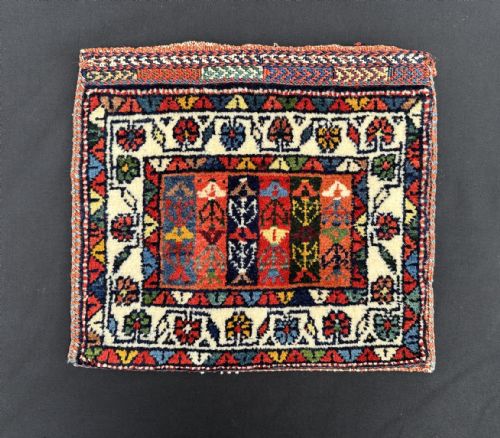
Buyers meet both room sized floor coverings and compact personal bags or wall hangings. The materials consistently reflect traditional regional methods of construction utilising wool pile upon cotton foundations.
Assessing quality in regional textiles
Quality rests upon the density of the knotting and the precision of the floral or tribal pattern execution. Finer examples display meticulous detail in motifs such as repeat floral boteh designs across the field.
The integrity of the cotton foundation and the retention of vibrant natural dyes influence the overall character of each piece. Superior condition in the wool pile distinguishes the finest room size carpets from standard utility items.
Current listings span production dates from the eighteen seventies through the nineteen forties, utilising wool, cotton, and natural dyes.
The Vintage Kerman Rug Red Glossary
- Kerman
- A major carpet-producing province in southern Persia known for intricate floral designs and room size rugs. Pieces from this region often feature sophisticated medallion or all-over floral layouts.
- Afshar
- A nomadic tribe residing within the Kerman province whose weavers produced distinctive rugs and utilitarian textiles. Their work frequently incorporates geometric motifs and rich red colourways.
- Sofreh
- A woven cloth utilised traditionally for eating, bread making, or food storage among Persian nomadic groups. These flatweave or pile items served practical domestic functions.
- Chanteh
- A small personal bag or vanity pouch woven by tribal groups for carrying small possessions. These compact items demonstrate the same knotting and dye quality as larger carpets.
- Boteh
- A stylised almond or paisley shaped motif common in Persian textile design. This ancient symbol appears frequently in repeat patterns across Kerman carpets.
Vintage Kerman Rug Red: Frequently Asked Questions
How are these carpets cleaned?
Professional specialist cleaning is essential for antique wool and cotton textiles to protect natural dyes.
Harsh chemical treatments or household washing methods will damage the fibres and alter the red coloration.
Where were these rugs made?
Originating from the Kerman province in southern Persia, these textiles come from urban workshops and nomadic groups.
Specific regions within the province include Neiriz and Bardsir, associated with Afshar tribal weaving.
Are these pieces suitable for heavy foot traffic?
Room size carpets with dense wool pile on cotton foundations withstand normal living room use.
Placing an appropriate underlay beneath the rug reduces friction and extends the functional life of the textile.
How do I identify a regional tribal piece?
Tribal items often feature geometric compositions, smaller formats like bread sofreh cloths, or specific nomadic attributions.
Urban Kerman pieces typically display refined floral ornamentation and larger room dimensions.