

Vintage Jewellery Necklace
Vintage jewellery necklace pieces bring together historical gold, silver, pearls, and diamonds to wear as lasting statements of past craftsmanship.
Vintage Jewellery Necklace
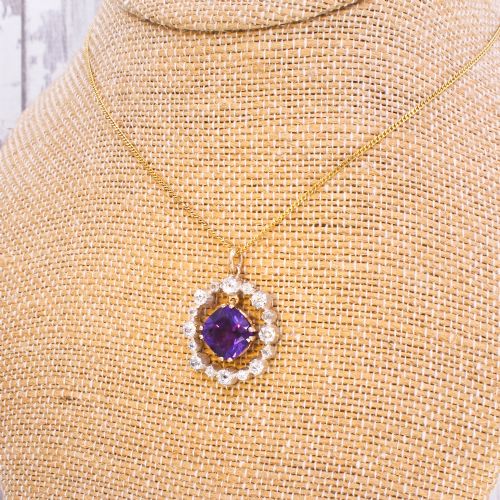
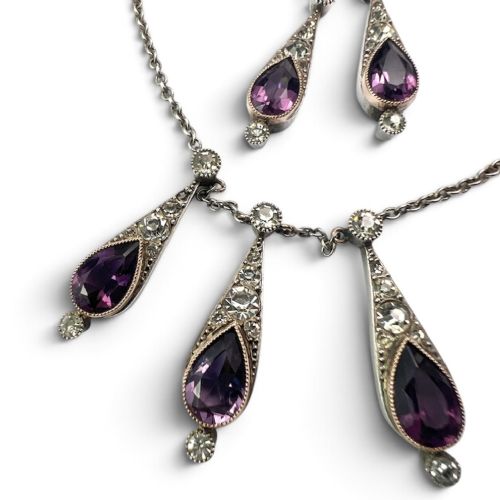
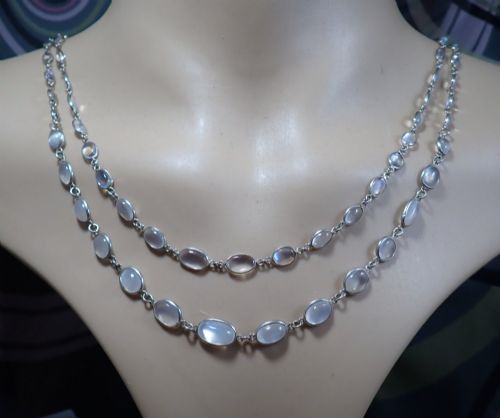
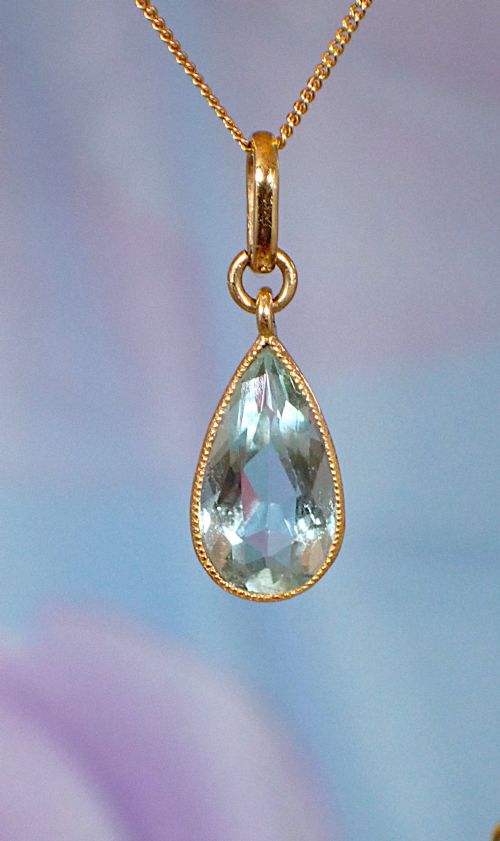
A vintage jewellery necklace encompasses a diverse array of forms, ranging from delicate Edwardian lavaliers to robust watch chains and beaded strands. Buyers exploring this category encounter varied designs spanning multiple decades and distinct stylistic movements.
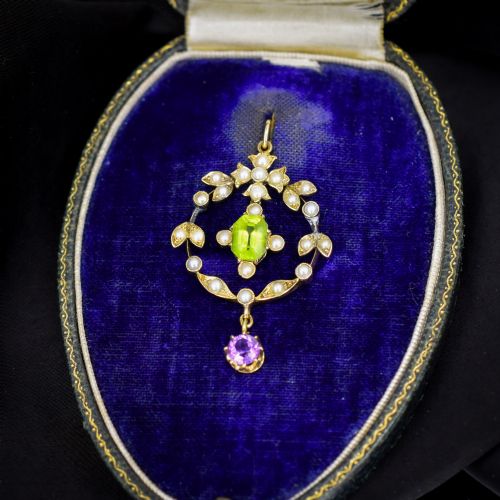
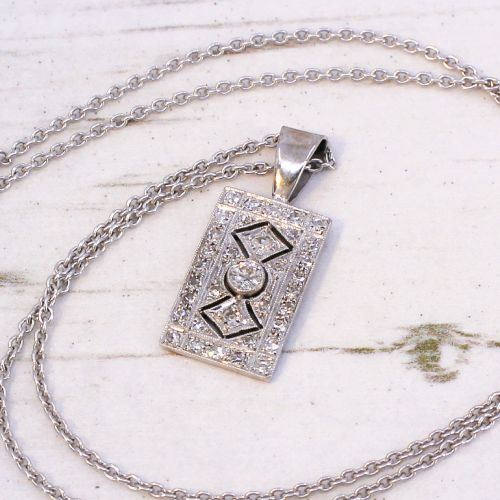
Pieces originating from the Art Deco and Edwardian eras appear frequently within the current selection, often incorporating amethyst, peridot, seed pearls, and diamonds. These items reflect the specific aesthetic preferences of their respective periods.
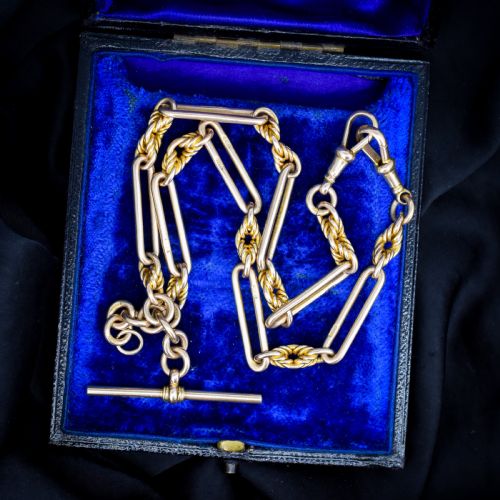
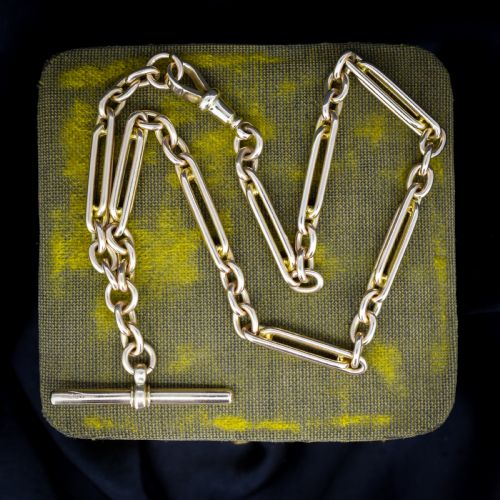
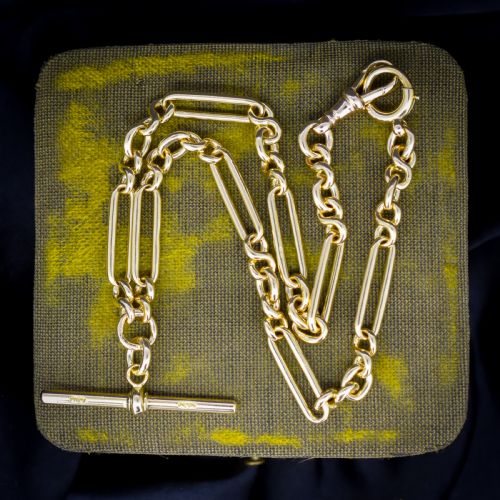
The inventory also includes substantial gold and silver watch chains repurposed as necklaces, alongside charm pendants and matching earring sets. Such pieces demonstrate how historical items adapt to modern wear while retaining their original character.
Materials and Construction
Master makers utilised precious metals such as nine-carat gold, fifteen-carat gold, and sterling silver as the foundational structure for pendants and chains. These metals were shaped into trombone links, curb links, and intricate wirework settings.
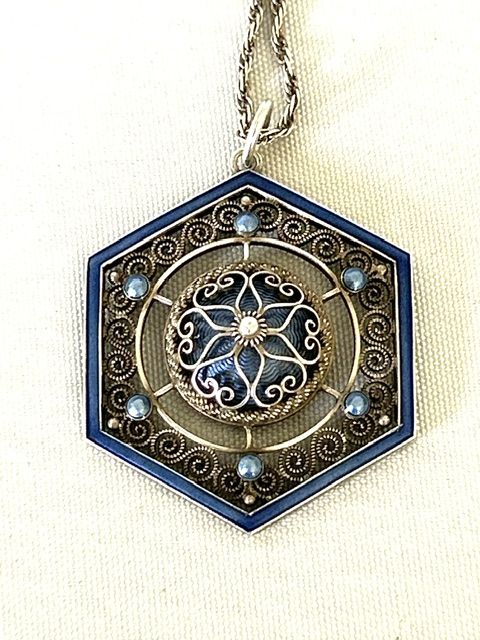
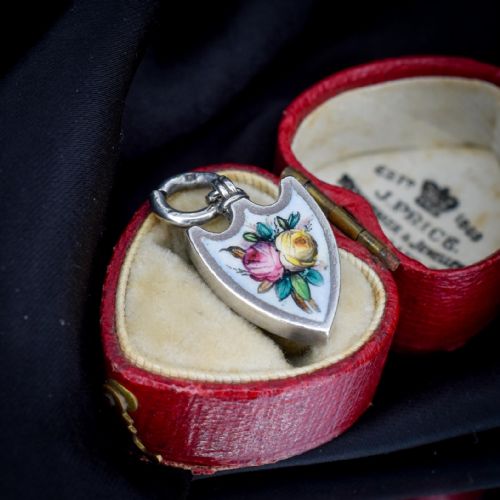
Gemstones including diamond, amethyst, turquoise, moonstone, and amber were hand-cut and secured using traditional claw or bezel settings. Enamel techniques, notably guilloche and pate de verre, added vibrant colour to silver and gold mounts.
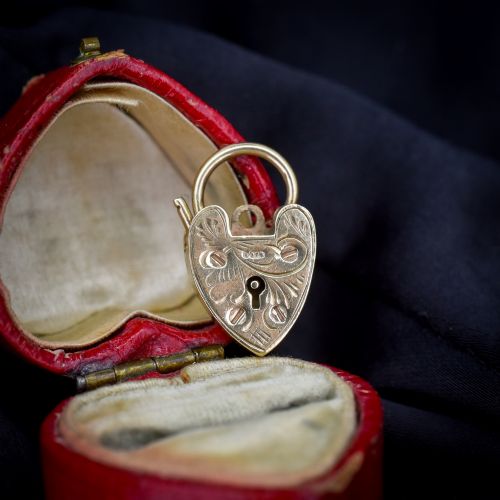
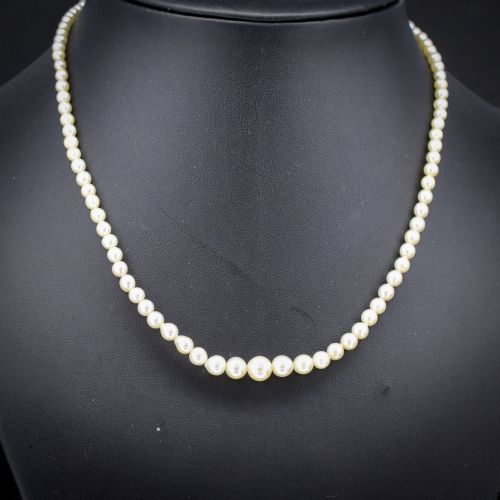
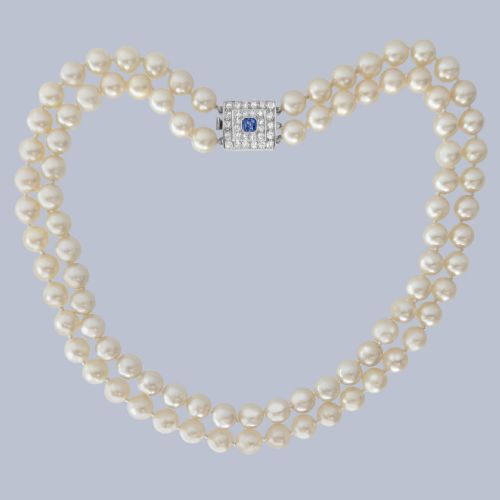
Assembly methods involved hand-stringing pearls with knots, soldering secure clasps, and engraving delicate patterns onto lockets and crosses. Restrung pearl strands utilise durable modern threading while preserving the original clasps.
Assessing Distinction
The standard of a vintage jewellery necklace rests on the precision of the metalwork, the clarity of the gemstones, and the integrity of the original clasps or links. Master goldsmiths and silversmiths achieved cleaner solder joints and sharper hand-engraving.
Material quality differentiates standard commercial pieces from works by noted makers utilising certified stones and heavier gauge gold. The presence of clear hallmarks aids in confirming the provenance and metal purity of each item.
Marius Hammer·Argy Rousseau·Deakin & Francis
The Vintage Jewellery Necklace Glossary
- Lavalier
- A pendant necklace featuring a central drop stone suspended from a delicate chain, popular during the Edwardian period. These items often incorporate seed pearls and coloured gems.
- Albert Chain
- A heavy watch chain originally designed to secure a pocket watch to a waistcoat, frequently worn today as a substantial necklace. They utilise trombone, curb, or fancy links.
- Guilloche
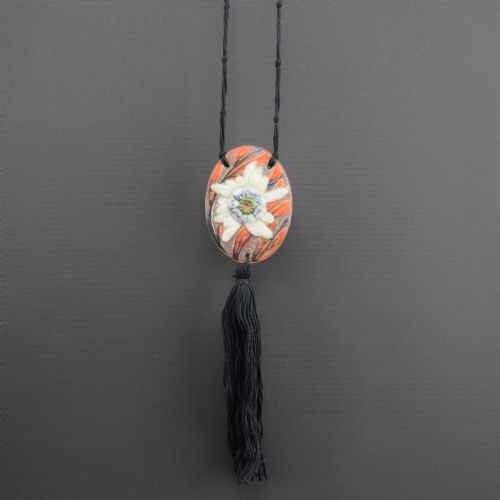
- An intricate mechanical engraving technique that etches precise geometric patterns into metal beneath a translucent layer of enamel. Marius Hammer utilised this method on silver pendants.
- Suffragette
- Jewellery featuring the distinct colour combination of green peridot, white seed pearls, and violet amethyst associated with the women's suffrage movement. These pieces date from the early twentieth century.
Vintage Jewellery Necklace: Frequently Asked Questions
How do I care for a vintage pearl necklace?
Store pearl necklaces flat in a soft pouch away from other jewellery to prevent scratching the delicate nacre surfaces. Avoid exposing them to perfumes, cosmetics, and harsh cleaning chemicals.
Have older strands checked periodically by a professional if the silk thread shows signs of fraying or stretching. Gentle wiping with a damp cloth after wear maintains their natural lustre.
Can I wear an antique watch chain daily?
Sturdy gold and silver watch chains handle regular wear well due to their robust link construction. Ensure the dog clips and T-bars remain secure before stepping out.
Inspect the jump rings and swivel clasps occasionally to confirm they close tightly. Their solid metal composition makes them reliable choices for everyday styling.
How are Art Deco necklaces different from Victorian ones?
Art Deco pieces display geometric lines, symmetry, and striking colour contrasts using materials like jade, sapphire paste, and white gold. This style emerged in the 1920s following earlier ornamental trends.
Victorian jewellery tends toward sentimental motifs, heavier gold weights, and dark gemstones like garnet and amethyst. Romantic symbolism heavily influences the design of the nineteenth century.