



Vintage Jardiniere Box
A vintage jardiniere box brings living greenery indoors with enduring style, ranging from polished mahogany to heavy brass.
Vintage Jardiniere Box
A vintage jardiniere box is a decorative plant container designed to house potted plants and elevate interior greenery. When you search for a vintage jardiniere box, you encounter pieces spanning from the eighteenth century through to the twentieth century, including Edwardian and Victorian examples.
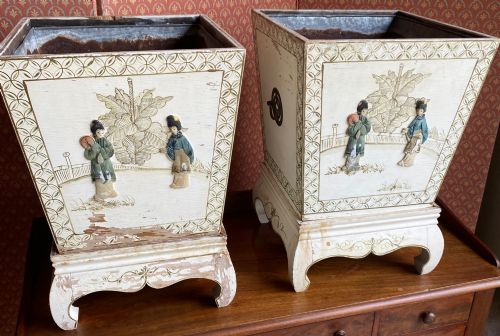
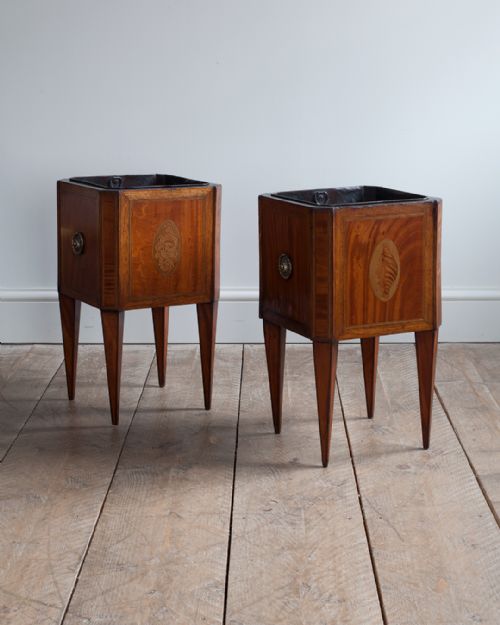
The forms on this page include mahogany cellarettes, brass planters, earthenware vessels, and wrought iron garden planters. French styles dominate the selection, alongside English Georgian and Edwardian designs fashioned from box tree, satinwood, and walnut.
You are most likely to meet brass and mahogany versions from the nineteenth and early twentieth centuries on this page. These planters serve as both functional garden vessels and refined interior furnishings.
How they were made
Makers shaped these pieces using solid timbers like mahogany and satinwood, alongside metals such as brass, cast iron, copper, and spelter. Cabinetmakers constructed wooden boxes with precise joinery to withstand moisture from daily plant watering.
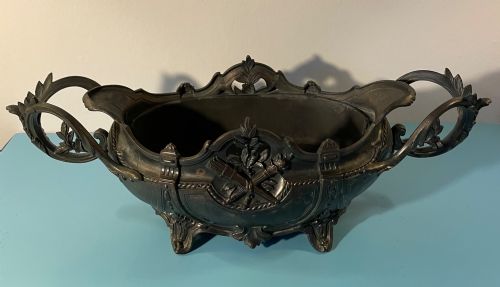
Metal versions utilised techniques like repoussé work to hammer decorative animal heads and intricate relief patterns into brass surfaces. Cast iron and wrought iron pieces relied on foundry casting and blacksmithing to achieve robust garden structures.
Ceramic examples employed earthenware techniques, as seen in majolica glazed bodies. Artisans combined these diverse materials to create vessels capable of holding earth and plants securely.
Vintage Jardiniere Box Retail Price Guide 2026
Typical asking prices for vintage jardiniere box among the pieces listed under this phrase on Sellingantiques today, from the lower quarter to the upper quarter. They describe what is for sale here now, not the wider market.
Listings feature materials spanning brass, mahogany, cast iron, satinwood, spelter, earthenware, and copper across multiple centuries.
What varies in quality
The calibre of a vintage jardiniere box rests on the weight of its materials and the crispness of its surface ornamentation. Heavy brass vessels with deep repoussé work and distinct animal head motifs demonstrate superior metalworking skill.
Wooden boxes show quality through the choice of figured satinwood or rich mahogany, coupled with tight, enduring construction. Finer examples retain original linings and stands, while lesser pieces rely on simpler construction without decorative hardware.
Julius Dressler
The Vintage Jardiniere Box Glossary
- Jardiniere
- An ornamental pot or box for holding flowers or plants. The term derives from the French word for gardener.
- Repoussé
- A metalworking technique where an artist hammers a design into relief from the reverse side. This creates raised ornamental patterns on brass and copper planters.
- Cellarette
- A lockable cabinet or box originally used to hold wine bottles. Many antique cellarettes share forms with period plant boxes.
- Majolica
- A type of earthenware covered with an opaque tin glaze and painted with bright colours. Julius Dressler produced notable examples in this medium.
- Spelter
- An alloy of zinc and lead often used as a substitute for bronze in decorative metalwork. It appears frequently in cast figural ornaments.
Vintage Jardiniere Box: Frequently Asked Questions
What is a jardiniere box?
A jardiniere box is a decorative container built specifically to hold potted plants indoors or in sheltered outdoor spaces. These vessels keep surfaces safe from water while adding a polished decorative element to a room.
They appear in various forms, from brass boxes with repoussé animal heads to mahogany stands and earthenware pots. Their primary purpose is to display greenery with architectural distinction.
How do I date a brass jardiniere?
Dating brass planters involves looking at the manufacturing techniques and stylistic clues of the period. Nineteenth-century examples often feature hand-hammered repoussé work and patinated brass surfaces.
Edwardian and later twentieth-century pieces display different casting standards and stylistic influences, such as Arts and Crafts copperwork or heavy cast brass.
Can these planters be used outdoors?
Wrought iron and cast iron planters are naturally suited for garden use and withstand outdoor conditions. Brass, copper, and fine timber boxes are generally better suited for interior display to preserve their finishes.
Checking the material listed helps determine whether a specific piece belongs on a patio or inside a drawing room.