
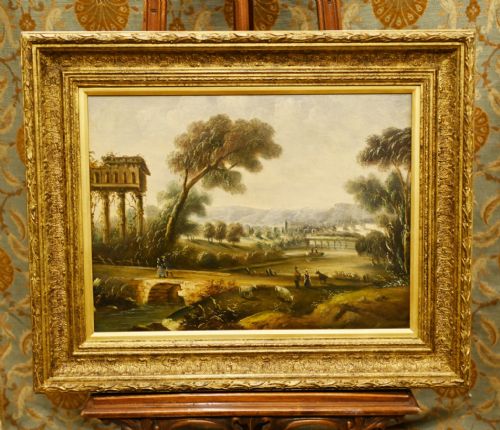


Vintage Italian Oil Landscape
A vintage italian oil landscape brings the warmth of southern light and historic canals into a room with remarkable immediacy.
Vintage Italian Oil Landscape
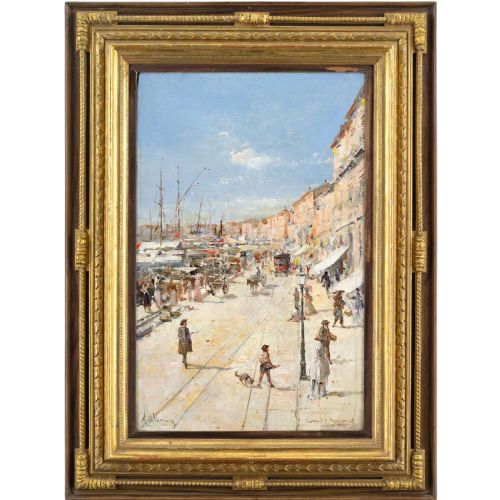
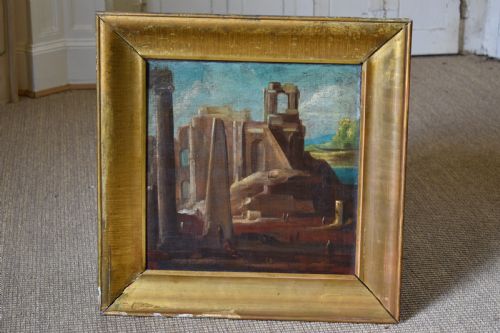
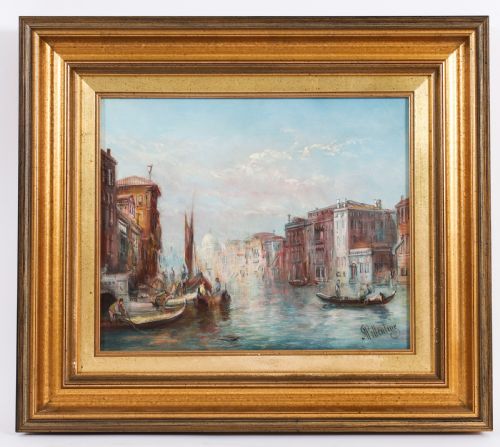
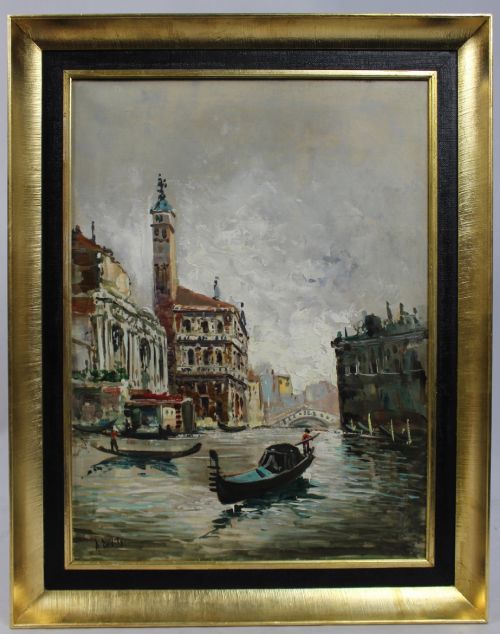
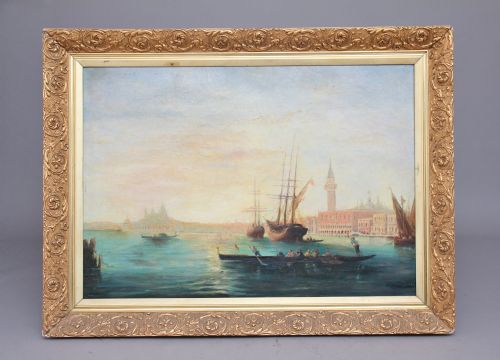
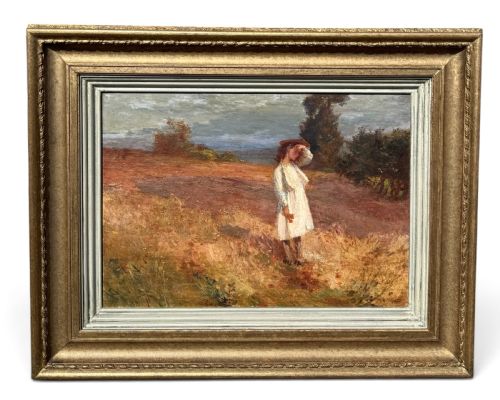
A vintage italian oil landscape captures sun-drenched scenes ranging from bustling Venetian lagoons and quiet Tuscan pastures to dramatic Mediterranean coastal vistas. These works emerge primarily across the nineteenth century and the mid-twentieth century, reflecting changing artistic approaches from grand tour realism to mid-century impressionism.
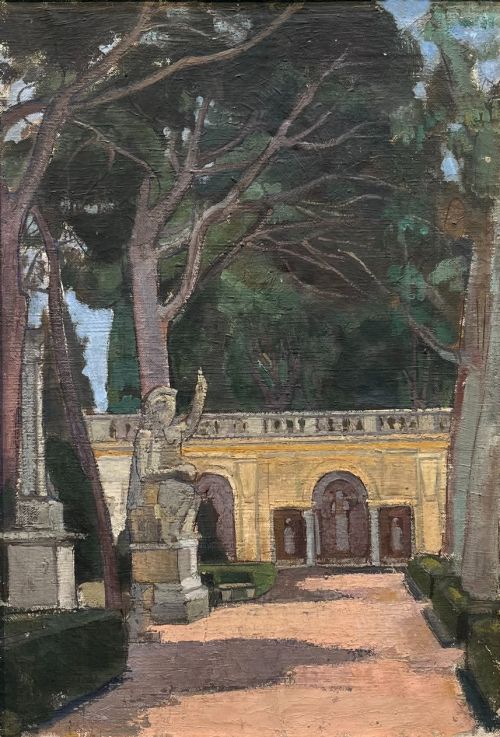
Buyers most frequently encounter canvases depicting iconic subjects such as Venetian canals, Roman gardens, and Neapolitan seascapes. These compositions often bear signatures of named painters or remain attributed to distinct regional schools operating in Italy during those decades.
Materials and construction
Painters applied oil paint directly onto stretched canvas or occasionally onto wood panels, building up rich textures and deep chromatic layers. Canvas supports received layers of gesso to prepare the surface for the retention of pigment and oil binder.
Many of these works retain their original frames fashioned from wood, often finished with gilt or gilded wood mouldings that complement the warm palettes of the painted scenes.
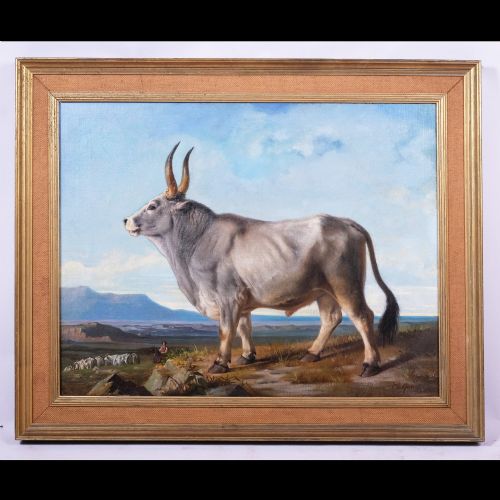
Several canvases capture cows pausing peacefully in Tuscan pastures, proving that even Italian art appreciates a gentle bovine interlude.
Assessing quality in regional paintings
Quality rests upon the confidence of the brushwork and the artist's handling of natural light and atmospheric depth, distinguishing masterly impressionist studies from mechanical tourist works. The vibrancy of the pigment application and the preservation of the original canvas surface dictate the visual impact of the composition.
The integrity of the frame, particularly period giltwood mouldings, contributes to the overall coherence of the piece, as original mountings enhance the historical context of the artwork.
Augusto Alberici·Alfred Pollentine·Antonio DeVity·Fernando Del Basso·Giulio Cecchini·William Raymond Dommersen·Emanuele Cappello·Guido Agostini
The Vintage Italian Oil Landscape Glossary
- Canvas
- A heavy woven fabric stretched across a wooden frame to serve as a durable support for oil painting.
- Giltwood
- Wood carved and coated with a thin layer of gold leaf or metallic gilt, frequently found on period frames.
- Impressionism
- An artistic style characterised by relatively small, thin yet visible brush strokes and an emphasis on accurate depiction of light.
- Gesso
- A plaster-like mixture applied to canvas or wood to create a smooth, stable surface for painting.
- Grand Tour
- A traditional trip of Europe undertaken by upper-class Europeans, which inspired the creation of topographical and landscape art.
Vintage Italian Oil Landscape: Frequently Asked Questions
What subjects appear in these paintings?
These works typically depict Venetian canals, Tuscan hills, Roman gardens, and coastal scenes from locations such as Sorrento and Capri.
Such subjects reflect the enduring appeal of the Italian landscape to domestic and foreign painters alike across successive decades.
How should I hang an oil painting?
Position the artwork away from direct sunlight and fluctuating heat sources to protect the canvas and the oil pigments.
Ensure the wall fixings can securely support the combined weight of the painting and its wooden frame.
How do I identify the period of a canvas?
Examine the style of brushwork, the preparation of the canvas, and any visible signatures or inscriptions on the reverse.
Mid-century impressionism differs visibly from nineteenth-century realism or grand tour neoclassical compositions.
Are these works signed by the artist?
Many examples bear the legible signature or studio stamp of the painter, while others remain attributed to specific regional schools.
Signatures often provide a direct link to known artists working in Italy during the nineteenth and twentieth centuries.