

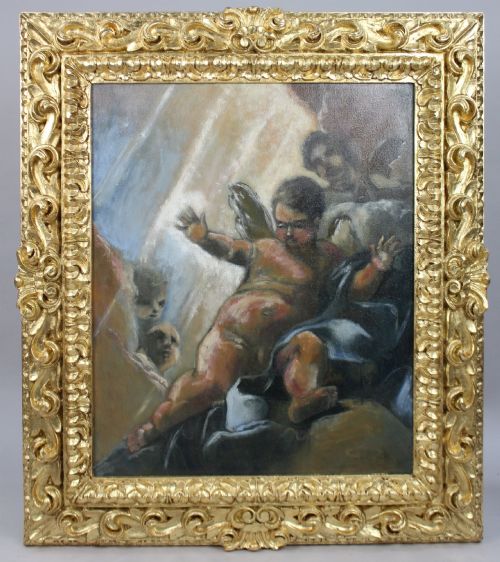
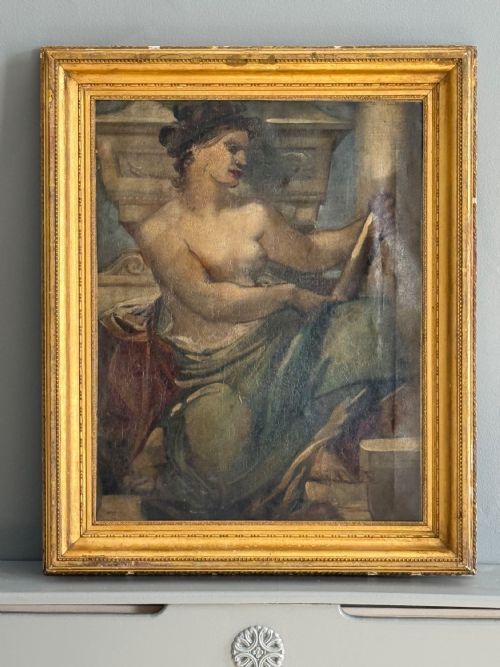
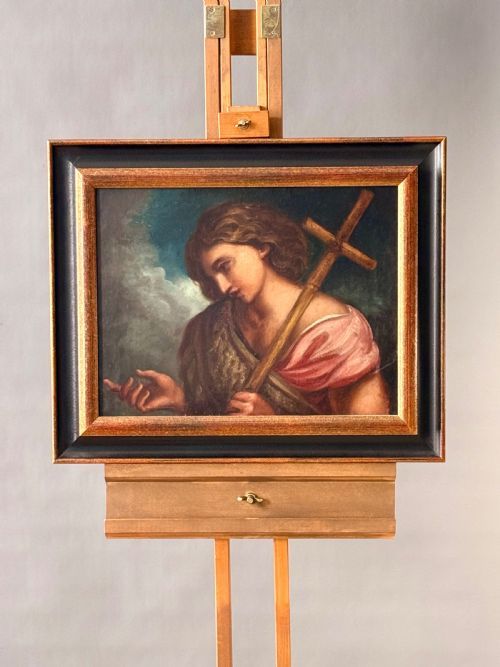
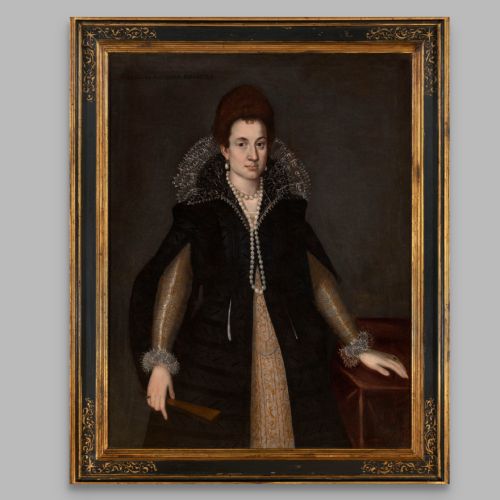
Italian Canvas Wall Art
These Italian canvas wall art pieces bring centuries of traditional European painting into your interior.
Italian Canvas Wall Art
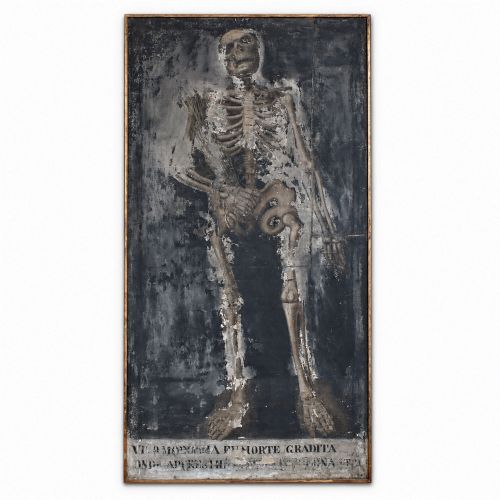
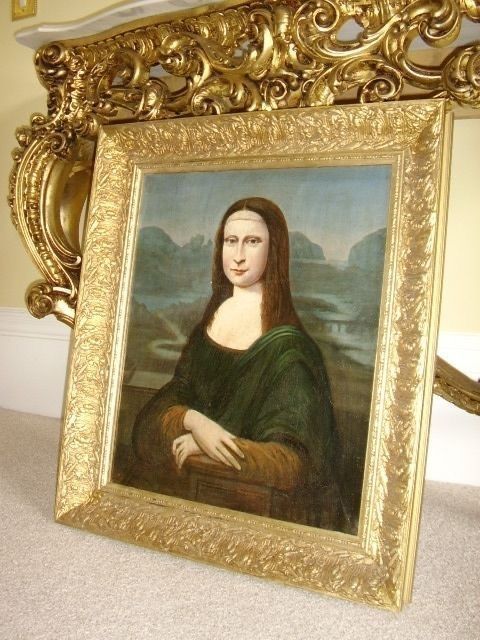
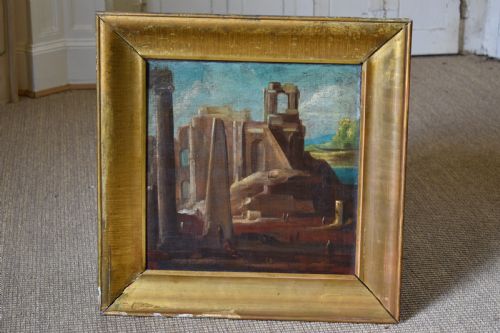
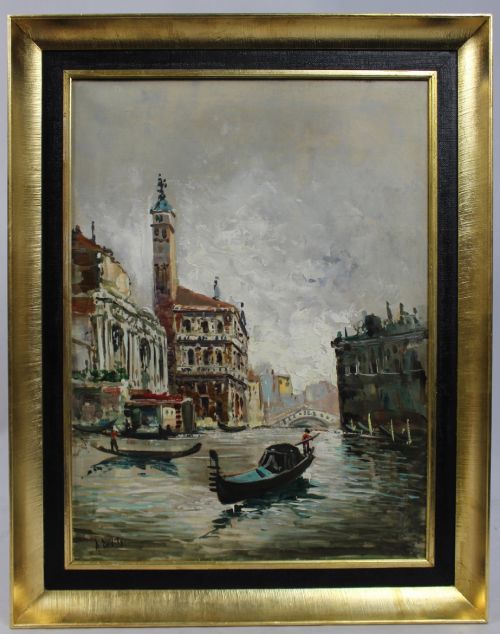
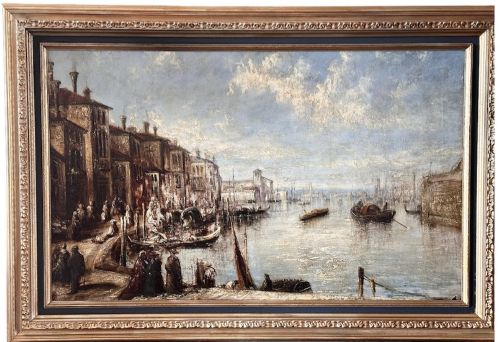
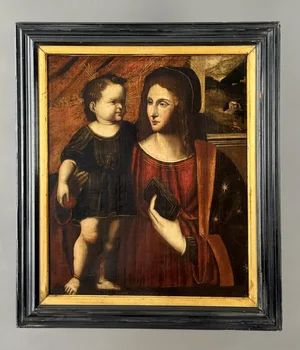
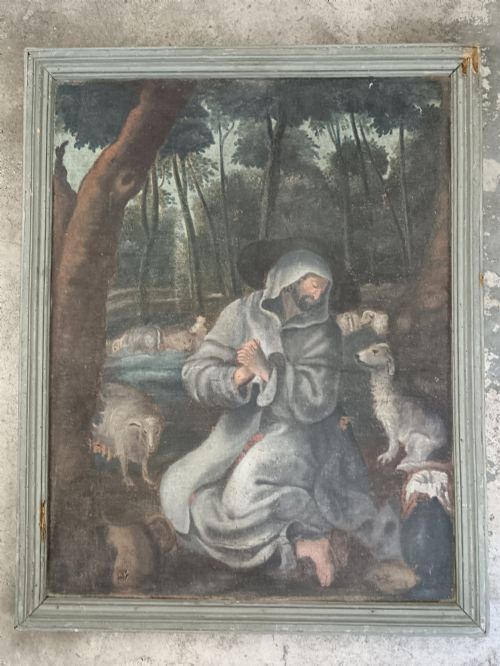
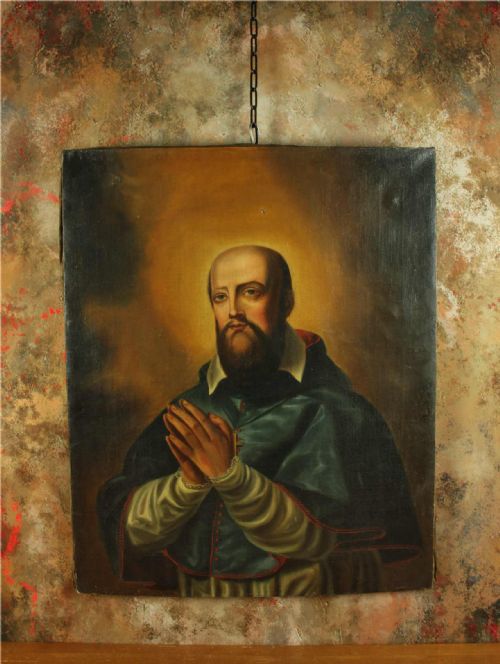
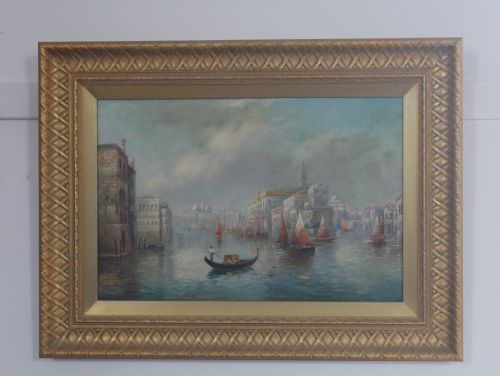
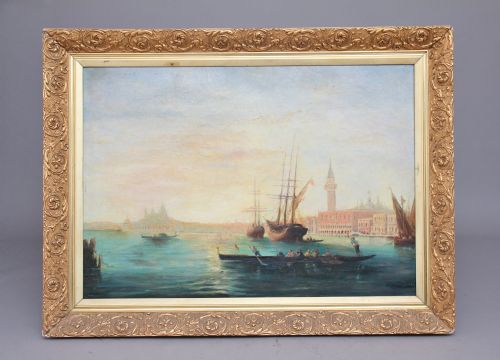
Italian canvas wall art encompasses historical oil paintings, portraits, and landscapes originating from or inspired by Italian schools and master traditions. You will most frequently encounter works executed on canvas stretched over wooden supports, often set within decorative frames.
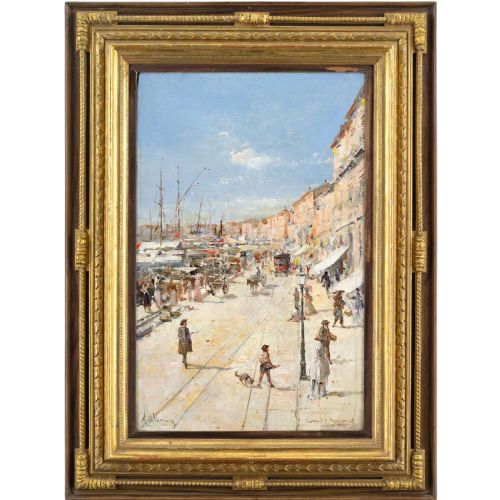
The selection ranges from early religious subjects and grand tour pastoral scenes to vibrant depictions of Venetian canals and coastal views. These canvases reflect diverse historical periods spanning from the seventeenth century through the mid-twentieth century.
Works on this page include both original hand-painted oils by named artists and regional makers, alongside interpretive pieces following classical masters. Each piece offers a tangible connection to European painting heritage and decorative tradition.
Materials and Techniques
The primary construction relies on oil paint applied to woven canvas substrates, supported by traditional wooden stretcher frames. Many works incorporate rich layers of oil pigment to achieve depth, luminosity, and subtle colour variation.
Frames frequently utilise carved wood, giltwood, and gold leaf applications that complement the aesthetic of the period. These framing techniques enhance the visual impact of the artwork while providing structural preservation for the canvas.
Keep an eye out for hidden pentimenti where an artist changed their mind, leaving ghostly traces of forgotten brushstrokes beneath the surface.
Assessing Quality and Execution
Quality in these works resides in the precision of brushwork, anatomical proportion, and the handling of light and shadow. Superior examples display confident command of perspective and convincing atmospheric depth, particularly in architectural and landscape subjects.
The integrity of the original canvas support and the preservation of the pigment layer influence the standing of a piece. Finer works also feature period-appropriate frames that harmonise with the age and origin of the painting.
Dumini Leopoldo·Augusto Alberici·Pietro Fachetti·Antonio DeVity·Francis Moltino·Bernardino Luini·Jan Miel·Paolo Veronese·Attilio Toro·Gino Severini·Francesco Solimena·Costantino Frixione·Domenico Zampieri·Giulio Cecchini·Ferruccio Vitale·Claude Jousset·William Raymond Dommersen·F.D. Campo
The Italian Canvas Wall Art Glossary
- Canvas
- A heavy woven fabric typically made from flax or hemp that serves as a flexible support for oil paintings. It is traditionally stretched tightly across a wooden frame before painting begins.
- Giltwood
- Wood that has been treated with a thin layer of gold leaf or gold powder for decorative effect. This finish is commonly found on antique picture frames.
- Pentimento
- An alteration in a painting evidenced by visible traces of previous brushstrokes beneath the final paint layer. This phenomenon often reveals the artist changing their composition during the creative process.
- Grand Tour
- A traditional trip through Europe, notably Italy, undertaken by upper-class Europeans during the eighteenth and nineteenth centuries to study classical art and culture.
- Old Master
- A term describing European painters of skill who worked before about eighteen hundred, or a painting created by such an artist.
Italian Canvas Wall Art: Frequently Asked Questions
How do I date an old canvas painting?
Dating relies on examining the materials of the stretcher frame, the weave and preparation of the canvas, and the chemical composition of the pigments. Stylistic clues within the subject matter and any visible artist signatures or inscriptions also provide historical markers.
Expert analysis under specific lighting can reveal underlying preparatory sketches or age-related craquelure patterns unique to particular centuries of production.
Where should I hang a large oil painting?
Large canvases require stable wall spaces away from direct sunlight, high humidity, and rapid temperature fluctuations to prevent warping of the wood and degradation of the oil paint. Placing the centre of the artwork at eye level ensures balanced visual integration within the room.
Consider the weight of the frame when selecting wall fixings, ensuring secure attachment to structural studs or masonry.
What is the difference between a school and a master?
A named master refers to the individual artist who personally conceived and executed the work. Pieces attributed to a school indicate works produced by followers or students working within the stylistic tradition of that master.
Such attribution helps classify regional artistic methods and periods when an exact individual creator remains unrecorded.
How do I care for antique oil on canvas?
Maintain stable indoor environmental conditions with moderate humidity and minimal exposure to direct heat sources. Dust the canvas gently with a soft, dry brush without applying pressure to the paint surface.
Avoid using chemical cleaners or water on the painted surface, and consult a professional conservator for any structural repairs or cleaning.