




Vintage Italian Accent Mirror
These vintage italian accent mirror pieces combine carved frames with reflective glass, offering decorative presence for any wall.
Vintage Italian Accent Mirror
A vintage italian accent mirror brings traditional European styling to interior walls through ornate frames and shaped glass plates. Buyers searching this phrase encounter wall mirrors spanning periods from the eighteenth century through to the mid twentieth century.
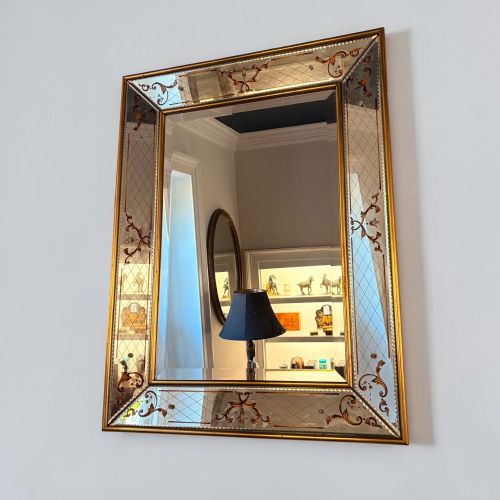
The selection on this page relies heavily on nineteenth century examples alongside pieces bearing Venetian and Florentine design influences. Common formats range from large overmantle pieces to smaller hand painted pier glass and cushion mirrors.
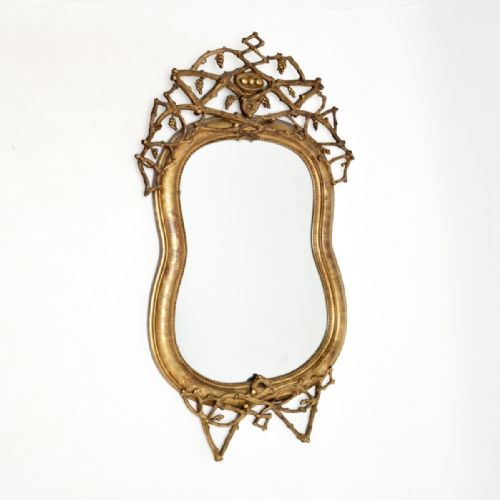
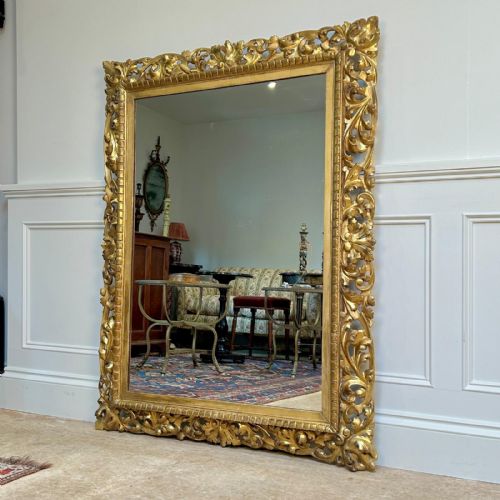
Stylistic expressions lean towards Italian Rococo, Baroque, and Art Deco interpretations. Frames frequently utilise carved wood and giltwood constructions decorated with gold leaf or gesso layers.
How they were made
Craftsmen built the foundations of these frames using carved wood, applying gesso layers to prepare surfaces for gilding. Artisans then finished these structures with gold leaf or paint.
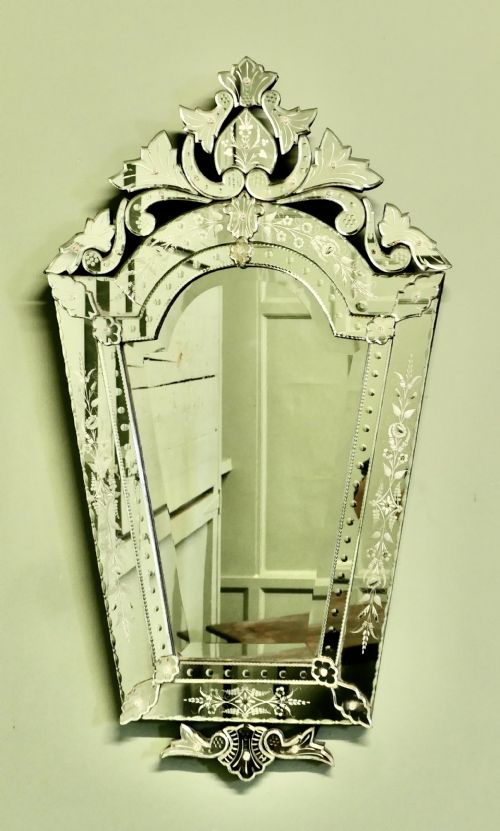
Mirror plates were produced using glass, sometimes featuring engraved details or marginal sections characteristic of Venetian workshops. Frames incorporate detailed carving reflecting Rococo and Baroque styles.
Listings feature items spanning the 18th, 19th, and 20th centuries, utilising glass, giltwood, gesso, and carved wood.
What varies in quality
The depth and intricacy of the wood carving dictate much of the visual weight and refinement of the frame. Skilled hand carving yields crisper ornamentation compared to simpler moulded decoration.
The condition and clarity of the original mirrored glass, alongside the preservation of the gold leaf or painted finish, separate standard examples from finer specimens.
The Vintage Italian Accent Mirror Glossary
- Giltwood
- Wood that has been coated with gold leaf or gold paint. This technique gives frames a bright and reflective metallic surface.
- Gesso
- A plaster mixture applied to wood frames to create a smooth base for gilding. It allows artisans to carve intricate relief details.
- Venetian mirror
- A mirror style originating from Venice, often featuring engraved glass plates and decorative marginal sections. These pieces typically display elaborate glasswork on the frame itself.
- Pier glass
- A tall mirror designed to hang on the wall between windows. These pieces often feature painted or decorated wooden frames.
- Rococo
- An ornate design style characterised by asymmetrical scrolls, curves, and plant motifs. It heavily influences many Italian antique mirror frames.
Vintage Italian Accent Mirror: Frequently Asked Questions
Where should I hang a Venetian mirror?
Venetian mirrors work well in hallways, living rooms, or above mantelpieces where their engraved plates can catch natural light.
Their decorative glass frames make them effective focal points in rooms with understated wall colours.
How do I date an antique Italian mirror?
Dating relies on examining the construction of the wooden frame, the style of carving, and the characteristics of the glass plate. Eighteenth and nineteenth century pieces show distinct regional traits such as Florentine giltwood or Venetian engraved glass.
Construction marks and the type of gesso used also provide clues regarding the period of origin.
Are these mirrors heavy to hang?
Many carved wood and giltwood mirrors possess substantial weight due to their dense wooden frames and glass plates. Secure fixings suited to the wall type are necessary for safe installation.
Professional hanging advice is recommended for larger overmantle and Venetian wall pieces.