

Vintage Iron Table
A vintage iron table brings robust industrial utility and French cafe charm to a room.
Vintage Iron Table
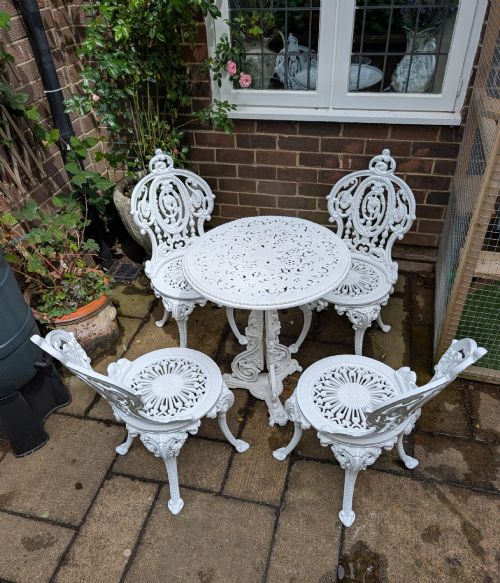
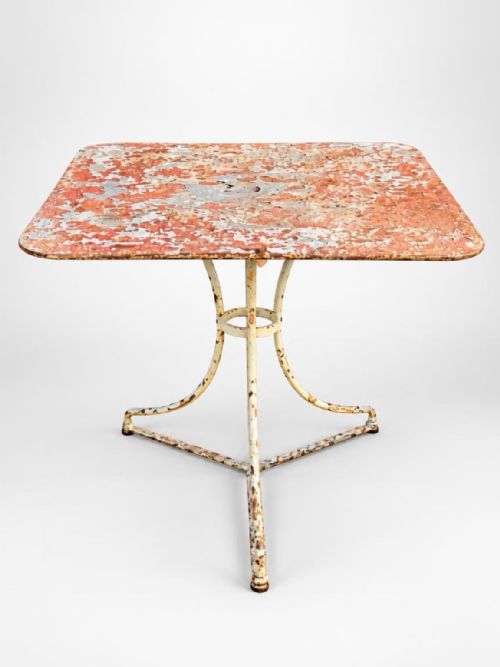
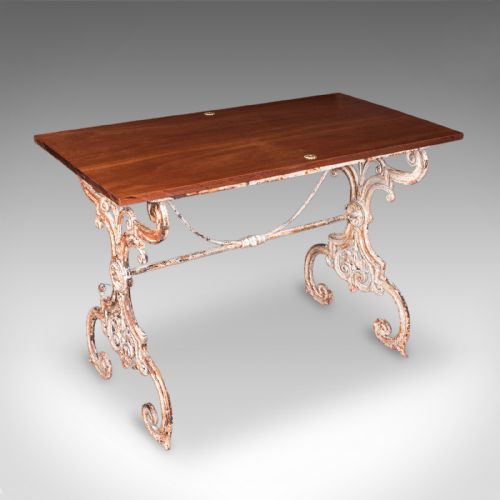
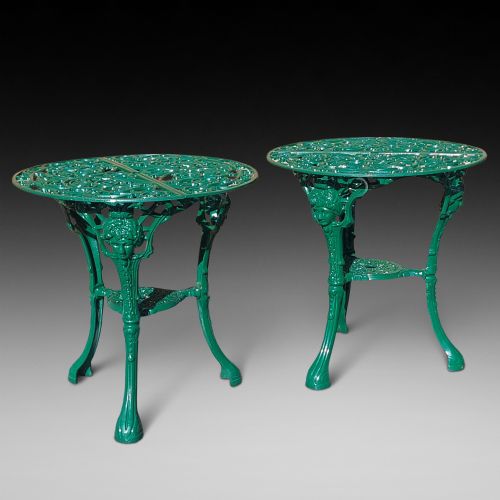
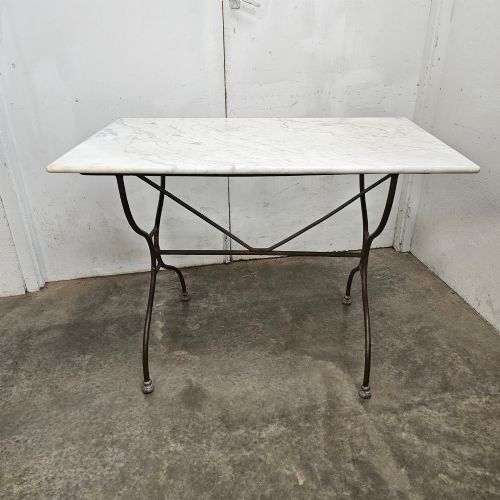
A vintage iron table encompasses practical items designed for domestic, garden and commercial use across the nineteenth and twentieth centuries. Buyers seeking a vintage iron table will find numerous examples ranging from heavy pub furniture and garden sets to refined marble-topped console and bistro pieces.
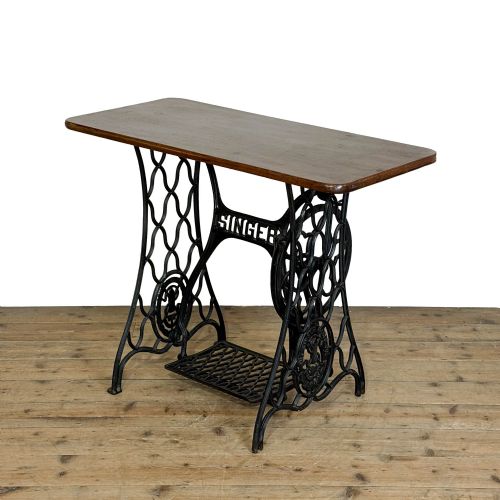
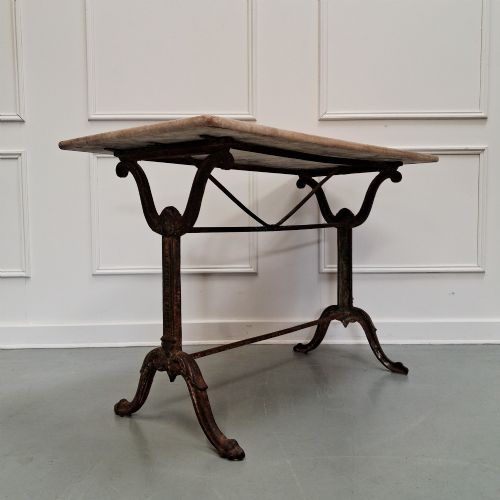
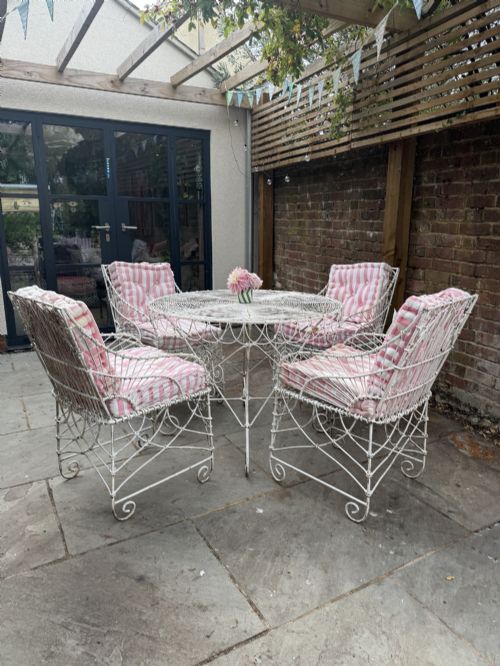
The selection leans heavily toward French cafe styles and Victorian garden furniture, alongside industrial adaptations utilising repurposed sewing machine bases. These items serve flexibly as coffee tables, side tables, and dining settings inside the home or out on the patio.
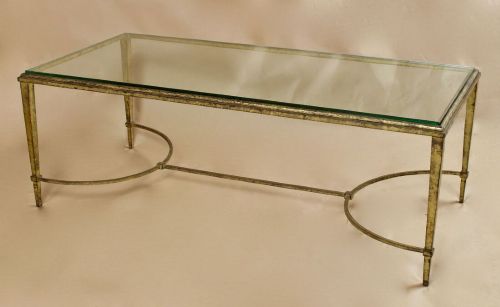
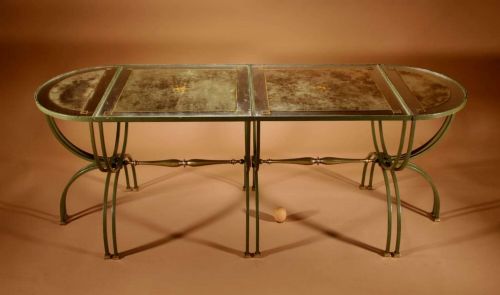
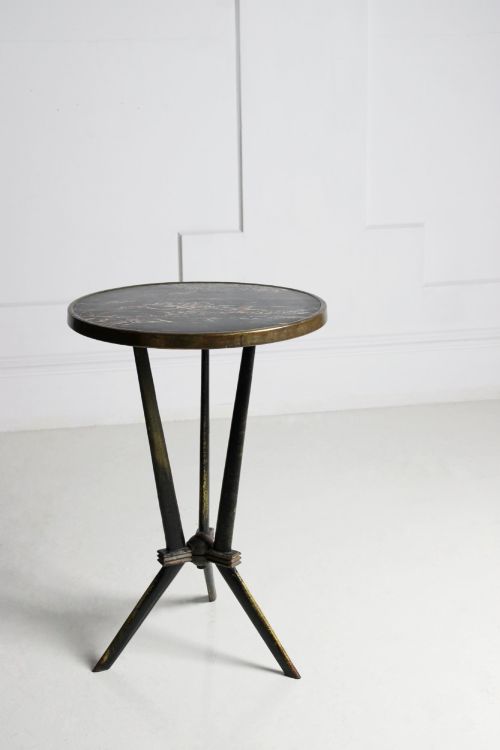
Origins span standard nineteenth century utility pieces up to sophisticated Art Deco designs featuring gilt work and fitted glass. The variety reflects a broad history of domestic metalwork spanning British and continental European workshops.
How they were made
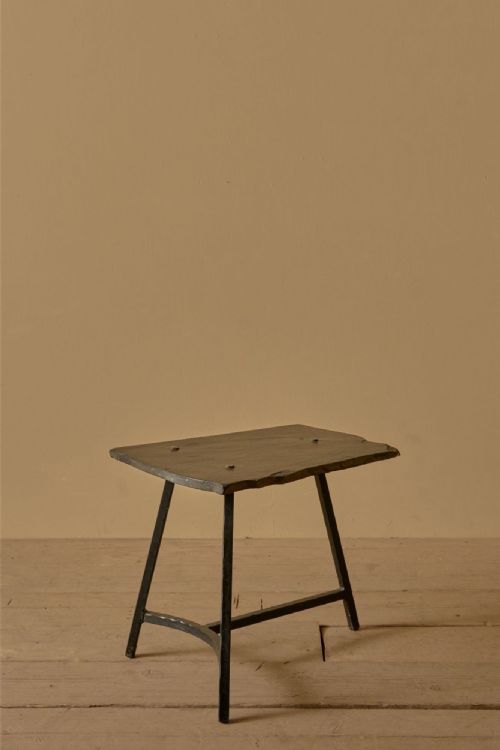
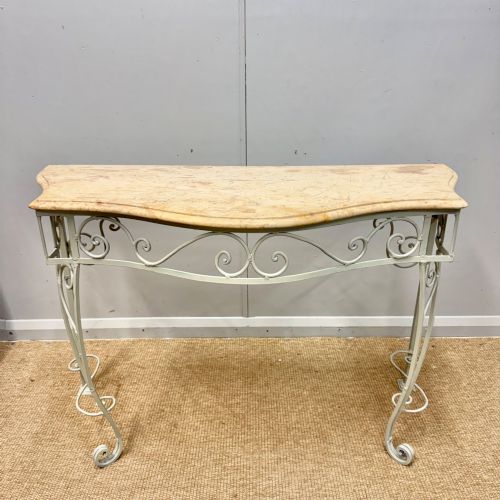
Makers utilised structural cast iron and malleable wrought iron for frames, bases and legs, pairing the sturdy metalwork with contrasting surface slabs. Tops commonly incorporate heavy white marble, slate, polished granite, or plain timber planks fitted directly to the iron chassis.
Decorative embellishments often include cast foliate patterns, hand-hammered details, and applied brass or gilded accents on select Art Deco models. Protective surface treatments range from original painted finishes to patinated bare metal and lacquered ironwork.
Vintage Iron Table Retail Price Guide 2026
Typical asking prices for vintage iron table among the pieces listed under this phrase on Sellingantiques today, from the lower quarter to the upper quarter. They describe what is for sale here now, not the wider market.
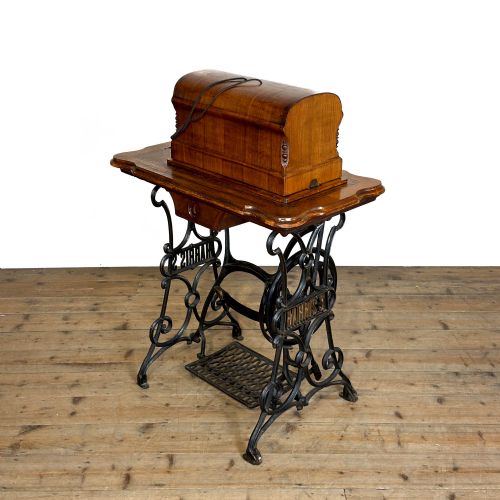
A few tables double as sewing machine bases or incorporate travelling trunks, proving that practical work surfaces often moonlit as storage.
What varies in quality
Construction heft and stability separate standard utility pieces from finer decorative works, with superior castings displaying crisp, deep relief in the botanical or geometric motifs. The quality of the top material also dictates value, where thick slab marble or original bevelled glass elevates a simple iron base.
Maker attribution and design provenance elevate specific examples far above anonymous factory output. Original unaltered surfaces and matching chair sets carry distinct advantages over mixed or heavily modernised assemblages.
Maison Ramsay·Christopher Dresser·Lacroix·Lalique·Singer
The Vintage Iron Table Glossary
- Bistro table
- A small café table typically featuring a heavy cast iron pedestal base and a round or square top. These were designed for tight commercial spaces and outdoor terraces.
- Cast iron
- An iron-carbon alloy poured into moulds to create complex structural components and ornate decorative bases. It provides immense weight and rigidity.
- Wrought iron
- Iron heated and shaped by hand with hammers and tools to produce durable, scrollwork-heavy frames. It offers more flexibility and tensile strength than cast iron.
- Console table
- A long, narrow table meant to stand flat against a wall, frequently topped with marble or slate in these selections. They often serve entryways and hallways.
- Pub table
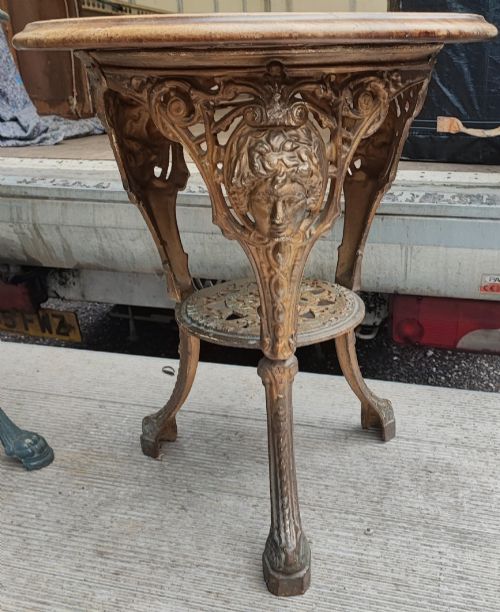
- A sturdy commercial-grade table manufactured during the Victorian era for tavern use. They incorporate heavy iron legs to prevent tipping in busy environments.
Vintage Iron Table: Frequently Asked Questions
Can I use an iron garden table indoors?
These tables adapt easily to interior spaces, functioning well as kitchen dining surfaces or distinctive console tables.
Protect delicate floors by placing felt pads beneath heavy cast iron feet.
How do I clean a marble top?
Wipe the marble surface down regularly with a damp cloth and mild neutral soap.
Avoid acidic cleaners that can etch the polished stone finish over time.
Are vintage iron tables heavy?
Solid cast iron bases combined with thick stone tops create considerable weight that requires multiple people to move.
This mass provides excellent stability for daily use without wobbling.
How do I identify a Victorian piece?
Look for heavy sand-cast iron frames featuring registered design numbers or distinct botanical Victorian ornamentation.
Examine the construction joints to confirm period manufacturing techniques.