
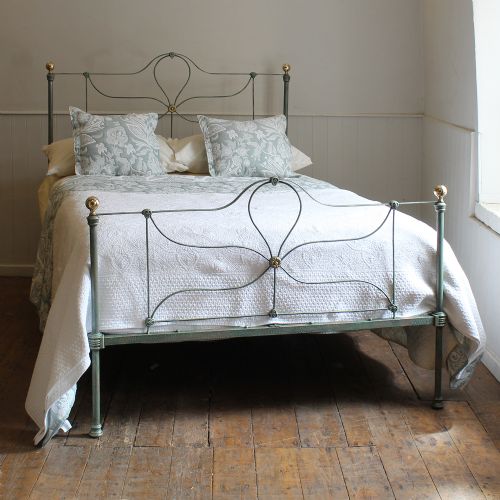
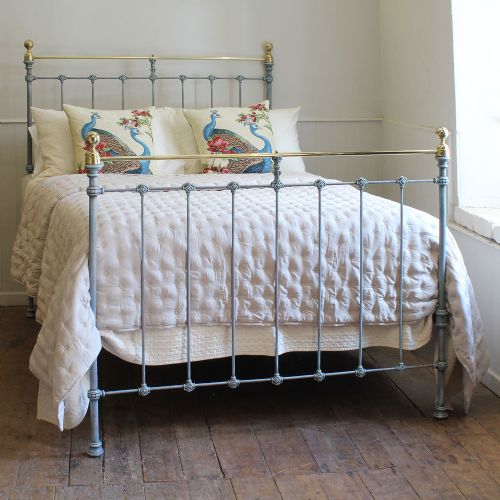
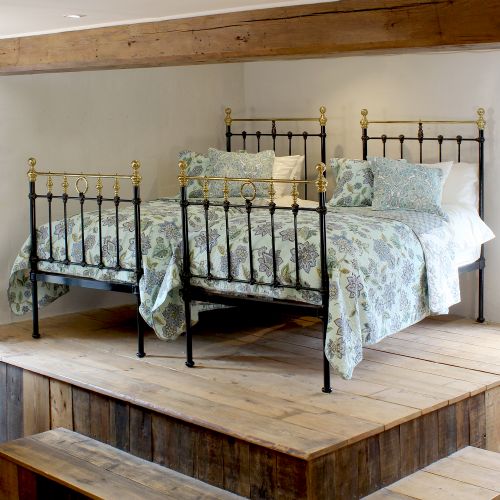
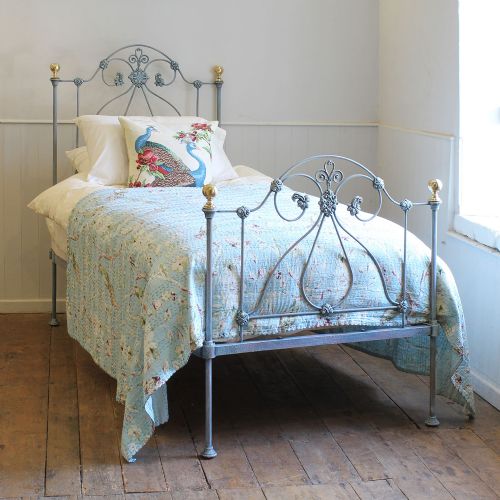
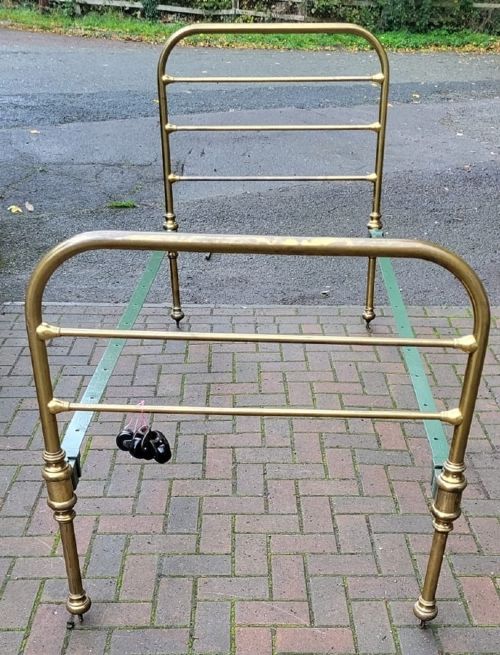

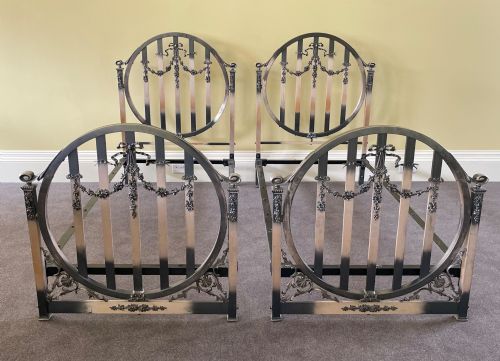
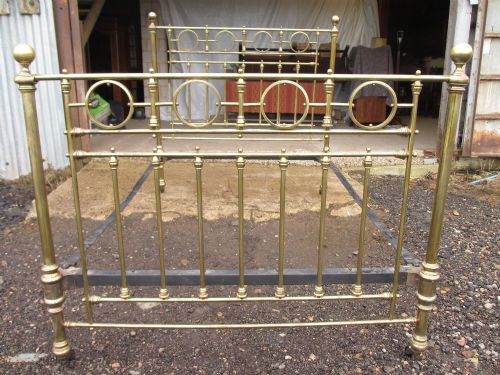
Vintage Iron Metal Bed
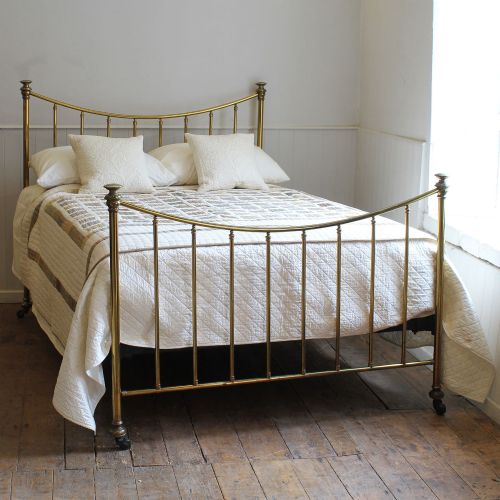
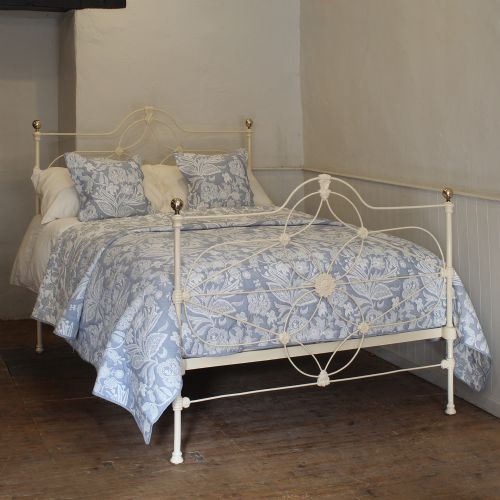
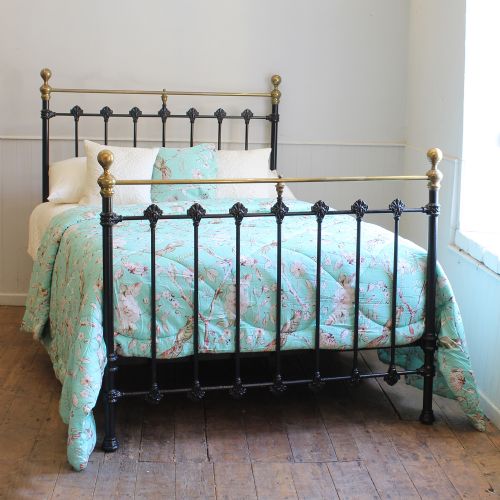
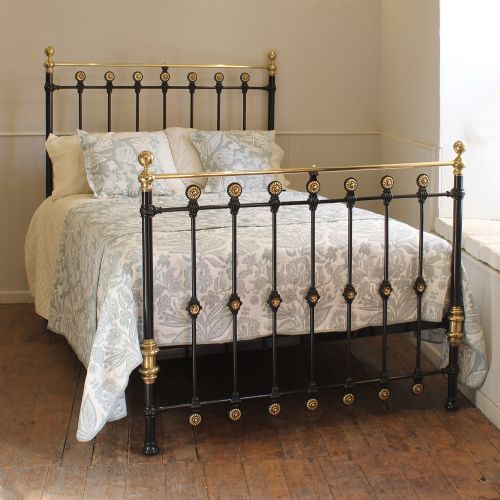
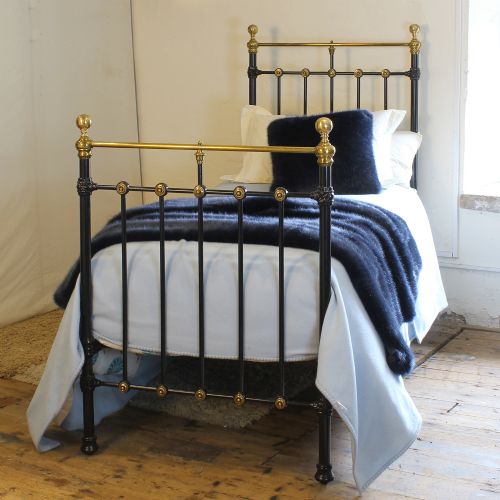
A vintage iron metal bed brings substantial weight and robust construction into a bedroom, combining durable metal frames with decorative brass details.
Vintage Iron Metal Bed
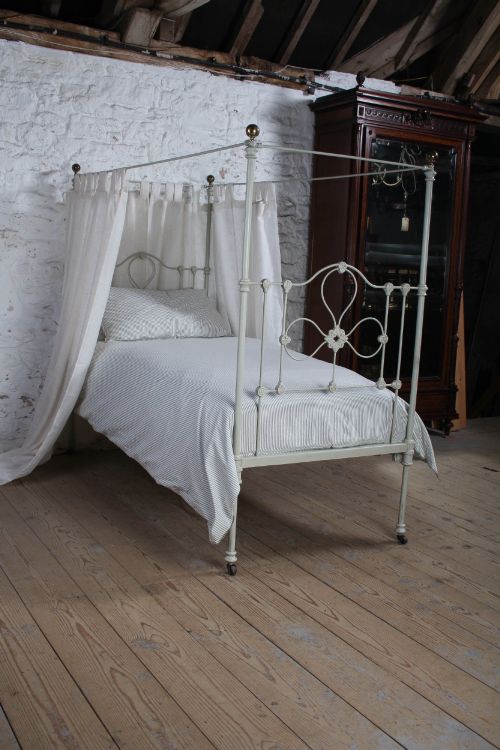
A vintage iron metal bed encompasses robust bedframes, bedsteads, and daybeds originating primarily from the Victorian and Edwardian eras, alongside pieces from the nineteenth century. Buyers searching for a vintage iron metal bed encounter various sizes ranging from single and double up to king and super king proportions.
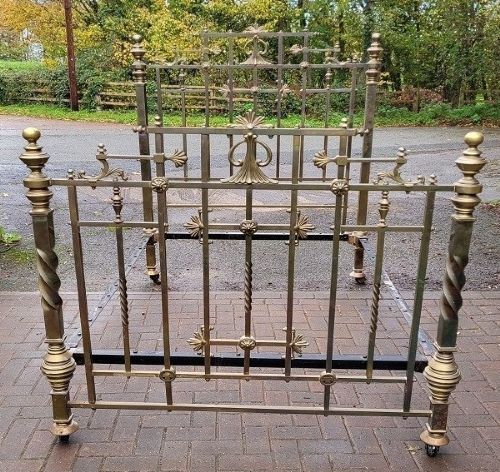
The most common iterations on this page combine cast iron and wrought iron structural components with polished brass or nickel plated elements. Many examples showcase period specific stylistic touches such as Art Nouveau curves, Celtic Revival motifs, or French provincial styling.
The form frequently includes slot in frames, headboards, and footboards designed to support a mattress while serving as a commanding focal point in a room. Daybeds and garden daybeds also appear within the selection, offering versatile seating and sleeping arrangements.
How they were made
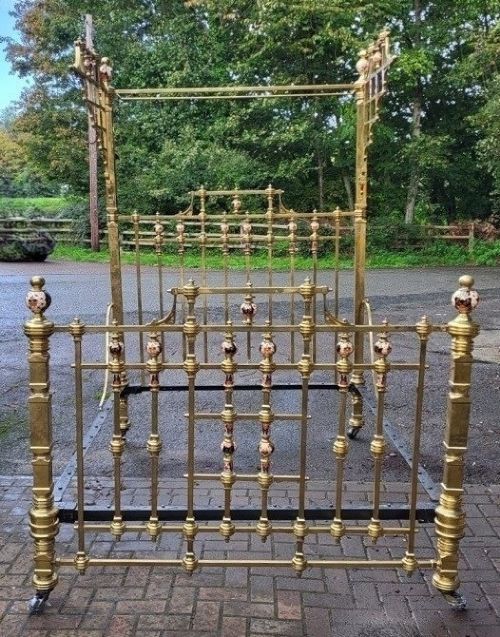
Makers utilised heavy cast iron and malleable wrought iron for the core framework, often combining structural iron with bright brass tubing and decorative brass castings. Steel components and nickel plating also feature on specific frames, providing an alternative metallic finish.
Surface decoration frequently involved applied paint, such as green or black finishes, alongside specialist treatments like toleware. Detail work incorporated ceramic elements, mother of pearl inlays, and intricate metal shaping like ribbon reed and tapered posts.
Some iron beds feature hidden mother of pearl inlays, proving that nineteenth century foundry workers appreciated a touch of secret glamour.
What varies in quality
The sophistication of the castings and the complexity of the iron shaping dictate the visual calibre of a bedstead. Elaborate curly ironwork, detailed brass mountings, and the integration of materials like mother of pearl separate standard utility frames from exhibition quality pieces.
Structural integrity relies upon the original engineering, where robust slot in frames, sturdy castors, and heavy gauge metal tubing ensure lasting stability. Original manufacturers' stamps or maker marks add documented authenticity to specific high end bedframes.
Winfield
The Vintage Iron Metal Bed Glossary
- Bedstead
- The complete framework of a bed, including the headboard, footboard, and side rails. This structural assembly supports the base and mattress.
- Daybed
- A piece of furniture functioning as both a couch during the day and a bed at night. These often feature low backs and matching or open ends.
- Cast iron
- Iron poured into a mould in a molten state to create rigid components with decorative detail. It provides the heavy foundational structure for many Victorian frames.
- Wrought iron
- Iron heated and hammered into shape by hand, resulting in fibrous, durable metalwork. It allows for the intricate curves seen on curly iron bedsteads.
- Nickel plating
- A thin protective coating of nickel applied over base metals to provide a bright, corrosion resistant finish. This treatment appears on specific Edwardian bed frames.
- Toleware
- Metalware painted and enamelled in a decorative manner, commonly associated with nineteenth century Austrian pieces.
Vintage Iron Metal Bed: Frequently Asked Questions
Will a standard mattress fit these beds?
Many vintage metal beds were constructed to historical sizing standards that differ slightly from modern mattress dimensions. Buyers often need to check exact internal measurements or arrange custom mattresses for older frames.
Certain larger Victorian and Edwardian frames align more closely with contemporary double or king sizes, but professional assessment of the side rails and slot in frame remains advisable.
How do I assemble an antique metal bed?
Most of these beds utilise wedge and socket joints on the iron corners, allowing the side rails to lock securely into the headboard and footboard posts without complex tools. Tapping the joints gently with a rubber mallet helps seat the metal components firmly.
Castors attached to the base should be checked during assembly to ensure the bed sits level on the floor. Proper alignment of the frame prevents undue stress on the decorative brass and iron castings.
How do I care for brass and iron frames?
Maintenance involves dusting the metal surfaces regularly with a dry cloth and avoiding harsh chemical cleaners that might strip painted finishes or protective lacquers. Brass elements can be polished gently if a bright shine is preferred over a natural aged patina.
Painted iron frames require protection from damp environments to prevent rust forming beneath the surface coating. Checking the stability of joints periodically keeps the heavy structure secure.
How do I identify a Victorian iron bed?
Victorian iron beds typically feature heavy cast iron components, distinct brass finials, and robust construction methods characteristic of the nineteenth century. Details such as dip rails, elaborate castings, and specific curly iron shaping point directly toward this period.
Later Edwardian examples often introduce lighter proportions, nickel plating, or softer Art Nouveau styling lines. Comparing the decorative motifs and materials helps clarify the manufacturing era.