
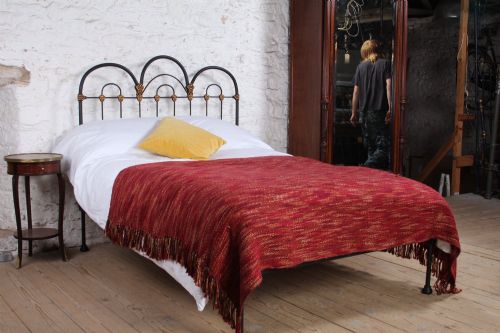


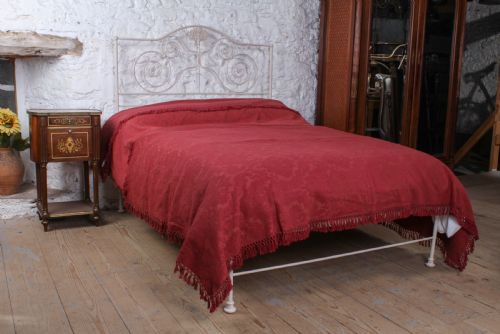
Low End Iron Bedstead
A low end iron bedstead offers sturdy metal construction and classic styling, providing a dependable centrepiece for the bedroom.
Low End Iron Bedstead
When you search for a low end iron bedstead, you encounter substantial sleeping frames dating from the Victorian era up through the early decades of the twentieth century. These pieces include double, king size, and super king size formats designed with open foot ends to maintain a spacious feel in a room.
The selections span styles like Victorian and French Country, with several originating from Ireland alongside general Victorian production. You will frequently find designs described as no end beds, which feature low or matching foot rails.
Forms range from simple straight rail platforms and hospital styles to panelled versions with classic shaping and ribbon reeds. The prevalent periods recorded in the evidence cluster around 1800 to 1910, bringing robust period character to modern interiors.
Materials and construction
Makers built these frames using cast iron, wrought iron, and forged iron, frequently combining the dark metal with polished brass components such as finials and top rails. Paint also appears across the surfaces, adding colour and finish to the structure.
Construction techniques rely heavily on decorative castings and forged elements, bringing together structural rigidity and ornamental detail like spindles. The integration of brass fittings with iron framework creates a distinct contrast typical of the period.
Some beds borrow hospital style aesthetics from France, bringing clinical utility charm right into the domestic bedroom.
Defining quality
Quality in these beds rests on the crispness of the iron castings and the finesse of the shaping along the rails and spindles. Pieces with detailed ribbon reeds or elaborate brass finials display a higher degree of artisan attention.
The coherence of the design also dictates the standard, whether seen in the balanced proportions of a classic straight rail platform or the gentle curve of a French hospital style frame. The harmony between iron framework and brass accents elevates the visual weight of the piece.
The Low End Iron Bedstead Glossary
- Cast iron
- A strong, hard iron-carbon alloy poured into moulds to create decorative components. This technique allows for intricate ornamentation on bed frames.
- Wrought iron
- Tough, malleable iron beaten into shape by hand or machine. It provides structural strength for the main body of the bed.
- Brass
- A yellow alloy of copper and zinc utilised for decorative finials and top rails. It creates a bright contrast against the darker iron structure.
- Ribbon reed
- A decorative moulding detail resembling a tied ribbon or fluted reed. It adds textural interest to the metal framework.
- Finial
- A decorative ornament fixed to the top of the bed posts. It provides a finished aesthetic to the vertical elements.
Low End Iron Bedstead: Frequently Asked Questions
What is a low end iron bedstead?
A low end iron bedstead is a metal sleeping frame featuring a foot rail that sits lower than the headboard or matches it without a high obstruction. This design helps keep smaller bedrooms feeling open and uncluttered.
Such frames date primarily from the Victorian period through to 1910, combining iron and often brass in sizes ranging from double up to super king.
How do I style an iron bed?
You can integrate these beds into various interior schemes by pairing the dark iron and brass accents with simple, neutral bedding or traditional textiles. The open framework allows natural light to pass through, suiting both period properties and modern spaces.
Consider the scale of the king or super king frame within your room to maintain a balanced layout alongside other furniture.
Are these beds heavy?
Yes, beds made from cast and forged iron possess substantial weight due to the density of the metal components used in their construction. This heaviness ensures the frame remains stable and rigid during use.
When positioning the bed, plan its placement carefully as the solid materials make frequent moving challenging.