



Vintage Iron Garden Pot
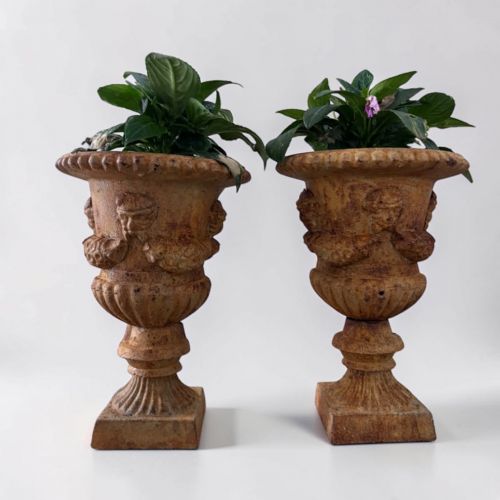
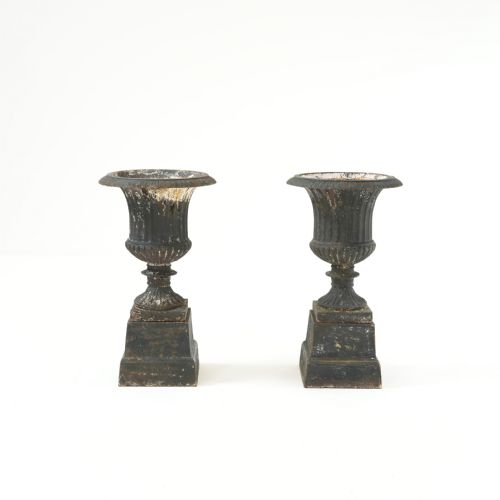
A vintage iron garden pot anchors a terrace or driveway with weight, presence, and timeless planting space.
Vintage Iron Garden Pot
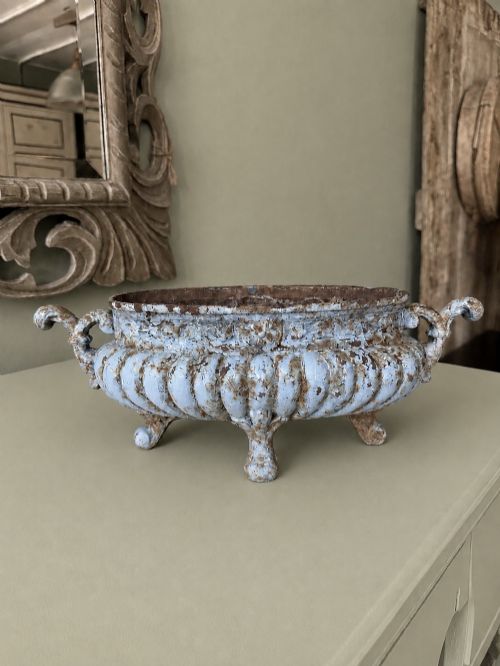
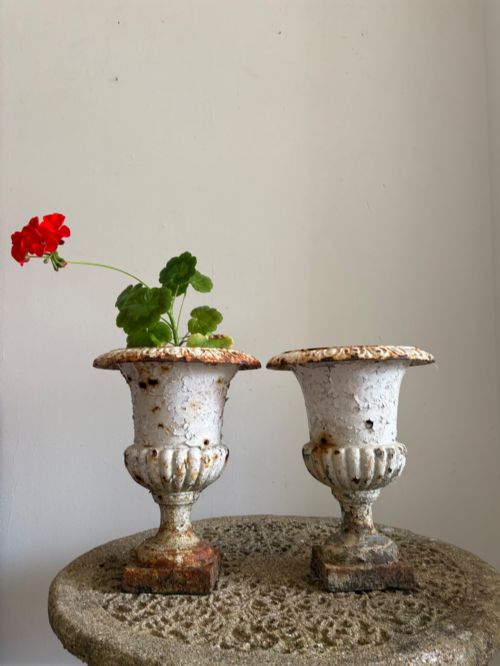
A vintage iron garden pot typically takes the form of a classical campana urn, a fluted vessel, or a structured planter designed for formal grounds and domestic courtyards. These heavy pieces originate primarily across the nineteenth century and into the mid-twentieth century, drawing on Victorian and neoclassical design traditions.
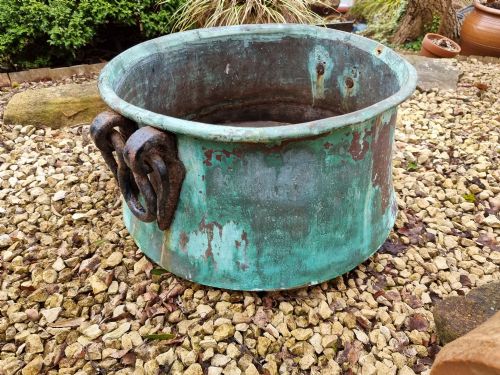
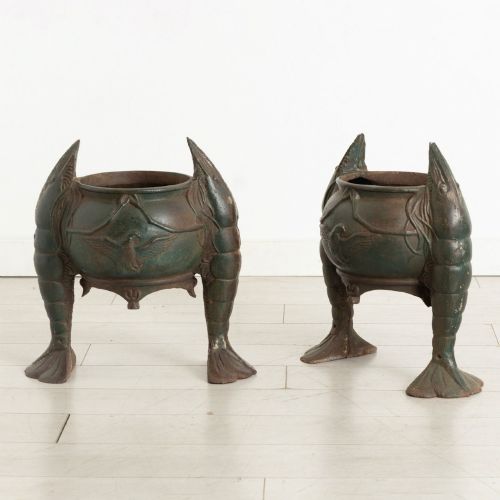
Buyers will find matched pairs and single vessels cast in iron or wrought iron, alongside complementary copper cauldrons and occasional terracotta or stone variants. Many examples stand on dedicated plinths or feature integrated strapwork, serving as focal points for exterior planting schemes.
Assessing quality and character
Quality rests in the crispness of the casting detail, where sharply rendered foliage, fluting, and neoclassical ornament distinguish superior foundry work from plain utilitarian vessels. The thickness and structural integrity of the metal determine the longevity and heft of the piece.
The nature of the surface finish significantly influences the character of the object, as original painted layers and natural verdigris patinas provide depth that modern reproductions cannot replicate.
The listings span from the 1860s through the 1950s, featuring cast iron, wrought iron, copper, and terracotta across urns, planters, and jardinières.
Andrew Handyside
The Vintage Iron Garden Pot Glossary
- Campana urn
- A bell-shaped garden vessel with a flared rim and tapering body, widely produced in cast iron during the Victorian period.
- Verdigris
- A green patina formed naturally on copper and brass surfaces through atmospheric weathering over long periods.
- Gadrooned
- Decorated with a series of rounded, parallel convex lobes or flutes, commonly found around the rim or base of classical urns.
- Strapwork
- Ornamental work consisting of flat, interlaced bands of wrought iron, used to reinforce and decorate garden containers.
Vintage Iron Garden Pot: Frequently Asked Questions
Can these iron pots stay outside in winter?
Cast iron and wrought iron vessels withstand outdoor conditions well, though proper drainage prevents water accumulation and subsequent frost damage to the metal.
Elevating pots on feet or plinths helps protect the base from standing moisture during colder months.
How do I identify a Victorian iron urn?
Victorian examples frequently display classical neoclassical motifs, heavy fluting, and robust campana silhouettes produced by nineteenth-century British and French foundries.
Weight, thickness of metal, and authentic weathered paint surfaces also indicate period manufacture.
What plants suit a classical garden urn?
Trailing ivies, box balls, and structural perennials complement the formal proportions of campana urns and heavy iron planters.
Generous soil depth supports mature root systems and seasonal displays alike.
How should I clean a weathered metal pot?
Gentle washing with water and a soft brush removes dirt while preserving historical paint layers and natural verdigris patinas.
Avoid abrasive treatments that strip away the aged surfaces accumulated over decades outdoors.