




Vintage Iron Display Shelf
A vintage iron display shelf brings industrial character and practical tiering into a room.
Vintage Iron Display Shelf
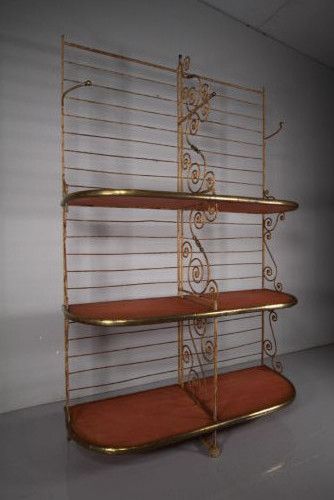
A vintage iron display shelf encompasses utilitarian baker's racks, patisserie racks, and shop display stands originating from the nineteenth and early twentieth centuries. These pieces combine rigid metal framing with open storage tiers designed initially for commercial food preparation or mercantile display.
Buyers meet sturdy French provincial bakers racks alongside English scroll-work bakery units and compact corner plant stands on this page. Form follows function closely across these objects, resulting in open framework structures that hold books, tableware, or plants with equal ease.
Origins span across French, English, and Florentine workshops, with dating stretching from the eighteenth century through the nineteen-thirties. The heavy iron and steel construction ensures these shelving units survive in daily domestic use today.
How they were made
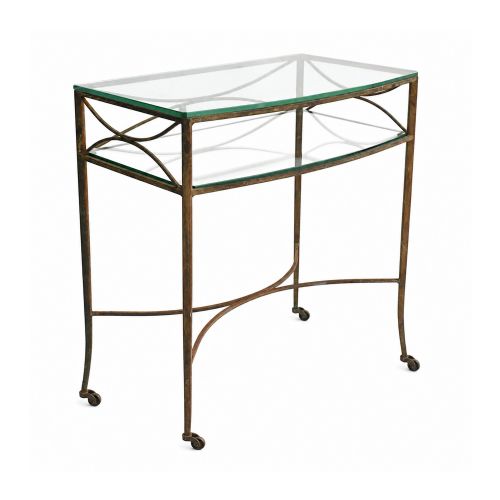
Construction relies heavily on wrought iron, cast iron, and steel, shaped and joined through riveting and traditional scroll-work. Makers incorporated brass elements and glass or slate shelving components to balance structural strength with functional surface areas.
Surfaces frequently show layers of early paint, painted metal finishes, or patinated bare iron that developed through decades of active service. Structural detailing involves hand-forged scrolls, riveted joints, and stamped makers' marks on select French and English pieces.
Vintage Iron Display Shelf Retail Price Guide 2026
Typical asking prices for vintage iron display shelf among the pieces listed under this phrase on Sellingantiques today, from the lower quarter to the upper quarter. They describe what is for sale here now, not the wider market.
Several racks retain flour dust trapped in the rivet crevices from forgotten French bakeries.
What varies in quality
The sophistication of the ironwork scroll-work and the presence of maker stamps or workshop attribution elevate certain pieces above standard utilitarian shelving. Hand-forged detailing and complex riveted corner joints demonstrate superior craftsmanship compared to plain production frames.
The integrity of the original materials, such as intact slate shelving or early glass inserts, distinguishes well-preserved examples from altered pieces. Original painted surfaces with honest wear carry more integrity than modern repainting.
Dubois of Lyon
The Vintage Iron Display Shelf Glossary
- Baker's rack
- A tall metal shelving unit traditionally utilised in bakeries for cooling bread and pastries. These pieces now serve as prominent kitchen or living room display furniture.
- Wrought iron
- A tough, malleable form of iron that can be heated and hammered into decorative scrolls and sturdy structural frames. Blacksmiths favoured this material for its ability to withstand heavy loads.
- Cast iron
- Iron poured into a mould to create rigid structural components and decorative brackets. This material provides substantial weight and durability to nineteenth-century console tables and stands.
- Patisserie rack
- A specialised French storage frame designed for pastry displays in commercial shops. They feature slender iron uprights and multiple open tiers.
- Scroll-work
- Ornamental spiral or curved metal designs forged into iron frameworks. This decorative technique softens the industrial appearance of heavy metal shelving.
Vintage Iron Display Shelf: Frequently Asked Questions
How do I clean a vintage iron shelf?
Dust the iron framework regularly with a dry cloth and avoid harsh chemical cleaners that might strip the historic patina or original paint layers.
For slate or glass tiers, use mild soapy water and dry thoroughly to protect the surrounding metal joints from moisture damage.
Are these shelves sturdy enough for heavy books?
The wrought iron and cast-iron construction of these pieces provides exceptional structural strength designed to hold heavy commercial loads.
Most units handle substantial weight easily, though verifying the stability of the floor frame and wall fixings remains wise for taller baker's racks.
Can I use a bakers rack outdoors?
While originally built from robust outdoor-capable metals, vintage pieces often feature historic painted surfaces or unsealed iron prone to active rusting.
Keeping them indoors protects fragile paint finishes and older structural rivets from moisture exposure and weathering.
How do I identify a French patisserie rack?
French examples typically feature slender iron framing, riveted structural joints, and open slatted tiers designed for commercial boulangerie use.
Workshop stamps or distinct Parisian proportions often distinguish these Continental pieces from later English or domestic counterparts.