




Vintage Iridescent Bowl
A vintage iridescent bowl catches the light with shifting metallic sheens, bringing a rich burst of colour and decorative drama to any room.
Vintage Iridescent Bowl
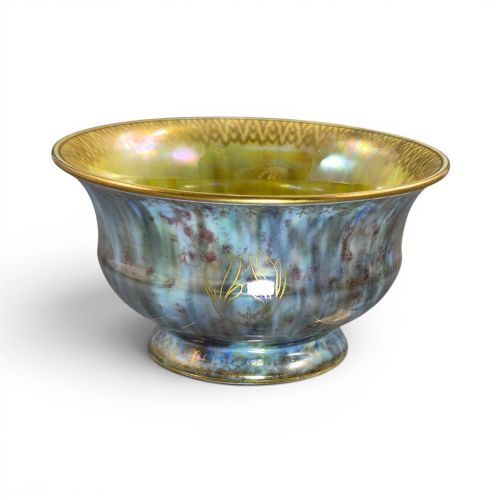
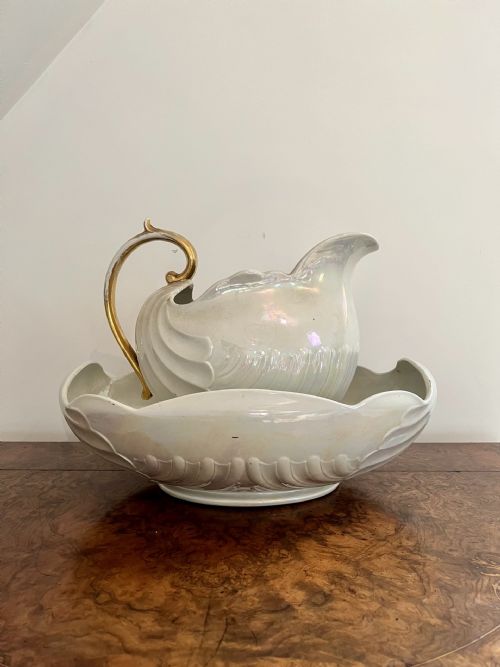
A vintage iridescent bowl brings together striking surface sheens and decorative forms from the early twentieth century. When searching for a vintage iridescent bowl, collectors most frequently encounter fine porcelain finished with lustre glazes or striking iridescent glassware.
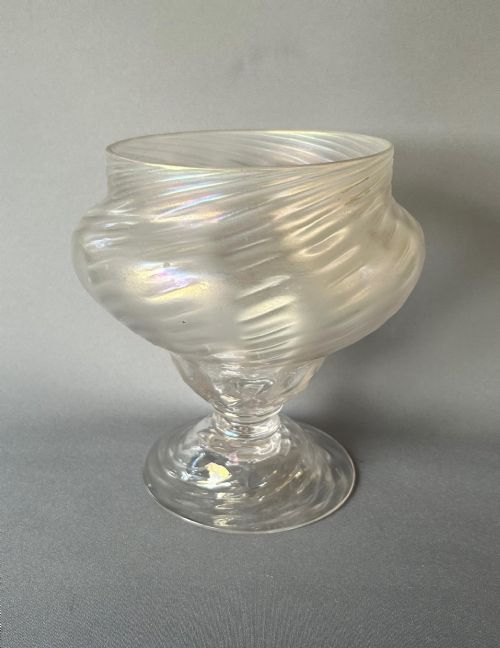
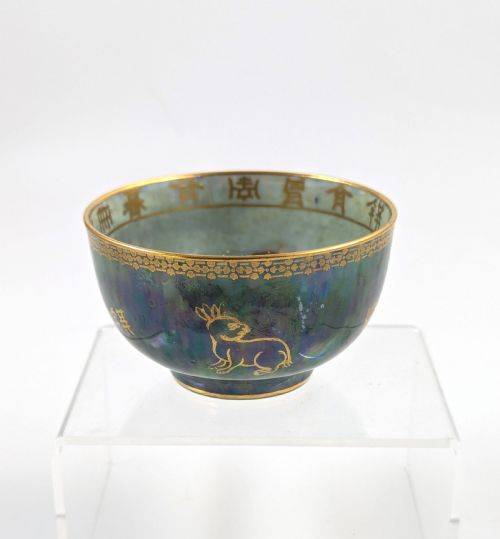
The selection ranges from elaborate Edwardian tableware and miniature cups to bold Art Nouveau glass on ball feet and geometric Art Deco designs. These decorative bowls and sets serve as vibrant focal points, defined by shimmering metallic effects rather than plain surfaces.
How they were made
Potters and glassmakers achieved these shimmering finishes through specialised chemical applications fired onto bone china, porcelain, or molten glass. Lustre glazes and metallic glazes react in the kiln to produce oil-slick surfaces, often enhanced with delicate applications of gold leaf and gilt detailing.
Makers such as Loetz utilised innovative glassblowing techniques to create organic iridescent glassware, while ceramic factories applied complex multi-stage glaze firings. This meticulous chemical control ensures the metallic sheen adheres permanently to the body of the bowl.
Vintage Iridescent Bowl Retail Price Guide 2026
Typical asking prices for vintage iridescent bowl among the pieces listed under this phrase on Sellingantiques today, from the lower quarter to the upper quarter. They describe what is for sale here now, not the wider market.
Materials recorded across the inventory include bone china, porcelain, gold leaf, and metallic lustre glazes.
What varies in quality
The standard of a vintage iridescent bowl rests upon the depth, complexity, and stability of the surface sheen. Superior examples display a rich interplay of spectral colours across the glaze, rather than a flat or dull metallic wash.
Design execution and form also separate standard items from exceptional ones, particularly where intricate patterns like dragons or butterflies are hand-painted beneath the glaze. Sharp moulding in glassware and crisp gilding on porcelain demonstrate superior craftsmanship during production.
Wedgwood·Daisy Makeig-Jones·Loetz·Shelley
The Vintage Iridescent Bowl Glossary
- Lustre glaze
- A ceramic finish containing metallic salts that produce an iridescent, rainbow-like sheen upon firing. This technique creates the signature glowing surface seen on early twentieth-century decorative pieces.
- Iridescent glass
- Glass treated with metallic vapours while hot to produce a shimmering, multicoloured optical effect. This finish mimics the natural weathering found on ancient Roman glass.
- Bone china
- A type of soft-paste porcelain incorporating animal bone ash for strength and translucency. It provides a smooth white base ideal for absorbing vibrant lustre colours.
- Art Nouveau
- A decorative style characterised by fluid, organic lines and natural motifs popular around the turn of the twentieth century. Pieces from this movement often feature curving plant and animal forms.
Vintage Iridescent Bowl: Frequently Asked Questions
Are these bowls safe for food?
Most antique and vintage decorative bowls are intended for display rather than daily culinary use. The metallic and lustre glazes on early pieces may contain trace elements that are unsuitable for acidic foods.
Use these items primarily for dry decorative displays or potpourri rather than serving wet dishes. This protects the fragile glaze from chemical wear and scratching.
How do I date an iridescent bowl?
Examine the base of the ceramic piece for factory backstamps, impressed registration numbers, or painted pattern codes. Different eras utilised distinct manufacturer marks that help narrow down the production decade.
Stylistic cues such as organic Art Nouveau curves or geometric Art Deco forms also provide strong chronological indicators. Comparing the decorative motifs against known factory production periods confirms the likely age.
What caused the iridescent effect?
Makers applied metallic oxides, such as bismuth or silver, to the surface of the ceramic or hot glass before a final reducing kiln firing. This oxygen-starved environment forces the metals to rise to the surface and create a shimmering optical interference layer.
The resulting microscopic film bends light waves, producing the signature oil-slick rainbow effect. Different chemical recipes yield distinct colour palettes ranging from deep greens to fiery golds.