





Vintage Iranian Rug
A vintage iranian rug brings centuries of weaving heritage into a room through rich wools and intricate traditional Persian designs.
Vintage Iranian Rug
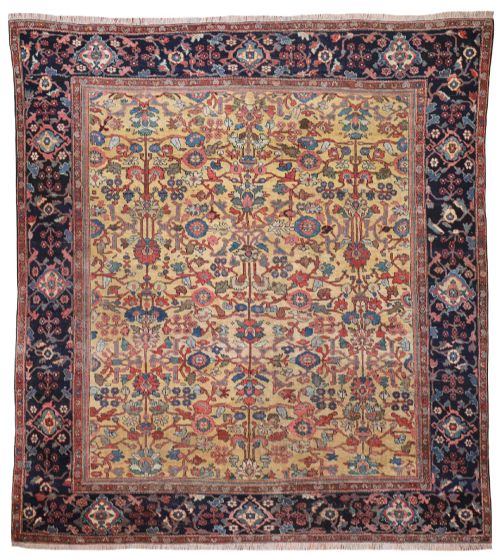
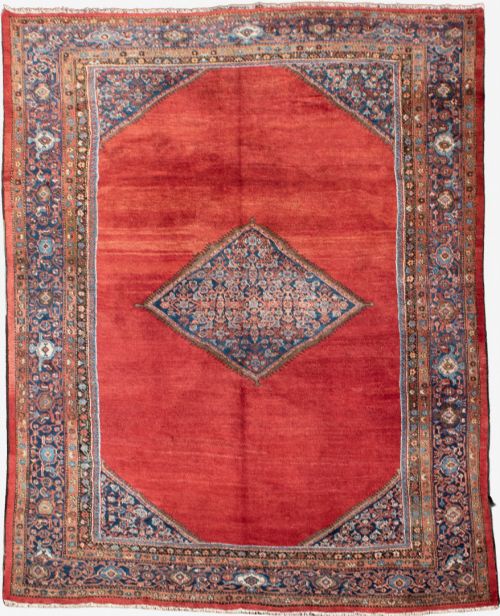
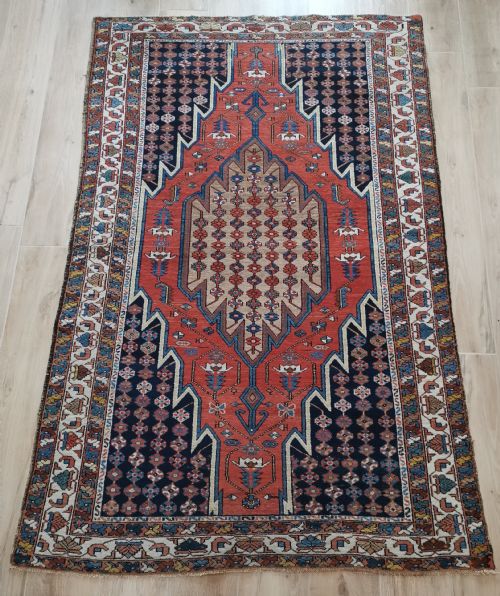
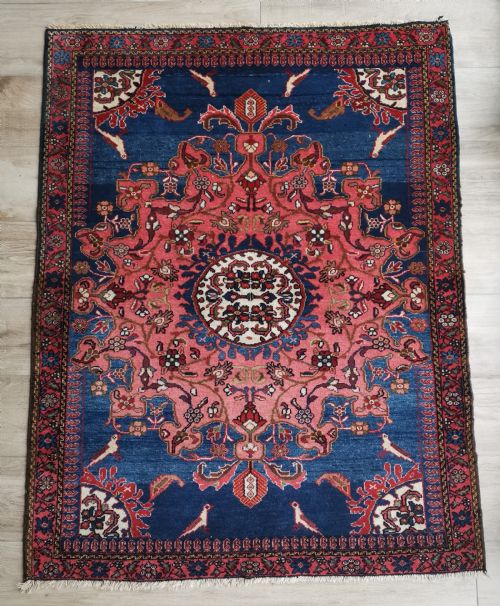
A vintage iranian rug encompasses handwoven carpets, roomsize rugs, runners and tribal textiles originating from the nineteenth and twentieth centuries. Buyers seeking a vintage iranian rug encounter regional types including Heriz, Qum, Kashan, and Ferahan alongside tribal pieces like Afshar and Qashqai work. These floor coverings range from compact mats to large carpets measuring over four metres in length.
The material selection spans wool, cotton, silk and wool felt foundations, deployed across traditional Persian styles and regional village aesthetics. Pieces date across various periods from the late nineteenth century through to the nineteen-forties, showing distinct local palettes and knotting traditions.
What varies in quality
The standard of a woven carpet rests upon knot density, the fineness of the spin in the wool, and the precision of the design execution. Superior examples display crisp architectural lines in geometric patterns or fluid curves in floral fields.
Material choice also dictates grade, with fine silk pieces and heavy roomsize rugs occupying the upper tiers of craftsmanship. The consistency of natural dye saturation and the preservation of original edges and fringe determine the overall integrity of the textile.
Vintage Iranian Rug Retail Price Guide 2026
Typical asking prices for vintage iranian rug among the pieces listed under this phrase on Sellingantiques today, from the lower quarter to the upper quarter. They describe what is for sale here now, not the wider market.
Current listings feature pieces spanning the nineteenth century and decades up to nineteen-forty, utilising wool, cotton, silk and wool felt.
Hajji Jalili
The Vintage Iranian Rug Glossary
- Kelleh
- A large rectangular carpet format, traditionally longer than it is wide, often used in reception rooms.
- Medallion
- A central ornamental design motif placed in the middle of the rug field.
- Warp
- The vertical foundation threads stretched tightly on the loom before knotting begins.
- Weft
- The horizontal threads passed through the warps after each row of knots to secure the structure.
- Selvedge
- The reinforced side edges of a rug that prevent the pile from unravelling.
Vintage Iranian Rug: Frequently Asked Questions
How do I clean a vintage rug?
Professional specialist cleaning is essential for antique and vintage woven textiles to protect natural wool and silk fibres from damage. Regular gentle vacuuming without a beater bar removes surface dust safely between professional washes.
Avoid using domestic carpet shampoos or excess water, which can cause dye bleed and weaken the foundation threads over time.
Where were these rugs made?
These textiles originate from various historic cities, towns and tribal regions across Iran, formerly Persia. Major weaving centres included Kashan, Qum, Heriz, and Ferahan, alongside nomadic tribal areas.
Each region developed distinct palettes, structural techniques, and characteristic motifs that identify their geographical origin.
Can I place these rugs in hallways?
Runner formats and robust village rugs suit high-traffic hallways when paired with a quality underlay to prevent slipping and friction. Durable wool construction handles regular foot movement while adding warmth and colour to transitional spaces.
Delicate silk or fine antique pieces perform better in low-traffic rooms to preserve their structural condition.
How do I date an iranian rug?
Dating relies on stylistic analysis of the design motifs, palette composition, and structural materials such as wool, cotton, or silk foundations. Comparing regional weave structures and knot types helps place a piece within nineteenth or twentieth-century periods.
Slight irregularities in hand-spun wool and natural dye variations often point to earlier production dates before synthetic dyes became widespread.