

Vintage Inlay Chest
A vintage inlay chest brings together figured timbers and contrasting stringing, offering practical storage with considerable decorative presence.
Vintage Inlay Chest
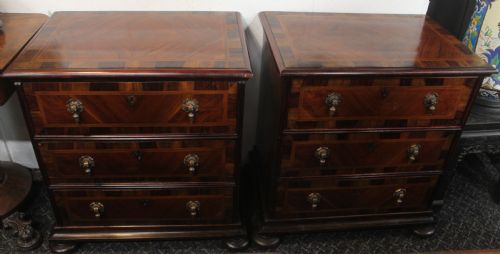
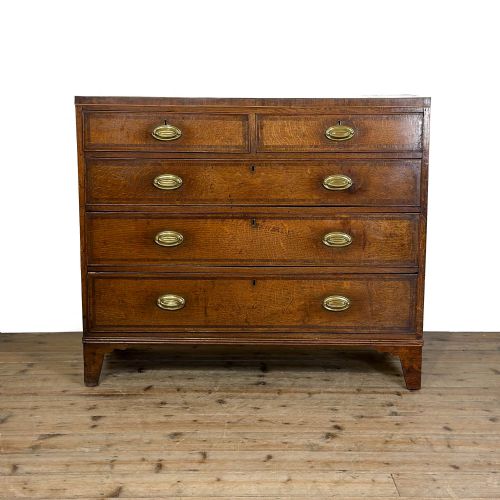
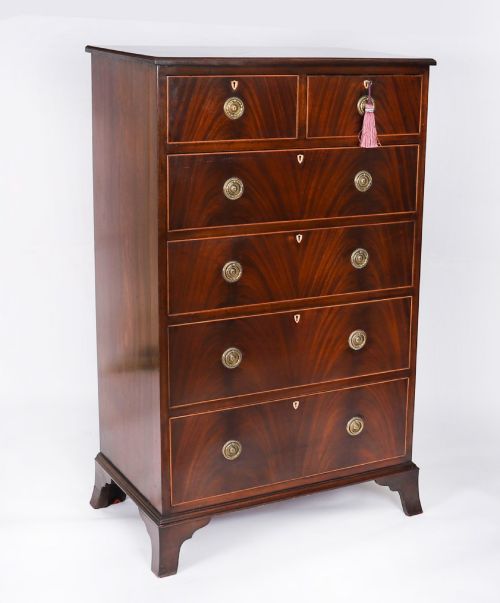
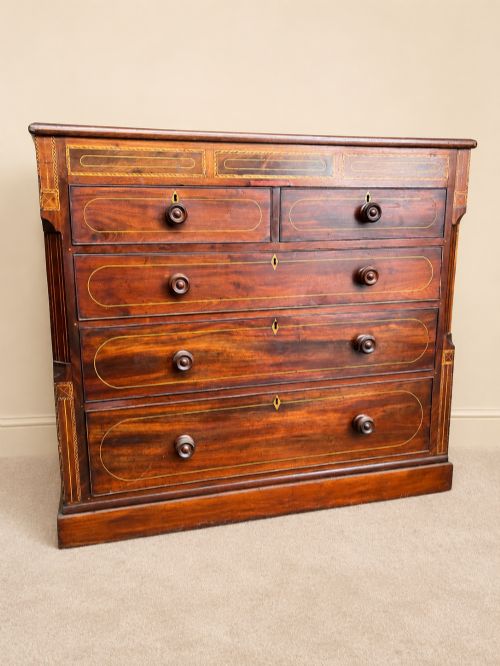
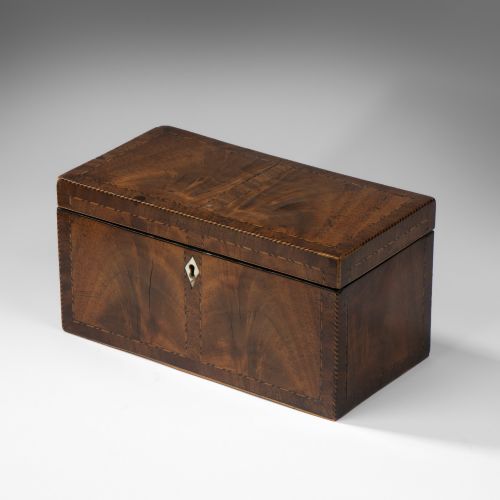
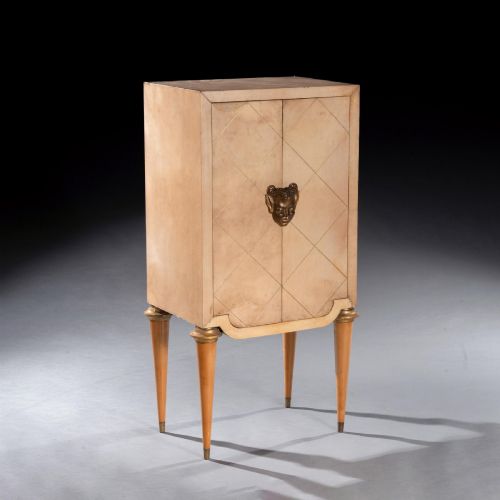
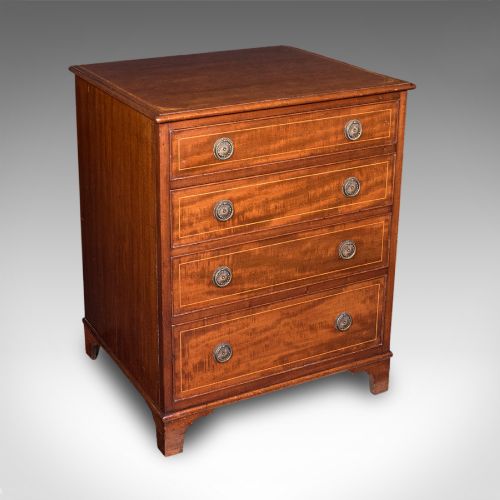
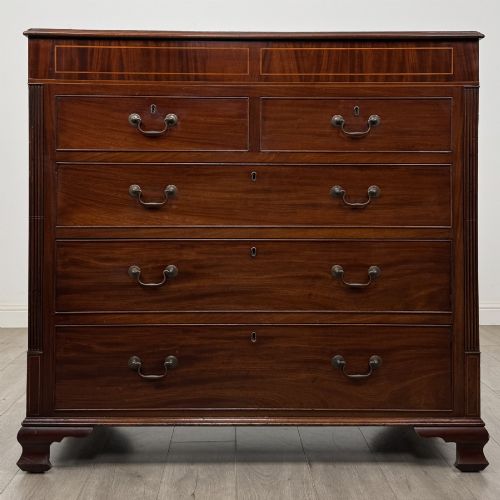
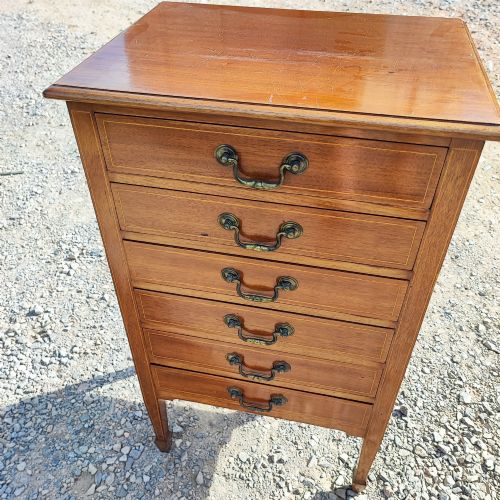
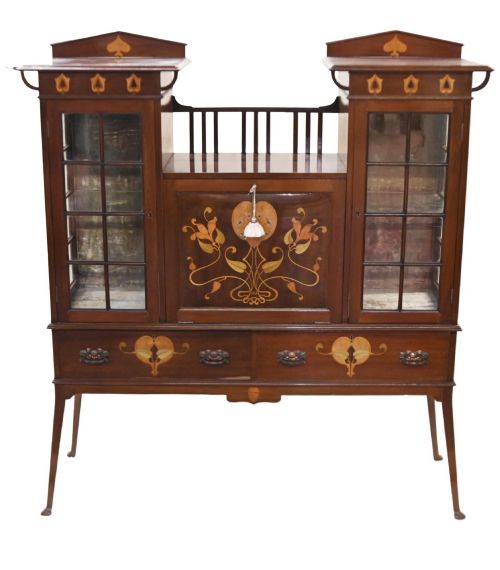
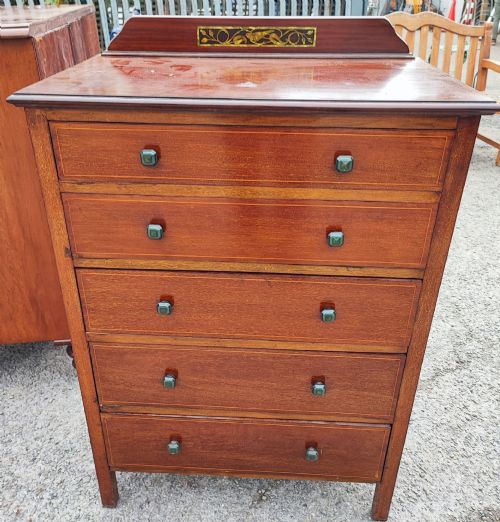
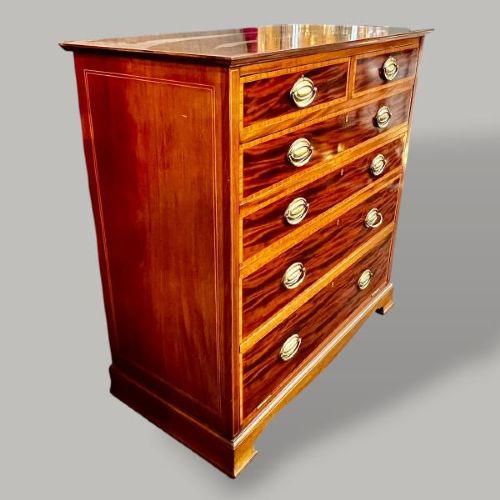
A vintage inlay chest encompasses a broad category of domestic storage furniture, ranging from substantial Georgian and nineteenth-century mahogany tall chests to compact Edwardian bedside cabinets and music boxes. When you search for a vintage inlay chest, you encounter diverse forms including bow-front chests, linen presses, commodes, and smaller tabletop boxes featuring contrasting wood marquetry or banded borders. Edwardian examples in mahogany and satinwood appear frequently on this page, alongside earlier Georgian pieces and mid-century French revival designs.
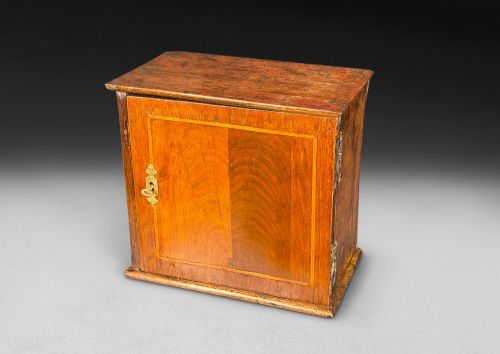
Beyond standard drawer configurations, the selection includes specialised pieces such as drinks cabinets, side cabinets, and jewellery boxes outfitted with brass mounts, glass, or marble tops. The overarching characteristic is the integration of decorative woodwork into the structural body, spanning distinct periods from the eighteenth century through to the art deco era.
Materials and construction methods
Cabinet makers built these pieces using dense primary timbers such as mahogany, walnut, kingwood, and satinwood, often complemented by contrasting veneers for floral or geometric inlay patterns. Structural strength relied on traditional joinery, while decorative surfaces integrated detailed marquetry, mother of pearl, and bone elements set flush into the wood grain.
Surface ornamentation frequently incorporated supplementary materials including cast or chased ormolu, brass handles and escutcheons, rouge marble tops, and mirrored glass panels. French polish or wax finishes were applied to protect the timber and highlight the natural figure of the wood.
Vintage Inlay Chest Retail Price Guide 2026
Typical asking prices for vintage inlay chest among the pieces listed under this phrase on Sellingantiques today, from the lower quarter to the upper quarter. They describe what is for sale here now, not the wider market.
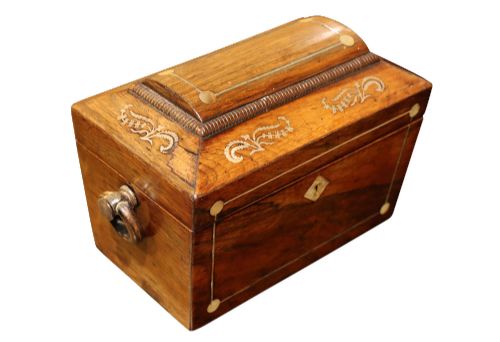
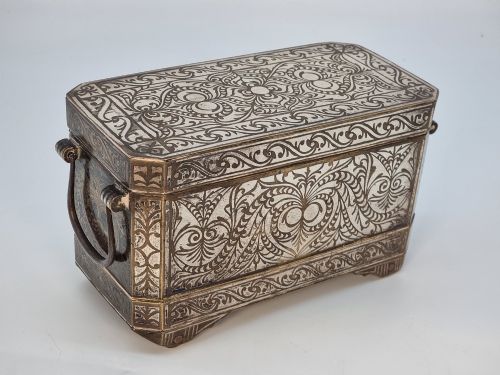
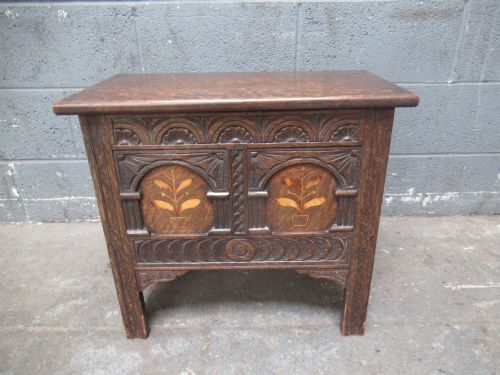
Several trunks and coffers conceal mother of pearl and bone inlays within their heavy timber lids.
Distinctions in construction and design
Quality in these pieces is dictated by the precision of the cabinet work and the crispness of the inlaid detailing rather than surface decoration alone. Superior examples display tightly fitted drawer linings, well-matched timber grains, and finely executed marquetry that remains flush with the surrounding wood over time.
The choice of secondary woods, the weight and quality of applied brass hardware, and the structural integrity of the carcass separate finer workshop production from standard commercial output. Consideration is also given to the harmony of the proportions and the retention of original surface finishes.
Druce & Co
The Vintage Inlay Chest Glossary
- Inlay
- The technique of inserting pieces of contrasting timber, shell, or bone into depressed areas of a solid wood base to form a decorative pattern. This method creates a smooth, flush surface.
- Marquetry
- Elaborate veneer work arranged in pictorial or geometric designs across the whole surface of a piece. It differs from simple inlay by covering the structural carcass entirely.
- Bow front
- A convex, outwardly curved front profile popular on chests of drawers and commodes from the Georgian period onward. This shape softens the angular appearance of rectangular furniture.
- Linen press
- A tall storage piece featuring upper sliding trays or shelves enclosed by doors, positioned above a base of deeper drawers. Originally designed for storing household linens flat.
- Ormolu
- Gilded bronze mountings used extensively on decorative furniture, particularly French commodes and cabinets. These metal elements accent corners, feet, and drawer pulls.
Vintage Inlay Chest: Frequently Asked Questions
What is a vintage inlay chest used for?
These chests provide functional storage for clothing, linens, and personal items while serving as focal points within a bedroom, hallway, or living space. Smaller variations function well as bedside tables or display surfaces for lamps and decorative objects.
The diverse internal configurations, from deep lower drawers to shallow compartmentalised trays, accommodate everything from bulky garments to delicate jewellery and documents.
How do I identify an eighteenth century chest?
Eighteenth century pieces typically exhibit heavier timber framing, hand-cut dovetail joints on the drawer constructions, and specific regional characteristics such as Norfolk walnut and oak combinations. The patination on the wood develops a deep, rich tone through age and consistent waxing.
Hardware on these earlier pieces often includes solid brass swan-neck handles and batswing backplates that reflect the prevailing domestic tastes of the Georgian era.
Are Edwardian inlay chests antique?
Edwardian furniture, produced during the reign of King Edward VII in the early twentieth century, qualifies as antique due to age. These pieces frequently revive earlier Sheraton and Chippendale styles using lighter satinwood banding and mahogany.
The period is noted for refinement in domestic sizing, resulting in numerous compact music cabinets, bedside chests, and inlaid bedroom suites.
How do I care for a marquetry surface?
Maintenance requires avoiding direct sunlight and extreme fluctuations in temperature or humidity, which can cause delicate veneers to lift or crack. Regular dusting with a soft, dry cloth preserves the finish.
Applying a high-quality natural beeswax periodically helps nourish the timber and maintain the soft lustre of the polished wood without building up heavy residues.