


Vintage Inlaid Furniture
Vintage inlaid furniture brings together precise decorative timber work and practical forms from the eighteenth to the twentieth centuries.
Vintage Inlaid Furniture
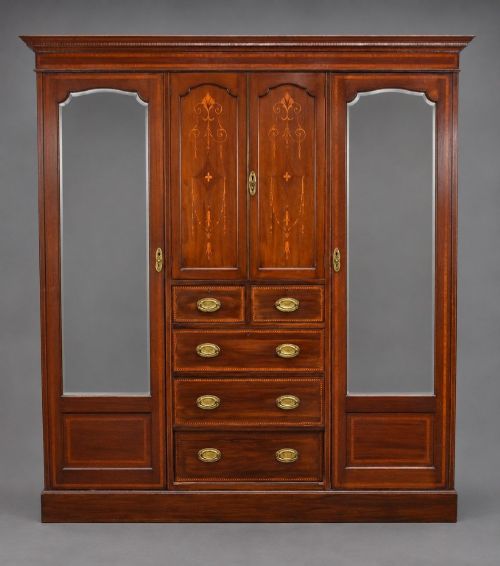
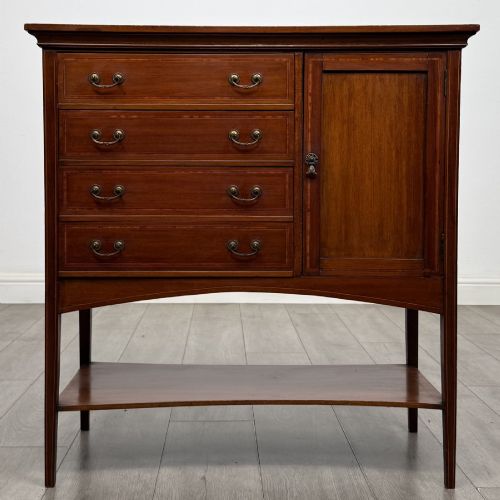
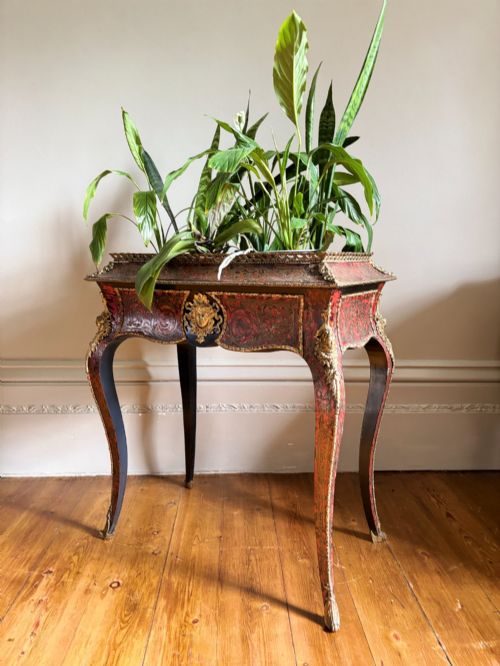
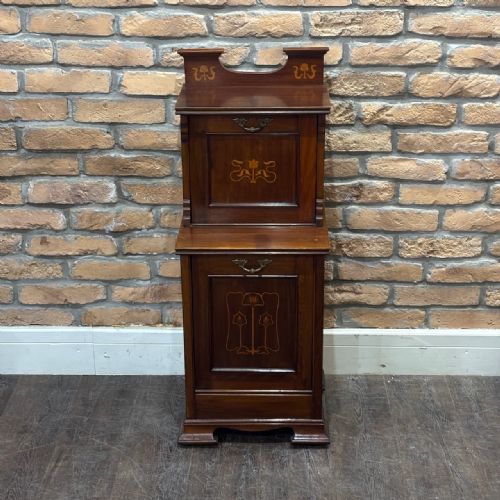
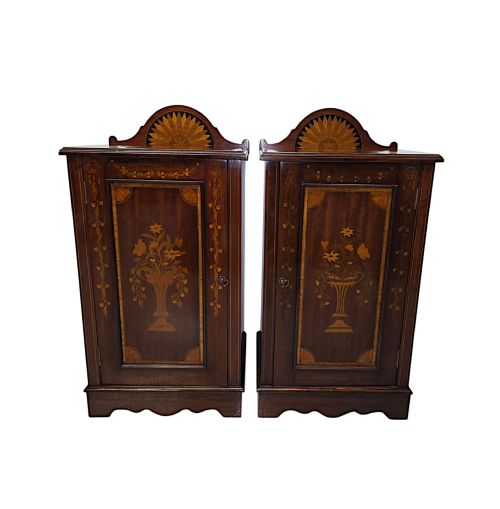
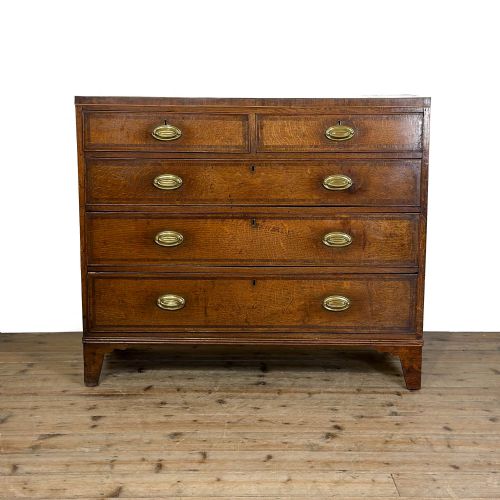
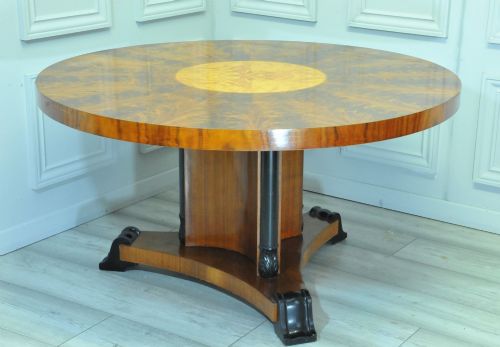
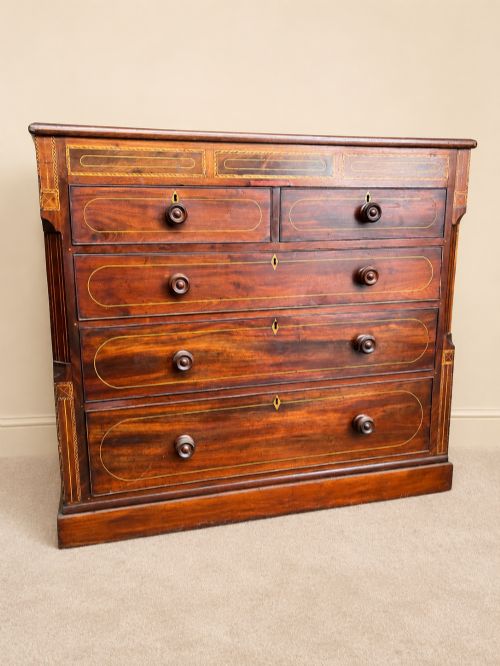
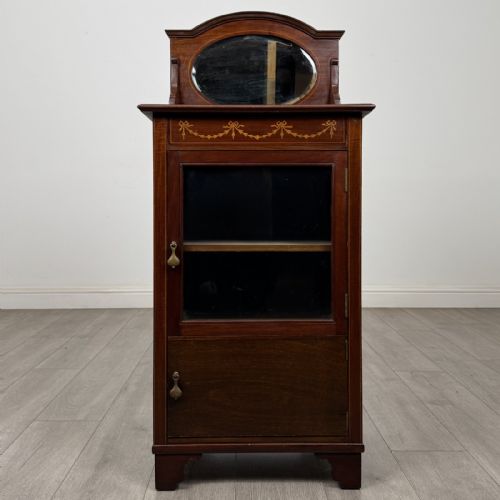
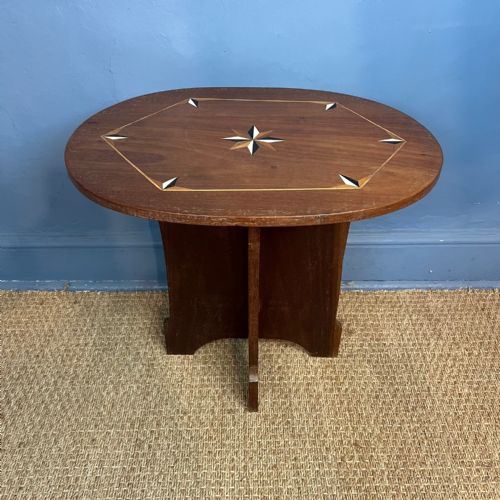
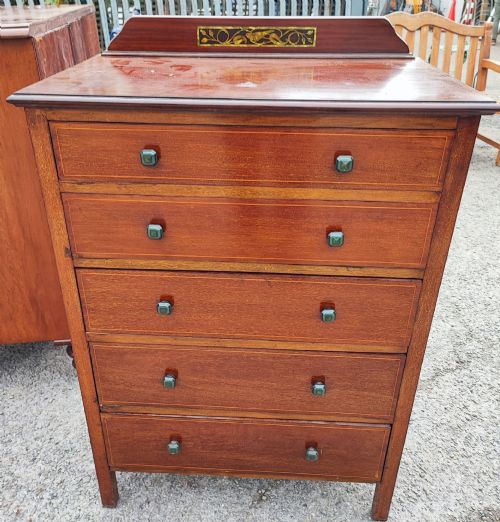
Vintage inlaid furniture encompasses a broad selection of practical household forms, ranging from occasional tables and desks to chests of drawers and cabinets. When exploring vintage inlaid furniture, buyers encounter pieces spanning the Georgian era, the nineteenth century, Edwardian production, and the art deco period.
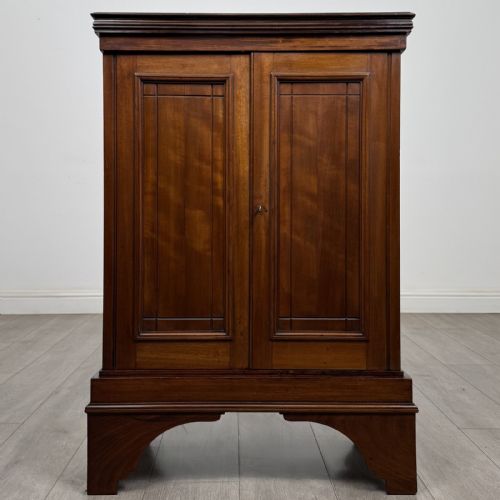
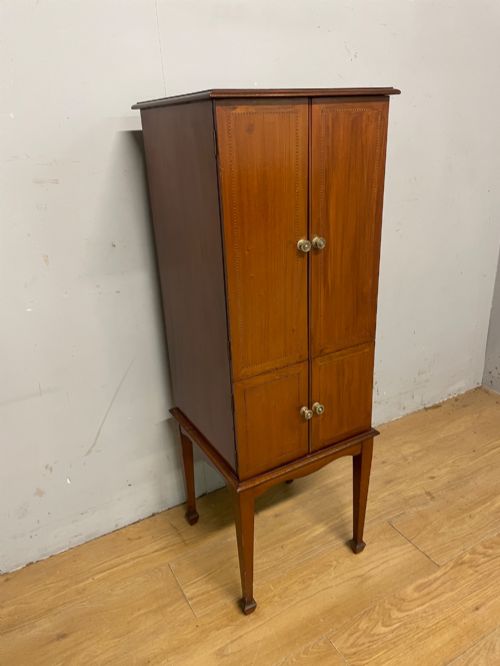
The assortment includes specialised items such as dressing stands, music cabinets, sideboards, and bedside tables. Many examples originate from British workshops, alongside continental European makers and traditional Indian production.
Edwardian satinwood and mahogany items appear frequently alongside nineteenth-century and Georgian style pieces. These objects serve everyday domestic functions while displaying contrasting timber details.
Materials and construction
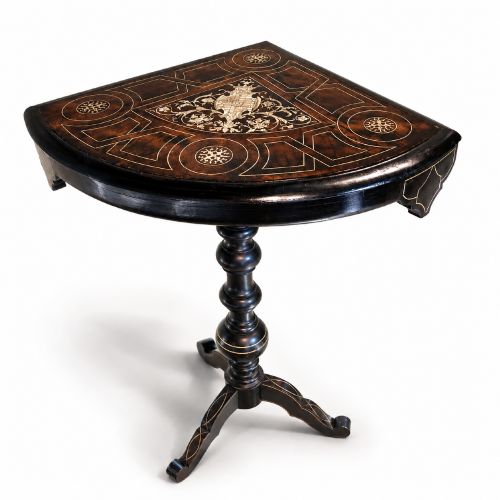
Cabinet makers utilised foundational timbers such as mahogany, walnut, oak, and rosewood, applying contrasting veneers and decorative elements. Satinwood, bone inlay, and brass provide light and metallic visual details against darker primary woods.
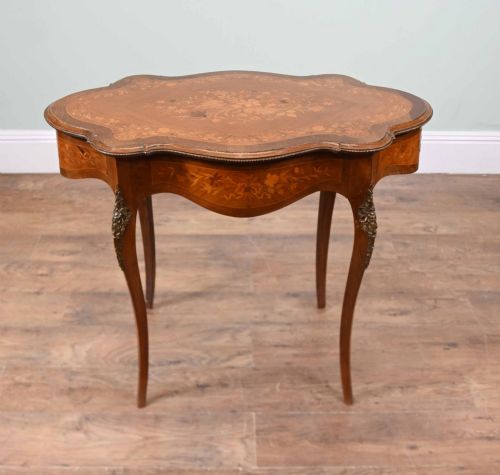
Marquetry and parquetry techniques build pictorial or geometric patterns into the surface of the timber. Craftsmen set thin slices of wood or bone into recessed channels within the primary board to achieve precise lines and motifs.
Vintage Inlaid Furniture Retail Price Guide 2026
Typical asking prices for vintage inlaid furniture among the pieces listed under this phrase on Sellingantiques today, from the lower quarter to the upper quarter. They describe what is for sale here now, not the wider market.
Music cabinets wait quietly for forgotten sheet music, while campaign tables carry the dust of distant nineteenth-century journeys.
Distinguishing quality
The standard of a piece rests upon the precision of the timber fitting and the integrity of the underlying structure. Finely made examples display seamless joins where different wood species meet, with no gaps or raised edges.
The complexity and crispness of the decorative work dictate the grade of the item. Pieces featuring intricate marquetry, matched grain patterns, and well-executed secondary timbers stand apart from simpler production.
Bath Cabinet Makers·Flashman and Co·Jacob and Joseph Kohn·JS Henry
The Vintage Inlaid Furniture Glossary
- Marquetry
- The art of creating decorative patterns on a wooden surface by fitting together small pieces of veneer. This technique allows for complex pictorial designs using various timber species and colours.
- Parquetry
- A geometric mosaic of wood pieces used for decorative floors and furniture surfaces. It relies on regular shapes such as squares, triangles, and lozenges.
- Satinwood
- A durable, lustrous yellow timber obtained from tropical trees, frequently utilised for banding and inlay work in furniture. Its reflective quality brightens dark mahogany surfaces.
- Crossbanding
- A strip of veneer applied around the border of a panel with the grain running perpendicular to the centre. This method frames the central wood and restrains natural timber movement.
- Bracket feet
- Simple, foot supports shaped like a bracket, often found on chests of drawers and cabinets from the eighteenth century onwards. They lift the case piece slightly off the floor.
Vintage Inlaid Furniture: Frequently Asked Questions
How do I clean vintage inlaid surfaces?
Dust surfaces regularly with a soft, dry cloth to prevent dirt accumulation in the recessed joints of the inlay. Avoid harsh chemical cleaners and excessive water which can loosen delicate veneers and lift old finishes.
Apply a microcrystalline wax periodically to nourish the timber and protect the contrasting woods. Buff the surface gently after application to maintain a natural, subtle sheen without creating heavy build-up.
Can I use these cabinets in modern rooms?
These pieces integrate easily into contemporary spaces by providing functional storage alongside distinct historical character. Their varied forms, from compact lamp tables to tall display cabinets, suit different room layouts and proportions.
Pairing a nineteenth-century bureau or Edwardian side table with minimalist modern seating creates a balanced interior. The warmth of the natural timber and decorative details softens plain walls and modern architectural lines.
How do I identify Edwardian satinwood items?
Edwardian satinwood pieces typically feature pale, golden-yellow timber surfaces adorned with delicate contrasting stringing and floral painted motifs. The craftsmanship reflects the Sheraton Revival style popular around nineteen hundred.
Examine the secondary woods inside drawers and at the back of the piece to confirm the period construction methods. Oak and pine linings are common in British furniture from this era.
What is the difference between marquetry and parquetry?
Marquetry involves cutting and assembling veneers to form pictorial scenes, scrolls, or floral motifs. Craftsmen use various coloured woods and organic materials to create flowing, organic designs across table tops and cabinet doors.
Parquetry uses geometric shapes arranged in strict repeating patterns to cover surfaces. This technique produces regular, abstract designs such as cubes, chequers, and basket-weave effects.