


Vintage Inlaid Box
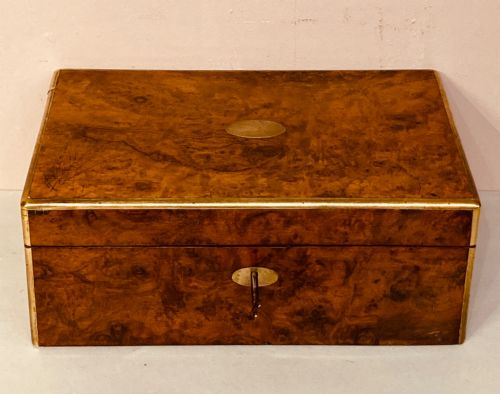
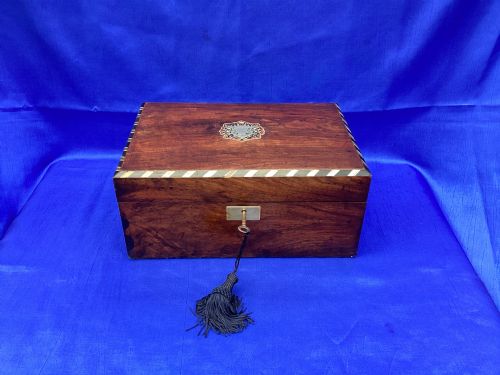
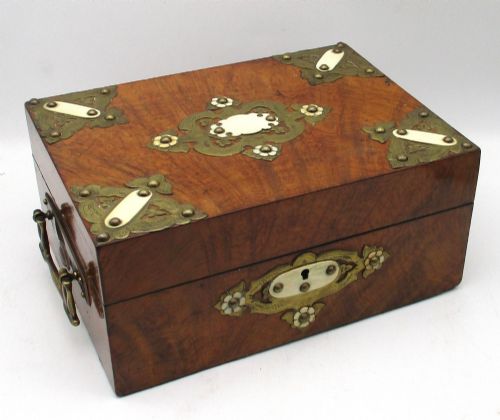
A vintage inlaid box gathers the threads of past craftsmanship into small, portable architecture designed to hold tea, letters, or jewels.
Vintage Inlaid Box
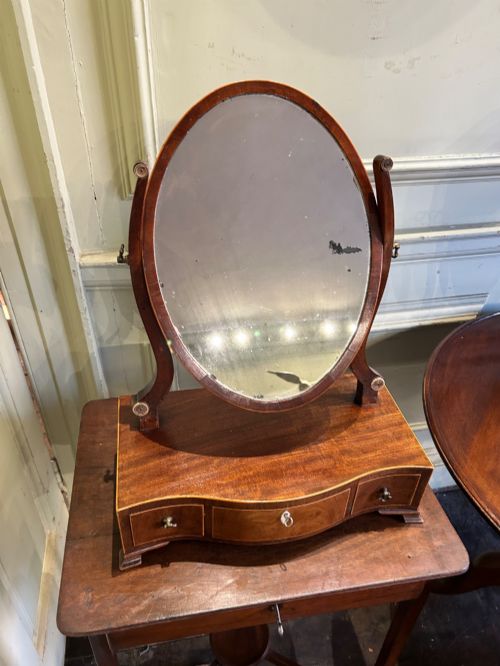
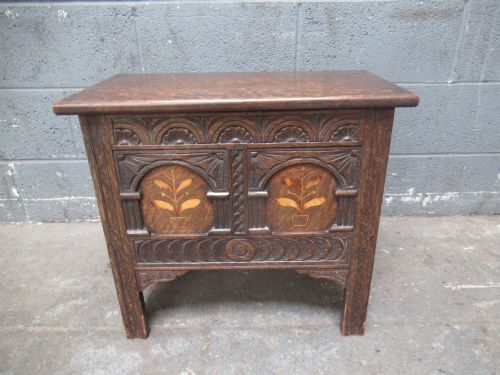
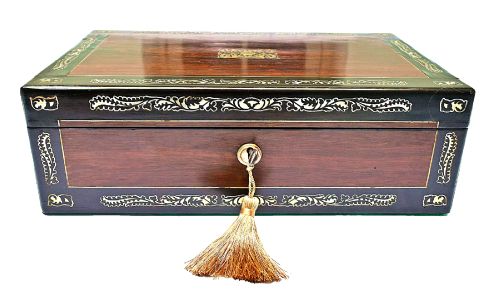
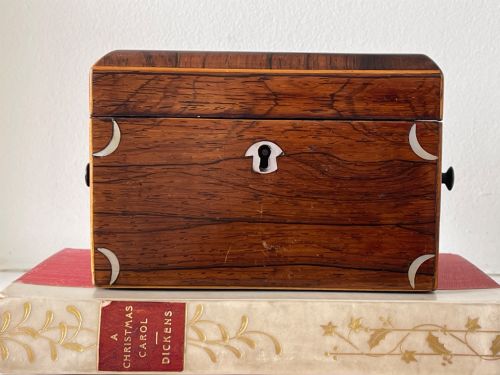
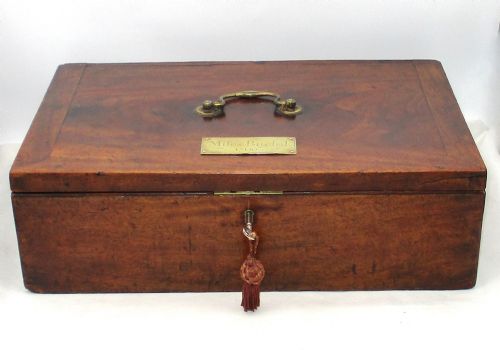
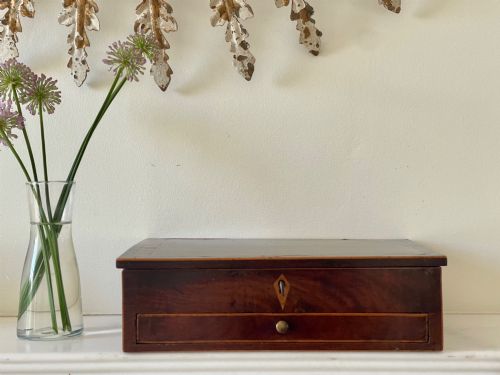
A vintage inlaid box encompasses a broad functional range spanning Georgian document chests, Victorian tea caddies, and Edwardian desk tidies. Buyers searching for a vintage inlaid box encounter objects built for specific domestic rituals, from storing loose leaf tea to housing writing slopes and jewellery.
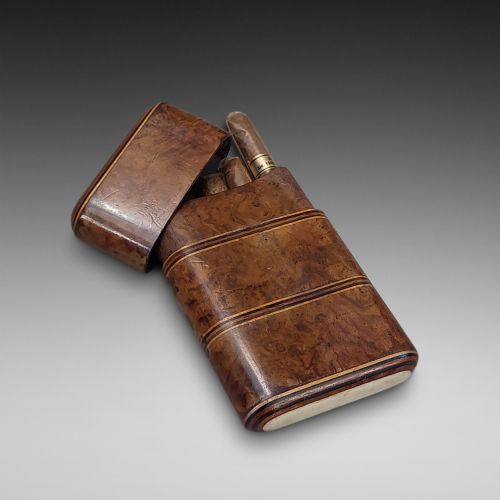
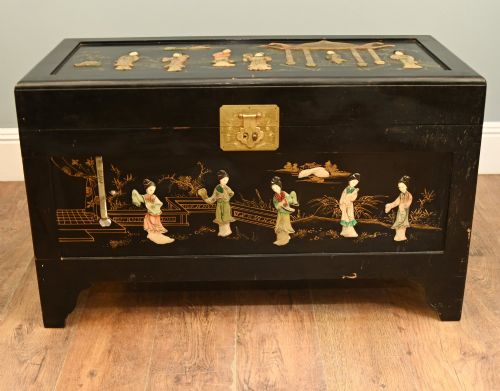
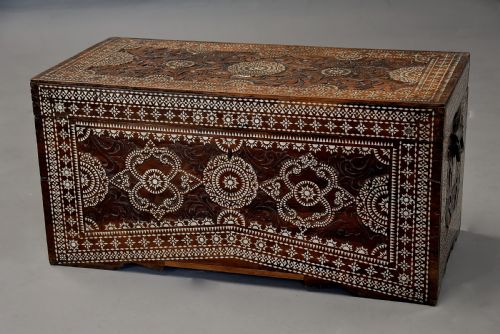
The specimens present on this page originate across the eighteenth, nineteenth, and early twentieth centuries, drawing on Georgian, Victorian, Regency, and Edwardian design vocabularies. Forms vary from small snuff boxes and cigarette containers up to substantial Anglo-Indian chests and French Napoleon III tantalus cabinets.
How they were made
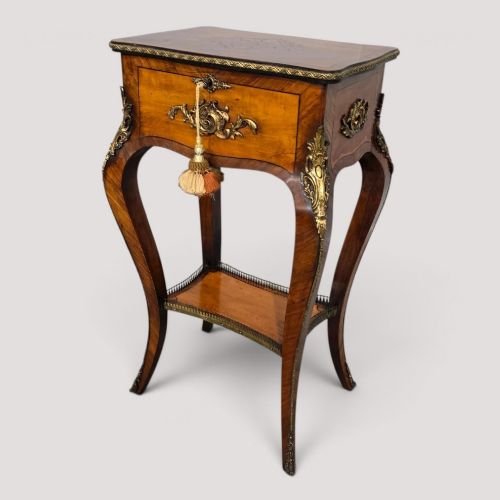
Cabinet makers utilised dense hardwoods such as mahogany, rosewood, walnut, and satinwood as the structural foundation for these pieces. Surfaces then received decorative detailing through contrasting timbers, mother-of-pearl, bone, brass stringing, and tortoiseshell.
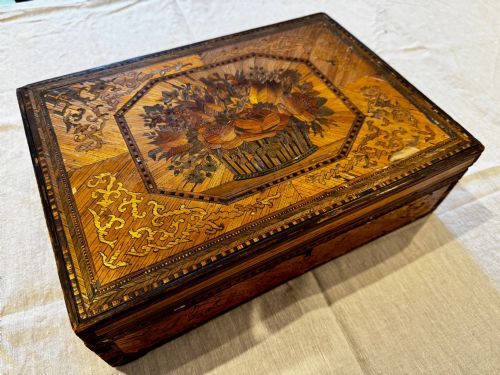
Techniques range from precise Tunbridge inlay and straw-work to heavy relief carving on hardwood trunks and lacquer work. Brass hardware, including campaign mounts and lock escutcheons, often integrated directly into the timber construction.
Vintage Inlaid Box Retail Price Guide 2026
Typical asking prices for vintage inlaid box among the pieces listed under this phrase on Sellingantiques today, from the lower quarter to the upper quarter. They describe what is for sale here now, not the wider market.
A dedicated smoker can store cigarettes inside a novelty box shaped like a Scottie dog.
What varies in quality
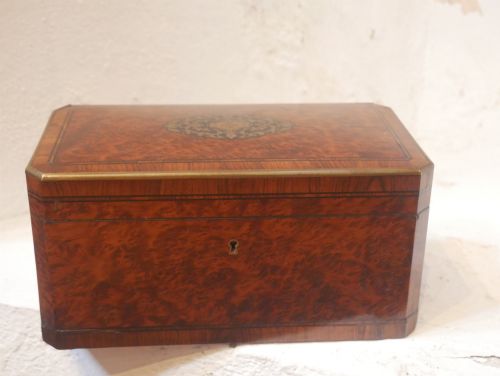
The calibre of a piece rests primarily on the precision of the inlay work and the selection of figured timber veneers like flame mahogany or burr walnut. Finer examples maintain crisp geometric alignment in their banding and retain original interior trays, fittings, and working brass locks.
Construction methods also separate standard production from master workshops, visible in the dovetailing of interior compartments and the structural integration of applied brass or shell details. The depth of historical character and the preservation of original patination dictate the standing of individual boxes.
Tahan·Erhard and Sohne·Holtzapffel and Co
The Vintage Inlaid Box Glossary
- Tea Caddy
- A lidded box partitioned to store dry tea leaves securely. These containers often featured internal crystal mixing bowls and lockable lids.
- Writing Slope
- A portable desk that folds down to reveal a slanted writing surface and pigeonholes for paper and ink. They frequently incorporated hidden compartments.
- Tunbridge Ware
- Small wooden items decorated with mosaics made from tiny pieces of naturally coloured timbers. This technique created intricate pictorial or geometric surface patterns.
- Tantalus
- A locked frame holding decanters visible to the eye but prevented from removal without a key. They gained popularity during the nineteenth century for serving spirits.
- Escutcheon
- A flat plate surrounding a keyhole that protects the surrounding wood from wear. They were typically cast from brass or engraved bone.
Vintage Inlaid Box: Frequently Asked Questions
What were tea caddies used for?
Tea caddies served to store expensive loose leaf teas safely under lock and key in Georgian and Victorian households.
Servants or the master of the house kept the key to control access to the precious leaves.
How do I date an inlaid box?
Dating relies on identifying the primary timber, the style of the brass hardware, and the construction methods used inside the carcass.
Georgian pieces often display flame mahogany and simple stringing, while Victorian examples introduce papier-mâché and mother-of-pearl.
Where were writing slopes kept?
Writing slopes sat upon library tables, desks, or chests of drawers in domestic studies and parlours.
Their portable nature allowed owners to carry them between rooms or pack them away for travel.
What is Tunbridge inlay?
Tunbridge inlay involves assembling thousands of tiny triangular and square wooden blocks to form complex geometric or floral pictures.
Craftsmen in Kent produced these mosaic surfaces to adorn small boxes and desk accessories.